Namibia’s 2026–27 El Niño is a fork in the road. Three past droughts show food inflation follows South Africa’s maize crop more than Namibian rainfall alone.
Read More
Namibia’s 2026–27 El Niño is a fork in the road. Three past droughts show food inflation follows South Africa’s maize crop more than Namibian rainfall alone.
Read More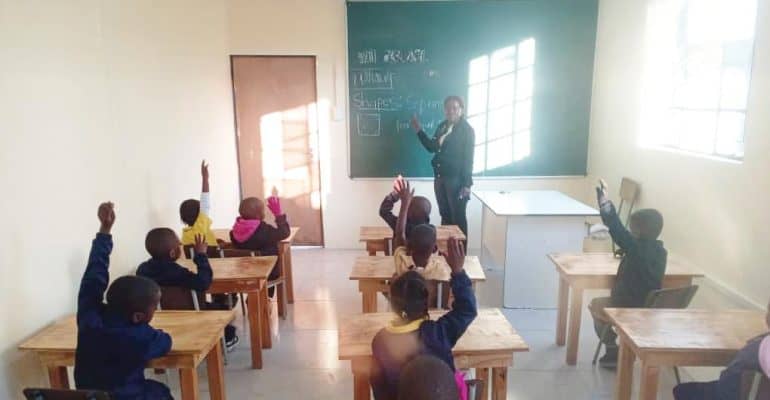
From backyard chaos to a thriving school: how Festus Mbangula turned neighbourhood toddlers into Afrikan Child Kindergarten in Ondangwa — now 57 children strong.
Read More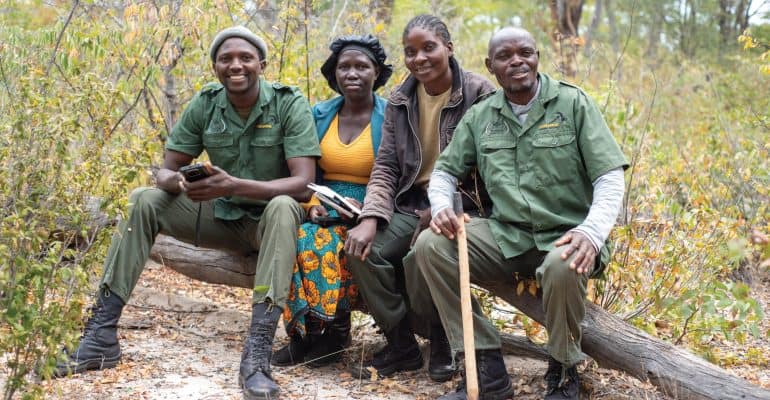
How camera traps and Wildlife Credits help Namibia’s Zambezi conservancies protect elephants, lions and corridors — and pay communities to keep wildlife safe.
Read More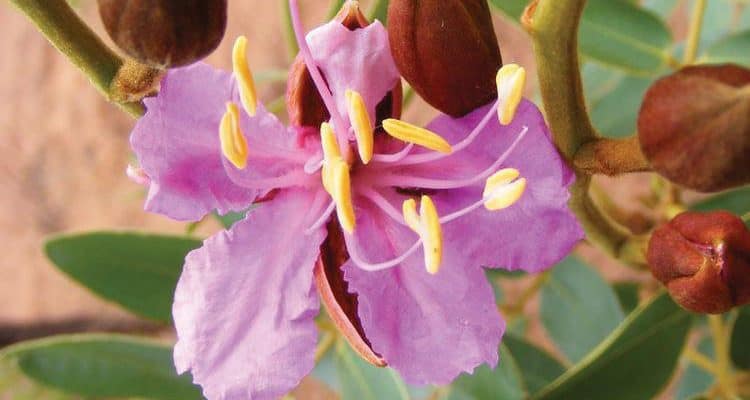
Zambezi teak (Baikiaea plurijuga) is a tall Namibian hardwood of Kavango and Zambezi. Learn its leaves, flowers, timber uses and why protecting it matters.
Read More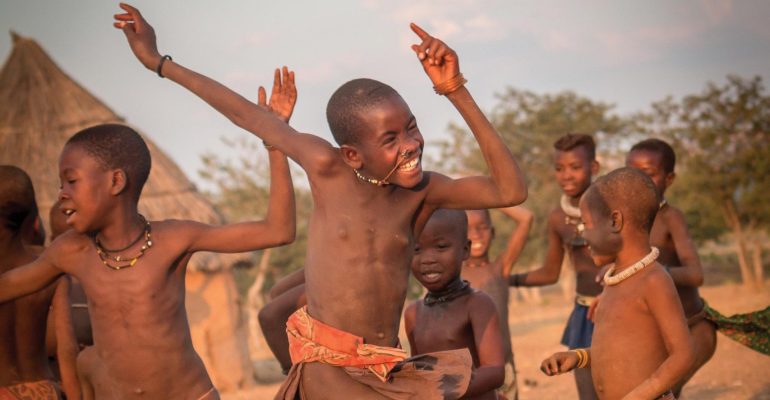
Meet the Ovahimba of Namibia’s Kunene Region — semi-nomadic pastoralists known for otjize, holy fire and living tradition. Visit the Ovahimba Living Museum.
Read More
Meet Jessica Amoonga, the new Face of FlyNamibia. Five things to know about the creative entrepreneur, nature lover and storyteller who lives with intention.
Read More
Ore in the ground is a resource. Ore processed is an economy – four practical steps Namibia needs to unlock mining beneficiation and value addition.
Read More
Discover Lui Heavenly Touch Spa in Walvis Bay: a hidden gem offering spa treatments, car wash and meals in a cosy converted container for ultimate relaxation.
Read More
Ondangwa youth entrepreneurs at Ndapanda Holdings turn a personal scam experience into a trusted service helping clients safely import goods from China and beyond.
Read More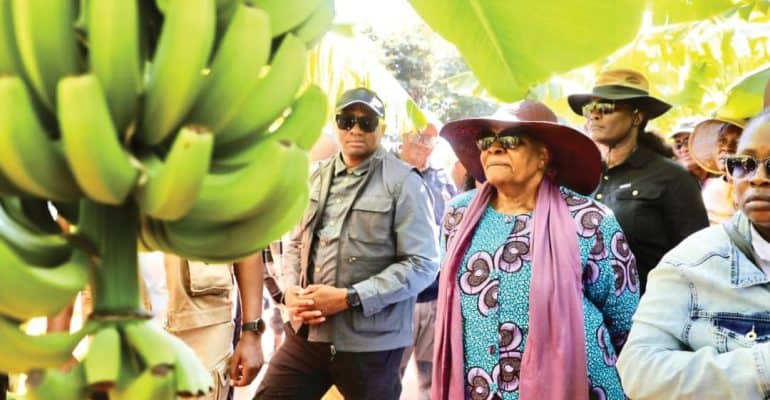
Agriculture remains at the heart of Namibia’s development agenda, with Green Schemes boosting food security, rural livelihoods and reducing reliance on food imports.
Read More