Atraditional headpiece handed down from mothers to daughters for weddings in precolonial Namibia, the ekori used to be an integral part of Ovaherero traditional garments. Today, a young Namibian designer has revived its silhouette, earning an international accolade and applause from local historians.
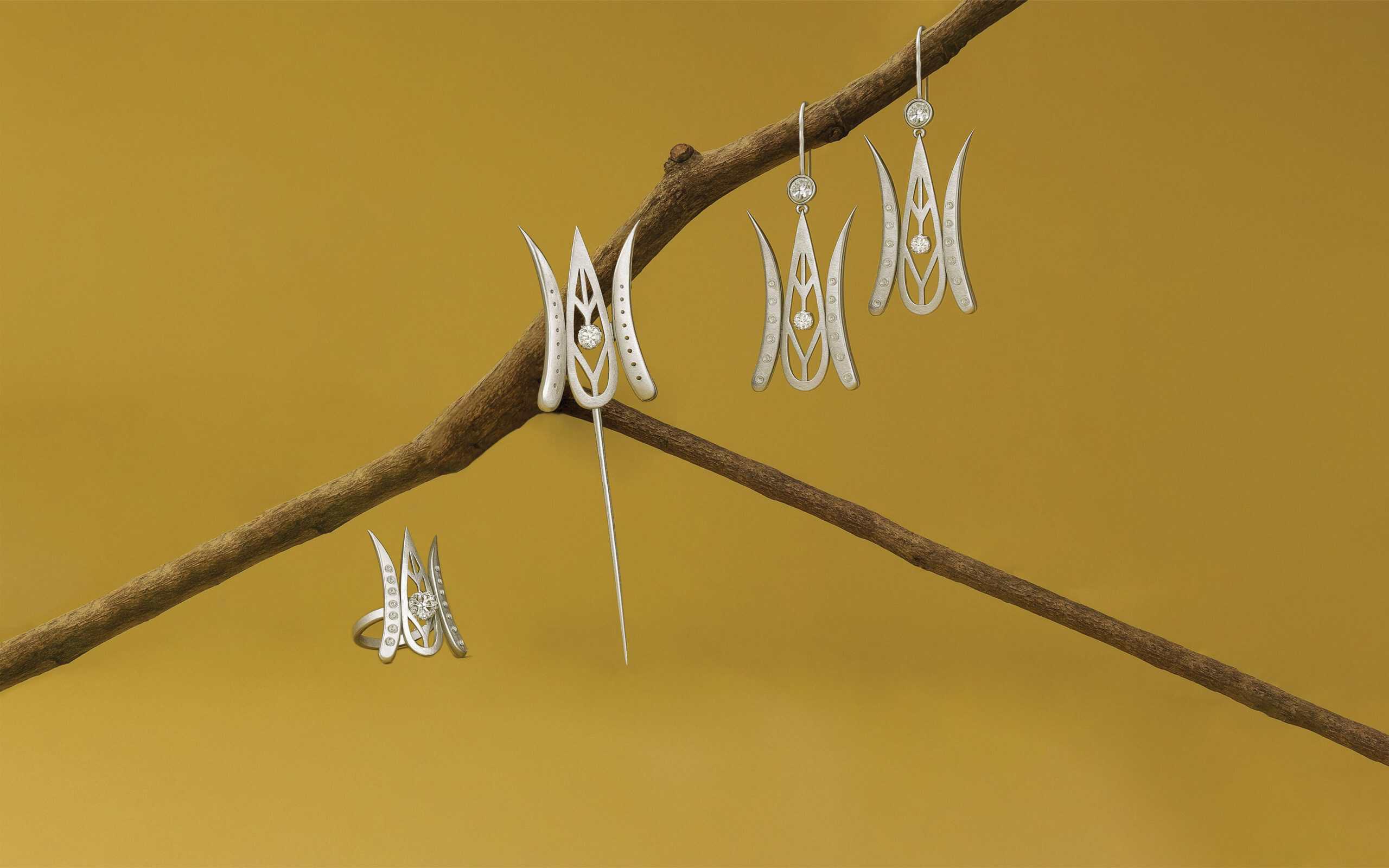
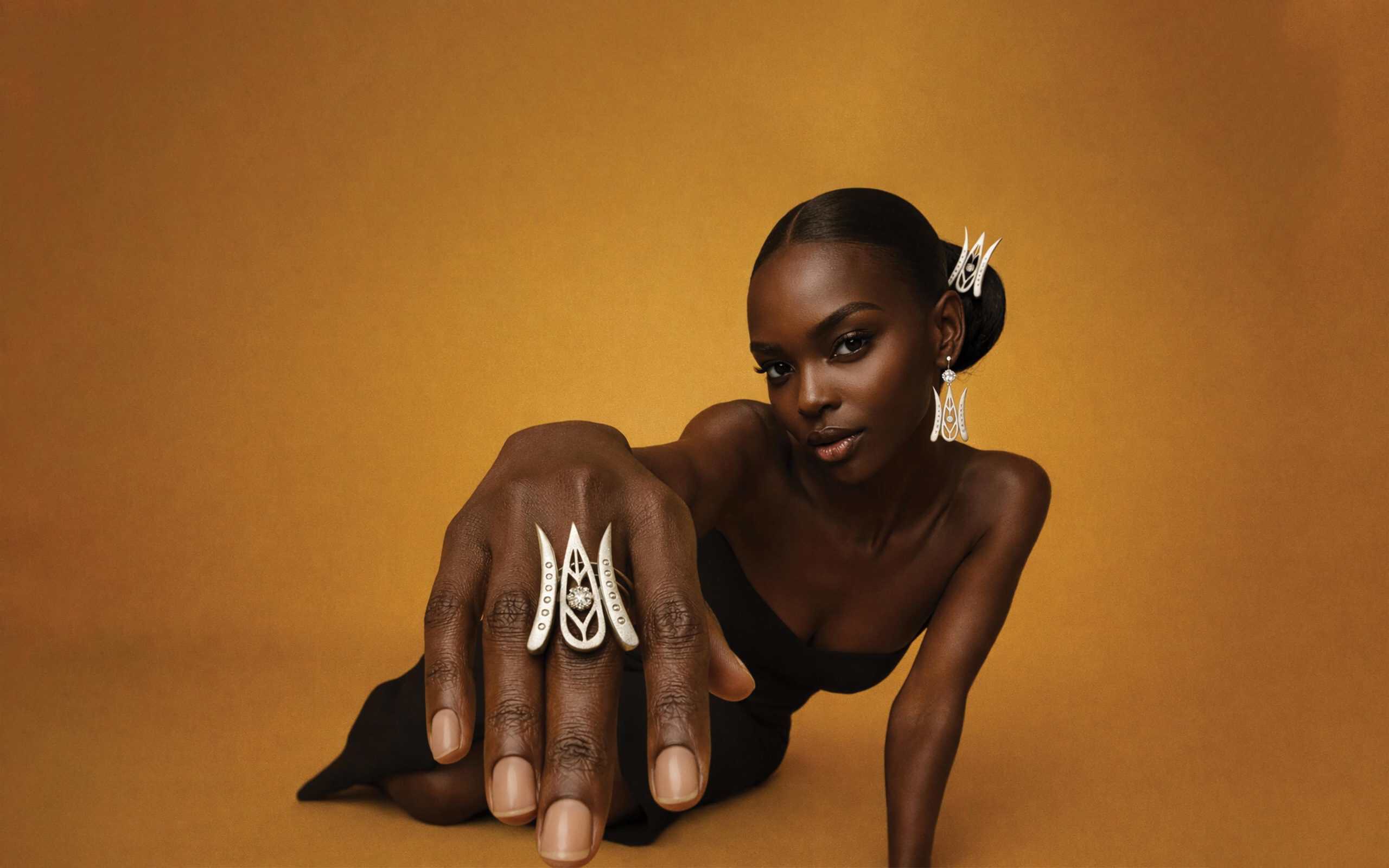
Jean-Claude Tjitamunisa, popularly known as JC Nazarii, recently received continental recognition by winning the Fashion Design Award in the Jewellery Accessory category for his Ekori Resurgence Jewellery Collection. The work explores themes of identity, cultural continuity, ancestral memory and African visual language.
The award formed part of the inaugural African International Design Awards (AIDA), a platform recognising innovative African creative practitioners across disciplines from fashion to architecture. The collection continues JC’s broader exploration into cultural resurgence; a direction also reflected in his national costume designs worn by Johanna Swartbooi and Uatjiri Mbaisa at Miss Namibia 2025.
Tjitamunisa’s multidisciplinary background heavily influences his approach to three-dimensional design. In 2023, he received the Visual Art Award at the Bank Windhoek Doek Literary Awards for his photographic work, The Gift.
“There’s a quote I often think about: ‘A jack of all trades is a master of none, but oftentimes better than a master of one,’” JC reflects. “Different disciplines can unexpectedly strengthen one another. My background in photography trained me to pay attention to composition, symmetry, balance, light and form. Before any piece was made, I had already captured it through the camera of my imagination.”
He adds that his fascination with the powerful geometry of the ekori gives the jewellery an architectural quality. “Jewellery lives both on the body and in images, so I wanted the collection to feel striking from every angle, whether viewed in person or through a lens.”
Speaking about the beginnings of his interest in the headpiece, JC says: “By the time I decided to use the ekori’s silhouette as the centrepiece, I had spent significant time studying it through archival books, documents and photographs. When I finally encountered an original ekori in person, I knew there was something powerful that needed to be revisited and reintroduced through contemporary design.”
To honour its sacred significance, JC stayed close to its original blueprint. “Rather than completely redesigning it, I translated it into a new context.”
The contemporary element emerged by extending the ekori into forms where it did not historically exist: a fivepiece set comprising a ring, necklace, brooch, earrings and bangles. “In doing so, I wasn’t replacing the original object but creating new ways for its story to be carried and experienced,” JC explains.
The pan-African recognition feels deeply rewarding for the designer, particularly after an initial setback. “Two years ago, when the collection did not receive recognition in its first award submission, it was disheartening,” JC shares. “But I carried on because I had a broader vision. This submission was very much a ‘one more try’ moment and to see a distinctly Namibian cultural narrative recognised on a pan-African stage is both humbling and affirming.”
“The collection is also a tribute to Ovaherero women,” JC says. “Before colonial disruption, Ovaherero society, like many African societies, was matrilineal. The collection honours the women who carried our culture, protected our identity and ushered future generations into the present.” Historically, the Ekori was primarily crafted from leather and adorned with ostrich eggshell beads, iron beads and, in rare cases, glass beads. This heritage gave JC the freedom to work between contemporary metals and natural materials. The collection is currently realised in silver and gemstones, echoing the strength and resilience of the ekori itself.
“Rather than replicating the original materials exactly, I sought to preserve their meaning: beauty, status, craftsmanship and cultural continuity,” he says.
JC sees the collection as an act of visual repatriation and cultural reindigenisation. “While the transition from the ekori to the otjikaiva ultimately produced something beautiful and deeply significant within Ovaherero culture today, it was not a transformation that happened under entirely voluntary circumstances.”
He remains inspired by how Ovaherero women transformed that painful historical transition into a cultural symbol that is recognised around the world today.
“With this collection, I simply travelled a few centuries back in time to reconnect with a part of our heritage that circumstances compelled us to leave behind,” says JC. “I am not attempting to rewrite history, but rather to reopen a conversation with it. I hope these pieces tell a story of the modern African woman as someone who is both rooted and forward-looking, a woman who can honour her ancestry while confidently shaping her own future.”
By taking Namibia’s history to a continental stage, Tjitamunisa hopes to pave the way for his local peers. “Namibia is home to extraordinary creative talent, and I hope achievements like this contribute to greater visibility for our contemporary fashion, art and design industries across Africa and internationally.”