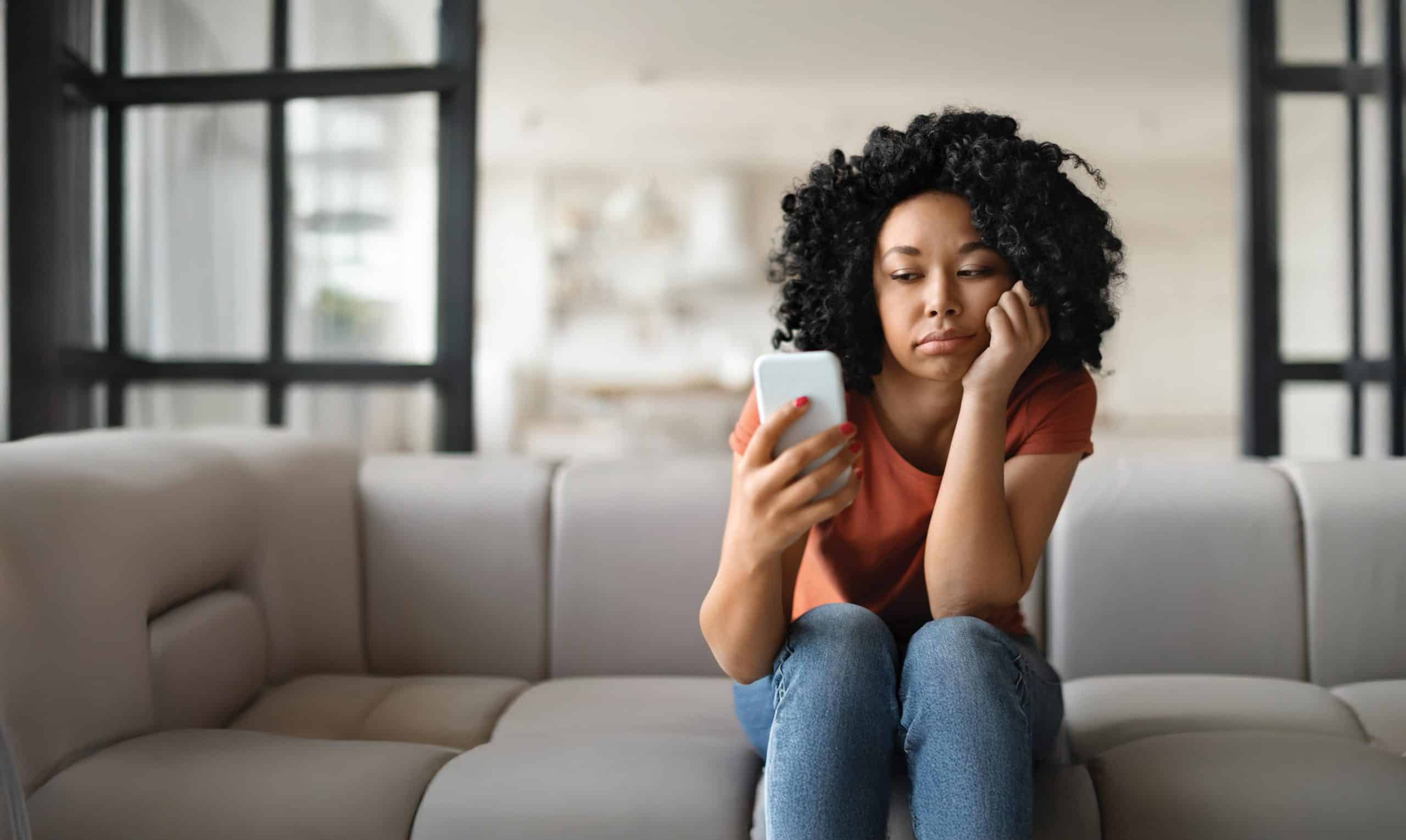
Let’s be honest: social media has become an integral part of modern life. As such, it is neither realistic nor practical to deny its existence or avoid it entirely. Instead, the most effective approach is to develop a healthy and balanced relationship with social media and to use it in a mindful and intentional way.
One of the most concerning aspects is the unprecedented level of access it creates. In the past, people did not have constant access to each other’s lives. Social interactions were generally limited to school, work or social settings, and individuals could return home to a space that offered privacy and respite. Today, social media allows people to remain continuously connected, resulting in constant exposure to others and, in turn, making oneself constantly accessible to others. This level of ongoing connection can be emotionally exhausting, mentally draining and difficult to disengage from.
Constant exposure to the lives, opinions and experiences of others can easily become overwhelming and addictive at the same time. Combined with the constant mental stimulation associated with scrolling and consuming large volumes of content, this may contribute to difficulties with attention, emotional regulation and healthy cognition.
There is also an apparent glamourisation on social media of mental illness, emotional distress and, at times, destructive behaviours such as self-harm or excessive substance use. While increased awareness of mental health has undoubtedly been beneficial in reducing stigma and encouraging help-seeking, there are instances where social media appears to blur the line between education and promotion.
We are exposed to content that can inadvertently present mental illness or psychological struggles as a defining feature of identity or as a means of gaining validation, attention or belonging. As a result, some people may begin to feel that there needs to be something “wrong” with them in order to fit in, be understood or receive support. There can be a perception that one must have a diagnosis, be attending therapy or be engaging in visible struggles to be accepted or noticed within certain online spaces.
Social media platforms often reward content that evokes strong emotional reactions, which can unintentionally amplify discussions of distress, mental illness or destructive behaviours. This may teach us that vulnerability or suffering attracts attention and engagement, potentially reinforcing unhealthy narratives or behaviours.
There has been a significant cultural shift in recent years. Whereas earlier generations may have dismissed or minimised discussions surrounding mental health, society has now moved towards much greater openness and awareness. While this progress is important, there is a risk of moving to the opposite extreme, where normal emotional responses to life’s challenges are increasingly pathologised. Experiences such as sadness, disappointment, anxiety about uncertainty or emotional distress following difficult circumstances are often part of the normal human experience and do not necessarily indicate the presence of a mental health disorder.
Social media may contribute to us feeling pressure to label, diagnose or publicly identify with psychological difficulties that may, in some cases, reflect typical life stressors. When discussions of mental health become focused on identity and visibility rather than understanding and support, the distinction between educating about mental illness and inadvertently promoting it can become blurred.
So, how should we approach social media in a healthy way? In the same way we would approach any important relationship in our lives. Whether it is a friendship or a relationship, healthy connections require boundaries, balance and intentionality. We recognise that spending excessive amounts of time with any one person, or allowing boundaries to become blurred, can leave us feeling overwhelmed, emotionally exhausted, frustrated or drained.
I believe the same principle applies to social media. Social media is not something we can simply ignore or eliminate from modern life. It exists, and for many young people it plays a significant role in how they communicate, learn and connect with others. Therefore, rather than focusing solely on restricting or resisting social media, I encourage people to focus on developing a healthy relationship with it. Just as we would not want a person’s entire identity, self-worth or daily life to revolve around another individual, we should not want our entire world to revolve around social media. Social media should be one aspect of life, rather than the centre of it.