In Namibia’s northern regions, environmental degradation and poverty are closely linked. Irregular rainfall, declining soil fertility, and limited water access continue to threaten livelihoods in densely settled rural areas. Without integrated landscape management, these pressures deepen inequality and erode the natural systems communities depend on. In and around Opuwo, the Ministry of Environment, Forestry and Tourism, through the NILALEG Project, is addressing these challenges by supporting community-driven initiatives that connect environmental restoration with sustainable livelihoods.
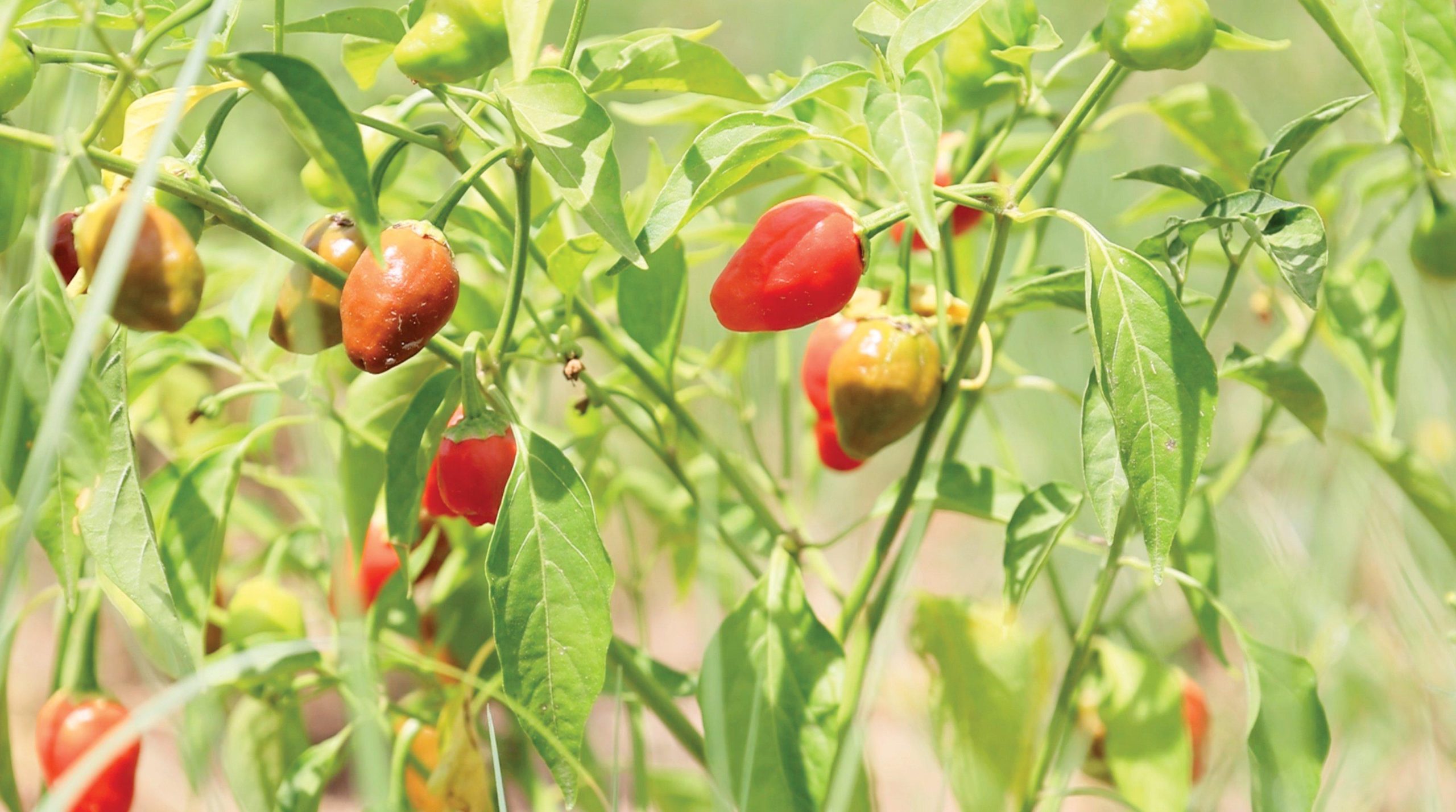
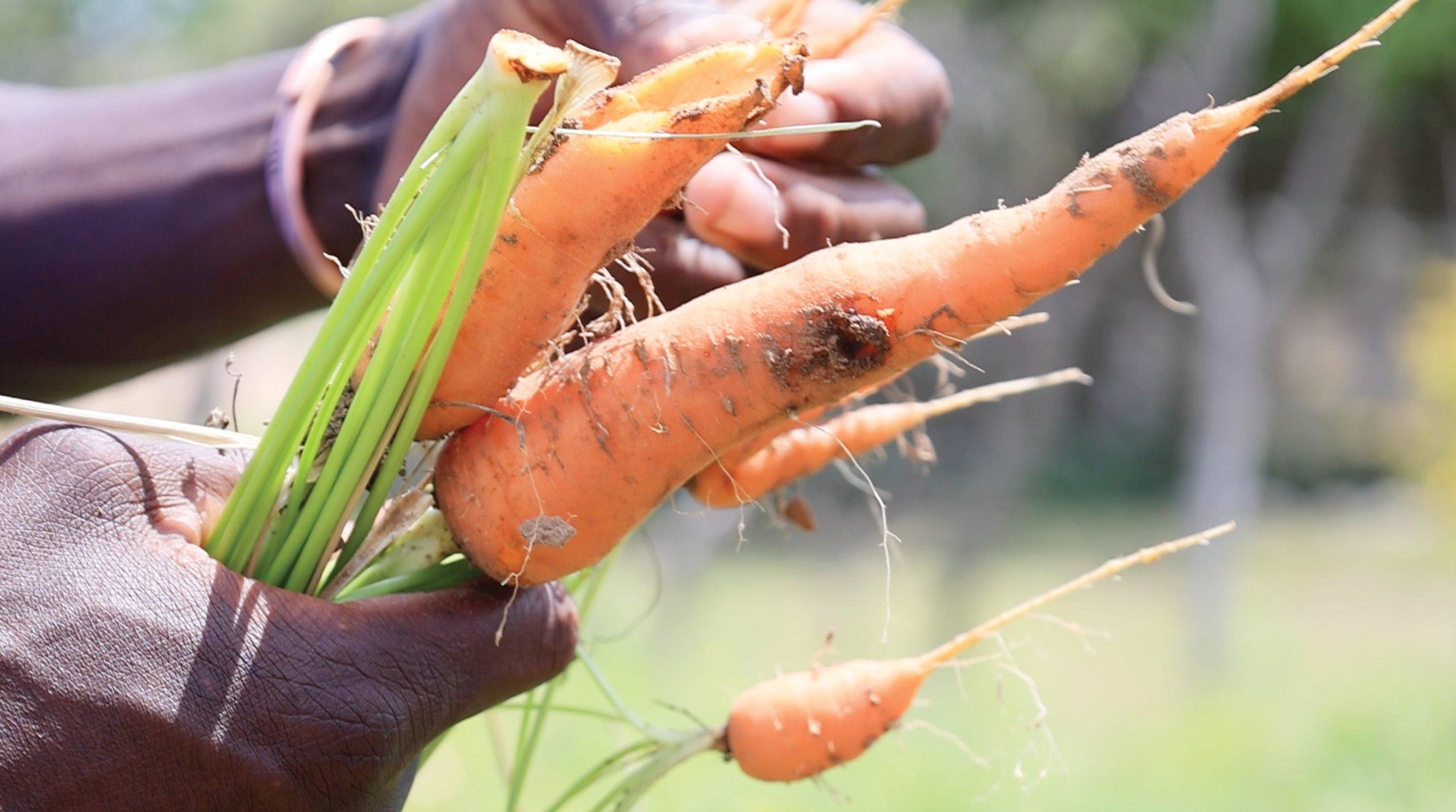
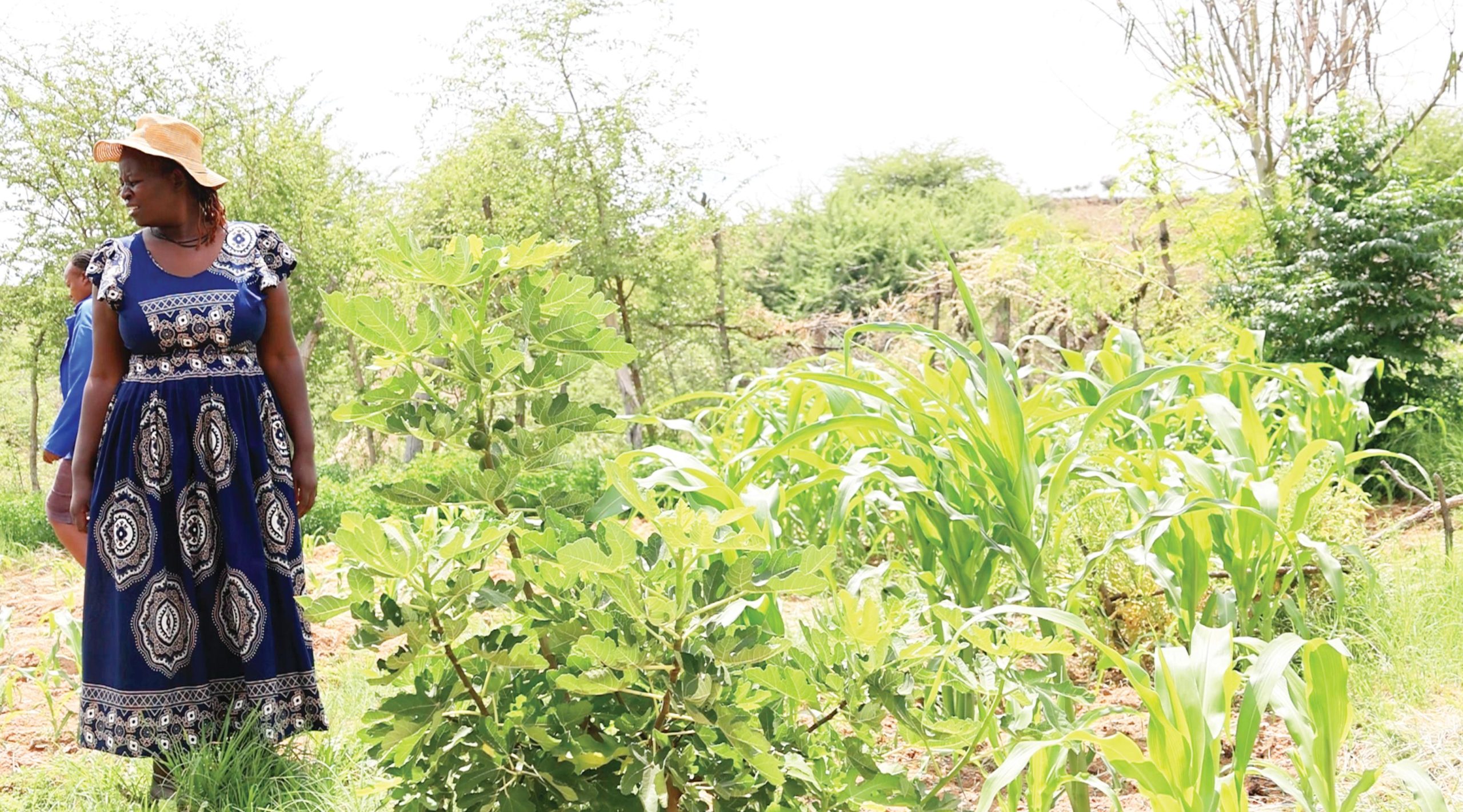
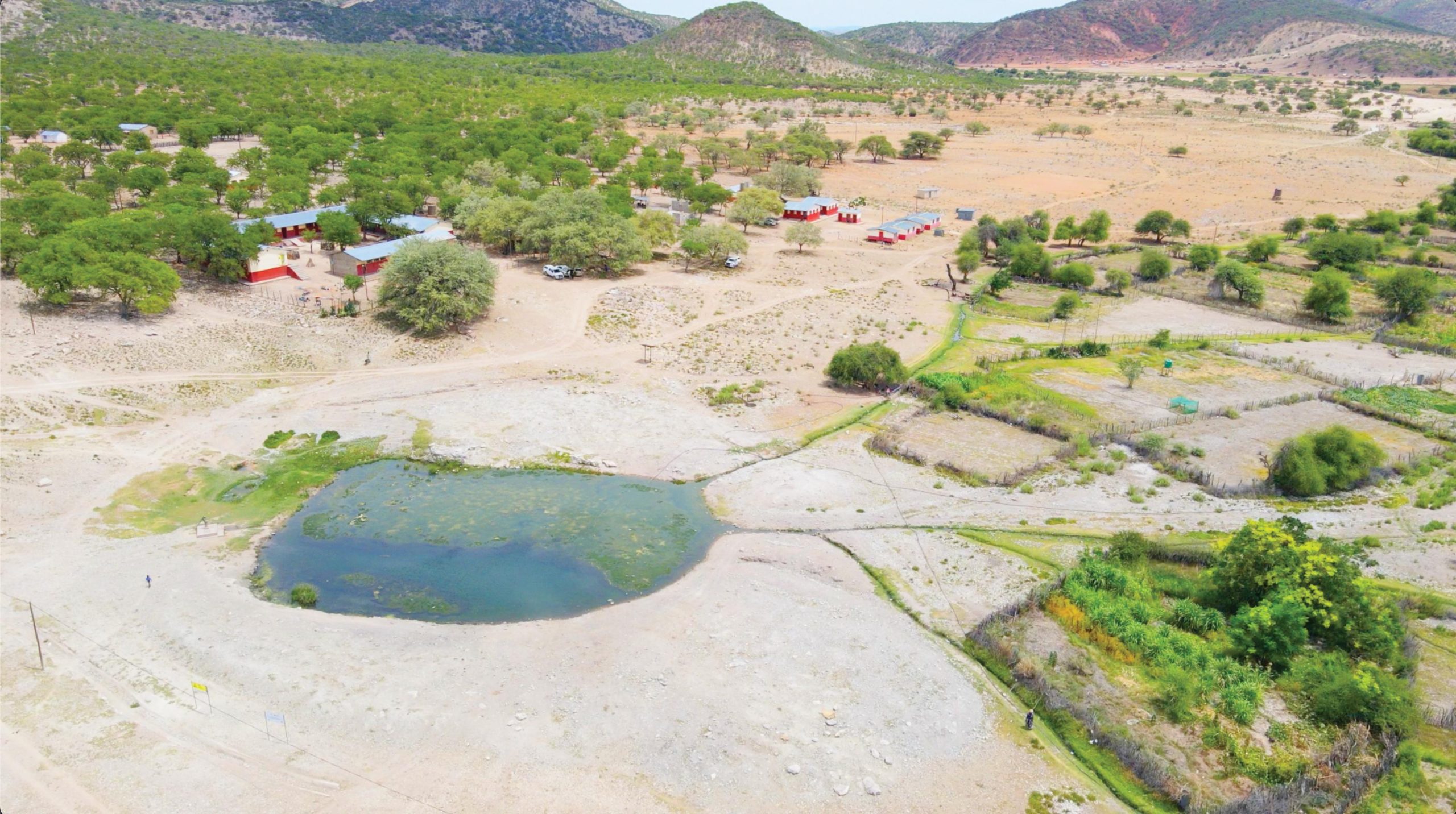
In Okorosave, within the broader Omaoipanga landscape, a NILALEG-supported waterhole has become a lifeline in an environment dominated by sand and scattered vegetation. From its edges, narrow manmade channels carry water into nearby community gardens. These gardens, built and maintained by residents, grow carrots, cabbages, red chillies, spices, sugar cane, watermelon, and other crops. The steady flow of water allows the gardens to remain productive even when their owners are away. Families use the produce to feed themselves and sell surplus for income. The waterhole also serves livestock and wildlife, reinforcing the connection between human livelihoods and the surrounding ecosystem.
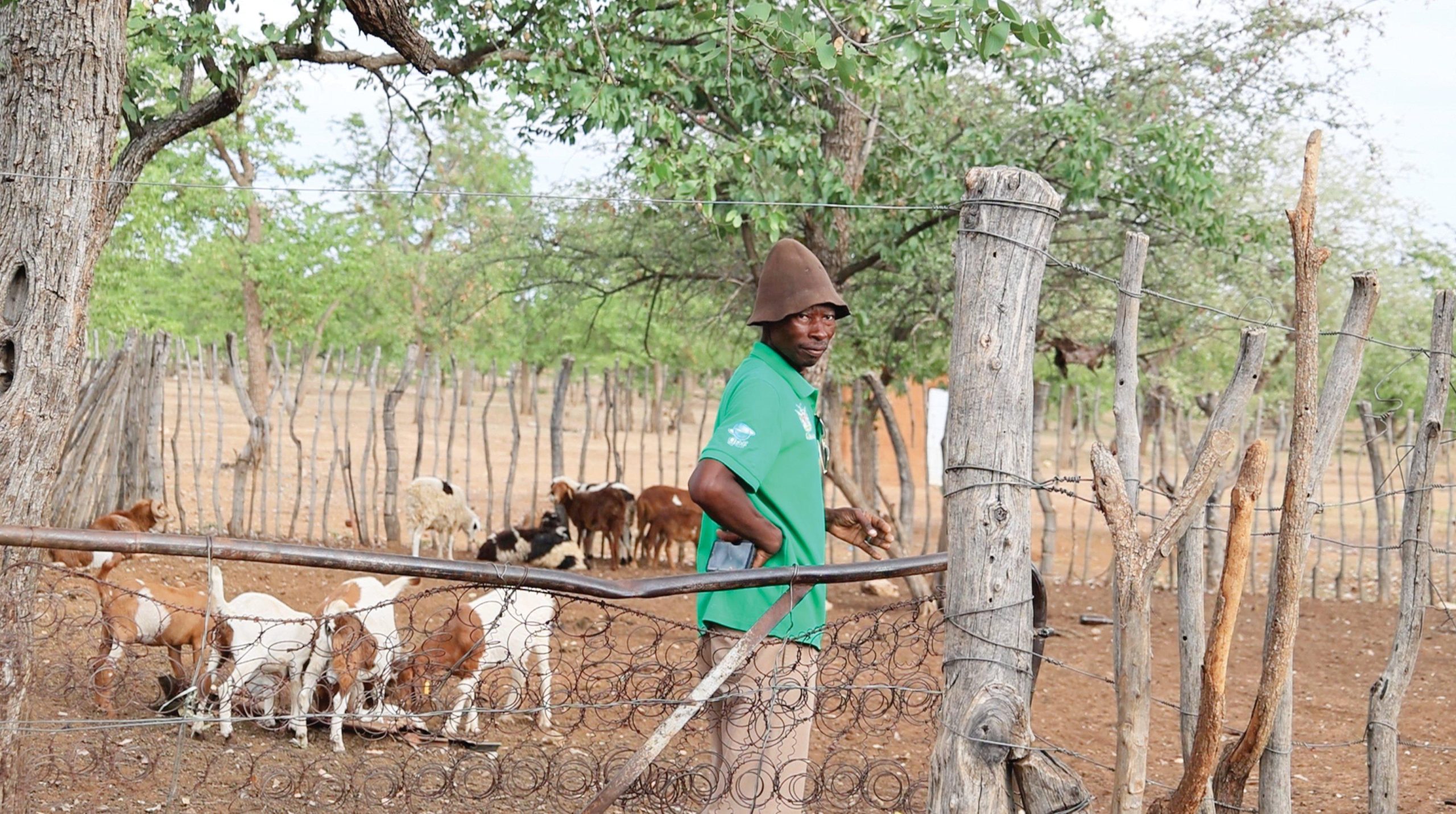
A few kilometres away in Okavare, livestock forms the backbone of survival. Brian Katundu became a beneficiary of NILALEG’s goat programme in 2024, receiving eleven goats. Although disease and harsh conditions claimed some of them, the remaining goats have significantly improved his quality of life. Erratic rainfall and poor grazing often force him to buy feed, and access to veterinary supplies remains a challenge, especially during breeding seasons. Despite this, the goats provide milk, food, and income. Brian no longer needs to buy milk, can support his children and parents, and carefully records his livestock, treating them as both responsibility and security.
Water access remains critical in Okorosave. The Okorosave borehole, supported by NILALEG, draws hundreds of goats and cattle each day. In an area with only two boreholes and largely dry riverbeds, these water points are essential. To address erosion and manage seasonal flooding, NILALEG installed gabions in the riverbeds. Gabions ― structures made from stone-filled wire cages ― slow water flow, prevent soil erosion, and encourage groundwater recharge. In Okavare, two gabions were built with stone, while others were constructed by community members using sticks from nearby trees, secured with wire provided by NILALEG. These structures have reshaped how water moves through the landscape. Areas once deeply eroded have stabilised, allowing water to flow in controlled paths rather than spreading destructively. When water levels rise, the gabions also create safer access routes for the community. By slowing runoff and retaining water, they contribute to long-term water conservation, a benefit the community deeply values.