

Energy sector emerges as cornerstone of Namibia’s industrialisation agenda

Namibia’s energy sector is increasingly being positioned as one of the country’s most strategic pillars for economic growth, industrialisation and long-term development. With growing international interest in green hydrogen, renewable energy and offshore oil and gas exploration, the sector is attracting billions of dollars in potential investment while raising expectations for employment creation, infrastructure development and improved energy security.

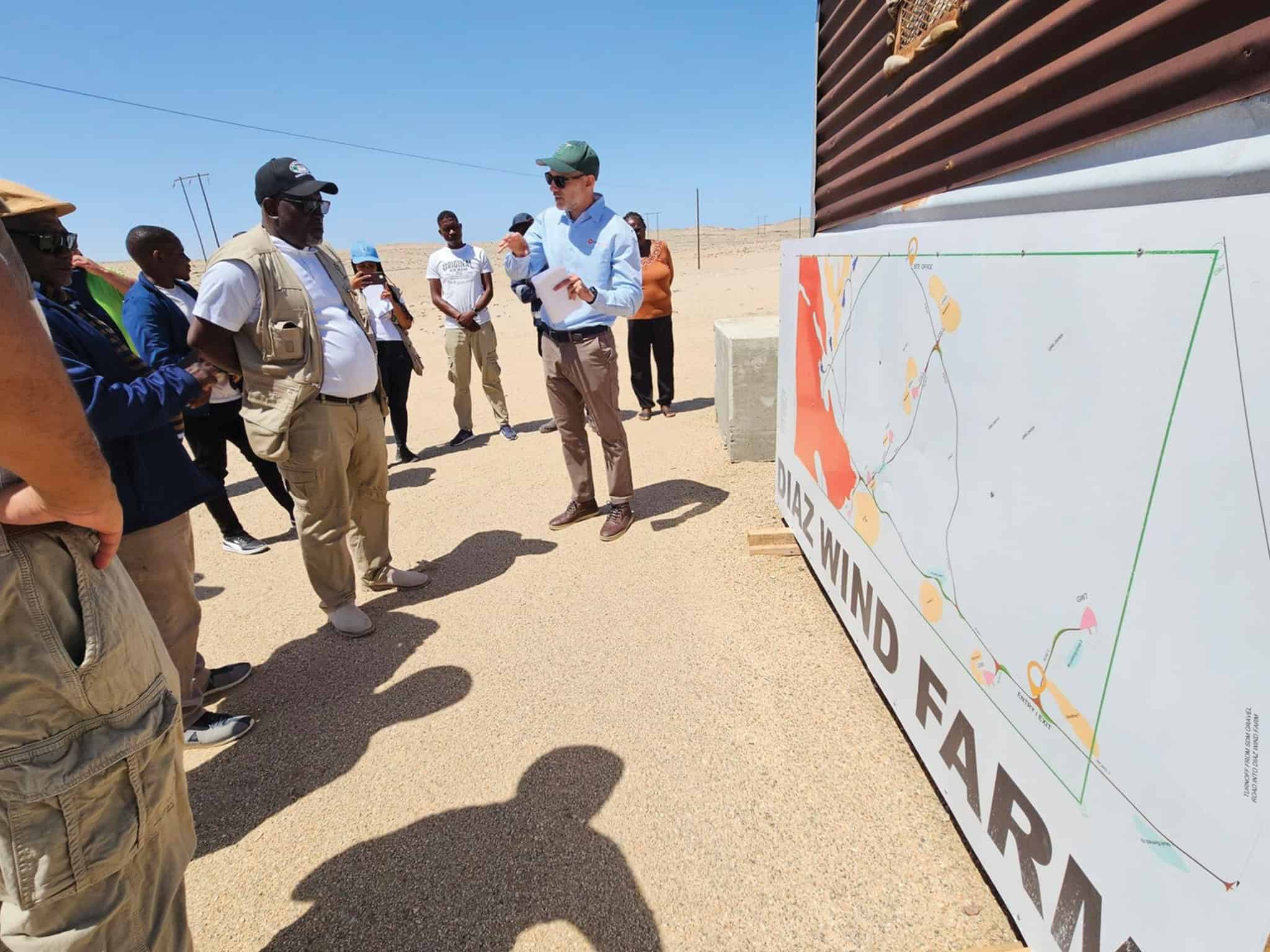
Recent developments in renewable energy generation, green hydrogen projects and hydrocarbon discoveries have created optimism that Namibia could transition from being an energy importer to becoming a regional energy hub. At the centre of this transformation is Namibia’s ambition to develop a green industrial economy. The country’s vast solar and wind resources provide ideal conditions for renewable energy generation and green hydrogen production. Oil and gas exploration has further intensified global interest in Namibia’s energy future. Major discoveries by international energy companies have raised hopes that commercial oil production could significantly contribute to government revenue, foreign direct investment and economic expansion.

One of the major anticipated benefits of the energy sector is job creation. Government and industry stakeholders believe the sector has the potential to create employment opportunities across various industries, with skills development and local content policies increasingly being emphasised to ensure that Namibians benefit directly from emerging opportunities.

The sector also aligns strongly with Namibia’s Sixth National Development Plan (NDP6), which places emphasis on industrialisation, economic diversification, infrastructure development, sustainability and employment creation. NDP6 identifies energy as a critical enabler of economic transformation and aims to improve energy security, increase local generation capacity and support inclusive growth through strategic investment.

Sector challenges

Despite the optimism surrounding the sector, several concerns and challenges remain. Environmental activists and some community groups have raised concerns over the ecological impact of oil and gas exploration, particularly on marine ecosystems and coastal biodiversity. Questions have also emerged regarding water usage for green hydrogen production in an already water-scarce country.

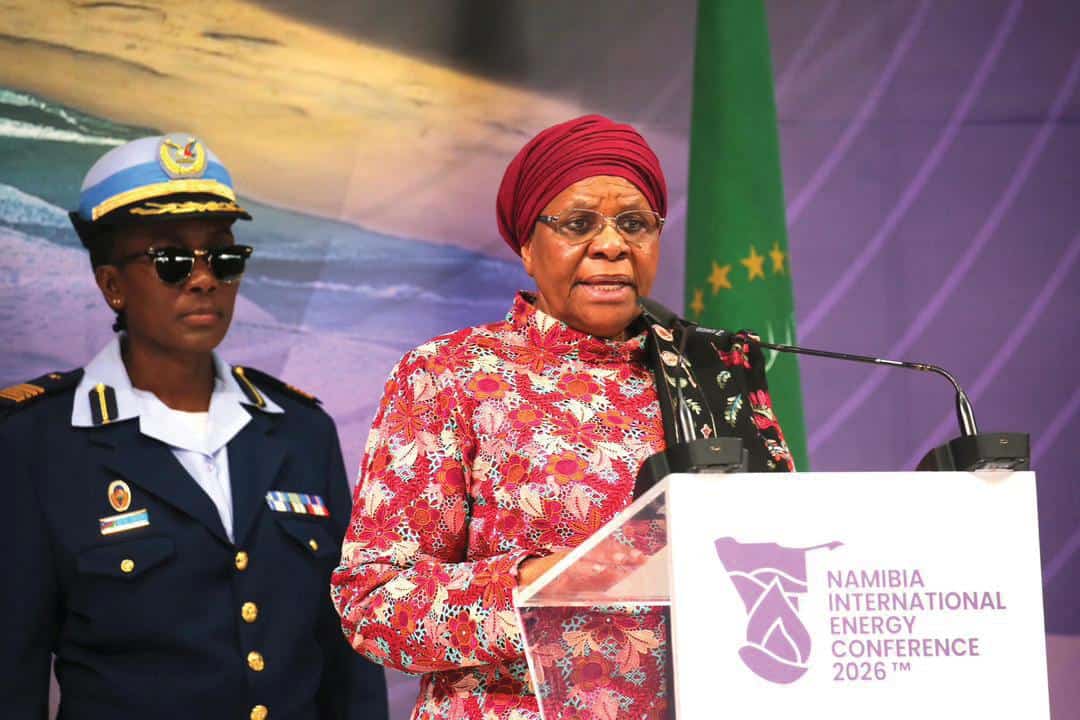
Another challenge is ensuring that economic benefits are distributed fairly among Namibians. Critics warn that without strong governance, transparency and local empowerment policies, the sector could deepen inequality or primarily benefit foreign investors and a limited number of local elites. There are also concerns about whether Namibia currently has sufficient technical skills and institutional capacity to fully maximise opportunities within the sector. “The Petroleum Exploration and Production Amendment Bill currently before Parliament represents a significant step in strengthening governance, enhancing transparency and providing regulatory clarity to investors, while safeguarding the national interest through the natural resources beneficiation agenda,” said President Netumbo Nandi-Ndaitwah as she addressed participants at this year’s 8th edition of Namibia’s International Energy Conference held under the theme “The Road to First Oil & Beyond: Partnership, Investment, Growth”.

The high-level conference focused on strengthening Namibia’s position as an emerging energy hub, with particular emphasis on oil and gas development, renewable energy expansion, infrastructure growth and local value creation. “Cabinet has approved, in principle, the Upstream Petroleum Local Content Policy following extensive consultations nationwide. This policy ensures that Namibians participate meaningfully in the sector through skills development, employment creation and enterprise growth,” the president noted.

This year’s edition came at a critical moment as Namibia advances toward its first oil ambitions, with discussions centred on investment opportunities, regulatory frameworks, human capital development and sustainable energy solutions.

Delegates engaged in panel discussions, technical sessions and networking forums aimed at unlocking partnerships and accelerating energy sector growth. Additionally, the gathering highlighted the role of youth participation, skills transfer and local enterprise development within the energy value chain.

Advancing Namibia’s industrialisation agenda

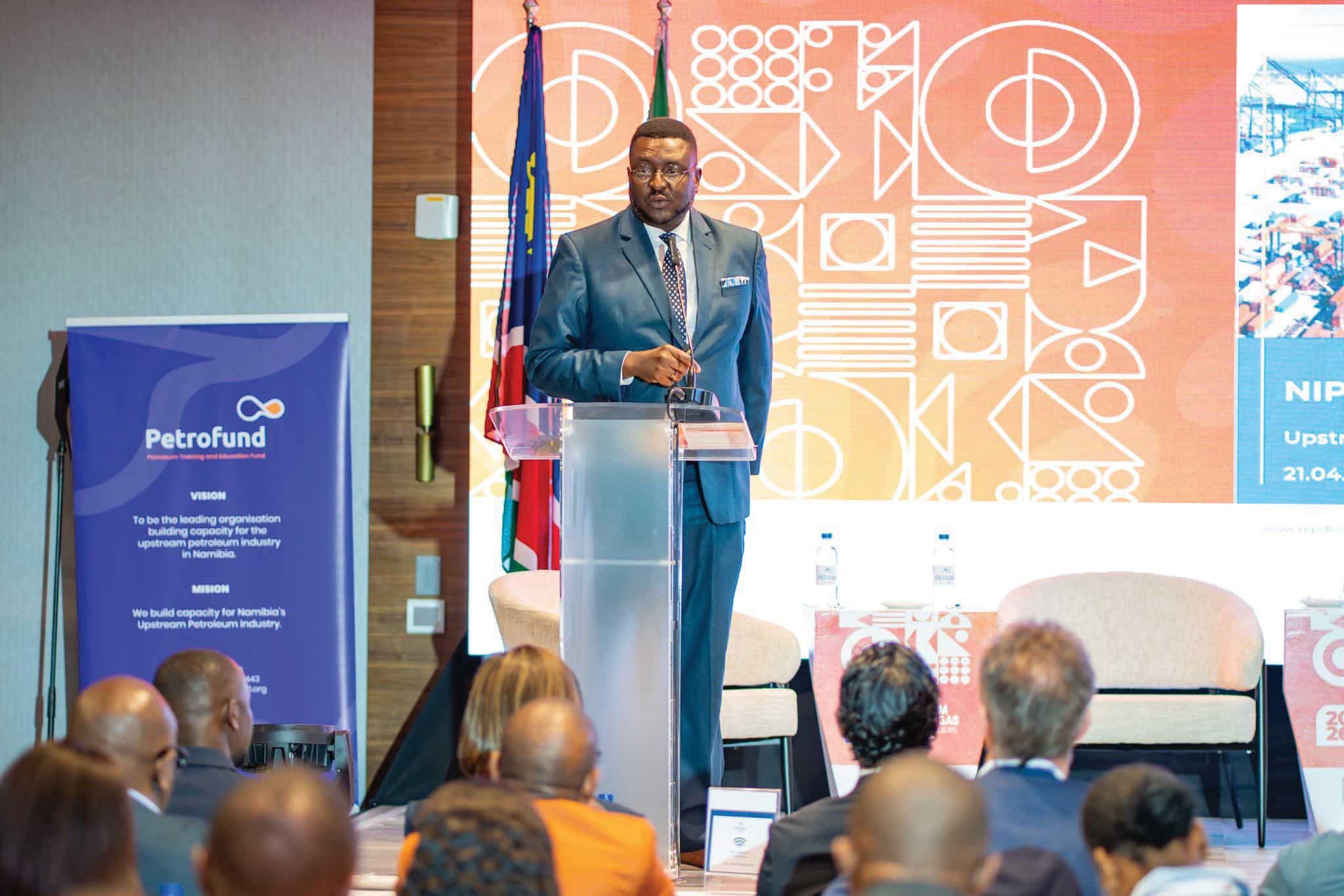
On the occasion of the Upstream Oil and Gas Local Suppliers’ Workshop hosted by Petrofund, Minister of Industries, Mines and Energy Modestus Amutse noted that, as Namibia progresses towards its first final investment decision (FID), this marks a critical milestone and brings the prospect of first oil closer to reality. “This trajectory places a collective responsibility on us to accelerate local capacity development,” he added.

Namibia’s energy and industrialisation agenda continues to gain regional and continental momentum, with the African Green Industries Summit 2026 set to take place in Swakopmund from 9 to 10 September 2026 under the theme “Powering African Industries for Sustainable Development”.

At the summit launch, Deputy Minister of Industries, Mines and Energy Gaudentia Kröhne noted the importance of the summit in advancing Namibia’s industrialisation agenda and supporting Africa’s transition towards a sustainable green economy. This, she said, builds on the success of previous platforms such as the Global African Hydrogen Summit, which contributed to positioning Namibia as a global player in green hydrogen development, while expanding its focus to broader green industrialisation priorities.

If strategically managed, Namibia’s energy sector has the potential to transform the national economy, create jobs, strengthen industrial capacity and position the country as a leading energy and green industrial player on the African continent.

Share:

More Posts

Sign up for our newsletter