Japan has reaffirmed its commitment to supporting Namibia’s agricultural sector and climate resilience through the launch of a new drought adaptation project valued at approximately N$48 million.
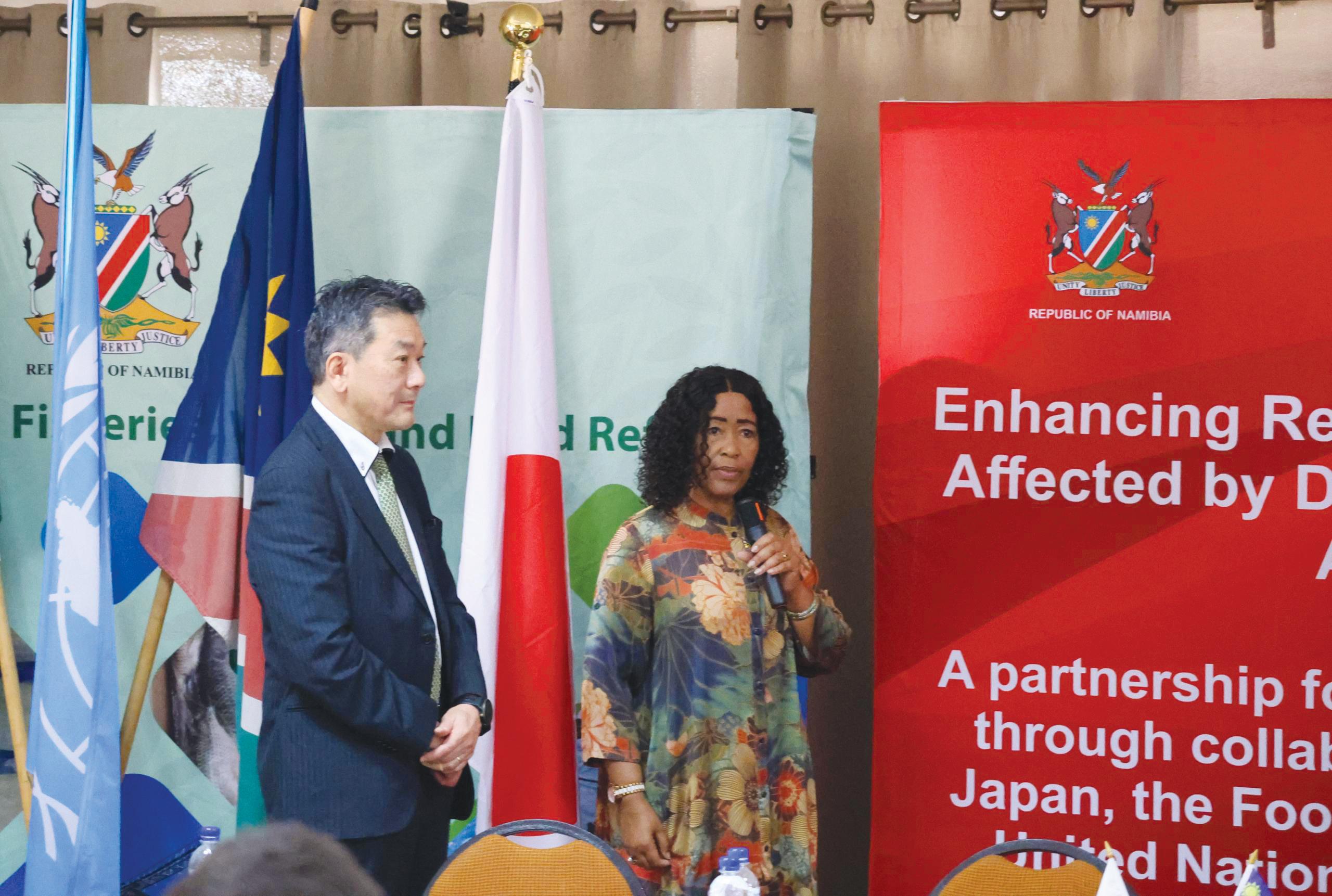
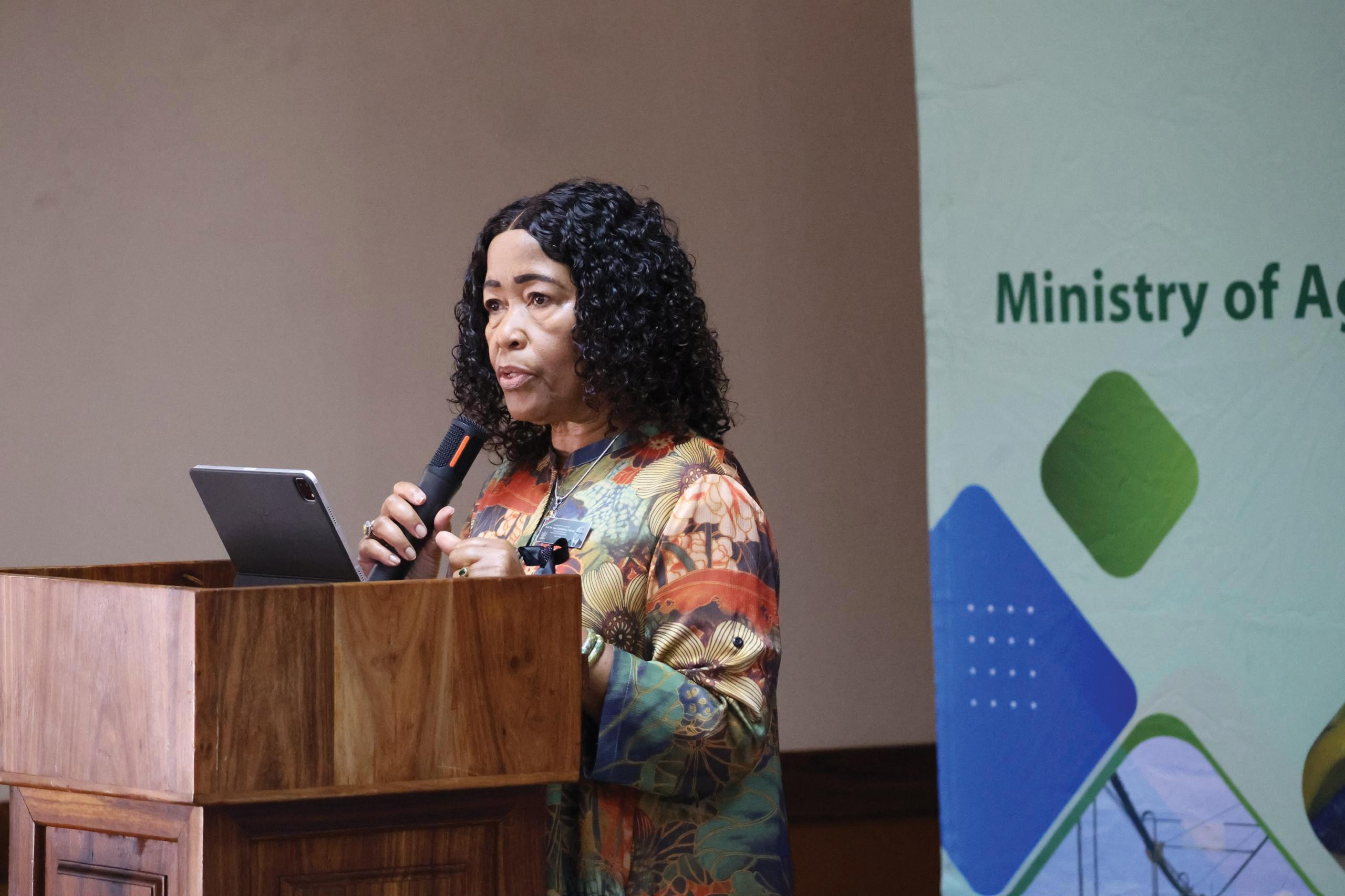
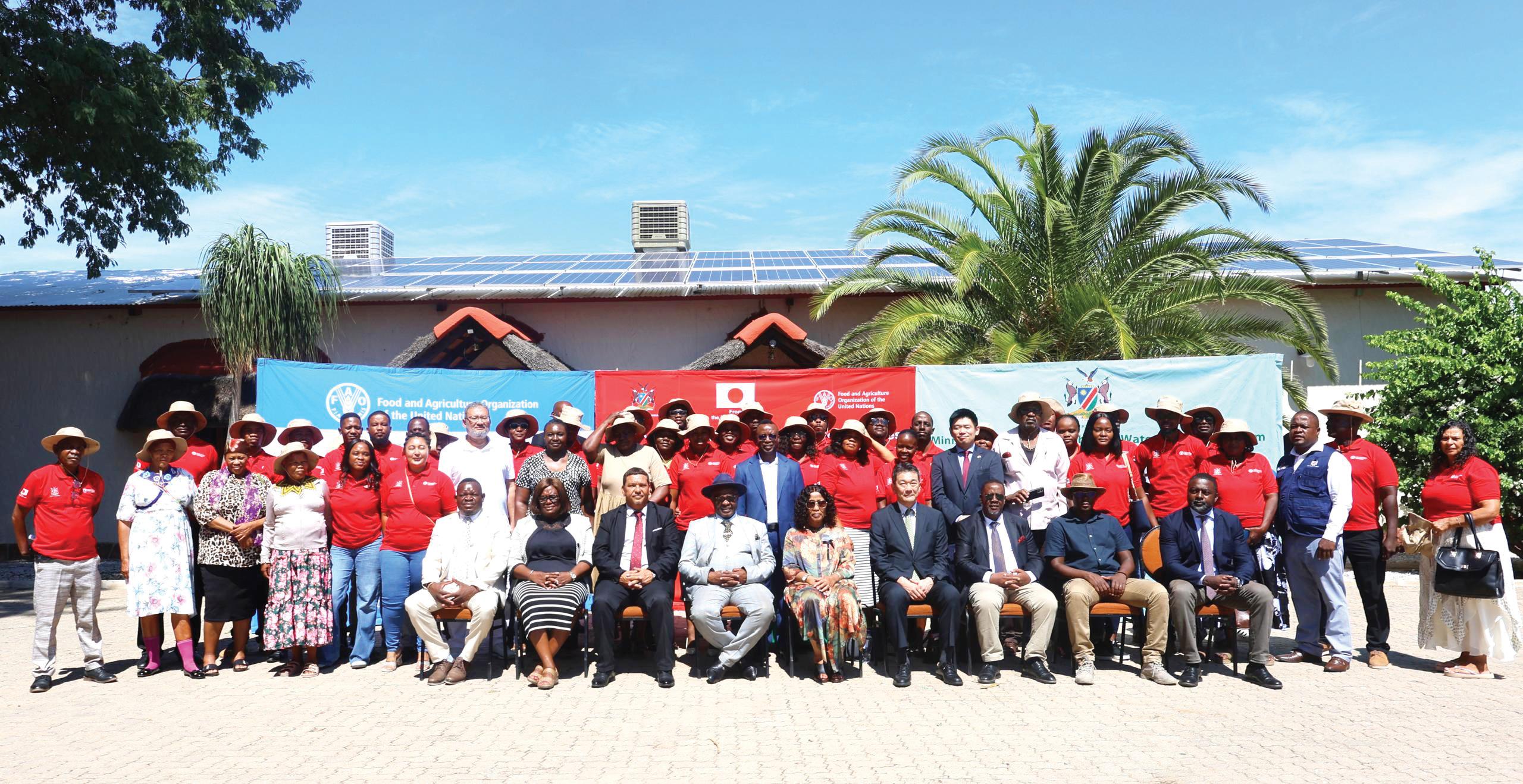
The launch took place in Otjiwarongo under the theme “Enhancing Resilience of Farming Communities Affected by Drought” and was attended by Minister of Agriculture, Fisheries, Water and Land Reform Inge Zaamwani-Kamwi, Japanese Ambassador to Namibia Shinichi Asazuma, regional governors, development partners, government officials and beneficiaries.
Speaking at the event, Zaamwani-Kamwi acknowledged the continued partnership between the Namibian government, the government of Japan and the Food and Agriculture Organisation (FAO), which has played a key role in supporting drought mitigation and food security initiatives in the country. She noted that Namibia continues to face serious challenges in the agricultural sector, including recurring droughts, climate variability and persistent food insecurity, which threaten rural livelihoods and economic stability.
Japan, in collaboration with the FAO, has invested more than N$2.9 million in Namibia since 2022 to support emergency responses, drought mitigation and climatesmart agricultural interventions. Zaamwani-Kamwi said that the support includes financial assistance, technology transfer, skills development and knowledge sharing aimed at empowering farmers and agricultural extension officers. The newly launched programme targets 6,000 women and youth-led households across the Erongo, Kunene, Omaheke, Otjozondjupa and Hardap regions, benefiting more than 24,000 individuals.
“By placing women and youth at the centre of this programme, we intend to empower agents of change who can drive transformation in their communities. Our goal is to enhance household food security, diversify livelihoods and stabilise incomes,” said Zaamwani-Kamwi.
Interventions under the programme include the provision of agricultural inputs, distribution of small livestock, and the introduction of climate-smart technologies suited to Namibia’s environment. These include solar-powered irrigation systems, hydroponics and shade-net farming structures designed to improve productivity and conserve water. The programme will also focus on capacity building, with plans to train 60 agricultural extension officers and 6,000 farmers in climate-smart agriculture practices.
In addition, the ministry is developing five regional drought action plans and strengthening food security information systems and early warning mechanisms to improve disaster preparedness and response. Ambassador Asazuma said the project aligns with President Netumbo Nandi-Ndaitwah’s prioritisation of agriculture as a key driver of socio-economic transformation, as well as Namibia’s Sixth National Development Plan (NDP6) and the outcomes of the 9th Tokyo International Conference on African Development. Asazuma expressed confidence that the project will strengthen the capacity of farmers and agricultural extension officers through training, agro-input distribution and climate-smart agricultural interventions.
He further highlighted the growing diplomatic and economic cooperation between Namibia and Japan, referencing a recent working visit to Japan by Namibia’s Minister of International Relations and Trade Selma Ashipala-Musavyi, which strengthened bilateral ties in trade, investment, infrastructure and industrial development.