In Namibia’s densely populated northern regions, livelihoods and landscapes are deeply intertwined. When land is overused or poorly managed, the consequences ripple outward, declining forest cover, loss of biodiversity, depleted soils, and growing poverty. Without integrated management of rural landscapes, communities like Okongo face increasing inequality and environmental degradation, threatening both present survival and future sustainability.
In Okongo, NILALEG is responding to this challenge by supporting systems that link environmental stewardship with sustainable livelihoods, ensuring that nature-based resources become sources of long-term resilience rather than depletion.
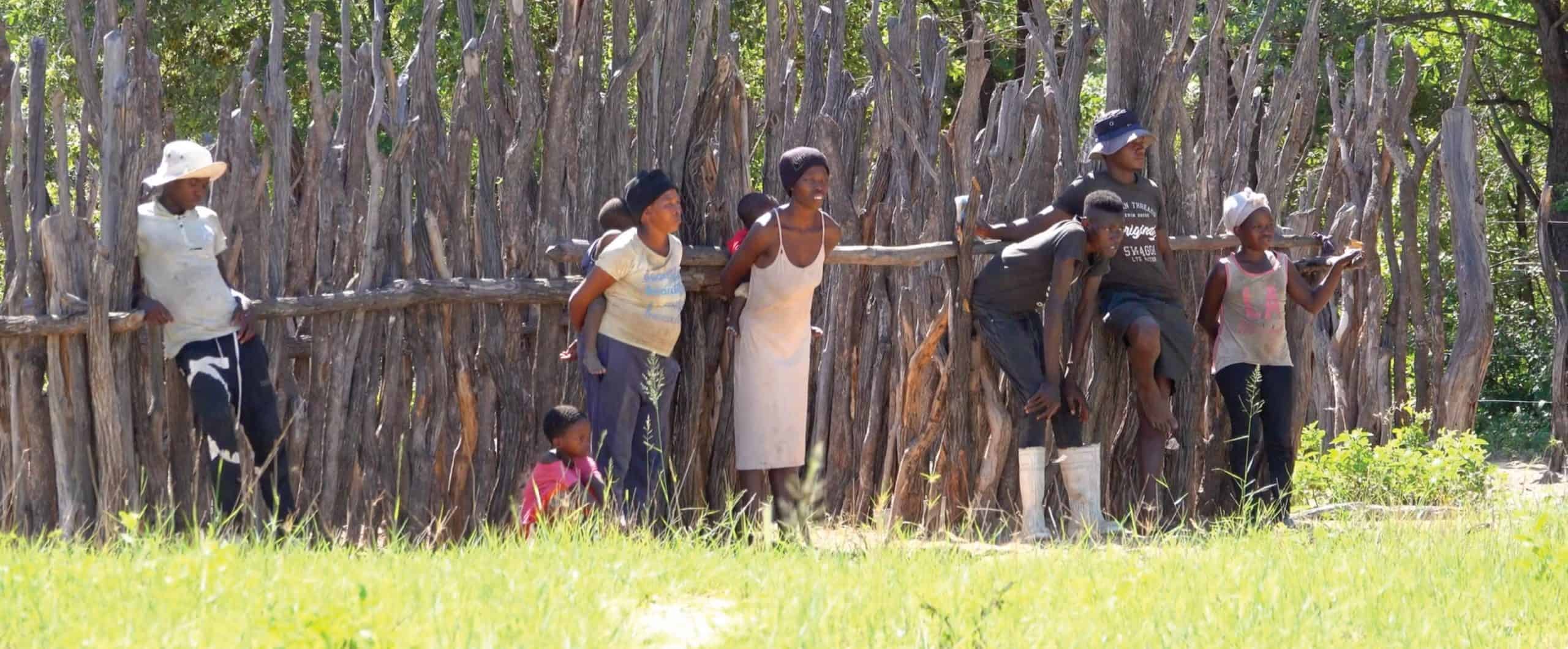
For Esther Hamukwaya, a San woman and beneficiary of NILALEG’s livestock programme, this support became a turning point. After receiving eleven goats from NILALEG, her household economy began to change. The goats provide meat for her family, income through sales, and animal compost used to enrich her fields where she grows mahangu and other crops. What began as a livestock intervention has evolved into a regenerative cycle, livestock supporting agriculture, agriculture strengthening food security, and both reducing vulnerability to poverty.
In the nearby village of Omauni, NILALEG’s investment is visible in timber, tools, and opportunity. The Omauni Wood Carving Carpentry Workshop, established in 2015, originally operated without electricity or machinery. In 2023, NILALEG equipped the workshop with electricity and wood-cutting and carving machines, transforming it into a fully functioning production space. Now managed by Penehambeko “Penny” Johannes, the workshop produces bedframes, cupboards, chairs, headboards, and custom wooden furniture, primarily using high-quality birdplum wood.
Beyond production, the workshop serves as a centre for skills transfer and employment. Young people from the community are trained in carpentry, many arriving with no prior experience. One of them is Robert Leonard, a young San man who, through mentorship and hands-on training, can now independently operate machinery. For many of the young men who pass through the workshop, these skills provide a pathway to income, stability, and the ability to support their families.
Forest use is guided by ethical and sustainable practices. Selective harvesting and forest thinning promote healthier tree growth, reduce wildfire risk, encourage biodiversity, and contribute to the restoration of native ecosystems. Community members are included throughout the process, including during tree sourcing, where participation is compensated, ensuring economic benefit extends beyond the workshop itself.
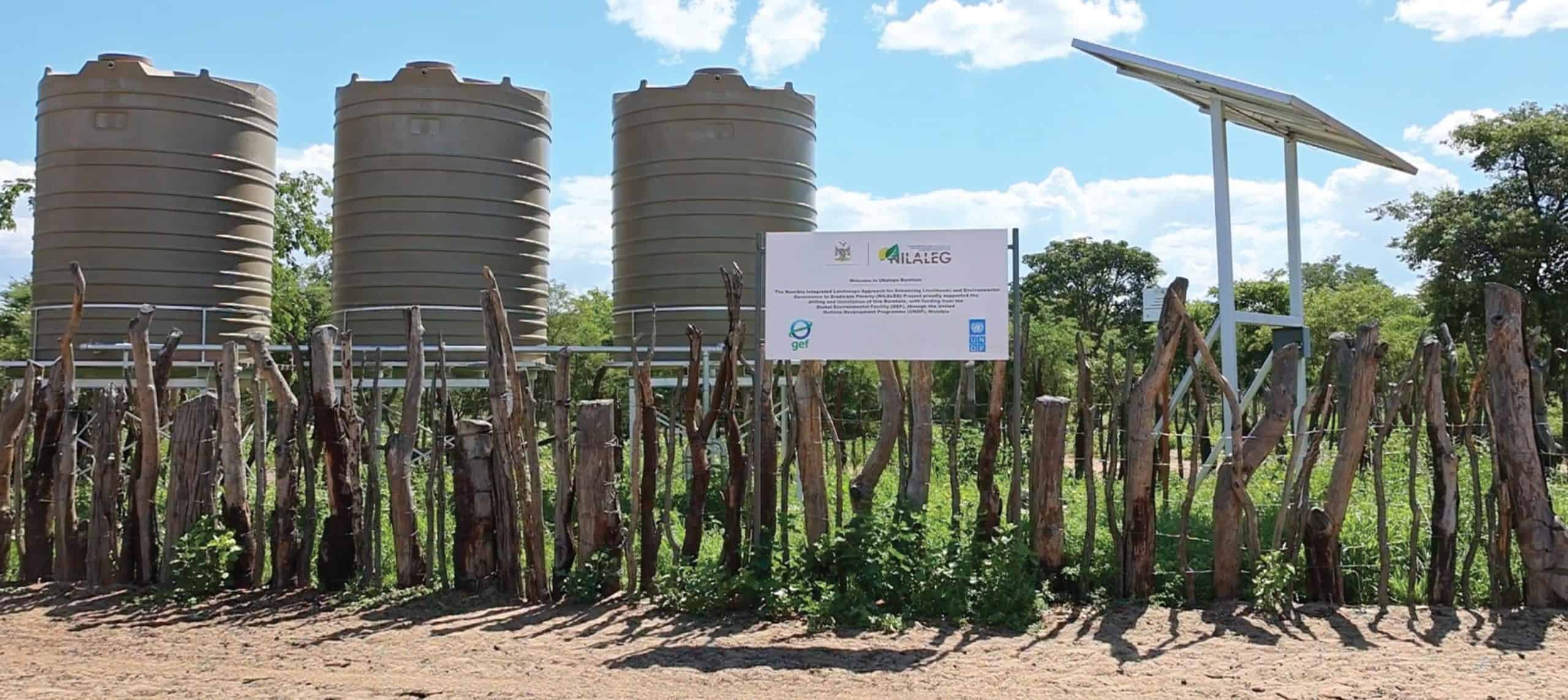
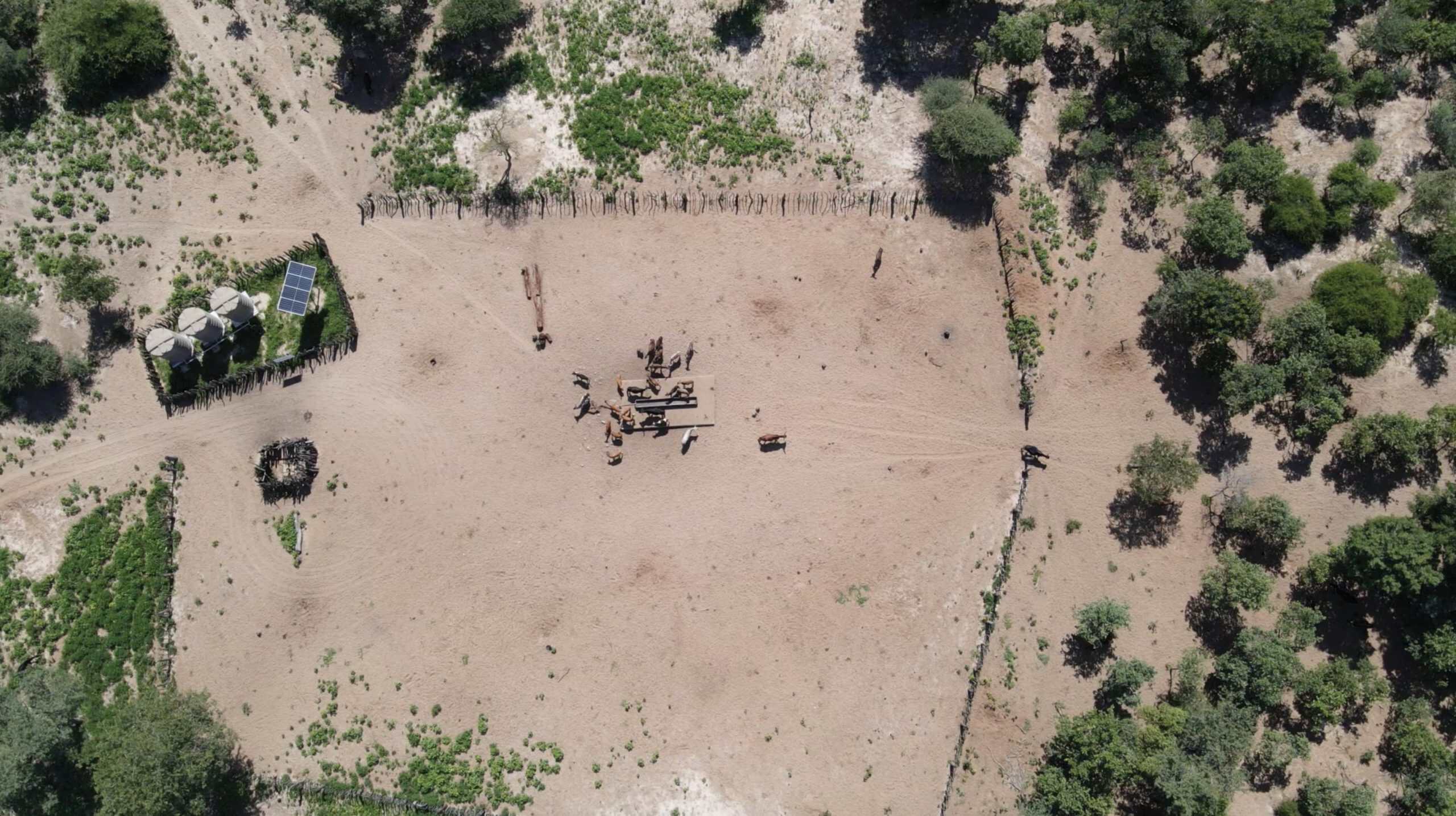
NILALEG’s work in Okongo also addresses critical infrastructure needs. Across the area, the project has constructed seven boreholes, providing reliable water sources for domestic animals in a region often affected by dry conditions. These boreholes support livestock health, reduce pressure on natural water sources, and strengthen rural livelihoods.
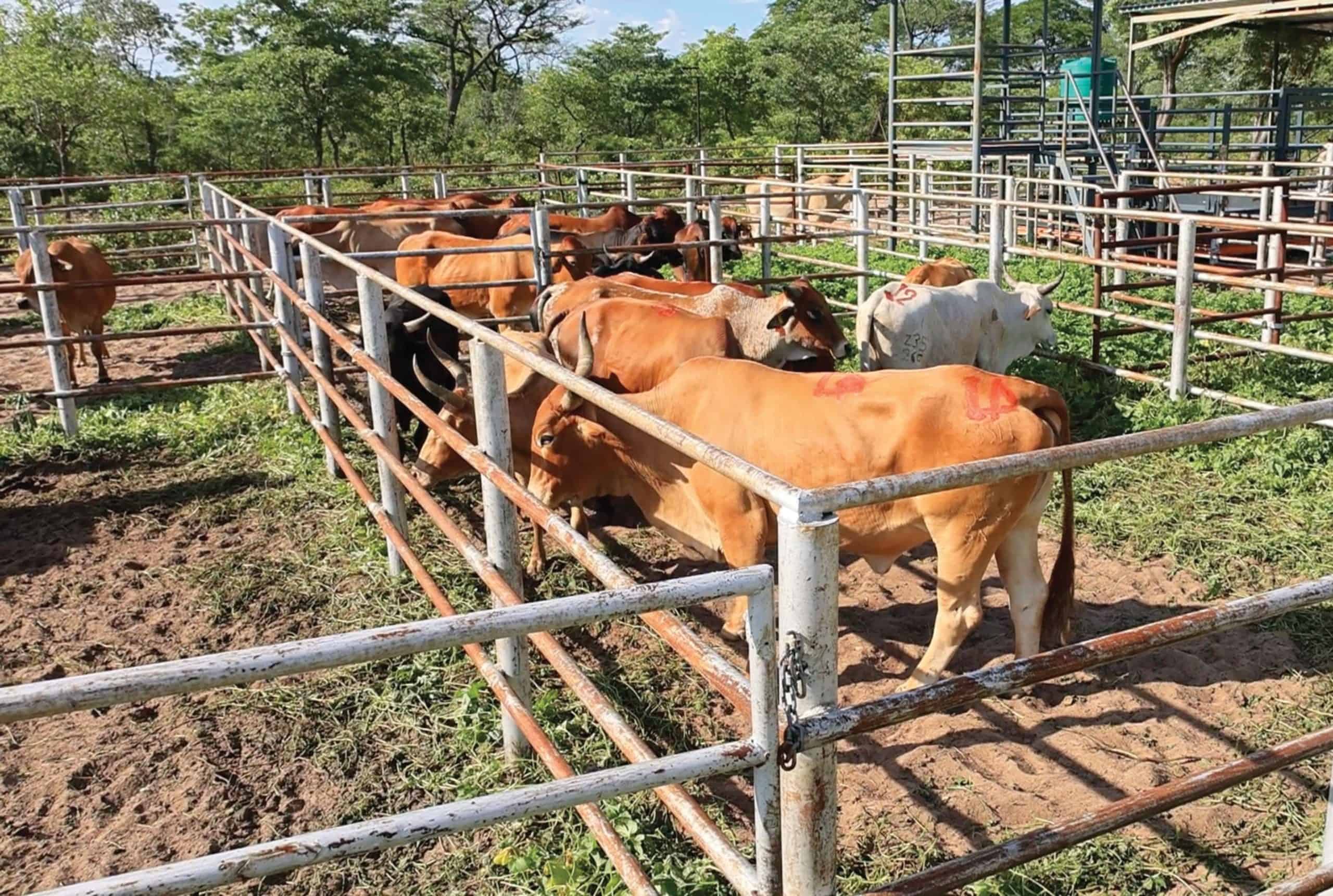
At Ndevahoma, NILALEG transformed what was once a community kraal into a functioning livestock auction hall. The monthly auctions allow farmers from Okongo and surrounding areas to sell cattle at fair market value, generating income and strengthening the local livestock economy. The auction hall also creates employment for young men who manage the facility and care for the animals, earning wages that support daily needs. During auction days, local vendors sell traditional food and drinks, further expanding economic activity within the community.
Together, these initiatives reflect NILALEG’s integrated approach to landscape management—one that recognises the interdependence of people, land, and livelihoods. By aligning environmental restoration with economic opportunity, NILALEG’s work in Okongo contributes to reducing poverty, protecting biodiversity, and building inclusive, sustainable growth rooted in nature.