Lighting up the ordinary with technicolour
Discover how Windhoek residents Kat Stahl and Wynand Lens are transforming neglected bus stops into vibrant public artworks, inspiring community pride, creativity and positive urban
By Cerina Bezuidenhout Haasbroek
“Your gut isn’t just where food is digested. It’s where your body processes stress, stores intuition and decides how much energy you get to carry through the day.”
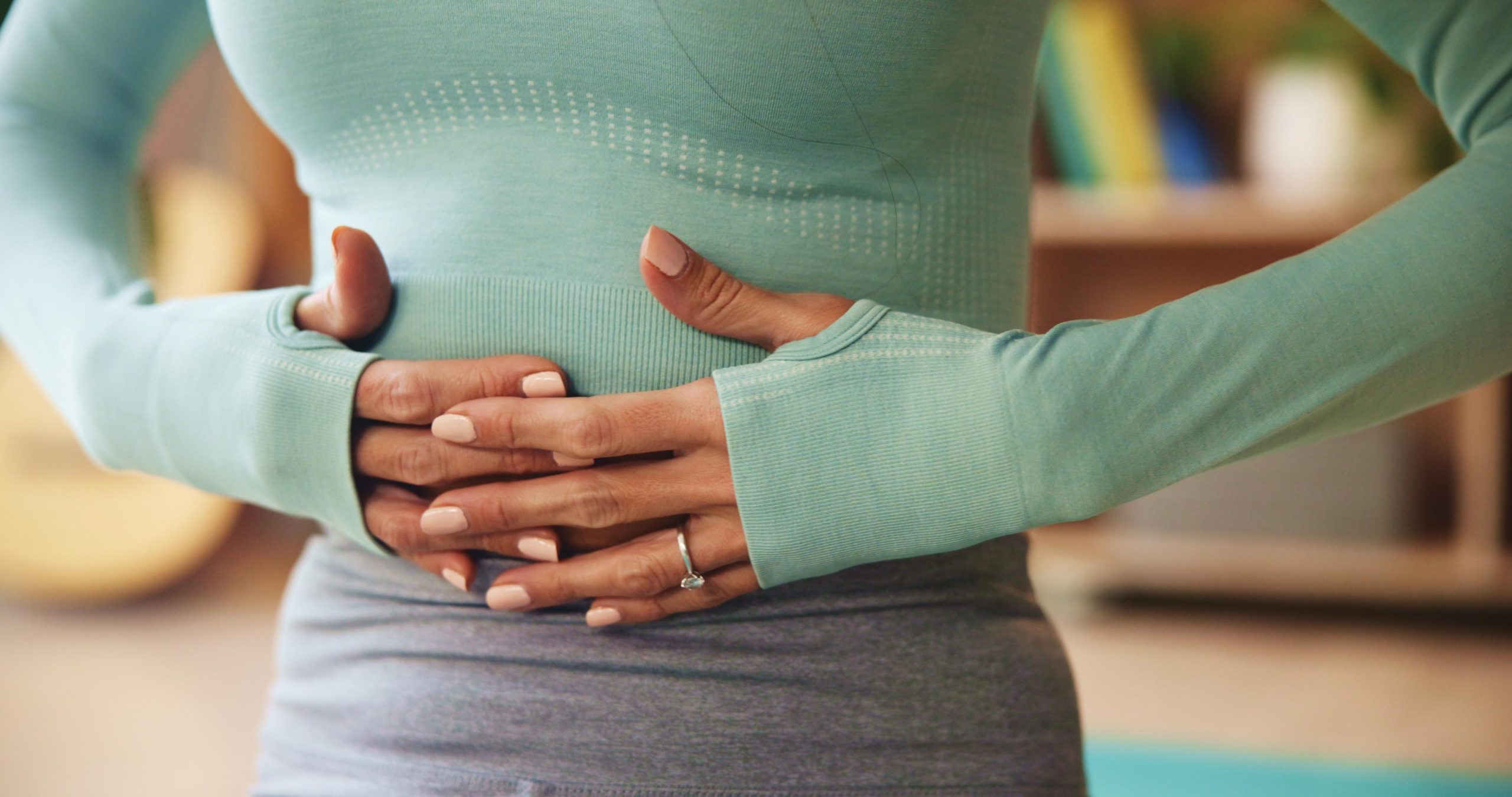
Have you ever had a “gut feeling” that something was off – even when you could not explain why? That old saying carries more wisdom than we thought. Modern science now confirms what traditional cultures have long known: your gut is the control centre of your health. In fact, many symptoms we try to fix with caffeine or painkillers – like fatigue, mood swings, brain fog, bloating or inflammation – often begin in the gut.
It is your entire digestive system – a long, intelligent tube from your mouth to your colon. It breaks down what you consume and absorbs nutrients to fuel your muscles, brain, hormones and all your body systems. As the saying goes, “You are what you eat,” because your energy depends on the quality of what you feed yourself.
But the gut is not just about digestion. Within your intestines lives your gut microbiome – trillions of bacteria, fungi and microorganisms. This ecosystem is shaped by your diet, lifestyle and environment, and no two people have the same one. That means your path to health is deeply personal.
When in balance, your microbiome supports immunity, energy, metabolism and mental clarity. But if disrupted by stress, processed food, antibiotics or poor sleep, it can lead to inflammation, fatigue, brain fog and even autoimmune conditions.
Your gut and brain are constantly talking via the gut-brain axis – a communication system of nerves and hormones. Over 90% of your body’s serotonin (the “feel-good” hormone) is made in your gut, not your brain.
When your gut is inflamed, it can impact your mood, focus and sleep. And when you are stressed, your gut tightens, slowing digestion and immunity. It is a two-way street – your gut affects your mental health and vice versa.
Ever heard of these two? Know the difference? Probiotics are beneficial bacteria which help repopulate and diversify your microbiome. They are found in fermented foods like yogurt, sauerkraut and maas. Prebiotics are fibres that feed those bacteria and can be found in onions, garlic, leeks, oats and bananas.
Your gut sends signals every day, whether through bloating, fatigue or mood shifts. You do not need to be too hard on yourself – small shifts create lasting change. One nourishing meal, one calm breath, one mindful walk is enough to begin. Next time you have a gut feeling? Lean in. Your body might be telling you exactly what it needs.
This article is for informational purposes only and is not intended to replace professional medical advice. Always consult a qualified health provider before making changes to your health routine.
Living Well is a monthly wellness column exploring functional health, natural rituals and conscious living in Namibia. Follow @cerinabzd on Instagram for tips, workshops and holistic health guidance.

Discover how Windhoek residents Kat Stahl and Wynand Lens are transforming neglected bus stops into vibrant public artworks, inspiring community pride, creativity and positive urban

Discover how to spend 24 hours in Windhoek with this curated guide featuring scenic hiking trails, local culture, traditional Namibian cuisine, rooftop dining and the

Namibia’s 2026 State of the Nation Address highlights economic growth, infrastructure development, governance reforms, energy investments and job creation as the government advances Vision 2030

Namibia is advancing its sustainable finance agenda as RMB Namibia and the Bank of Namibia lead efforts to unlock climate finance, attract investment, and support