Where Cultures Meet

Inside the Franco-Namibian Cultural Centre

"Ultimately, the FNCC stands as a testament to the power of culture in bridging nations and shaping identities"

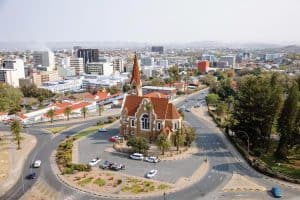
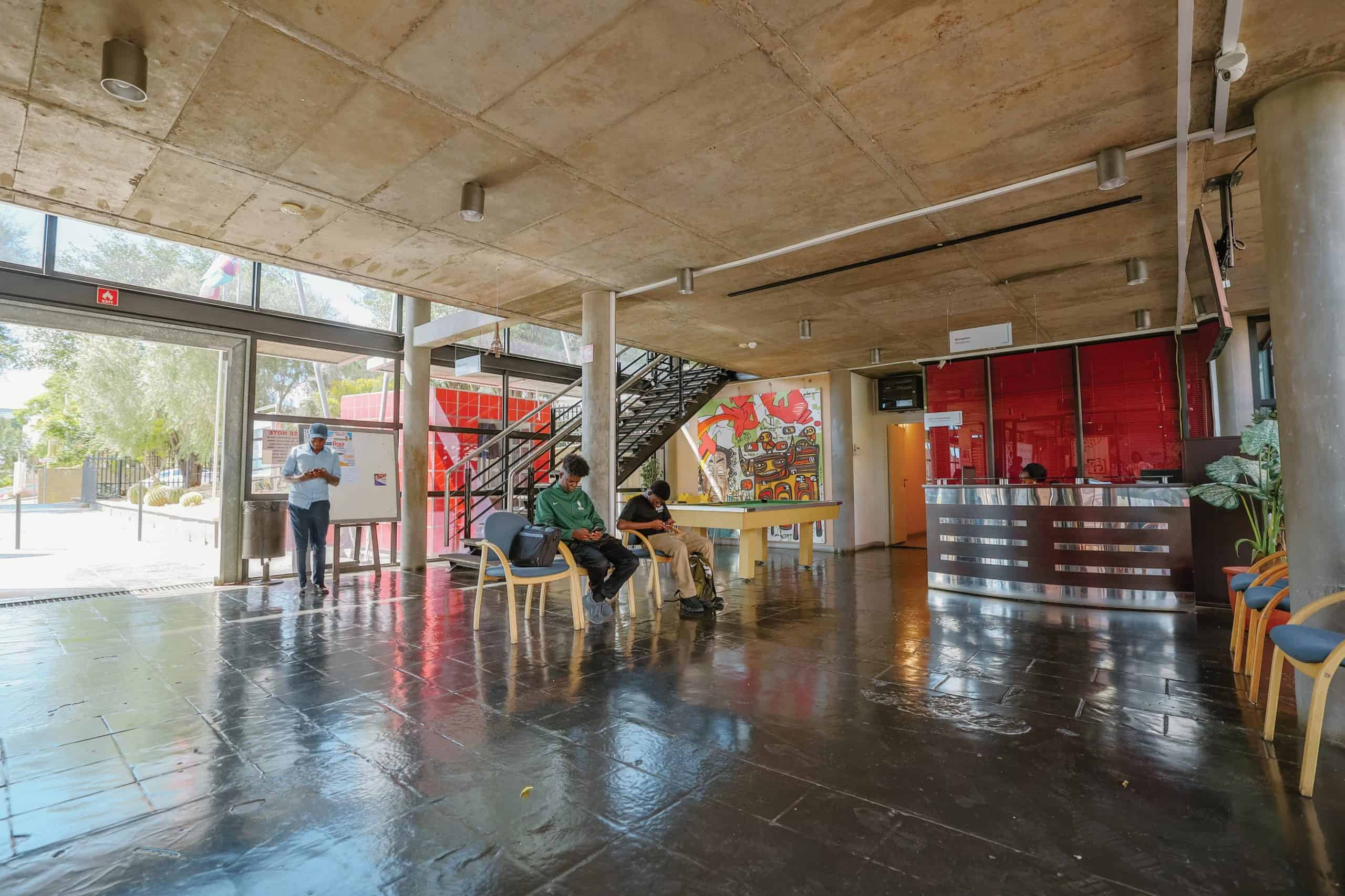
In the heart of Windhoek lies a vibrant space where culture, language and creativity intersect. The Franco-Namibian Cultural Centre (FNCC) is more than just a cultural institution – it is a living, evolving hub where artistic expression thrives and international connections are made. Established in 1991, shortly after Namibia gained independence, the FNCC was created through a joint effort between Namibia and France. As part of the global cultural and linguistic cooperation network of France abroad, its mission has always been to strengthen ties in the fields of education, culture and arts as well as to promote mutual understanding between the two nations. In July, the binational centre will celebrate 35 years of fostering dialogue, creativity and collaboration.

The FNCC has not only grown in influence but also in physical presence. Originally located in what is now known as the Muslim Centre, the decision to construct its current premises on Robert Mugabe Avenue was made by Namibia’s founding president Sam Nujoma in partnership with former French president Jacques Chirac. The building, inaugurated in 2000, stands today as a symbol of enduring cultural diplomacy.

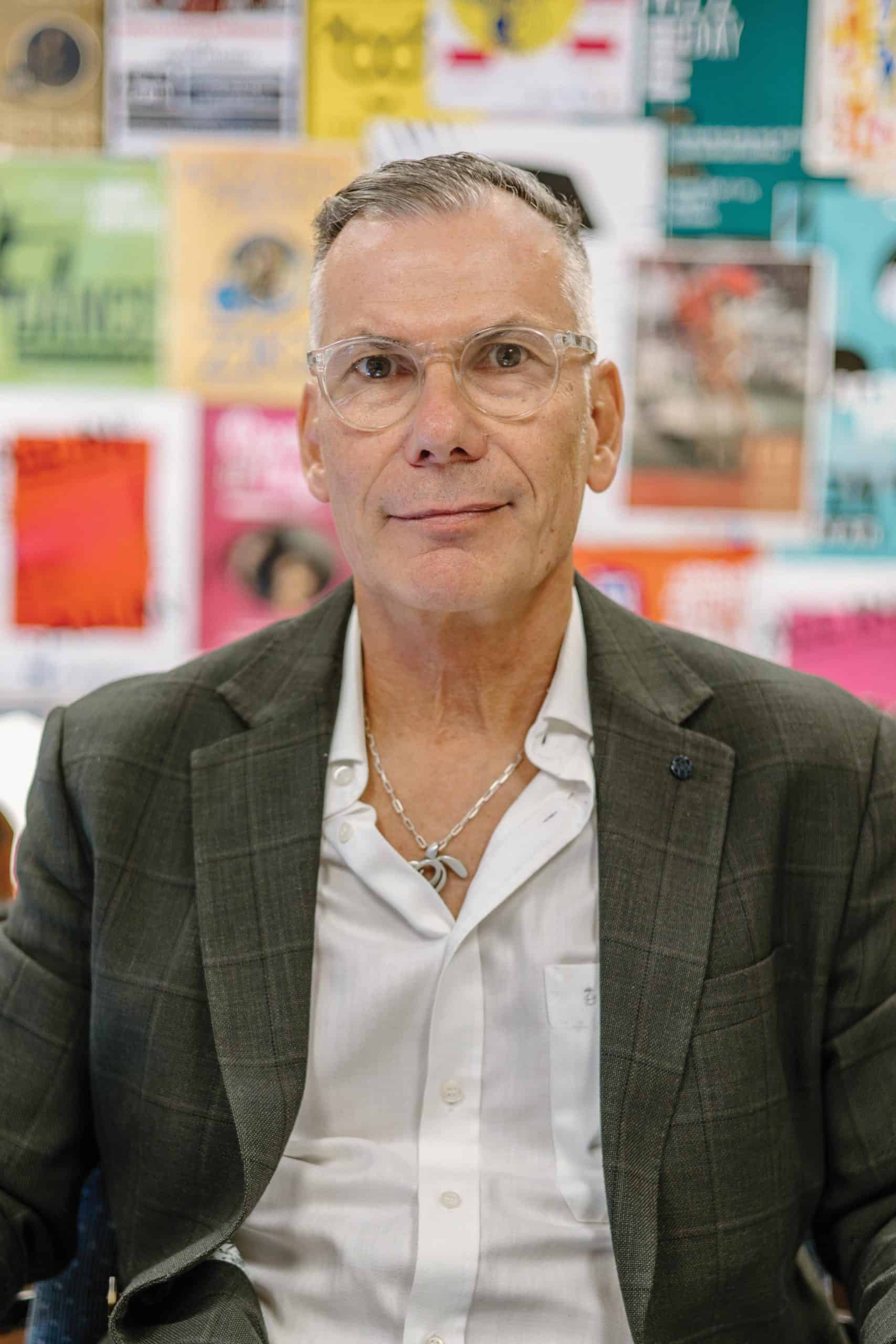
At the heart of the FNCC’s continued success is its people and the leadership that supports them. Led by Director Martin Beyer, who assumed the role in September 2025, the centre operates on a philosophy of trust, collaboration and collective responsibility. Describing his approach as “laissez-faire”, Beyer emphasises that he does not like to interfere unnecessarily in his team’s work. He rather puts his efforts into helping staff members to understand the centre’s vision and mission. His focus is on creating an environment where creativity can flourish and personal responsibility will lead to mental co-ownership. “I want to create a ground where people feel comfortable and secure working at FNCC. The pleasure of the public must start with the motivation of staff members to take charge of their work,” he explains. Reflecting his humility, he adds, “I do not really want to be important as director; what is more important is that the centre works well as a collective enterprise with multiple connections thanks to its staff.”

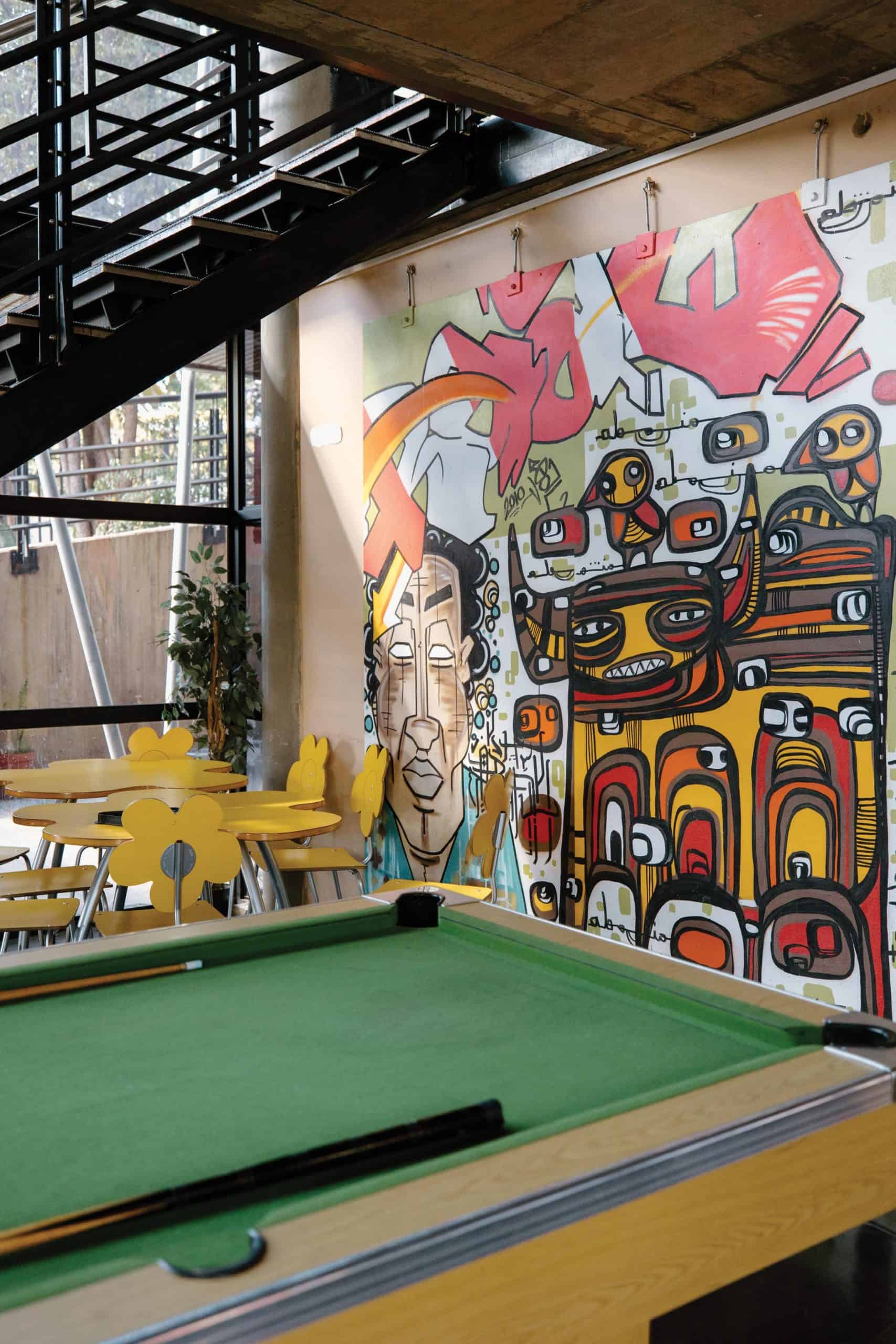
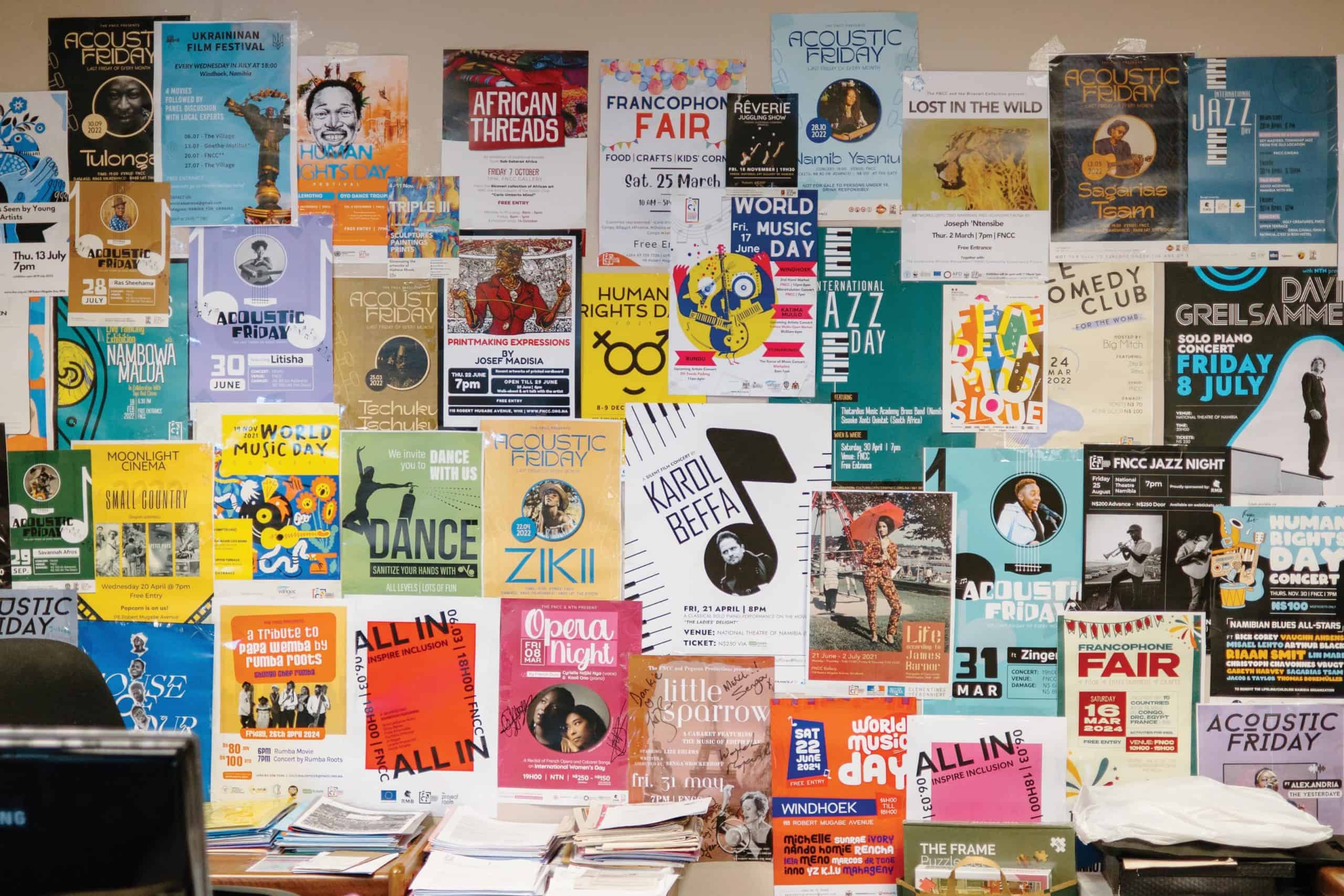
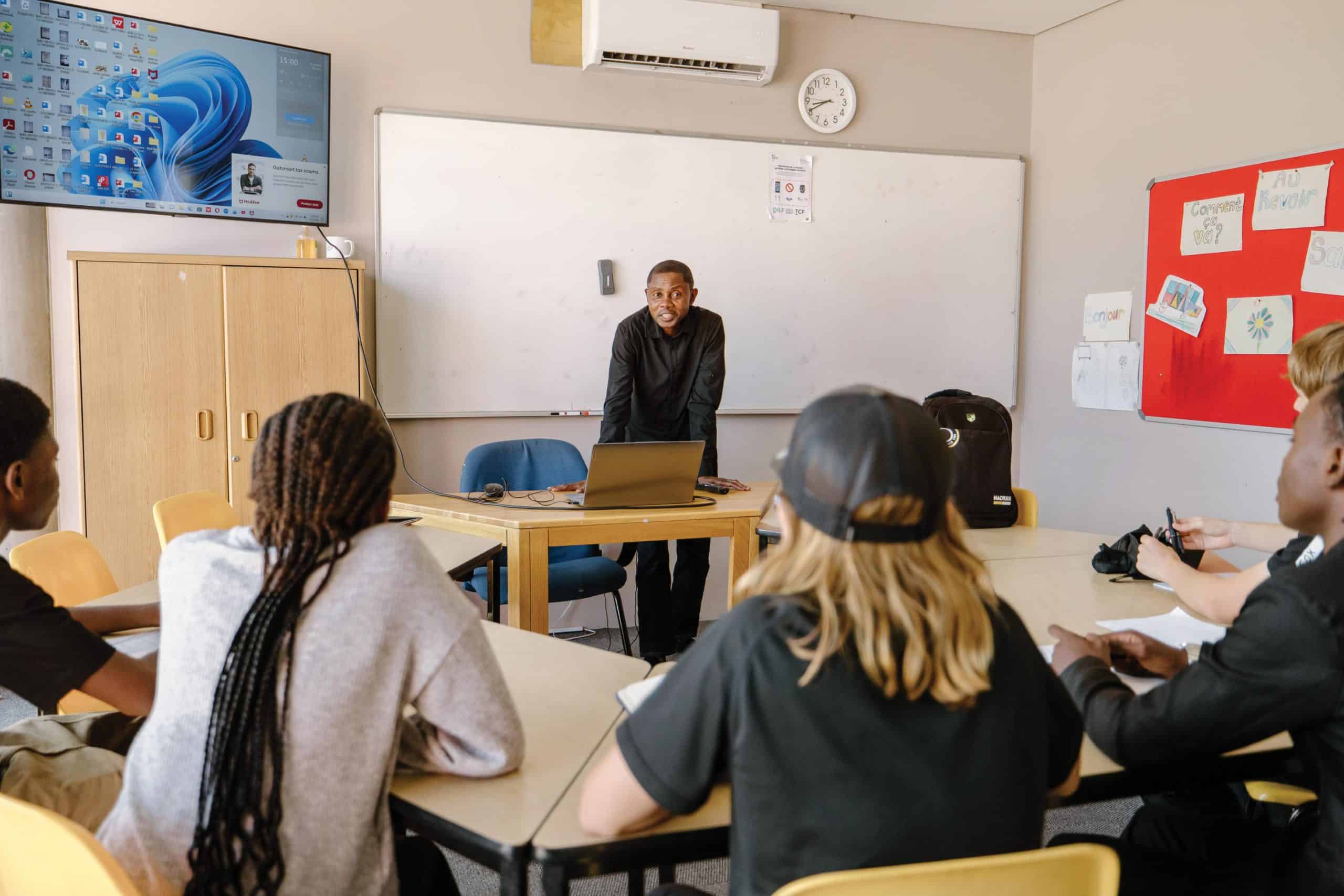
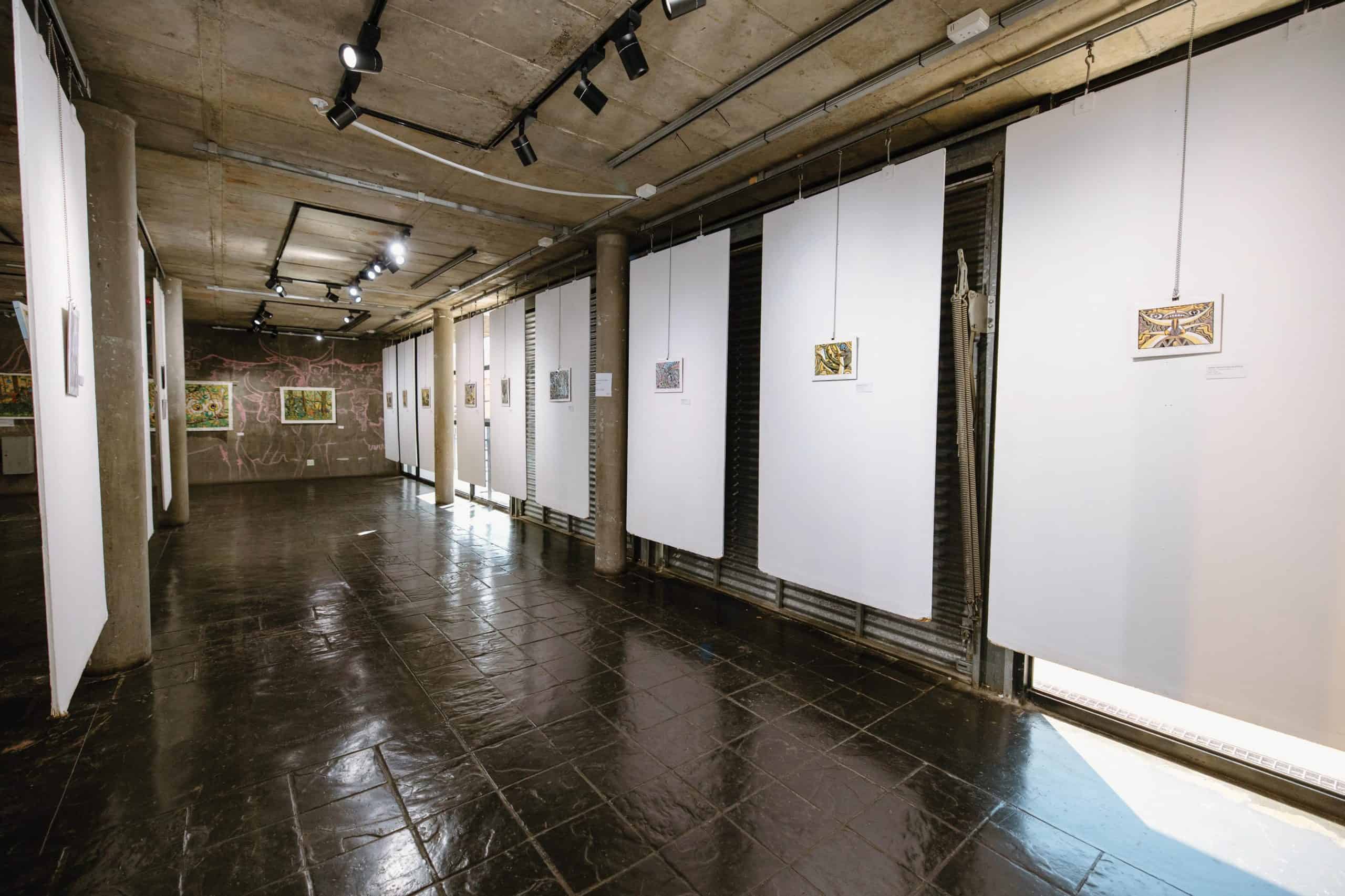
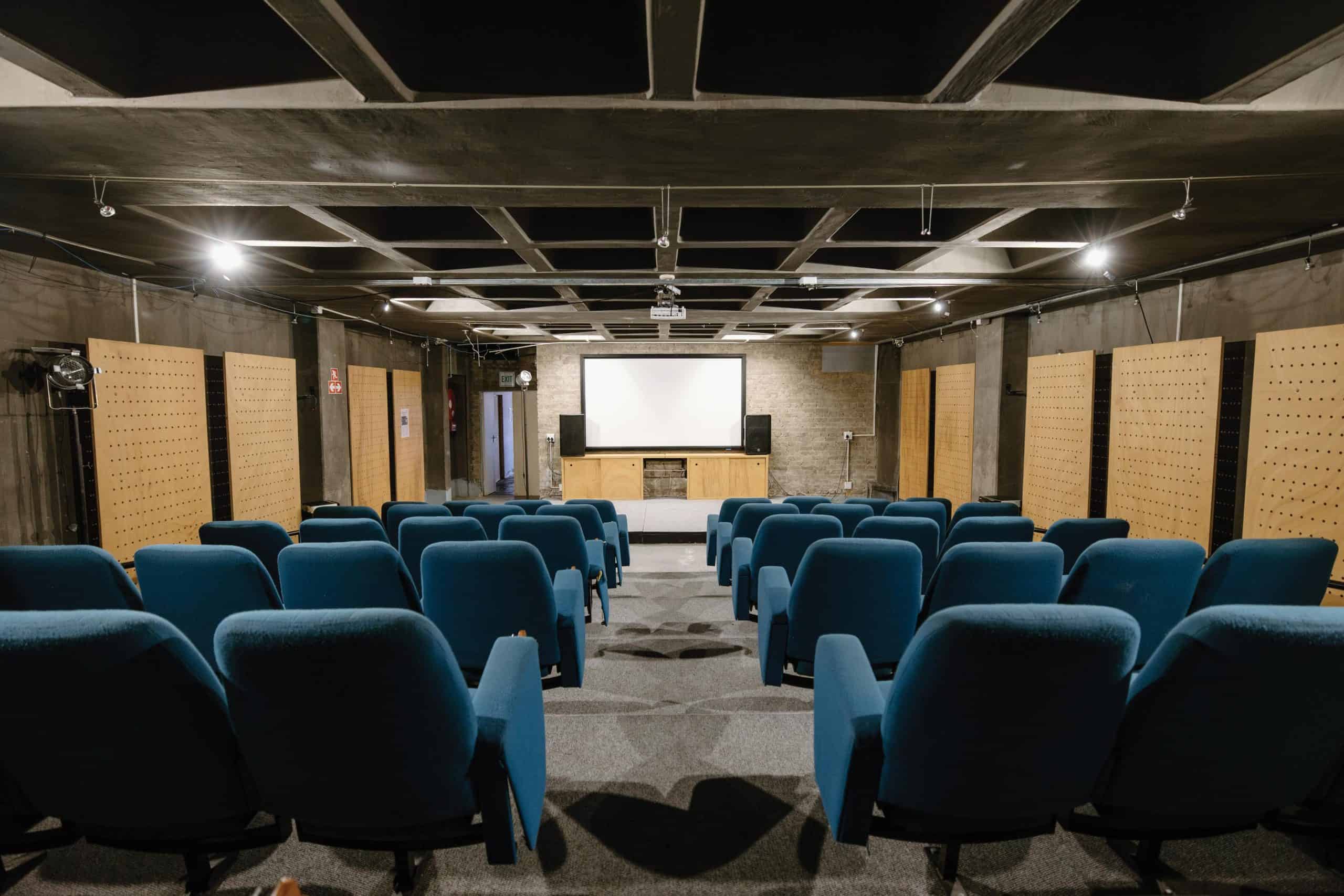
Over the years, the FNCC has evolved into a dynamic platform offering a wide range of activities. From French language courses for children, teenagers and adults to art exhibitions, film screenings and live performances, the centre caters to a diverse audience. Its facilities include a 55-seat cinema and an outdoor terrace with a restaurant that regularly hosts concerts and cultural events, as well as an art gallery which is also used as a mid-size conference venue.

“Ultimately, the FNCC stands as a testament to the power of culture in bridging nations and shaping identities”

A key aspect of the FNCC’s work is its support for local artists in addition to exposure to French and Francophone trends. Through collaborations with organisations such as the Namibia Film Commission, the centre screens Namibian short films, ensuring that local stories reach audiences who might otherwise not have access to them. “We help local Namibian artists by screening their short films from time to time,” Beyer explains, emphasising the importance of accessibility in the arts.

For Beyer, cultural exchange is not just beneficial; it is essential. He highlights France’s deeply rooted cultural ecosystem, where even the smallest towns host summer festivals and artistic initiatives. This, he notes, demonstrates how culture can create employment, educate communities and enrich societies.

However, he also has a concern about how culture is perceived today. “People in today’s society think that culture is no serious business,” he remarks, stressing that artistic expression is often underestimated. Promoting the arts and creativity does not only help the art sector, but it influences other business sectors in sometimes unexpected and surprising manners. Behind every performance or artwork lies a complex “microcosm” of effort, collaboration and creativity that deserves recognition and appreciation. Thus, we speak less and less about arts and culture but rather about cultural and creative industries.

Ultimately, the FNCC stands as a testament to the power of culture in bridging nations and shaping identities. From its origins in a newly independent Namibia to its current role as a cultural beacon, the centre continues to bring people together, proving that art, language and shared experiences remain some of the strongest connections between societies.

As it marks 35 years of existence on 31 July 2026, the FNCC is not just reflecting on its legacy but actively shaping the future of cultural exchange in Namibia and beyond.

Share:

More Posts

From comic books to Cannes

Discover how award-winning Namibian filmmaker Laudika Hamutenya went from drawing comic books to showcasing authentic African stories on the international

Sign up for our newsletter