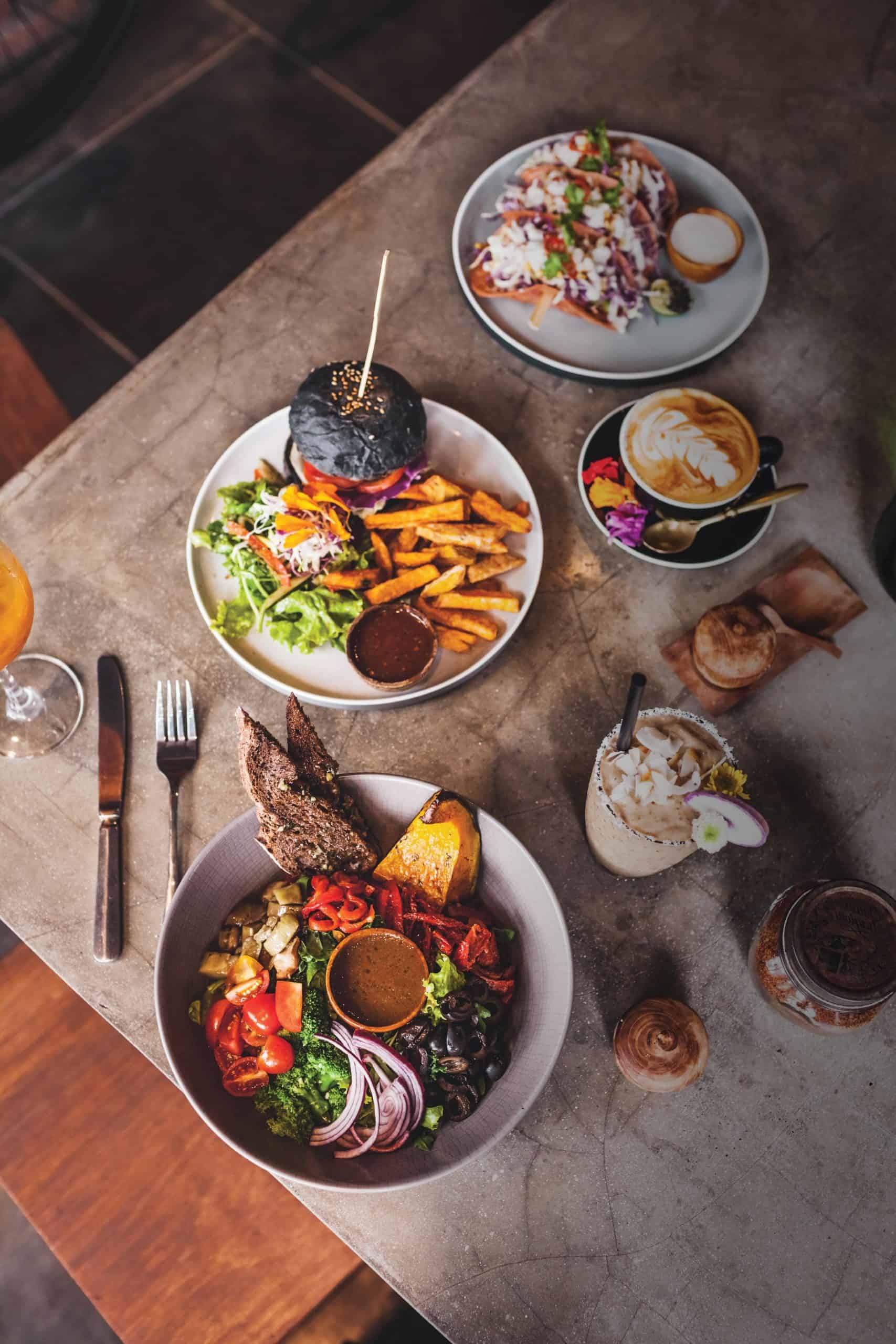
We all enjoy a good cup of coffee, the smell of ground beans, trendy music and freshly baked pastries waiting to be enjoyed with a good book or while chatting with a good friend.
Over the years, a surge in the number of cafes in the coastal town of Swakopmund could clearly be observed, and the question arises: Is there an oversaturation of trendy cafes in this small town or is it a case of identity in transition at the coast?
Not too long ago, grabbing a cup of coffee in Swakopmund seemed like a simple choice to make. Today, you can find cafes all around town in familiar streets, nurseries, industrial areas and even in the form of mobile cafe popups. Each of them offers a signature style, a certain coffee brand, a unique menu and an atmosphere that strives to be as different as possible from the next one.
Do not get me wrong, I personally have no issues with Swakopmund’s growing cafe culture. As a chef, I have opened a few cafes over the years and if I am being honest, my wife – a born-and-bred Swakopmunder – loves going to cafes probably every day of the week. This way, I stay informed about all the new cafes in town and I find myself asking: “Another one?”
As a holiday and tourist destination, Swakopmund invites a relaxed, laid-back culture among the locals and visitors alike, and it is difficult not to join in the fun. This inevitably makes cafes more appealing spaces to spend your time with family, friends and business associates. The atmosphere is never too formal, conversations are more relaxed and this is where cafe environments are preferred over other types of establishments. From a financial point of view, people do not always want to spend a huge amount of money on food and drinks just to catch up with a friend or colleague. With inflation and the rise of daily living expenses, dining out or enjoying a coffee with a lunch has become a luxury and people want to enjoy it without breaking the bank.
From a business point of view, owners and new business entrepreneurs also adapted to what will make more financial sense. Opening up fancy or more upmarket restaurants primarily for lunch and dinner has its challenges in a small town like Swakopmund. Not to say it is not financially viable to open a dinner restaurant, but the fact is that Swakopmund in its capacity does not have enough people willing to go above their budget on a weekly basis. Benefiting from (and often relying on) tour groups and visitors who are willing to spend more on a superior product is how the majority of income for these establishments is generated. Swakopmund is very seasonal in the sense of the number of people visiting the town throughout the year, making the income flow very unpredictable and constantly fluctuating. As a result, managing expenses at the end of the month is more challenging. The success of these upmarket lunch and dinner establishments depends on aggressive marketing, catering for a wider variety of clientele, hosting functions and having good relations with tour companies that will provide regular dining visitors at a special predetermined price. This requires a good understanding of business to survive the down seasons and maintain profitability all year round.
Not everyone really understands the challenges that present themselves when running a restaurant. This is where opening and running cafes often becomes more manageable as opposed to running a bigger-scale restaurant. Cafes generally have smaller menus and less staff, so profits are easier to achieve. Cafes are all about quick turnover in a short time, minimal expenses and selling more items for a lower price but making more profit in the long run. Catering for locals with a focus on creating return customer loyalty is much easier with cafe establishments. The truth is that people are more likely to spend a small amount at a cafe over multiple days in the week rather than one large amount at a well-established restaurant once a month, which in turn cumulates a steadier flow of income.
But back to the elephant in the room: Are there too many cafes in a small town like Swakopmund?
In my opinion, competition in the hospitality industry in general is healthy. Competition creates a sense of standard for owners and their staff. Not making the best product? Not offering the best service? Not prioritising customer satisfaction? Well, there will be a place just down the road that will value my dollar. Word of mouth is a big factor, cancel culture is alive and well in Swakopmund and you do not want to be on that list. Competition is important in every sense, and it favours the customer more, because it encourages high standards amongst all these businesses. But consistently delivering high standards of service and products leads to return customers. It is a simple formula and foundation for the success of any cafe.
Whether the cafe renaissance is just a trend or a long-term transformation of preference will probably be answered in the near future, but one thing is clear: cafes have evolved into more than just a place to have a coffee and a sandwich. They have become a culture, a movement and a revolution amongst places where people enjoy spending their time and money. So, while the jury is out, go and enjoy your favourite cup of coffee, enjoy that fresh quiche of the day or just go have a chat with that special person. Because cafe culture is showing no signs of slowing down anytime soon.