We’re for Namibians: Dallin !Noabeb
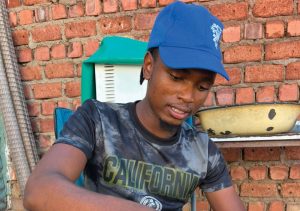
Windhoek-born Dallin !Noabeb turned self-taught string art into a business. Now a FlyNamibia Maker, he wants Namibian craft to hang in homes and galleries worldwide.
In a quiet space in Windhoek, progress is measured differently. It is found in a child’s first attempt at communication, a small step towards independence, a shared smile or the moment they discover they are capable of more than the world expected. For The Cortex Collective, these moments are milestones.
Built on the belief that every person has potential, The Cortex Collective creates a space where neurodivergent children are seen beyond diagnoses and labels. Here, different ways of learning, communicating and experiencing the world are recognised as strengths.
At the heart of this work is an educator whose passion for inclusion began through growing up alongside a family member with Down syndrome. “They are so kind, and they actually teach me a lot more than I could ever teach them,” she shares.
That experience shaped her journey into education and special needs support, leading her to create a space where children receive personalised care and where their abilities are recognised first.
The Cortex Collective’s message is simple: different needs, shared dreams.
For every child, success may look different. It could be a first word, a first step, learning to communicate a need or gaining confidence to try something new.
The team works from one powerful belief: always presume competence first.
A child’s way of communicating does not define their understanding or their potential. Instead, support is adapted to each individual, helping them find their own path to growth.
They just want to feel seen and loved and heard as well,” she says.
Communication is one of the biggest challenges many neurodivergent children face. The Cortex Collective uses a variety of approaches, including communication cards, sign language and assistive technology, to help children express themselves.
Because communication is not only about speaking.
It is about being understood.
The Cortex Collective is more than a learning space. It is a place where children are accepted, supported and encouraged to grow.
Through individualised support, the centre focuses on each child’s unique developmental journey rather than a onesize-fits-all approach.
The vision also extends beyond childhood, creating conversations around future opportunities, independence and continued inclusion for neurodivergent individuals.
Success is measured in moments others may overlook:
Every achievement matters.
The team tracks progress in areas such as communication, development, social engagement and independence, knowing that every child’s journey is unique.
The Cortex Collective also supports families who often face challenges around acceptance, education and finding spaces where their children are truly understood.
Inclusion begins with awareness — learning, changing perceptions and recognising that being different does not mean being less.
“They just want to feel seen and loved and heard as well,” she says.
That message reaches beyond the centre. It is a reminder that creating an inclusive Namibia is something we all contribute to.
The vision for The Cortex Collective is to continue growing while keeping the personal, meaningful support that makes the centre special.

Windhoek-born Dallin !Noabeb turned self-taught string art into a business. Now a FlyNamibia Maker, he wants Namibian craft to hang in homes and galleries worldwide.
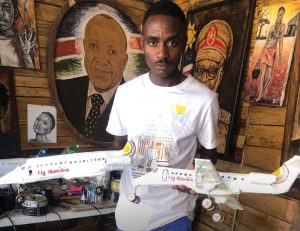
Meet FlyNamibia Maker Kanyanga Paulus Simaho, the UNAM Arts student turning recycled materials into handmade Namibian art, aircraft models and a growing brand.
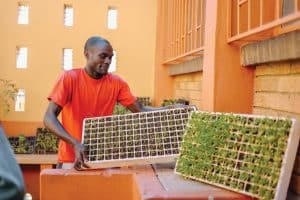
From humble beginnings to hundreds of thriving gardens, discover how young Namibians are growing food security, self-reliance, and stronger communities.

Discover the inspiring story of Vesta Burger, a Namibian therapeutic horse riding practitioner who helps children and adults overcome physical and emotional challenges through the