The bridge between opportunity and growth
Why execution matters more than ambition in Namibia’s next chapter. Insights from RMB Namibia on infrastructure, mining, logistics and building
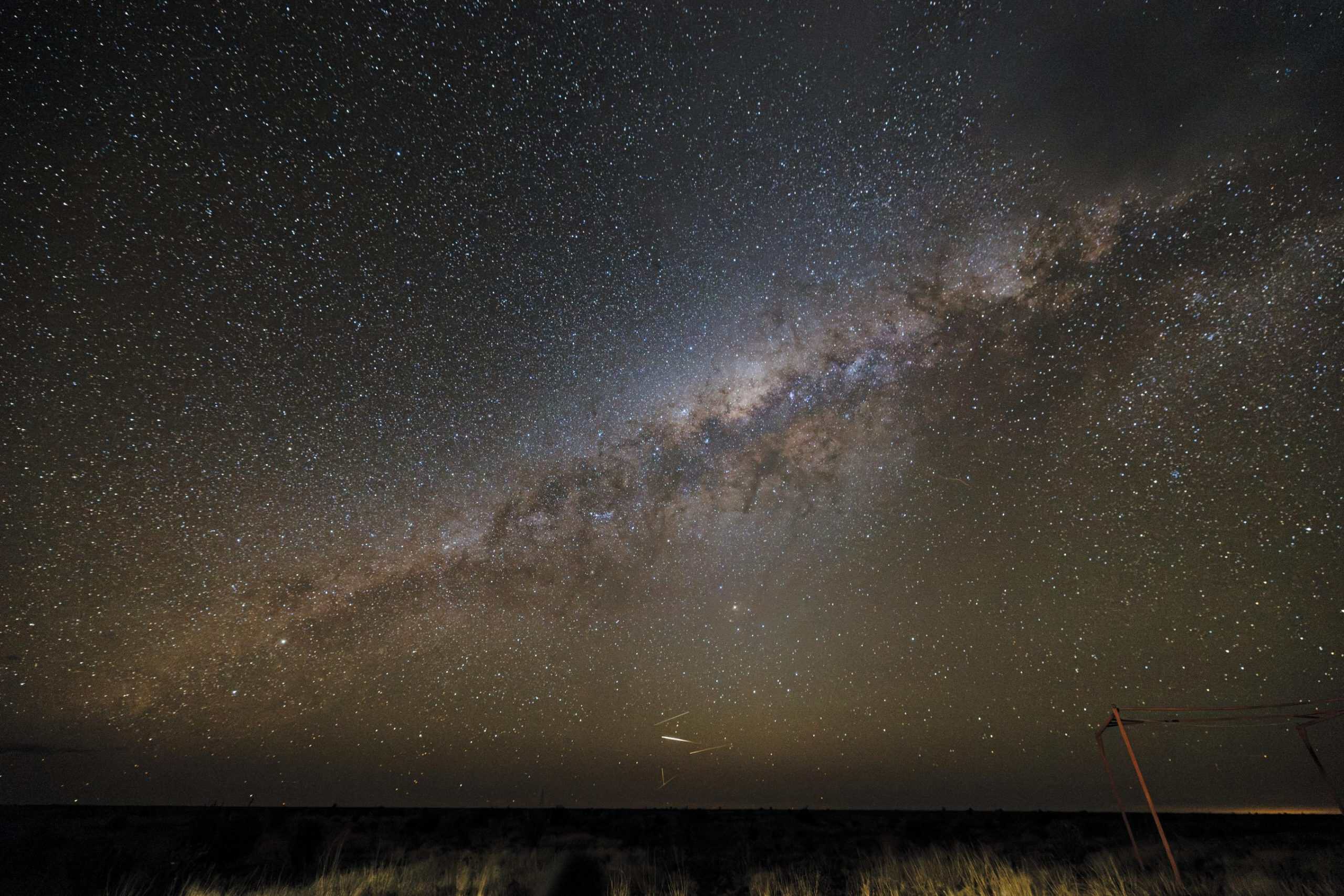
There are few places in the world where the night sky feels as close as it does in Namibia. Far from the glow of cities, the Milky Way stretches across the darkness, inviting us to look a little longer. For most of us, it is a beautiful sight. For scientists, it is an opportunity to explore some of the Universe’s greatest mysteries.
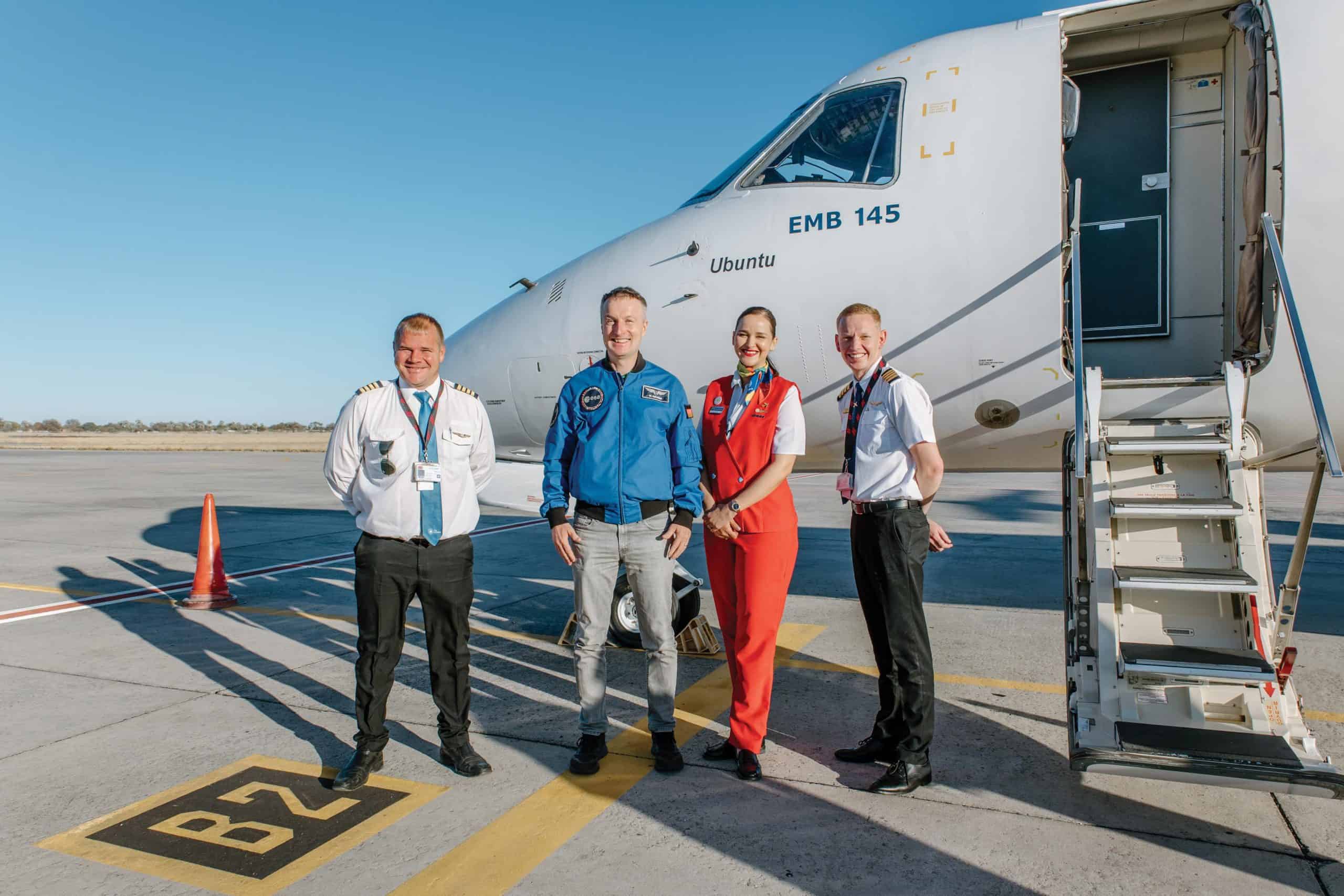
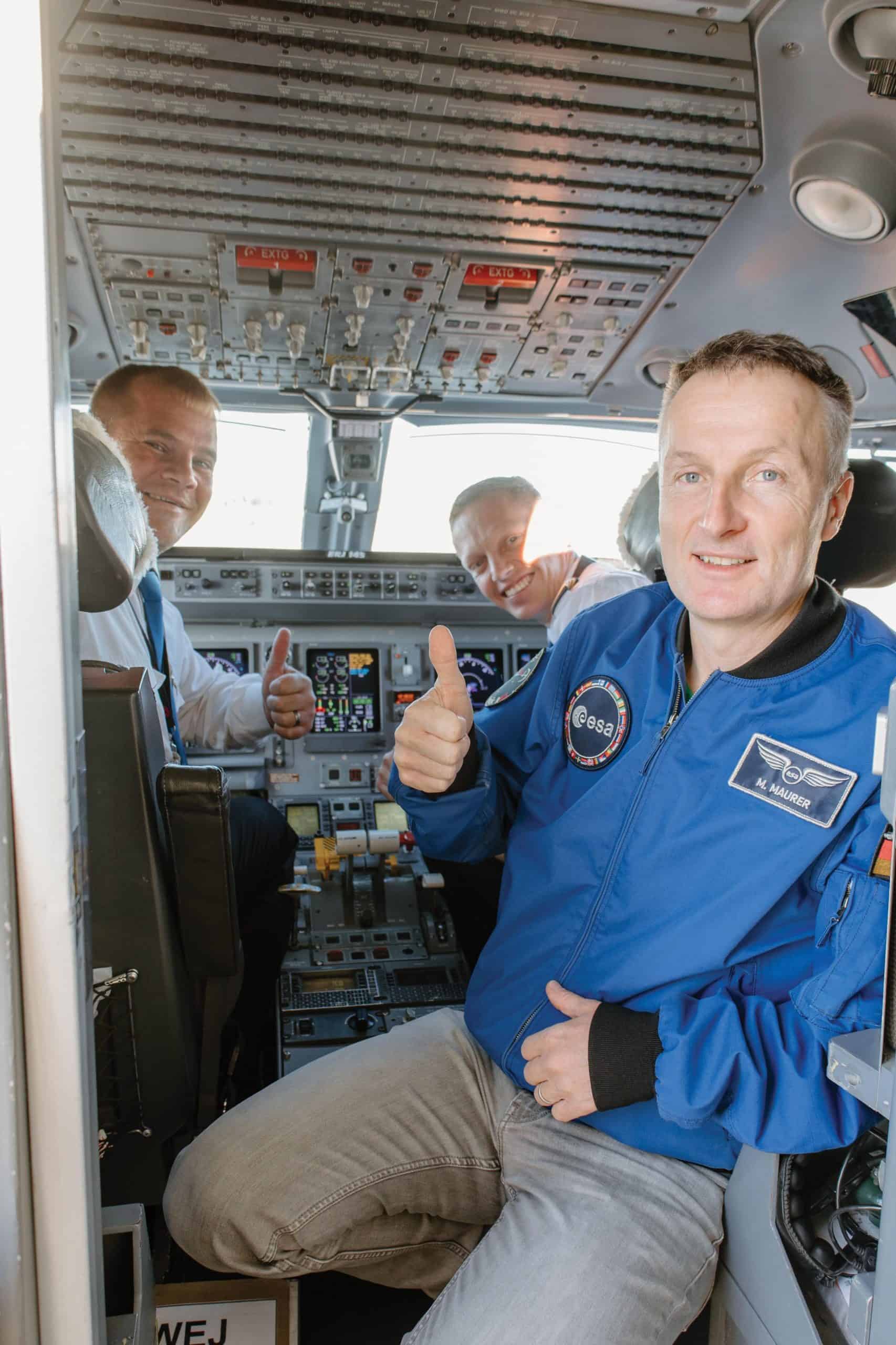
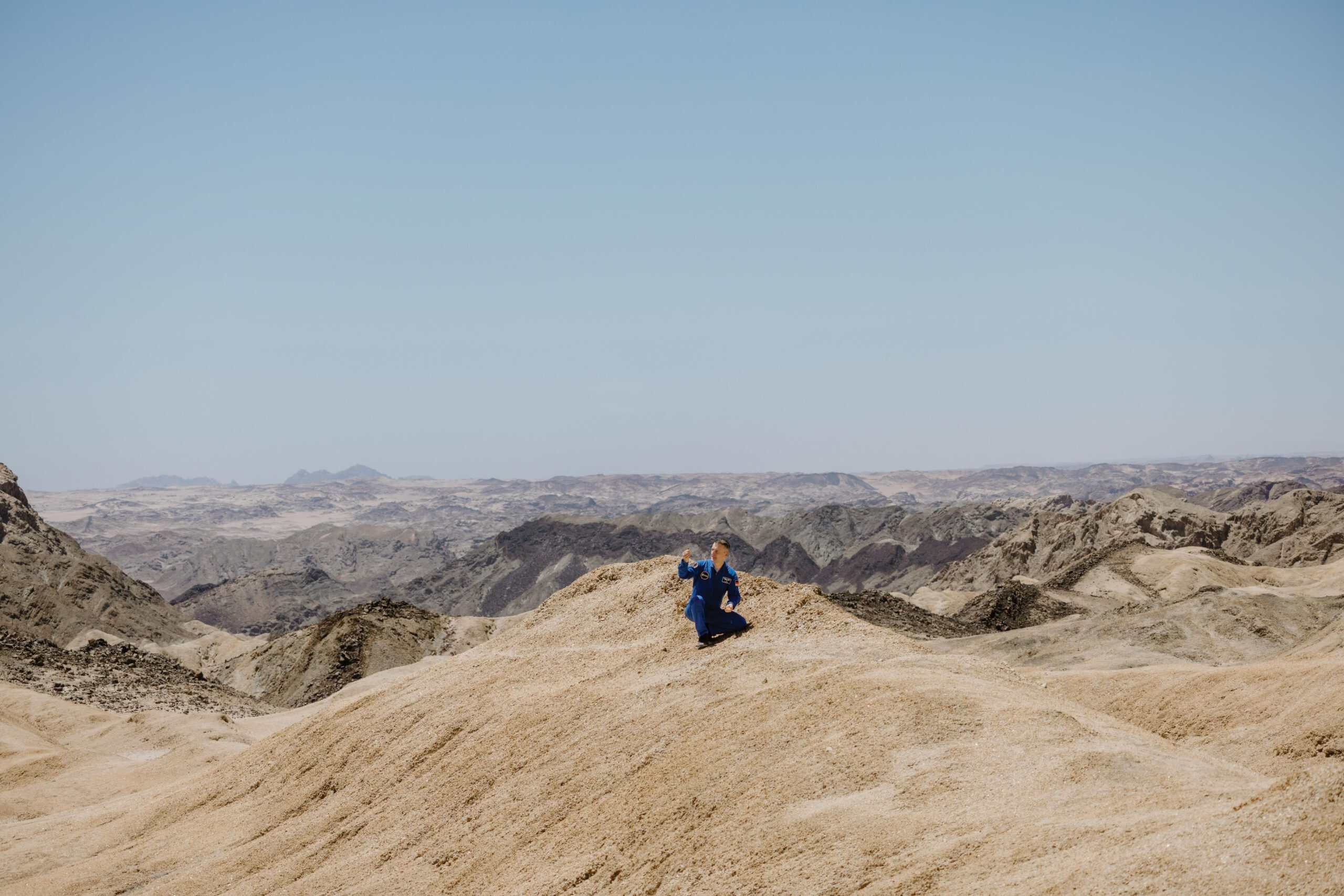
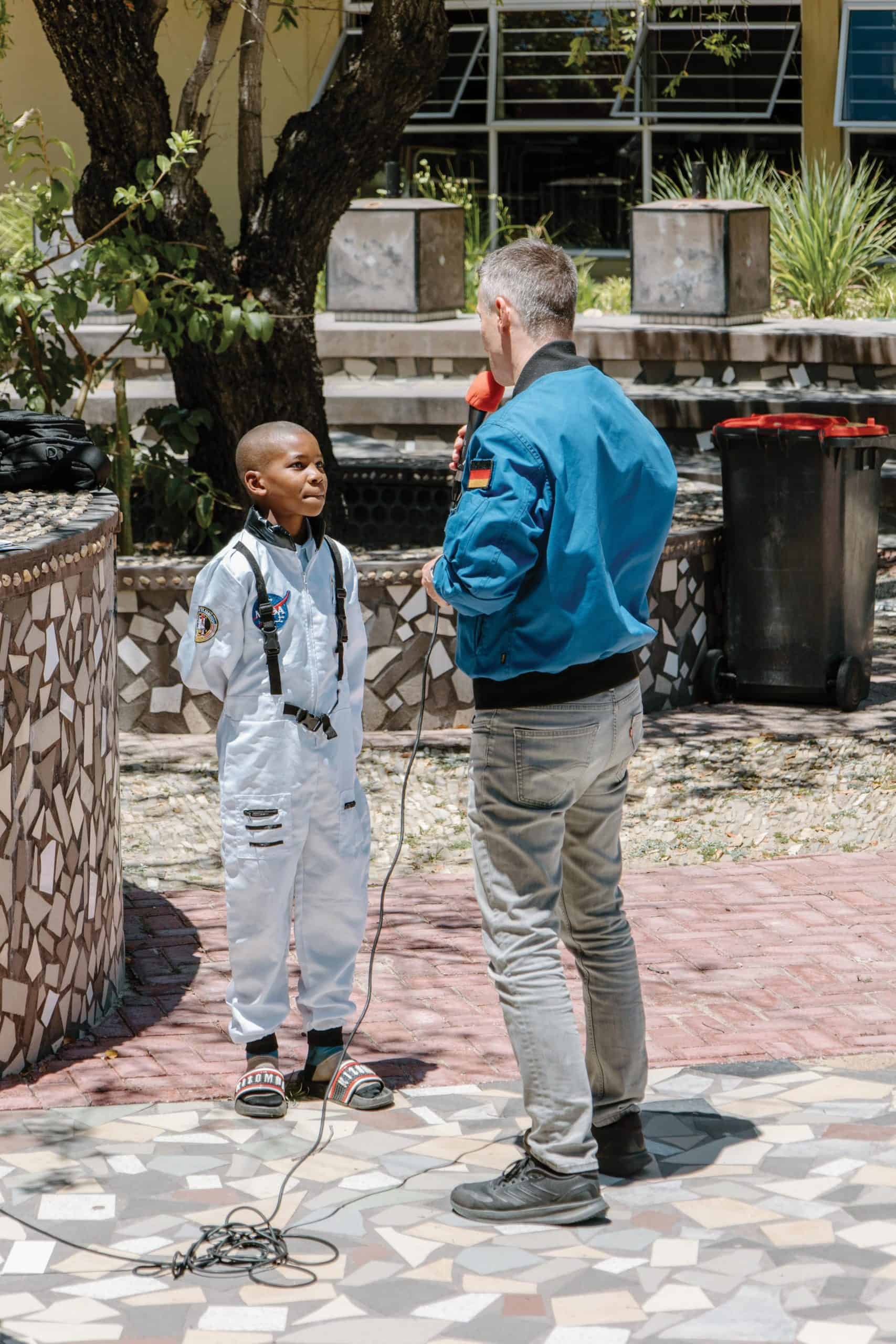
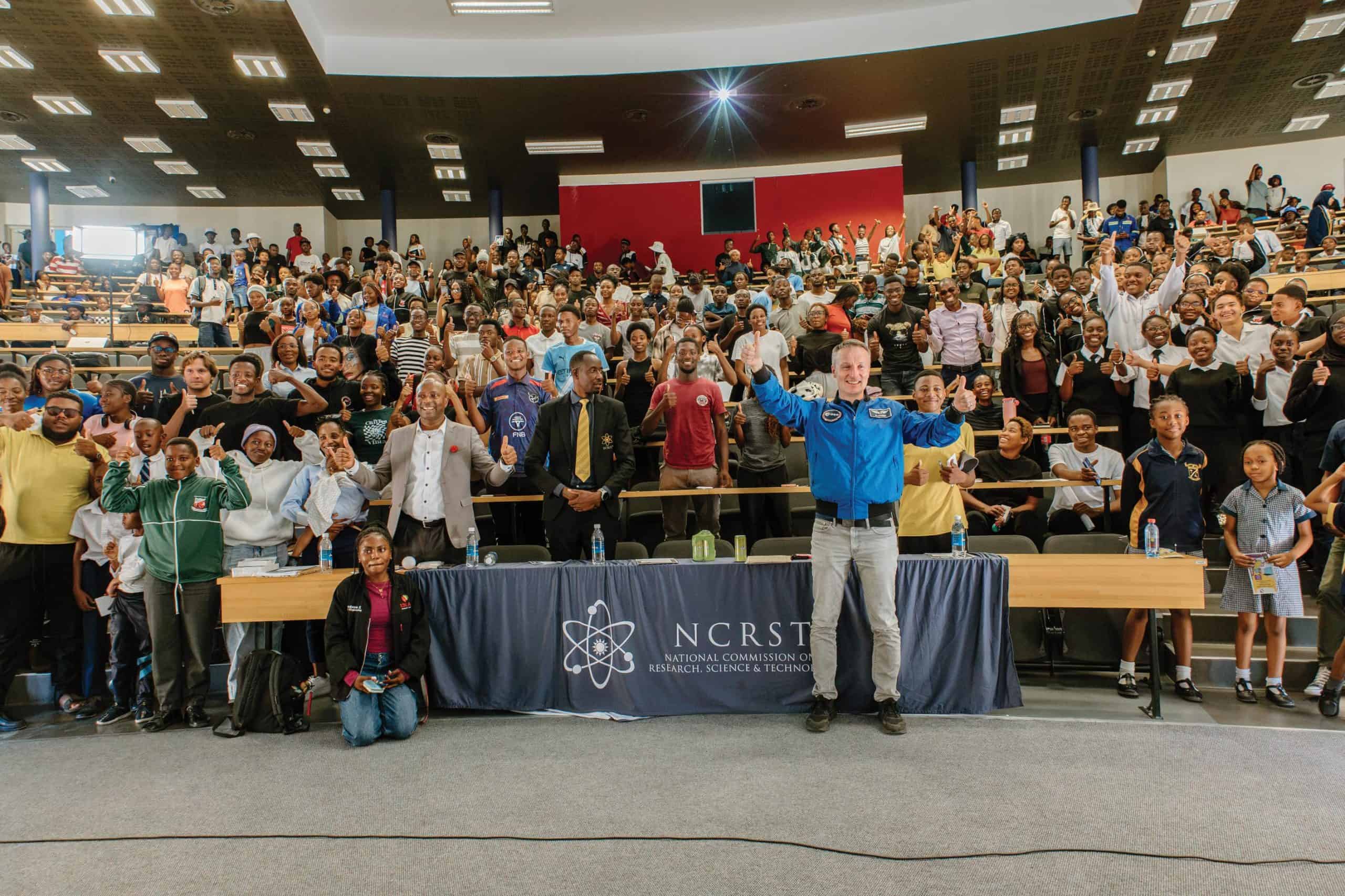
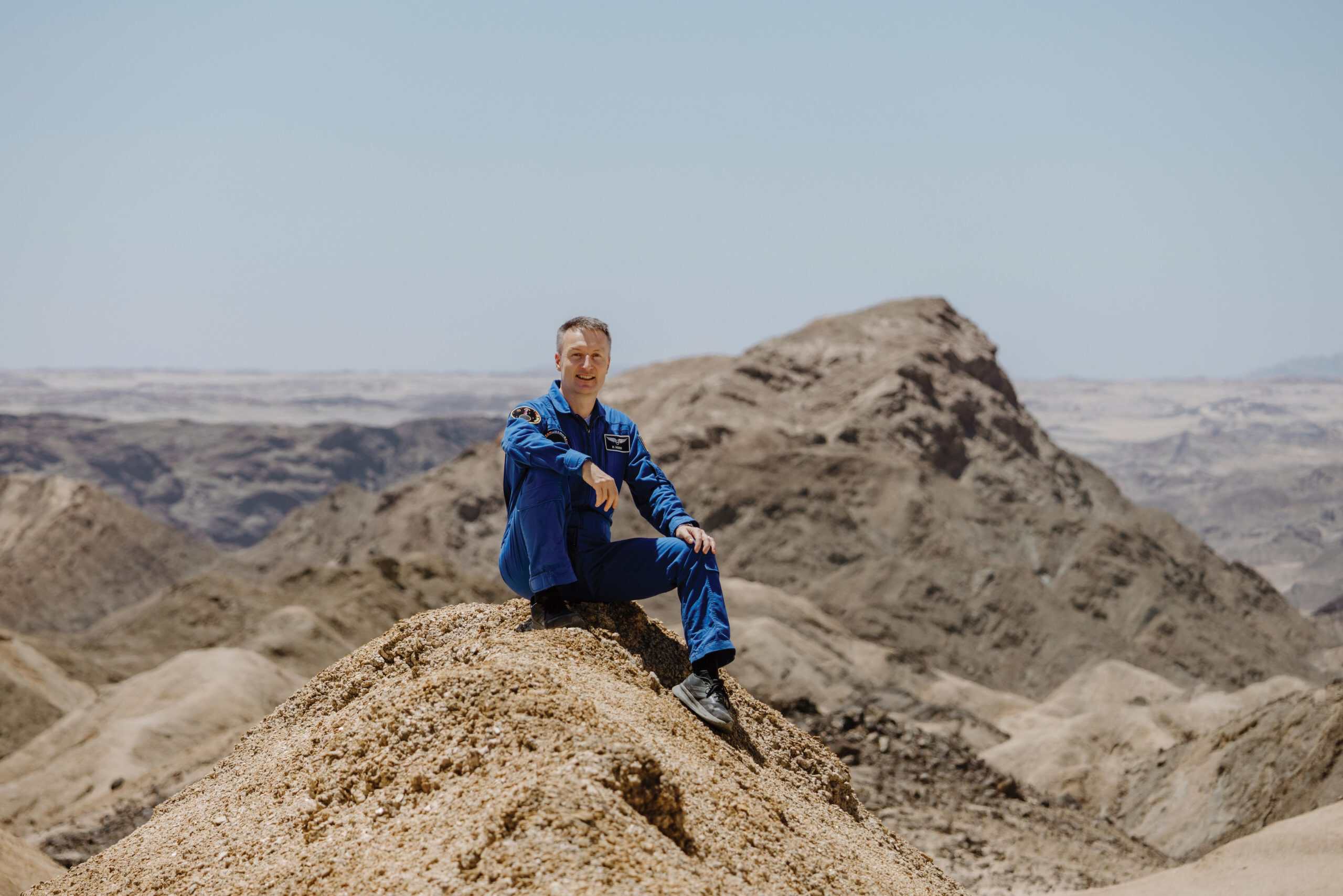
During World Space Week, from 4 to 10 October 2026, European Space Agency (ESA) astronaut Dr Matthias Maurer visited Namibia to share his experiences of space exploration and inspire curiosity about science. His tour took him across Namibia, from the capital and northern towns to the coast, Gobabeb and the remote heights of Gamsberg, reaching around 8,000 students and adults through educational talks and engagements and exploring the country’s growing role in astronomy.
Supported by FlyNamibia, the German Embassy, the Namibia Scientific Society, ESA, the University of Namibia (UNAM) and the National Commission on Research, Science and Technology (NCRST), the visit highlighted an important message: space science is not reserved for countries sending rockets into orbit. Namibia, with its remarkable landscapes, dark skies and growing scientific expertise, has a place in the conversation too.
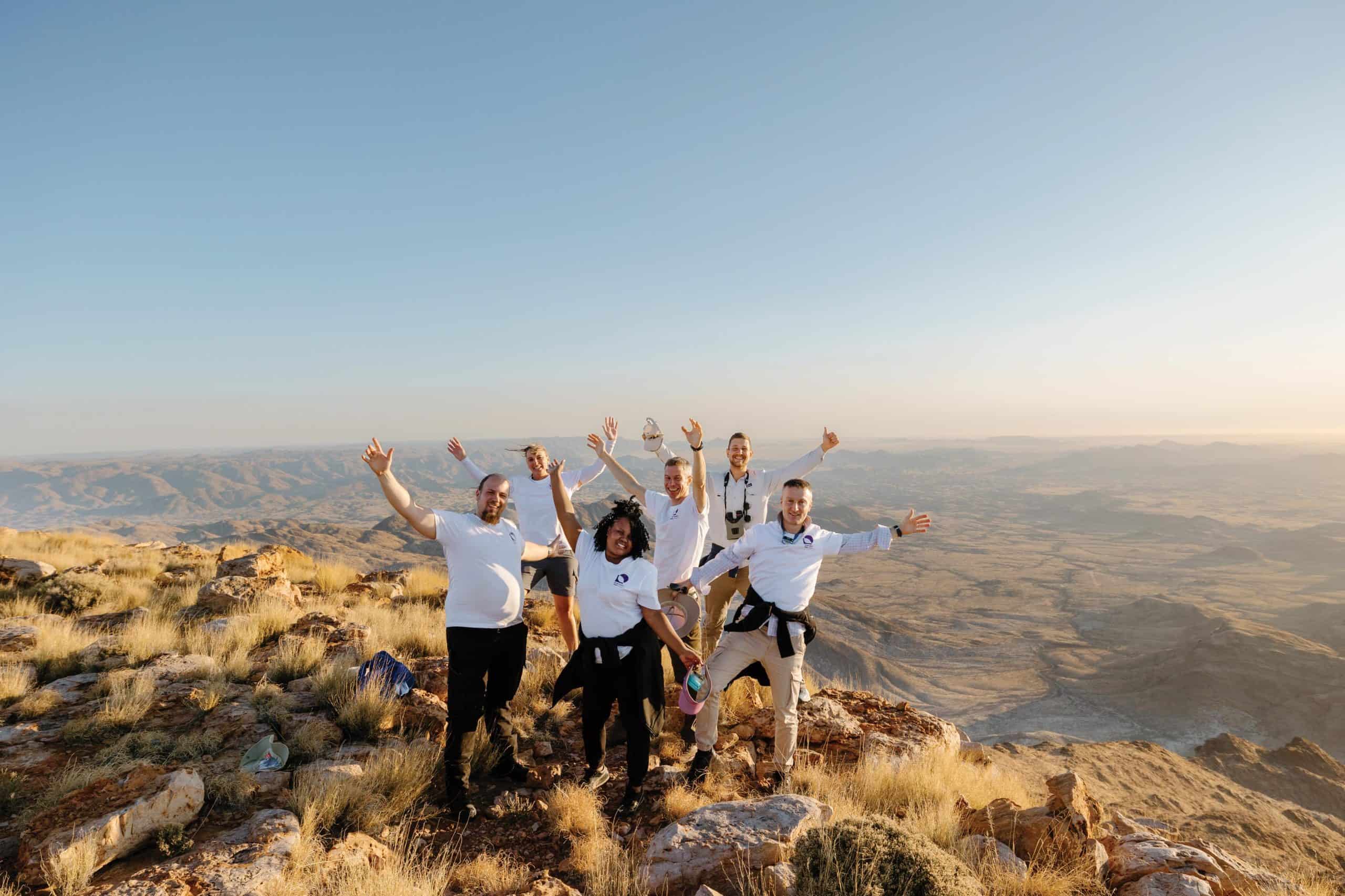
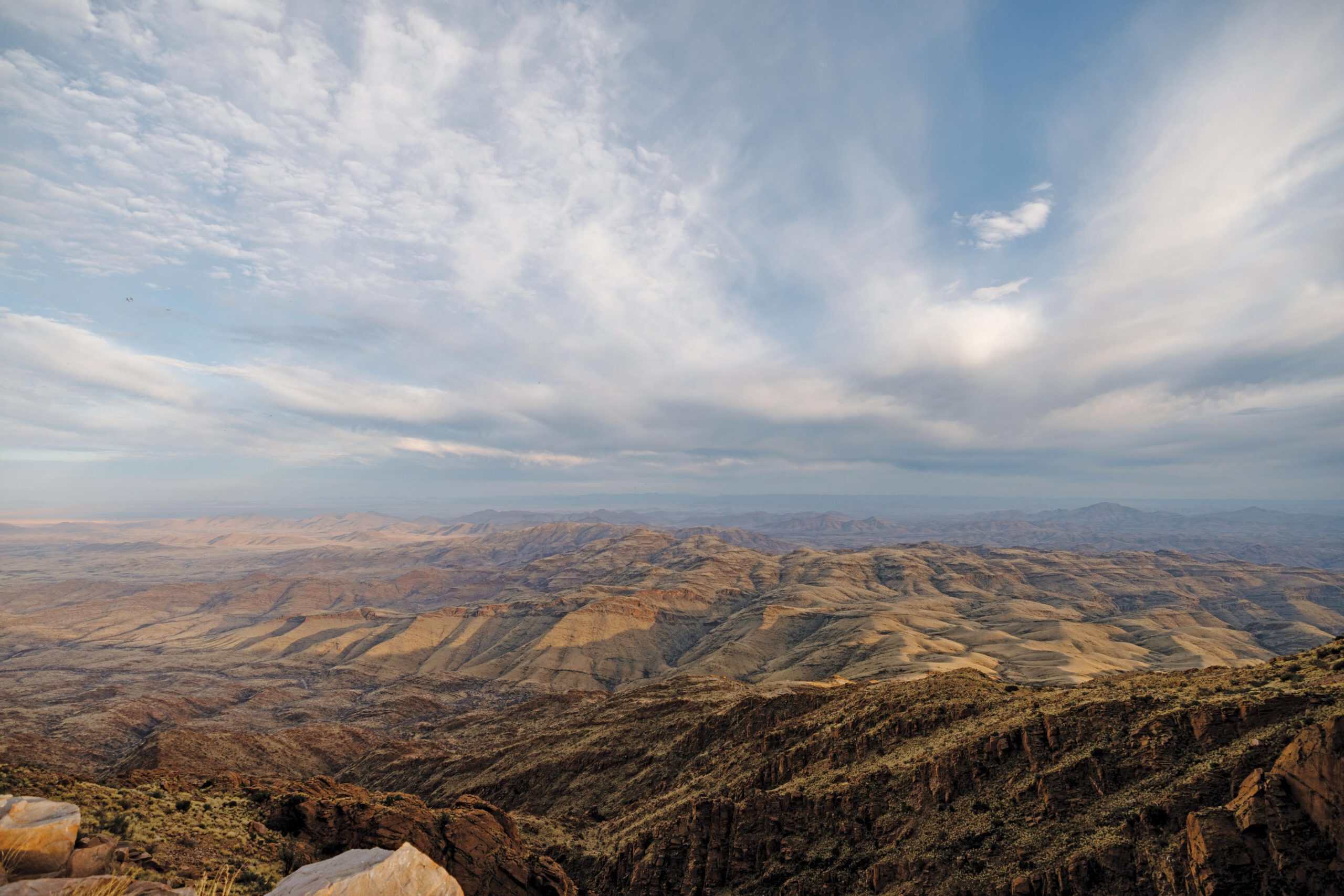
Our journey into Namibia’s astronomical landscape took us towards the Gamsberg, a mountain rising above the Khomas Highlands. Reaching its upper heights is an adventure in itself. The steep, winding 4×4 track was built between 1970 and 1972 to give the Max Planck Institute for Astronomy access to the plateau for its planned astronomical research station. Today, the challenging ascent remains a reminder of the effort required to establish scientific facilities in such a remote location.
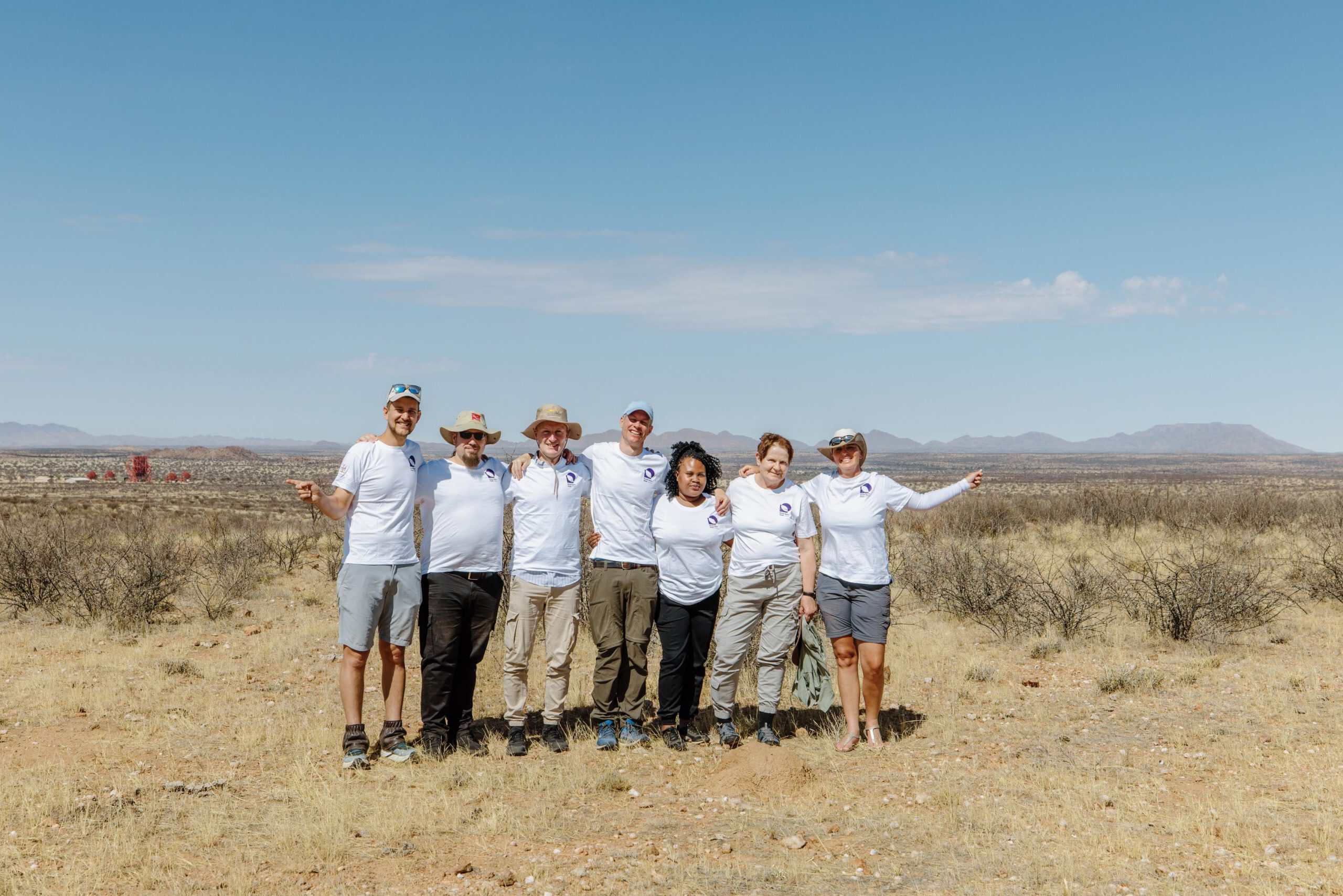
The mountain offers an exceptional setting for observing the night sky, away from the artificial light that interferes with astronomical research. Our visit brought together astrophysicists, members of the Africa Millimetre Telescope (AMT), the Namibia Scientific Society and the Deputy Head of Mission and Chargé d’affaires ad interim of the German Embassy along with Dr Maurer.
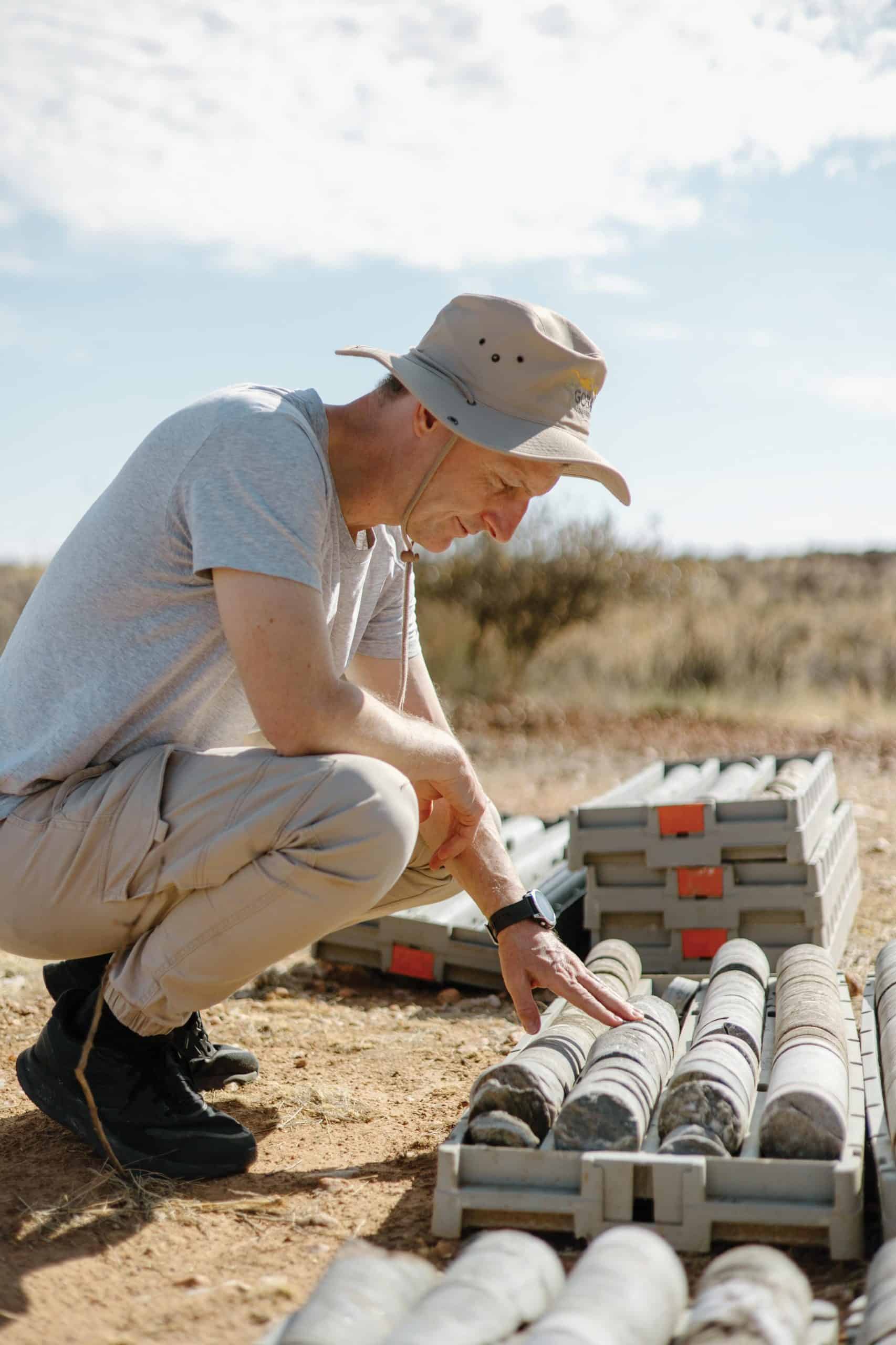
Before heading up Gamsberg, we visited the site earmarked for the future AMT. Here, we examined rock samples drilled and brought to the surface to help researchers assess the site’s geological conditions and suitability. The findings will inform decisions about how to establish the facility while minimising unnecessary disturbance to the surrounding environment.
The AMT aims to put Namibia on the global astronomy map. Initially planned near the H.E.S.S. observatory, the 14-metre telescope is eventually intended for the Gamsberg plateau. It will join the international Event Horizon Telescope network, which captured the first images of black holes, helping scientists produce more detailed observations of these cosmic phenomena. Namibia’s dry climate, high altitude and radio-quiet environment make it an ideal location, while the project will also create opportunities for local scientists and engineers through research, training and education.
“Namibia may not be launching rockets into space yet, but it is helping expand our view of what lies beyond Earth.”
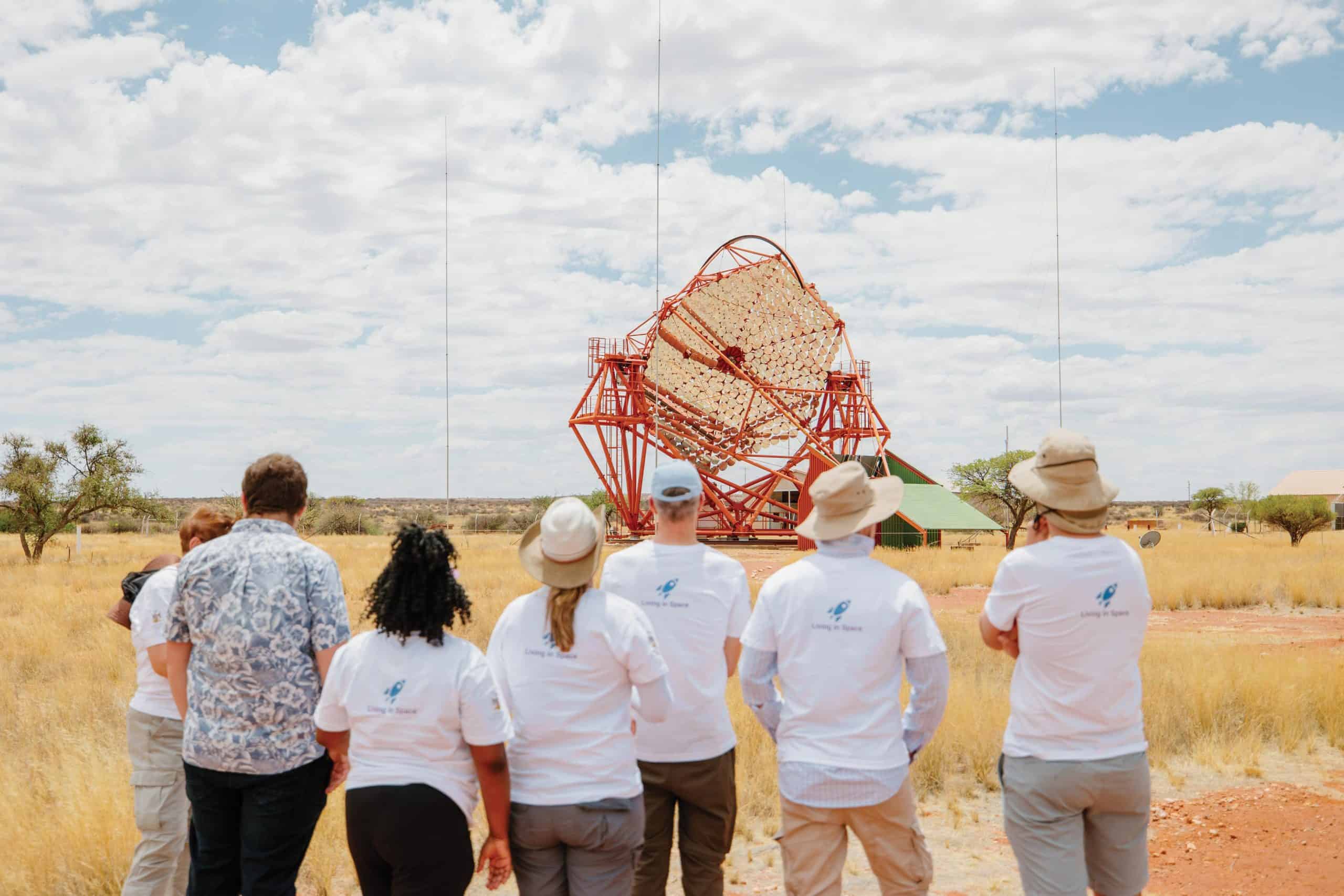
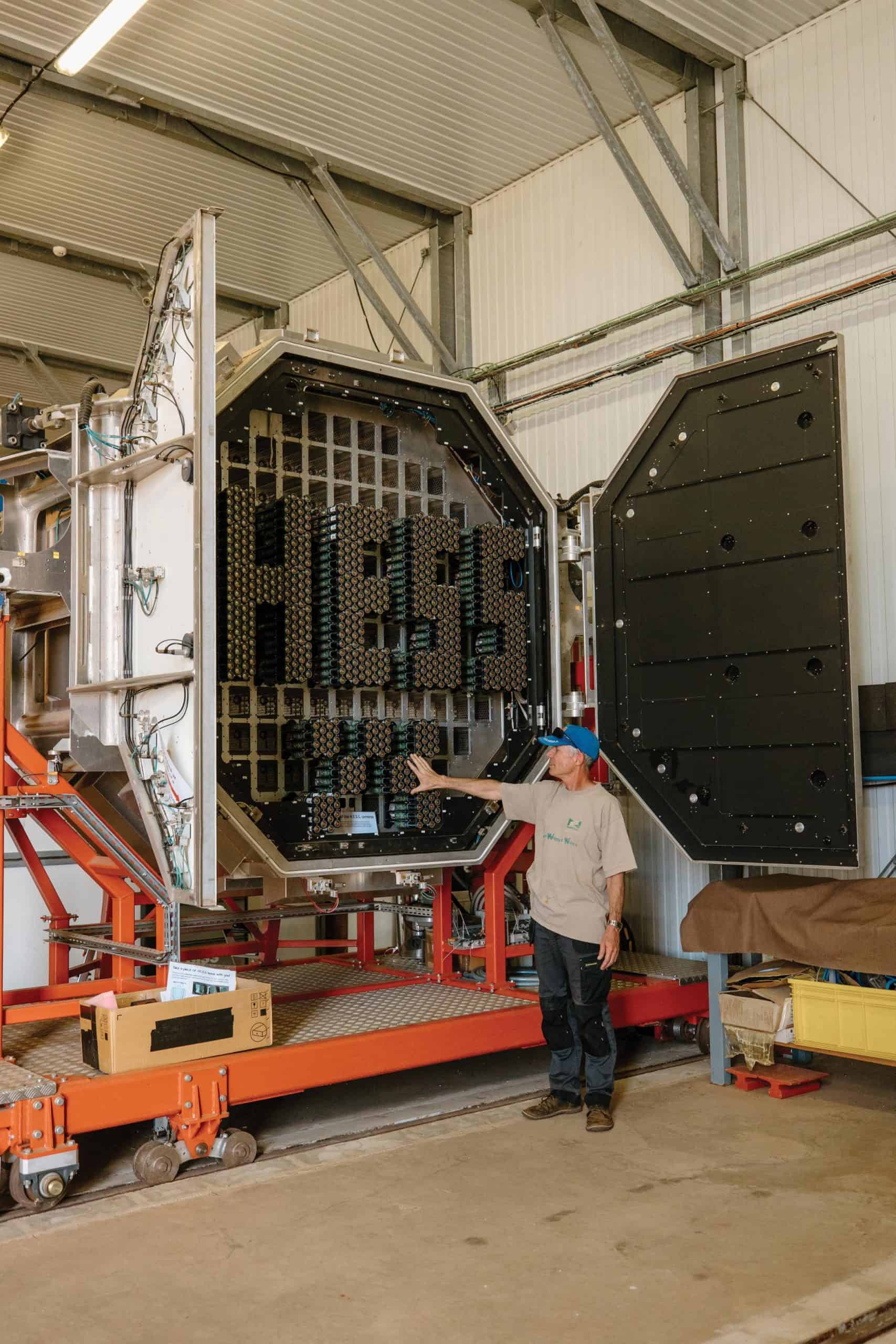
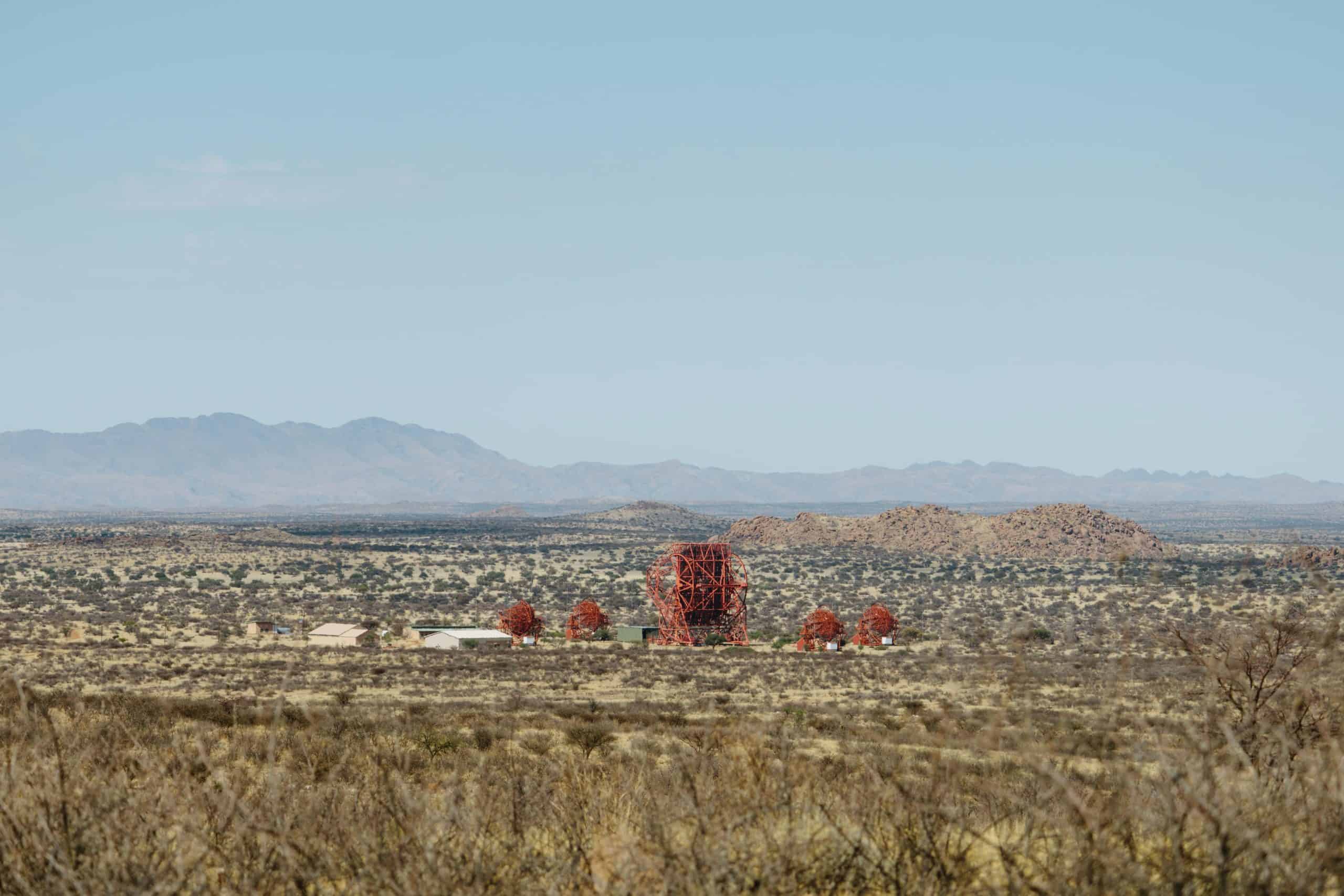
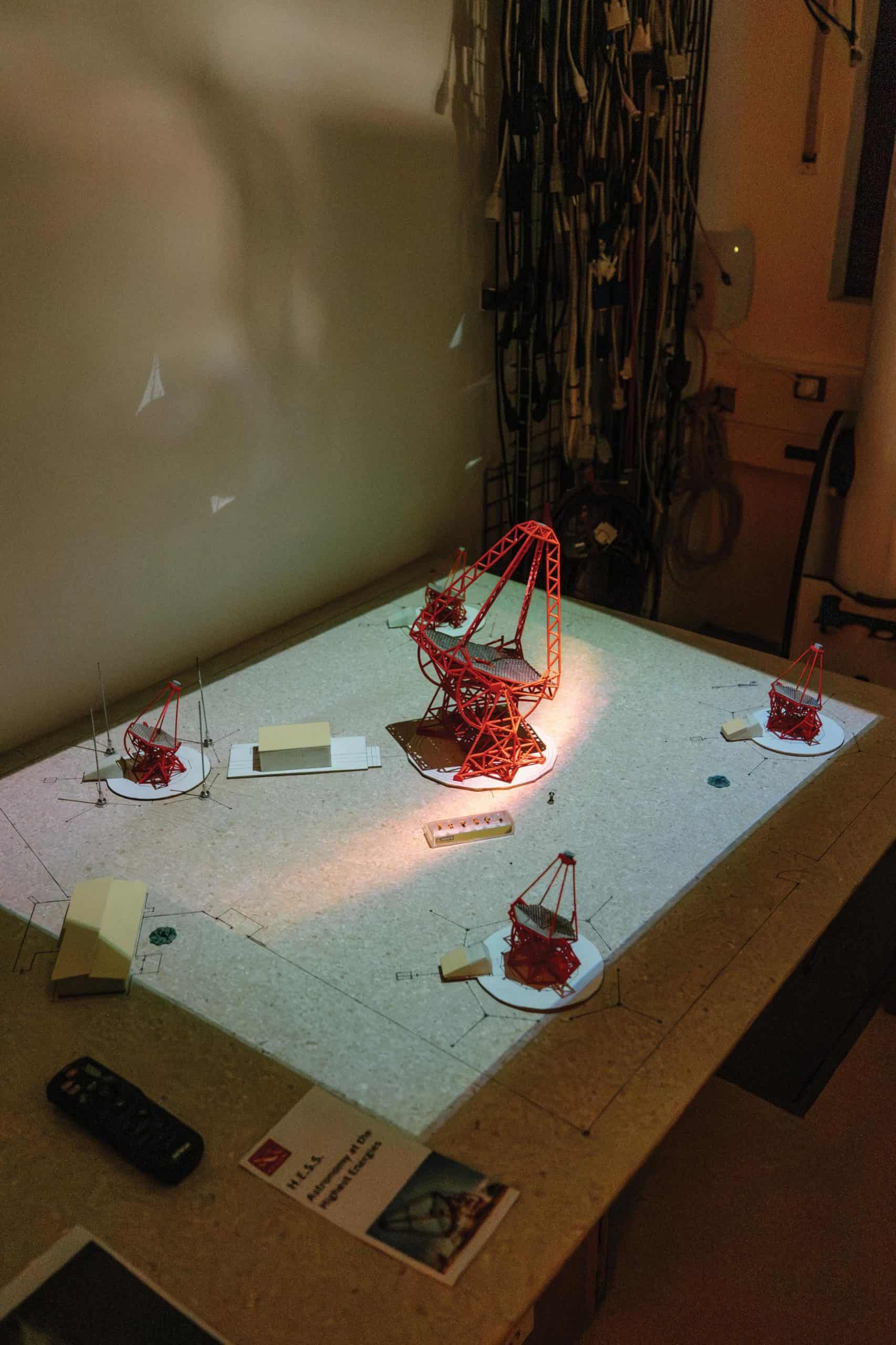
The visit also gave us an opportunity to learn about the High Energy Stereoscopic System (H.E.S.S.), a landmark of Namibian astronomy. Its five telescopes capture faint flashes produced when high-energy gamma rays interact with Earth’s atmosphere, helping scientists study extreme cosmic events such as supernova remnants and black holes. The largest, standing at 28 metres, is the largest Cherenkov telescope with mirrors ever built.
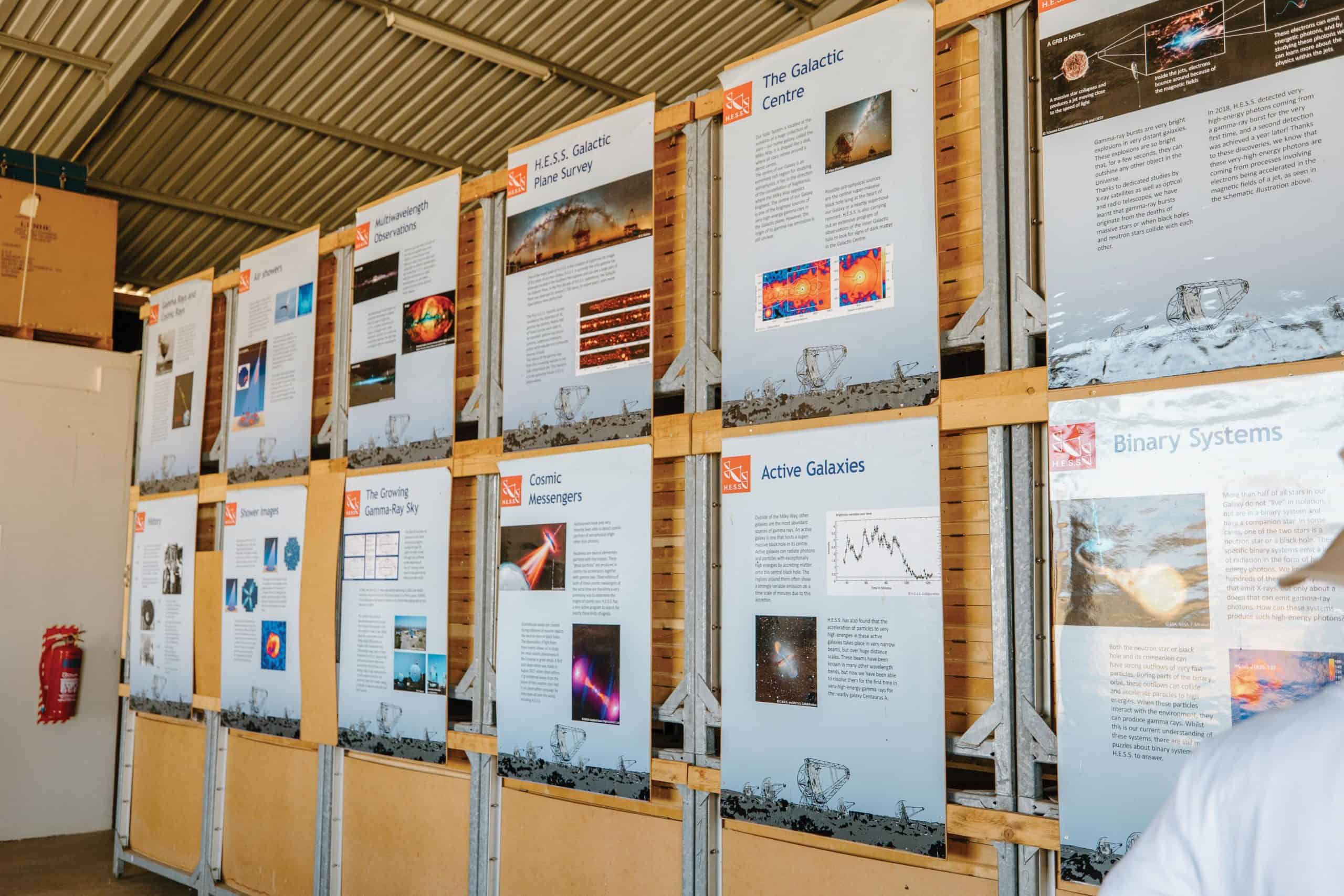
During our visit, demonstrations and a presentation brought the science to life. One comparison stood out: if the electromagnetic spectrum were represented by a 15-metrelong piano, visible light would occupy just one octave. Inside the control room, we saw the precision behind the observations, while outside, the telescopes moved into position. We also got a closer look at the small mirrored components that help direct light into the telescopes’ cameras.
As night fell on Gamsberg, we had the chance to experience its dark skies for ourselves. With a planetarium app as our guide, we had only been looking up for a few minutes when we coincidentally spotted the International Space Station moving across the sky. Knowing that Dr Maurer had once called the ISS home made the moment feel all the more extraordinary. There we stood beneath the vast sky, watching the station glide silently overhead, a reminder of how closely Namibia’s skies connect us to the wider Universe.
Beyond the technology, Dr Maurer’s visit highlighted a broader question: what can Namibia contribute to the future of space exploration?
His public talks brought space closer to everyday life. Through stories from his own mission, he explained the preparation required before launch, the experiments conducted in space and the realities of living in orbit. He also discussed returning to Earth and readjusting to gravity, offering audiences a glimpse of the human experience behind the science.
His talks explored future lunar missions, including specialised training environments designed to recreate the Moon’s surface. These facilities help astronauts prepare for working in unfamiliar terrain while scientists and engineers continue to investigate what future missions will require.
So, where does Namibia fit into this picture?
Our clear night skies offer exceptional conditions for observing the cosmos, while our desert environments provide opportunities to study how life survives in extreme conditions. Plants growing in sandy, dry landscapes, for example, may offer insights into resilience and biological systems that could inform future research into growing food in challenging environments, including space.
Dr Maurer remarked that Namibia’s night sky could even rival the night sky from the International Space Station. Having spent 177 days in space during his Cosmic Kiss mission, he knows what it is like to see Earth from orbit. It is a powerful reminder that some of Namibia’s greatest assets are already here, above our heads and beneath our feet.
He also used a simple analogy to explain international collaboration. Imagine a picnic where everyone arrives with the same dish. There might be plenty to eat, but the experience would be rather limited. A much better picnic happens when everyone contributes something different.
The same principle applies to space science. One country may contribute launch technology, another advanced engineering or spacesuit design, while Namibia offers its dark skies, established observatories, distinctive natural environments and people with the curiosity and skills to investigate them. Progress happens when everyone contributes what they do best.
Scientific research is only one reason to look upwards. For travellers, Namibia offers some of the most rewarding stargazing experiences imaginable.
The country’s arid climate, generally low rainfall and wide-open landscapes can provide excellent observing conditions, particularly away from artificial light. On a clear night, the Milky Way can appear so vivid that it becomes a feature of the landscape itself.
NamibRand Nature Reserve is an especially important destination. Designated Africa’s first International Dark Sky Reserve in 2012, it protects naturally dark skies alongside its unique desert environment. Visitors can enjoy guided stargazing, learn about constellations and planets, or simply spend time beneath a sky filled with stars.
Other rewarding places include the remote Namib Desert, the southern landscapes around the Fish River Canyon and the quieter reaches of Damaraland. Conditions vary with the season, moon phase and weather, but opportunities extend well beyond dedicated observatories.
Stargazing is also one of the simplest ways to connect with Namibia’s natural environment. All you need is a clear evening, a dark location and time for your eyes to adjust. Binoculars or a telescope can reveal more, but they are not essential. A knowledgeable guide can help identify constellations, explain planetary movements and put the immense distances of space into perspective.For a country increasingly recognised for its conservation and wilderness experiences, protecting the darkness above the landscape is another way of preserving Namibia’s natural heritage. Responsible outdoor lighting and awareness of light pollution help keep these skies available for future generations, whether they visit to appreciate their beauty or study them for science.
Dr Maurer’s tour brought science to communities and educational institutions across Namibia, encouraging curiosity and showing that careers in research, engineering and space exploration are not beyond reach.
For Namibia, the opportunity extends beyond inspiring the next astronaut. It is about connecting education, research, tourism and international partnerships while developing the skills needed to participate in scientific projects on our own soil.
Standing on the Gamsberg, with the proposed AMT site nearby and the H.E.S.S. telescopes already looking towards some of the Universe’s most energetic events, that possibility feels tangible. The science is complex and the questions are enormous. Yet the starting point is simple: a willingness to look up, ask questions and work together to find answers.
Namibia may not be launching rockets into space yet, but it is helping expand our view of what lies beyond Earth. And on a clear night beneath its extraordinary skies, it is easy to understand why.
Operating since the early 2000s, H.E.S.S. has helped map the Milky Way in very-high-energy gamma rays, revealing cosmic sources invisible to conventional telescopes. Visits can be arranged in advance, subject to operational requirements.
From the November 2026 issue
Why execution matters more than ambition in Namibia’s next chapter. Insights from RMB Namibia on infrastructure, mining, logistics and building
Meet Namibia’s 2025 Tree of the Year: the Ana tree (Faidherbia albida). Learn its features, ecological role, traditional uses, and
Namibia leads in community-based conservation with German support from KfW and GIZ. Learn how communal conservancies protect wildlife, benefit 244,000

August 26 Manufacturing makes garments and footwear in Windhoek and Okahandja—PPC, healthcare and workwear for mining, oil and gas, hydrogen