The Ana tree

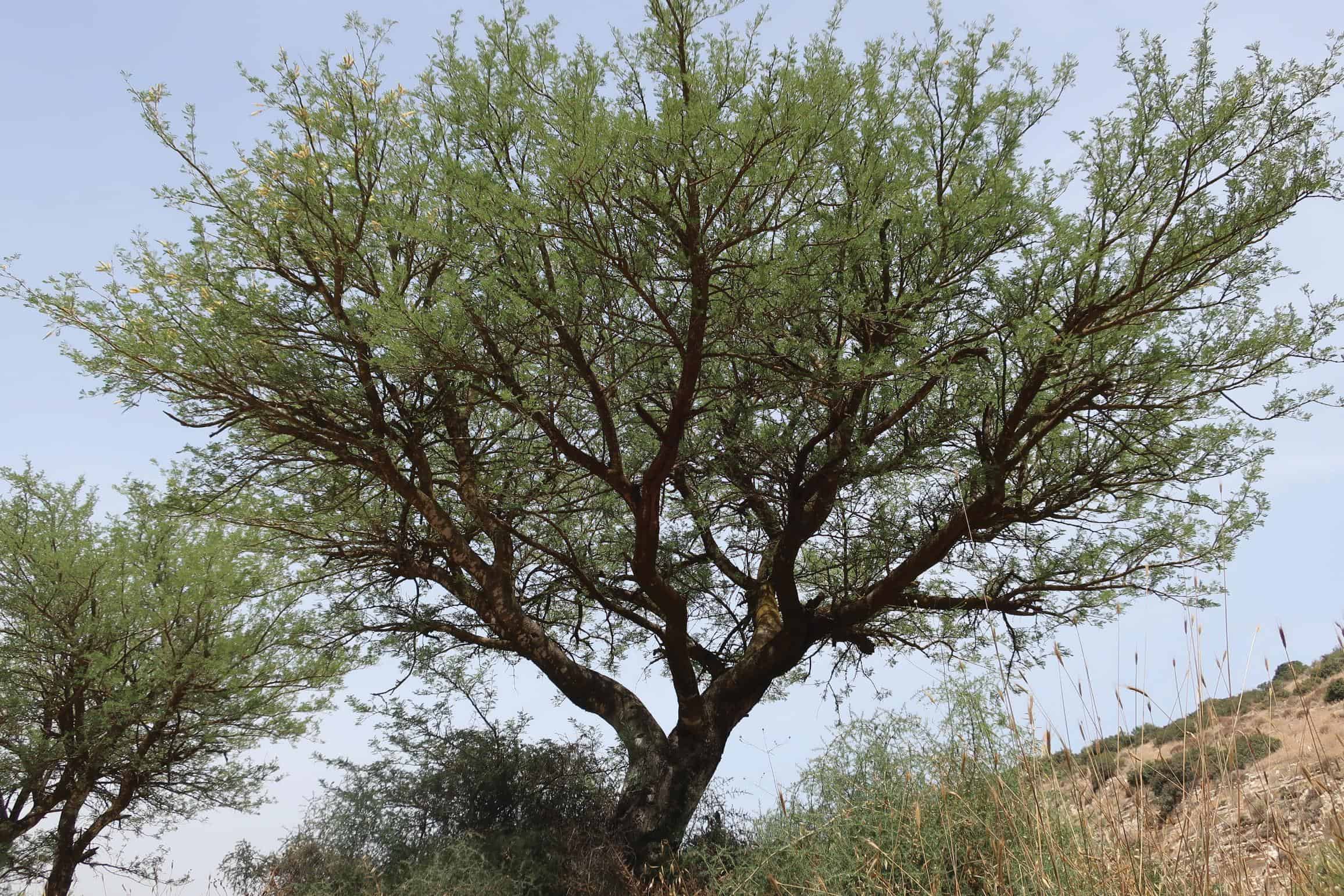
Every year, on the second Friday of October, Namibia celebrates Arbour Day, where one tree is at the centre of attention, and tree-planting activities happen countrywide. This year, the ana tree has been announced tree of the year – a tree species with a height ranging between 10 and 20 metres, but with a history of classification confusion. While they are quite a bit taller than the acacia trees found countrywide, they have resemblances, which initially led to the ana tree being wrongly classified as an acacia species. However, the differences were noticed, and the tree was reclassified. The ana tree has a combination of straight thorns, spiked flowers and produces new leaves and flowers in winter. Those were the main differences leading to its reclassification.

The ana tree is found in the northwest, central west and in areas of the Kavango and Zambezi regions. This tree species thrives along rivers, where it has access to water most of the time. Its bark is smooth and becomes scaly with age. Older bark is irregularly fissured, forming scales. The range of bark shades varies: the bark of young trees has grey and brown shades, while older trees have bark with dark grey scales. The branches appear to be pale grey with a little greenish appearance on them.

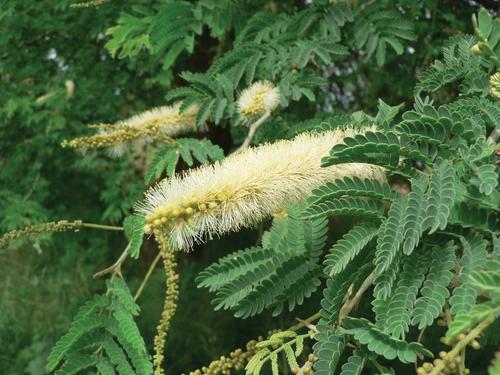
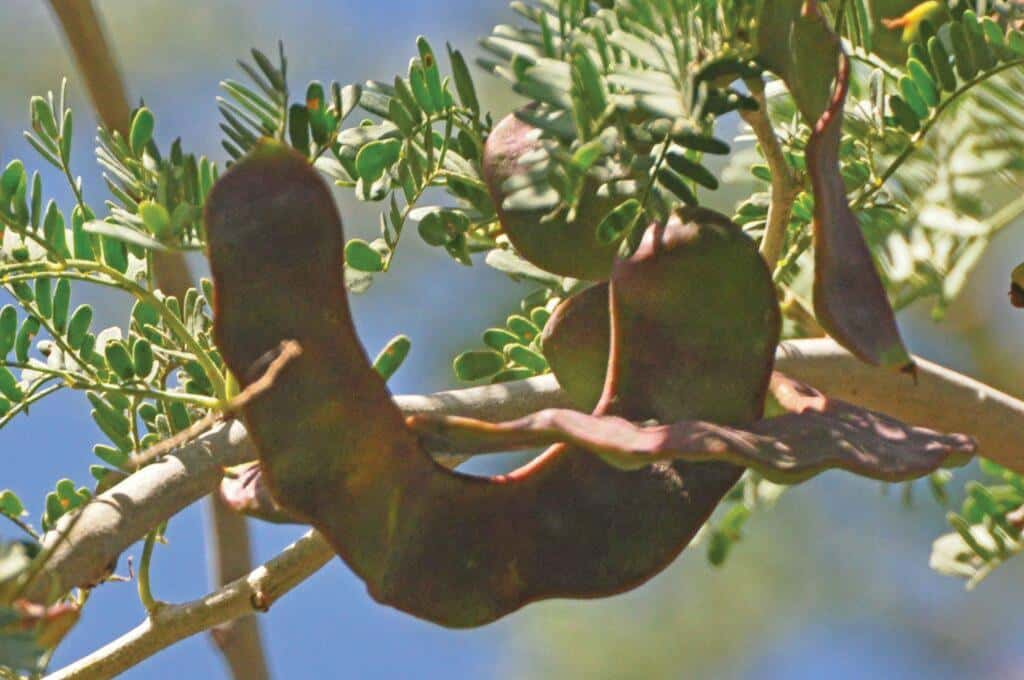
The leaf arrangement of the ana tree is bipinnate. The leaves are quite small, paired in a range of 3-8, while a leaflet can have 7-20 leaflet pairs. The tree produces flowers in the form of fluffy spikes that have a dull yellowish colour, and the fruits are hairless and sickle-shaped pods with a red to brown appearance. The pods remain intact and do not split open as they mature, while their seeds are dark brown and have a smooth texture.

The ana tree is a protected species under our forest act because it is heavily utilised by both livestock and game such as elephants and baboons, which browse the pods as a delicate snack. The composition of the pods is recorded to have protein, carbohydrates and oil, and they contain tannin. Tannin is a naturally occurring water-soluble polyphenol and is found in parts of the plant such as the bark, leaves, fruits and seeds. It is produced to defend the plant against pathogens and insects. Tannin from the green bark of the ana tree is used to dye leather, and there are traditions where the water from the boiled bark is known to be used as a remedy to treat diarrhoea.

The wood of the ana tree is soft and dries easily. It is therefore easy to work with but unfortunately not resistant to termites, although it is used to construct hut frames or to make drinking and feeding troughs for animals. The tree is known to grow fast in the right conditions, but it does not tolerate severe frost. We are fortunate that frost is not a dominant weather condition in our arid country.

Due to its large size, the tree is an important shade tree for livestock and game, especially in the arid areas in the west. In addition, the ana tree plays various roles in serving the ecosystem, such as the prevention of soil erosion in riverbeds. This makes it an important tree for its surroundings, especially in ephemeral rivers.

I will always advocate for indigenous plants, and this is one of our protected species that can be easily grown from seeds. Namibia has set a target to grow a million trees by 2030. As a plant enthusiast, I am delighted to hear that our country is considering such a great initiative. My hope is that we will grow indigenous plants only and that thorough identification and mapping of the deforested areas have been done throughout the country. I also hope that species selection was done carefully to cater for all angles, support livelihoods, consider the tourism sector and preserve our water resources, amongst other things. If this has been done, I fully support this initiative. After all, today’s seedlings will be tomorrow’s forests.

From the November 2026 issue

Share:

More Posts

Made in Namibia, by Namibians

August 26 Manufacturing makes garments and footwear in Windhoek and Okahandja—PPC, healthcare and workwear for mining, oil and gas, hydrogen

Sign up for our newsletter