Count Me In: San inventiveness at its best
Discover how Ju/’hoan translators in Namibia developed an innovative counting system while preserving language, culture, and oral storytelling through Bible translation.
By Madeleen Duvenhage
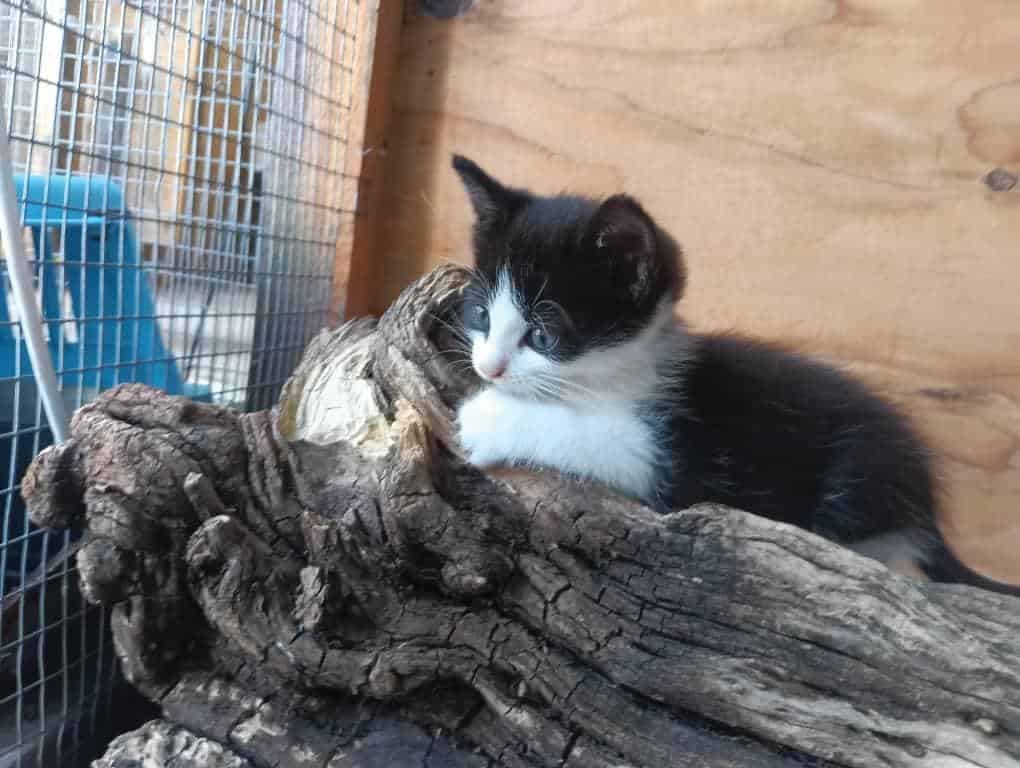
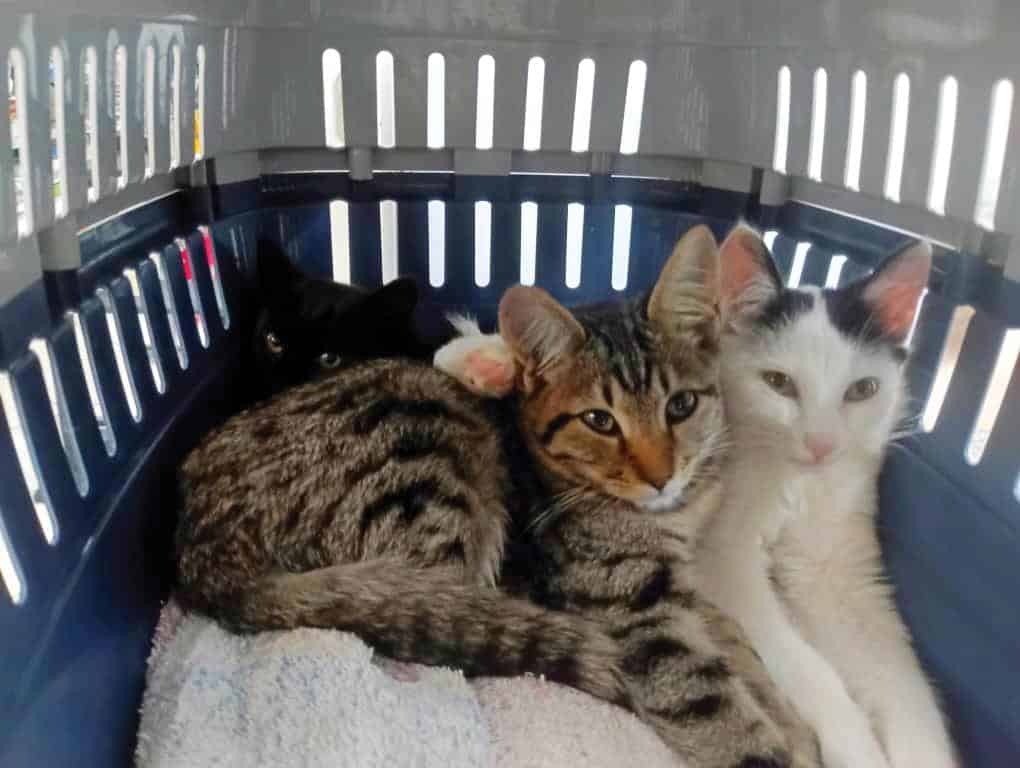
There is another side to Windhoek – one that transpires in ignored, inconspicuous places. Behind buildings, along hospital grounds and in the margins of neighbourhoods, small colonies of cats scamper and squirm through the city, largely unseen. It is here, in these musty, dark corners, that Triglav Trust has carved out its purpose.
Founded by sisters Ronja and Tanja Lyhs, the trust did not begin as an organisation but as a simple act of intervention. In 2021, using a rented trap cage from the Cat Protection Society of Namibia, they set out to rescue a mother cat and her kittens at the Goethe-Institut. What they encountered, however, was a much broader need that would steadily start reshaping their engagement.
What followed was not an overnight decision to set up an institution, but a gradual deepening of commitment. Veterinary care, food and equipment were initially funded from their own pockets. As more calls for help came in, the scale of the work expanded, along with the sisters’ expertise in safely trapping cats in challenging environments.
At the core of their work is an approach known as trap– neuter–return, or TNR. Around the Central Hospital, this method has been applied over the past five years, stabilising cat populations and improving their overall health. Cats are humanely captured, sterilised, ear-clipped and returned to their environment, where they are regularly monitored and fed.
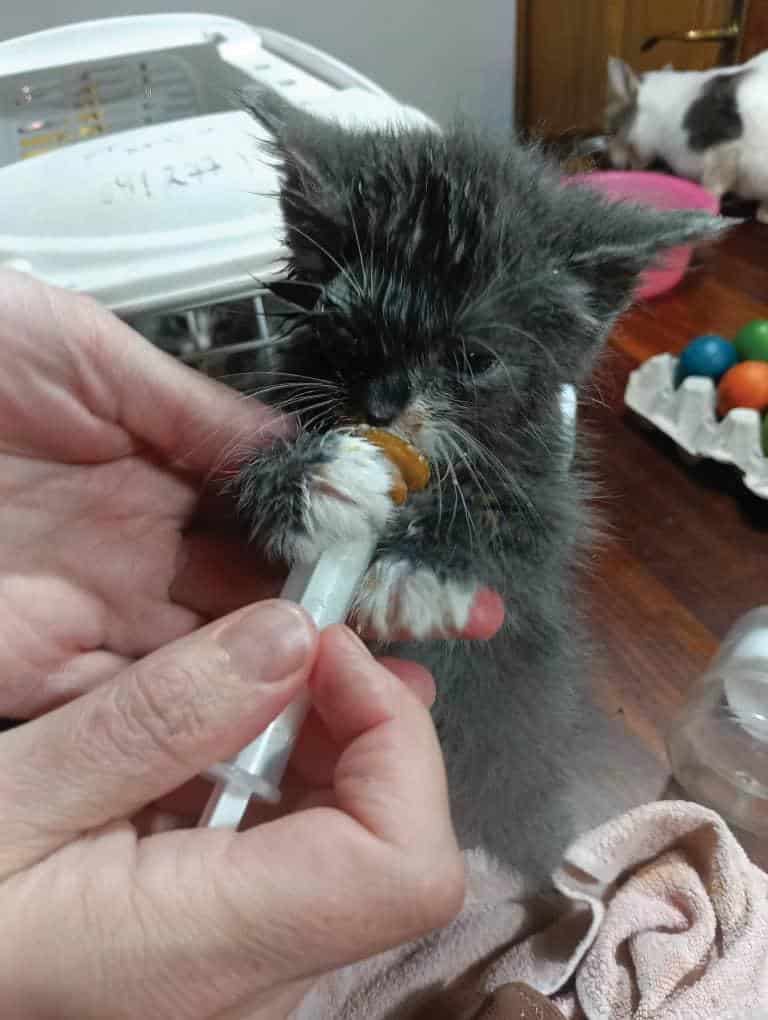
But rescue work does not always end with release, as Ronja points out. Many animals require further care. Kittens are often fostered or transferred to the SPCA Windhoek, while others remain under the direct care of the trust. “We are suckers for the sick, weak ones,” she admits.
Today, more than a hundred cats and kittens have been taken in by the Lyhs sisters.
By 2023, it became clear that the project required more credibility. The formal registration of Triglav as a trust allowed the sisters to broaden their support base and build a more organised operation. A purpose-built cattery now houses cats in carefully managed spaces, from mothers with kittens to those needing medical or behavioural attention.
Even so, the realities remain demanding. Many kittens arrive sick and do not survive. Veterinary expenses are high, and the need for food is constant. Much of the work still takes place at the Lyhs’ home, where sick animals are quarantined and tirelessly cared for.
Amid the intensity of rescue work, a different concept has found its way into the Trust’s story. Dancing for Purrs brings together Windhoek’s dance community in a collaborative fundraising production inspired by a similar South African initiative.
For Ronja and Tanja, both long involved in the performing arts, the idea felt instinctive. The event is entirely donationdriven, with performers, venues and production elements contributed by the community. This ensures that proceeds support organisations such as Have a Heart Windhoek and Namibia, Snout Project Namibia and Triglav Trust.
The first production in 2025 proved both popular and impactful, with plans to grow the event into an annual fixture that raises not only funds, but awareness and involvement.
In the sprawling city’s isolated back streets, the daily routine continues. Feeding takes place twice a week across existing colonies. Health checks are ongoing. Some cats are rehomed, while others remain part of managed colonies that now thrive where once they struggled.
From donating and fostering to adopting, volunteering or simply spending time with the animals, there are many ways to support the Triglav Trust. Each one helps to sustain the work.

Discover how Ju/’hoan translators in Namibia developed an innovative counting system while preserving language, culture, and oral storytelling through Bible translation.

Explore the opportunities and challenges shaping Namibia’s energy future, from offshore oil and gas to infrastructure, investment, and long-term industrial growth.

Discover how award-winning Namibian filmmaker Laudika Hamutenya went from drawing comic books to showcasing authentic African stories on the international stage at Cannes.

Discover how Namdeb is building a diverse and inclusive workforce through talent development, leadership opportunities, and a culture of belonging in Namibia’s mining sector.