Lighting up the ordinary with technicolour
Discover how Windhoek residents Kat Stahl and Wynand Lens are transforming neglected bus stops into vibrant public artworks, inspiring community pride, creativity and positive urban
By David Bishop
Hopefully all the public holidays in May and the long school holidays mean that you have had some time to relax and slow down because it is already June!
Half the year has once again rushed by in a blur and if you are anything like me, you probably feel like you have been busy the whole time and done so much but also feel like you have not really accomplished anything. Psychologists explain that time feels like it goes faster as we get older because of the proportion of our lives represented by one year. In other words, when you are young, a year can be a large proportion of your total age, but when you are older, that proportion gets smaller and smaller. It is also because when we are younger, we experience so many “firsts” (every day can literally bring with it amazing new discoveries and experiences), whereas when we get older we are more likely to get stuck in a routine and end up doing the same things day in and day out.
One of the suggestions psychologists put forward to avoid each week simply blending into the next is to “mix things up” by taking a different route to work, taking up a new hobby or even trying to listen to new or different music, but that of course is easier said than done. With life as busy as it is, it is hard enough just making it through the day with enough energy left to make even the simplest of decisions. Or, as the rueful joke goes, “the hardest part of being an adult is figuring out what to cook for dinner every single night for the rest of your life until you die.”
There are several other theories put forward for why time seems to speed up, including decreasing neural processing, the fact that as we get older our brains process information slower, taking in fewer new images per second compared to younger brains, and even the fact that as we get older our metabolisms slow down, which can lead to faster internal timekeeping. What is not often mentioned, though, is the battle for our attention.
“We have been conditioned to see boredom as something bad, something unproductive, and something to be avoided at all costs.”
Concerns about how many things are competing for our attention are not new, with American psychologist Herbert Simon warning as far back as 1971 that “a wealth of information creates a poverty of attention”, but without a doubt they have become even more pressing in our day and age. WhatsApp and internet-enabled cellphones have seen work bleed into private life, with some companies and bosses expecting employees to be available all the time. Mobile games and online gambling are advertised to us almost everywhere we look and, as proven in the recent court ruling against Meta and YouTube, social media has been specifically designed to be addictive. Unless we specifically turn off notification “pings” on our phones throughout the day, when do we get to just be quiet?
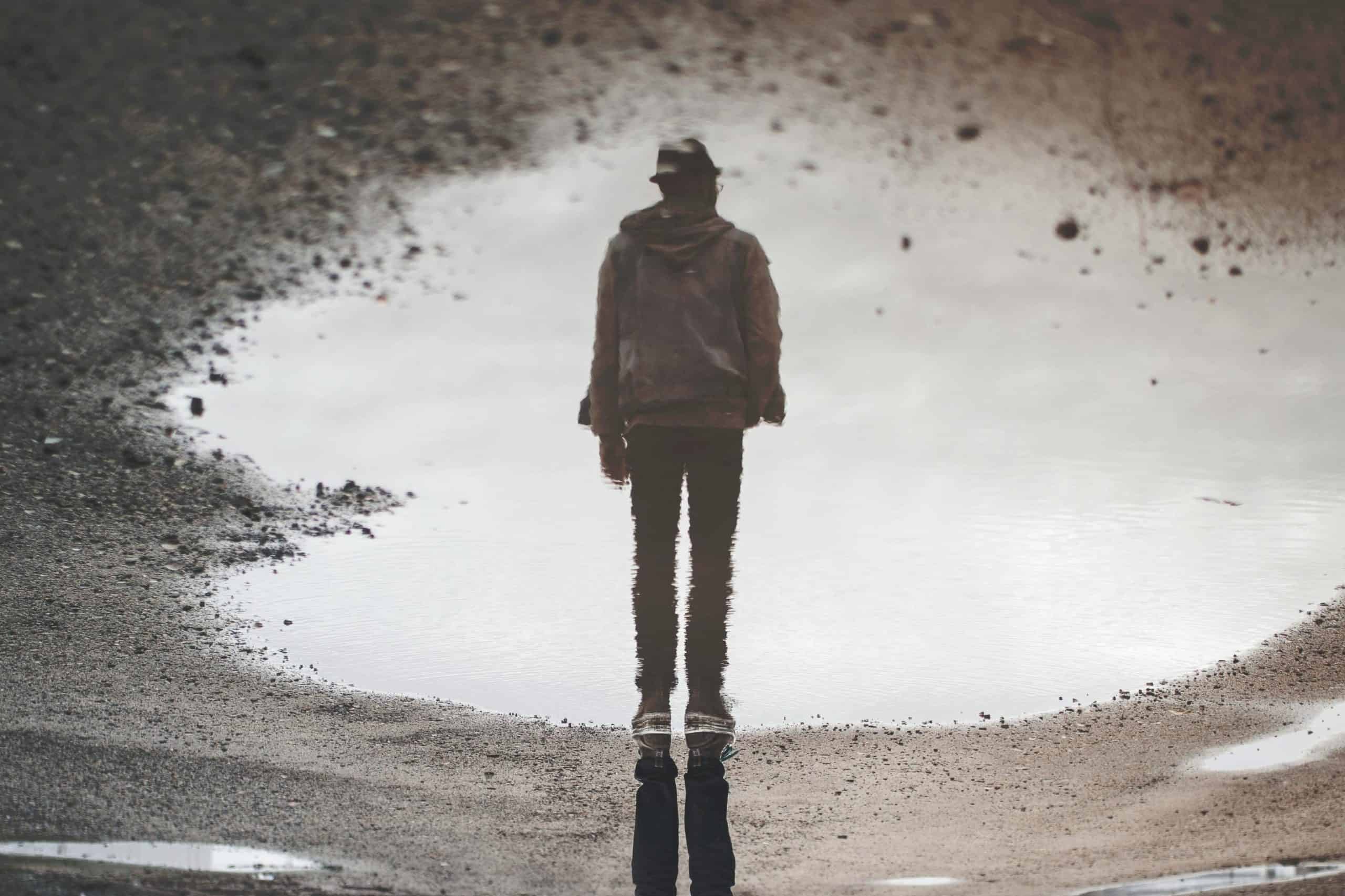
This is a more important question than we may think, because being quiet is exceptionally important. Quiet is where we can be inventive and creative, where we can be self-reflective, and where we can reset our nervous systems and heal. Quiet is where we embrace boredom and reset our brains to their “default mode”, an uncomfortable state that Harvard professor Arthur C. Brooks describes as “a bunch of structures in your brain that switch on when you don’t have anything else to think about.”
We have been conditioned to see boredom as something bad, something unproductive, and something to be avoided at all costs. But it is something we should actually be seeking out and, ironically, it might just be a trend on social media that gets us there.
Gen Zers on TikTok have popularised what they call “rawdogging life,” experiencing “unfiltered boredom” with no digital distractions. While grumpy, pedantic, old men like me will argue that this is nothing new, that it is just a form of mindfulness meditation, and that it is something that has been taught in Buddhist theory for centuries, it is still a good idea. So, if you are reading this on the aeroplane: when you are done, close the magazine and take 15 minutes to just sit with your thoughts, take in the people around you, the colour of their hair, what kind of clothes they are wearing, what the seat you are sitting on feels like, how you are feeling and, if you are lucky enough to be sitting next to the window, how the landscape below you looks like and makes you feel.
Enjoy the quiet, embrace the experience, take it all in, and…
Until next time, enjoy your journey

Discover how Windhoek residents Kat Stahl and Wynand Lens are transforming neglected bus stops into vibrant public artworks, inspiring community pride, creativity and positive urban

Discover how to spend 24 hours in Windhoek with this curated guide featuring scenic hiking trails, local culture, traditional Namibian cuisine, rooftop dining and the

Namibia’s 2026 State of the Nation Address highlights economic growth, infrastructure development, governance reforms, energy investments and job creation as the government advances Vision 2030

Namibia is advancing its sustainable finance agenda as RMB Namibia and the Bank of Namibia lead efforts to unlock climate finance, attract investment, and support