
Made in Namibia, by Namibians
August 26 Manufacturing makes garments and footwear in Windhoek and Okahandja—PPC, healthcare and workwear for mining, oil and gas, hydrogen and government.
By Rukee Kaakunga
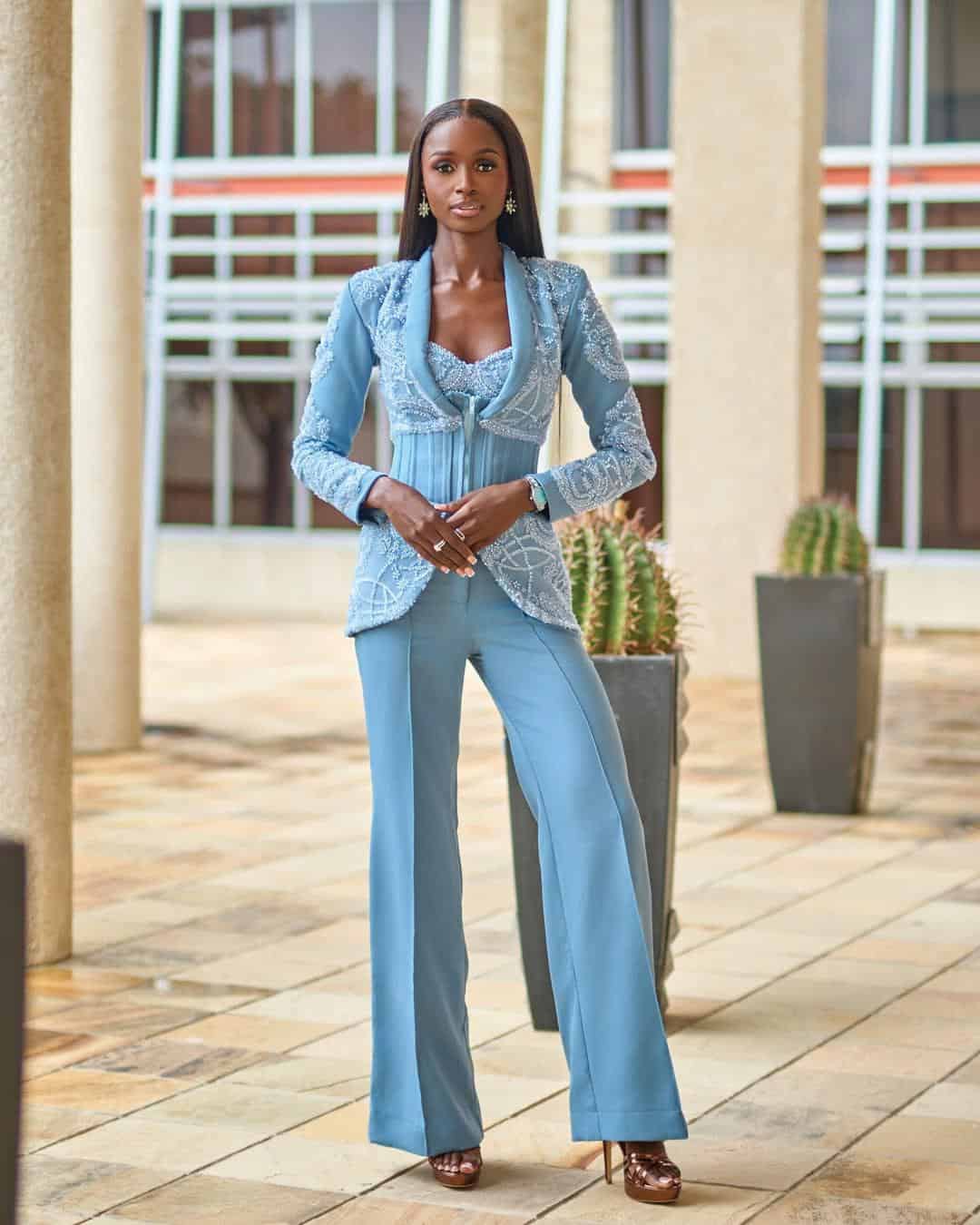
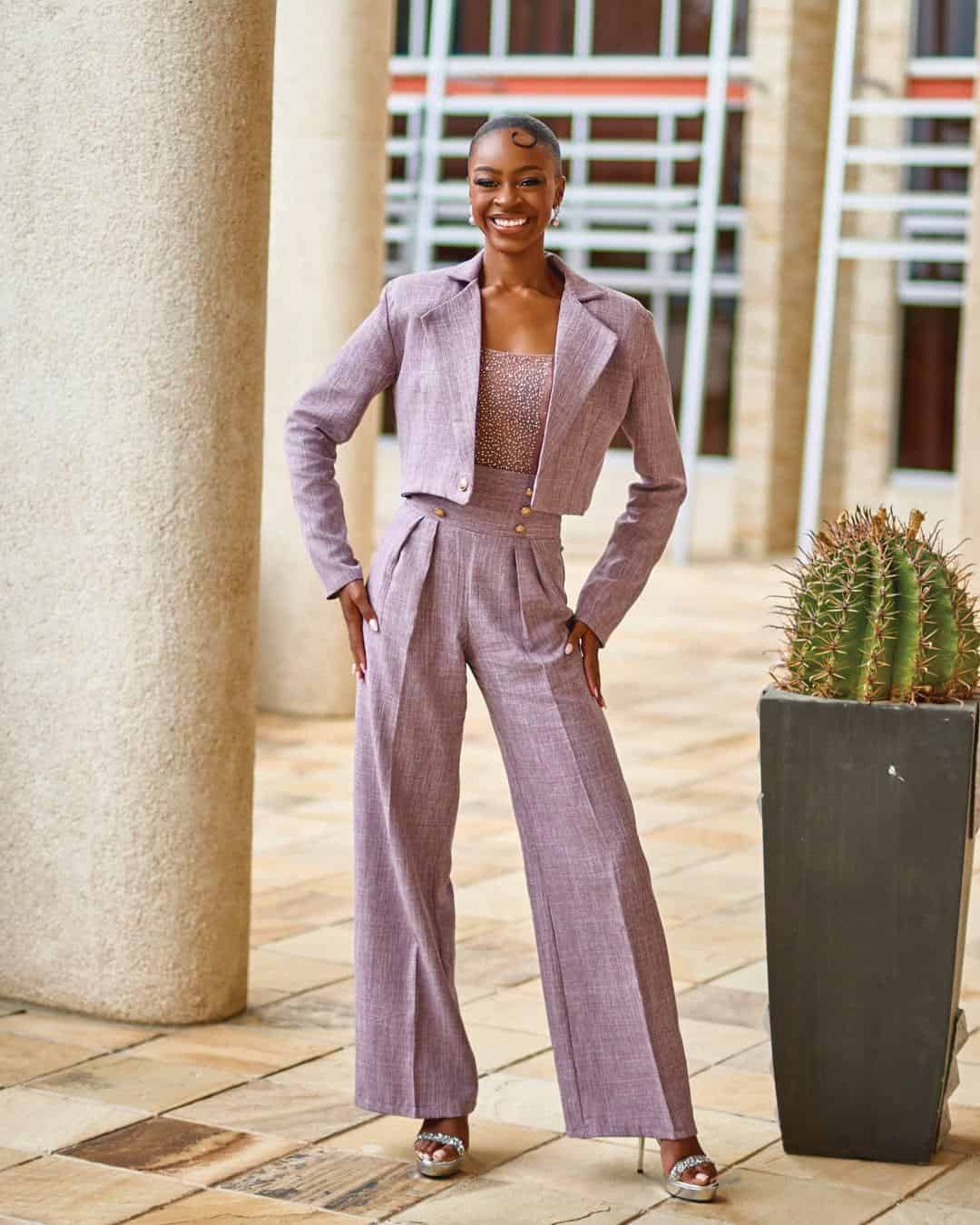
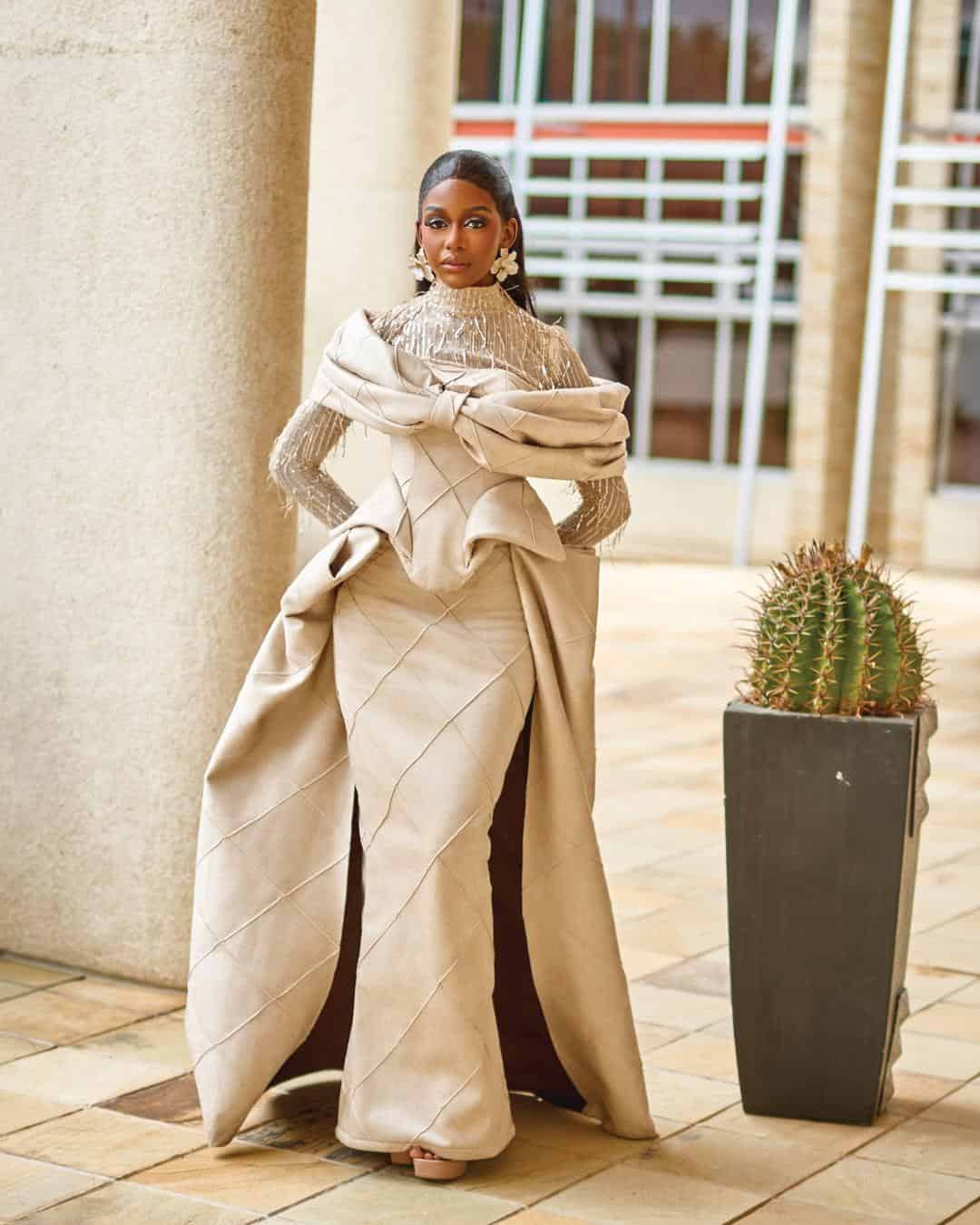
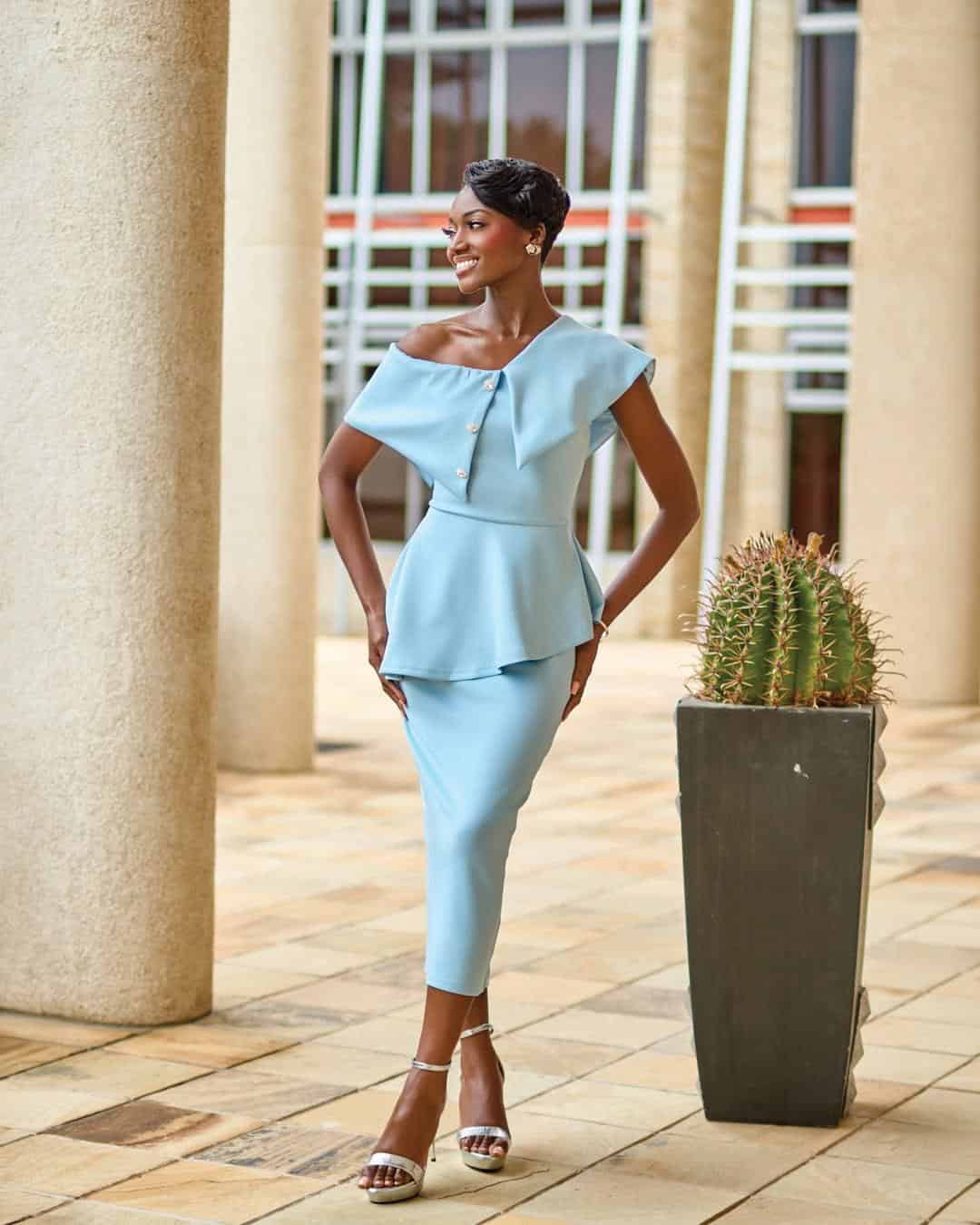
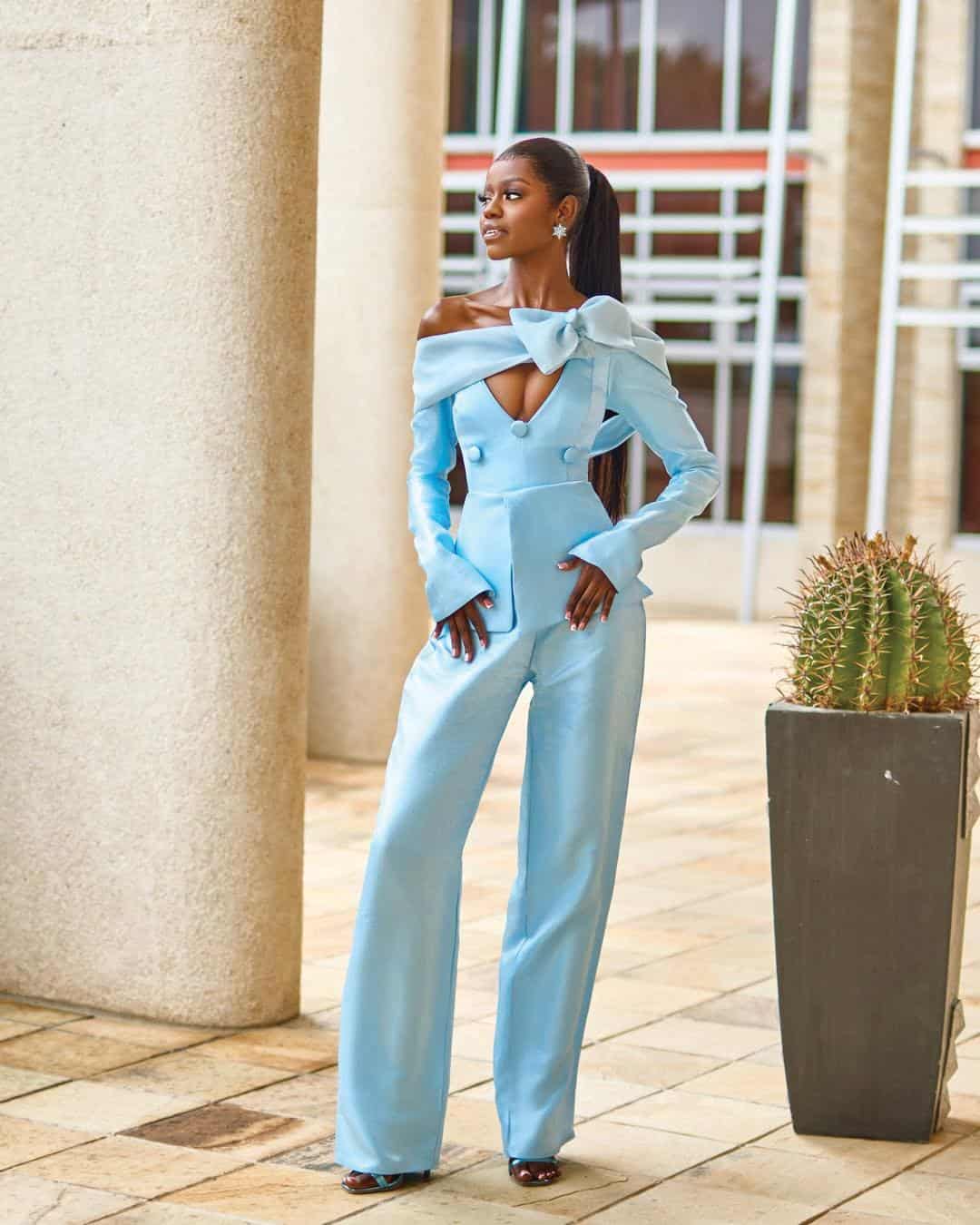
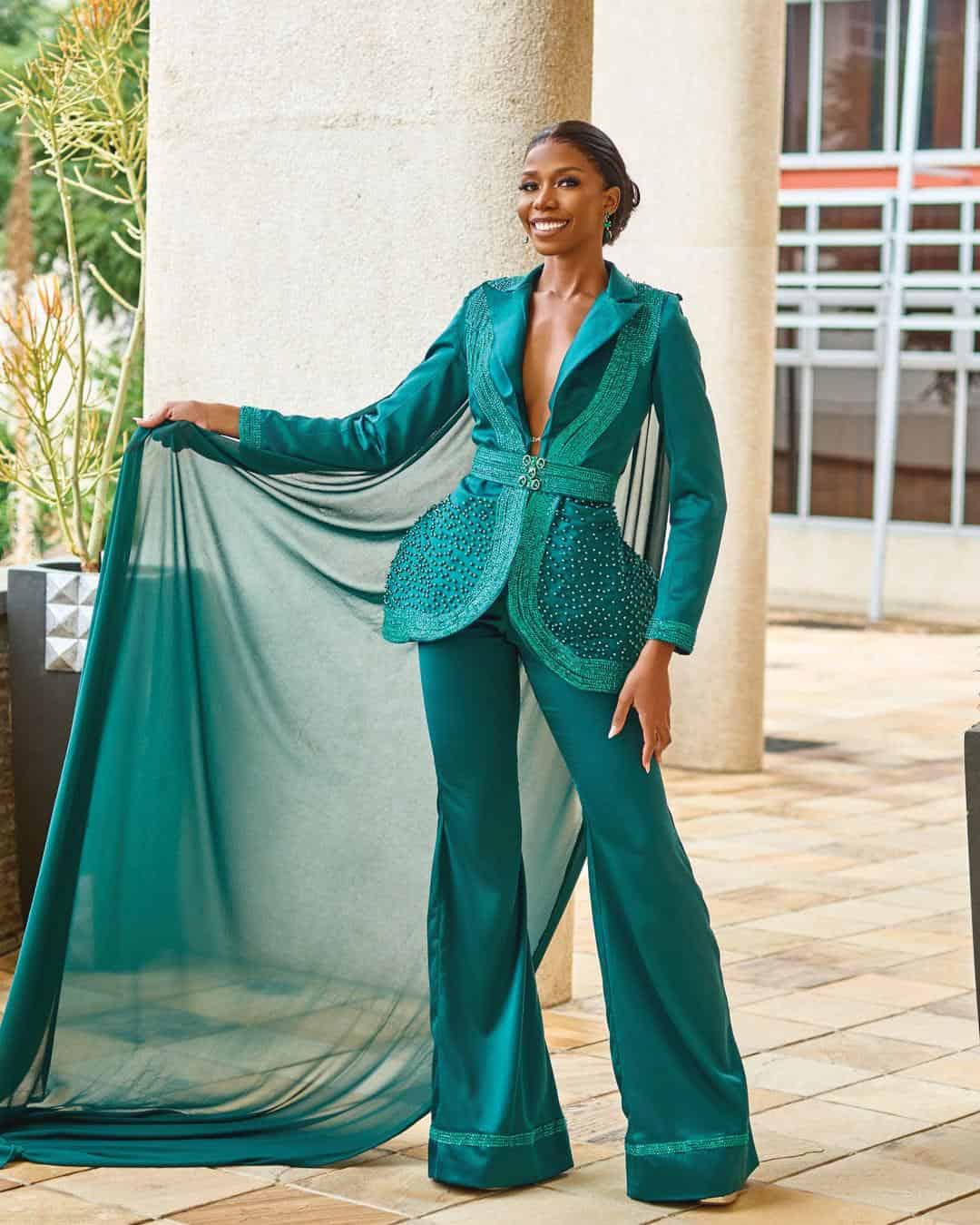
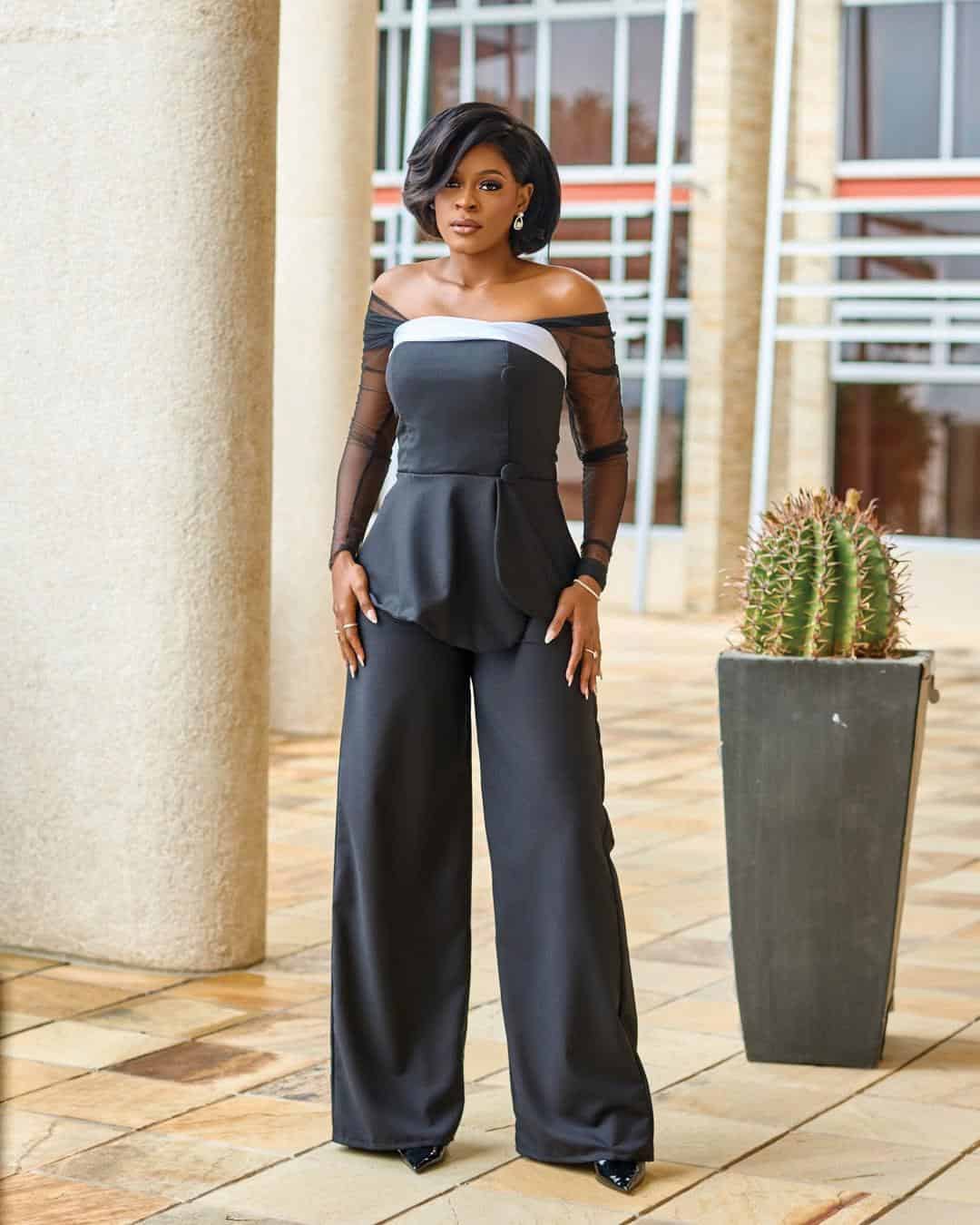
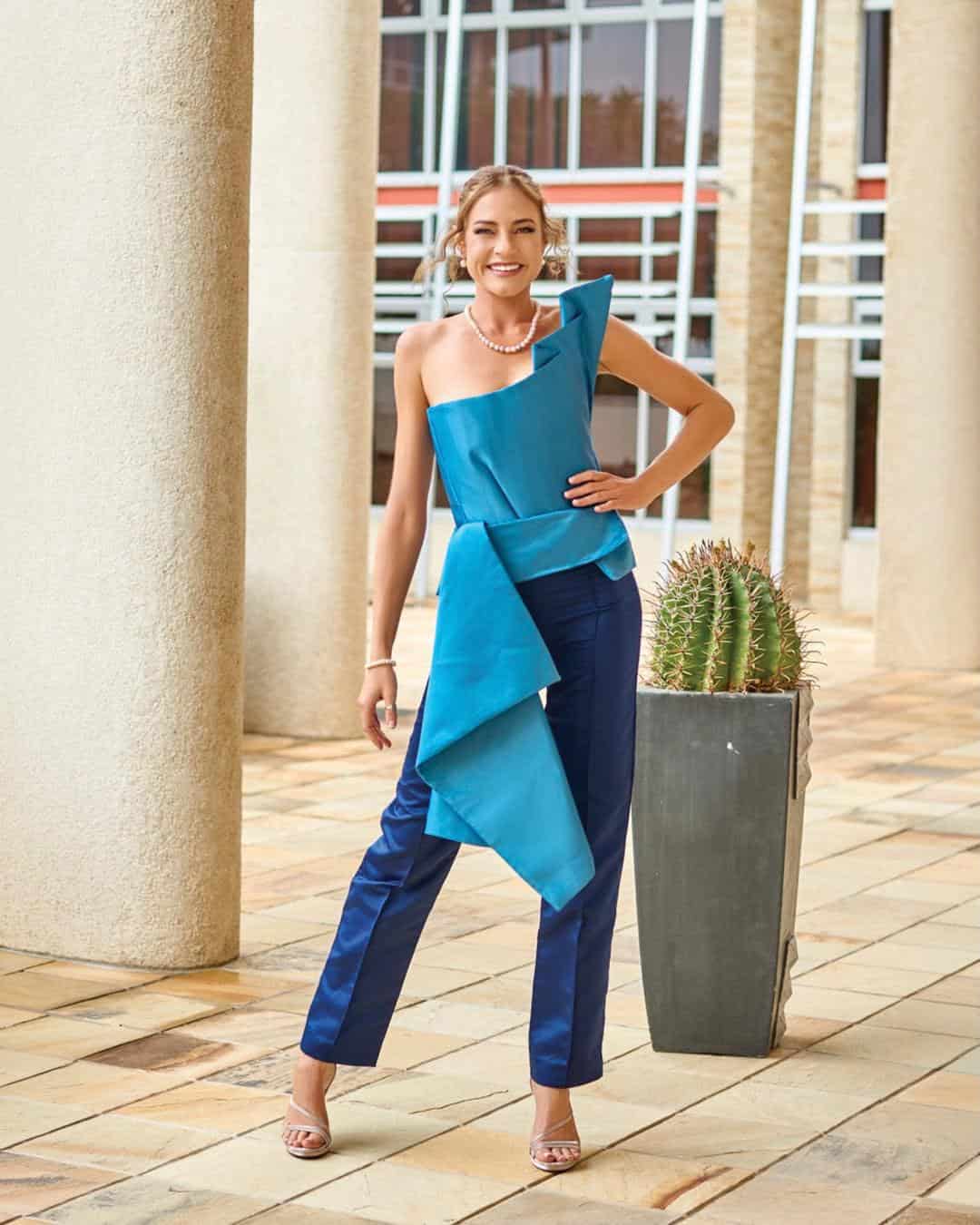
“Celebrating Legacy, Embodying Unity” was the theme for the 2025 edition of the Miss Namibia pageant. This time around, as the pageant ushers in a new era, contestants and the public are invited to celebrate the crowning event through its “Empowerment” theme.
“For 2026, the evolution lies in moving from celebration into action and impact. This year’s direction is centred on empowerment, not only for the contestants but for Namibians at large,” says Beaulah Boois-Beukes, the pageant’s new national director.
While the pageant continues to serve as a platform celebrating Namibian heritage and identity, the 2026 edition places a stronger emphasis on youth influence and development, according to Beaulah. “This evolution is about building on unity and legacy while preparing a generation of titleholders – both former and current – who can confidently engage with global conversations and local realities alike.”
This year’s edition introduces a more immersive and nationally inclusive approach by allowing the public to design the national crown and a national costume through design competitions that will be open ahead of the crowning event.
Beulah adds, “We are also placing greater focus on audience interaction and transparency throughout the journey, ensuring that the public feels more connected during the process rather than only at the final crowning moment.” This will be created with the introduction of vodcasts and live streaming elements during the Top 10 excursions over the course of the campaign.
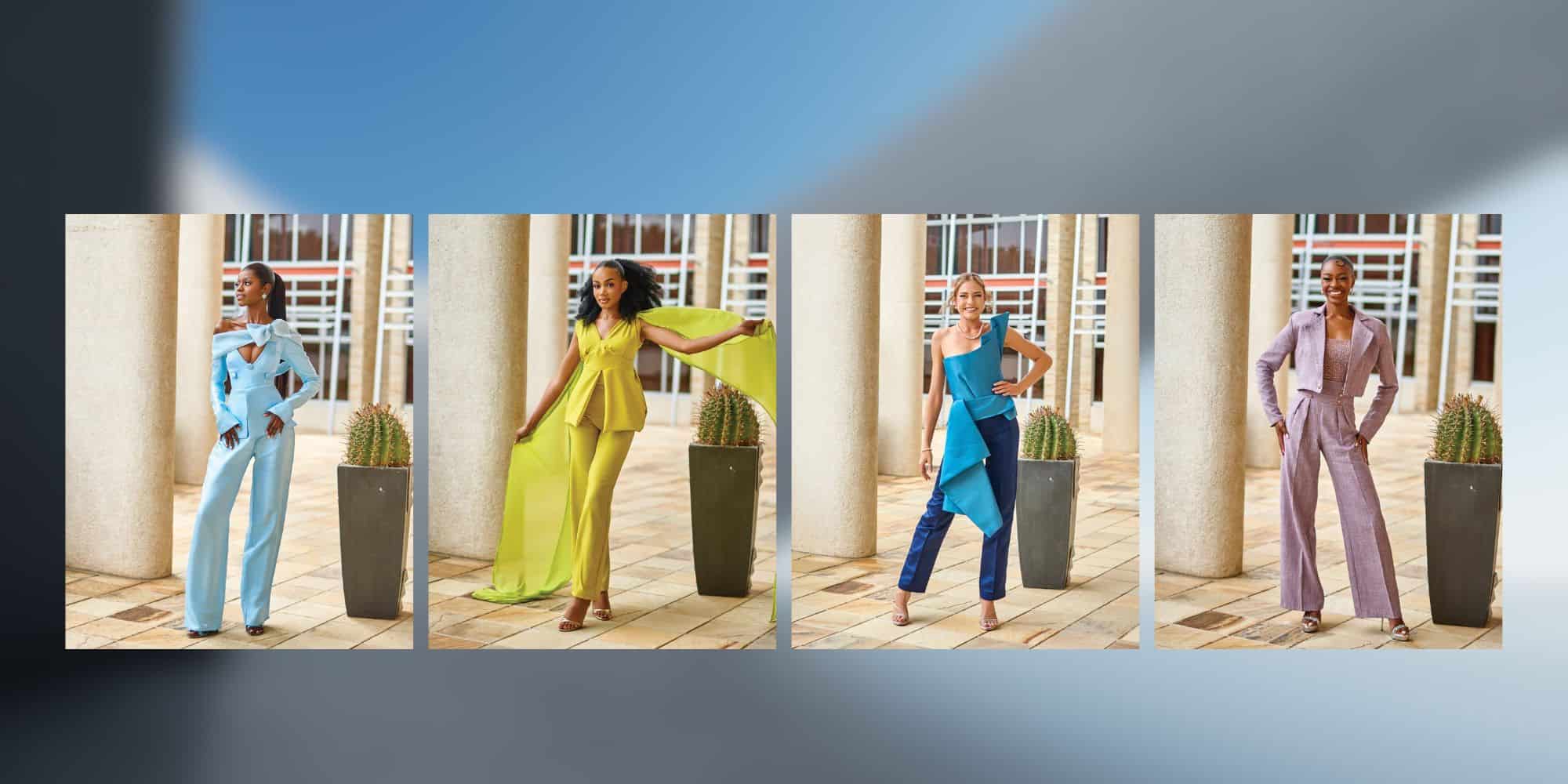
Photography: Shotbyalpo for Keen Studios
Over the last few years, the Miss Namibia pageant has been hosted in a different Namibian town each year – a move aimed at giving all citizens a chance to be part of one of the country’s biggest national events.
This time around, the crowning event will be hosted in the Omaheke Region. “The decision reflects the organisation’s continued commitment to decentralisation, national inclusion and regional economic participation,” says Beaulah of this year’s host town.
Taking the pageant to the Omaheke Region means that the pageant will have officially covered all four corners of the country. The Omaheke Region offers a rich cultural identity, warm hospitality and a unique landscape that aligns with the vision for the 2026 edition of the pageant. The preliminary competition took place on 9 May at Zest Mediterranean Restaurant in Windhoek. It was here that the Top 10 were selected.
These finalists will now take on “the road to the crown” in a publicly documented journey of transformation. Through pageant training, development of their advocacy projects and refinement of their communication skills, they will be shaped into more than competitors; they will be empowered women, ready to represent Namibia on a global stage. Upon completion, they will battle it out for the national crown on a stage that is set to showcase their authenticity, confidence, intellect and purpose.

August 26 Manufacturing makes garments and footwear in Windhoek and Okahandja—PPC, healthcare and workwear for mining, oil and gas, hydrogen and government.
With youth joblessness at 44.4%, Namibia cannot recruit its way out of a skills gap. Leadership means first chances, local contracts and real knowledge transfer.
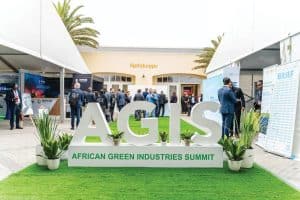
At AGIS 2026 in Swakopmund, Namibia set green industrialisation as a jobs strategy—hydrogen, iron and ammonia under NDP6, not just raw-material exports.
First oil is not the starting line. At NOGC 2026, Namibia’s energy talk shifted to readiness: local content, joint ventures and capability before procurement.