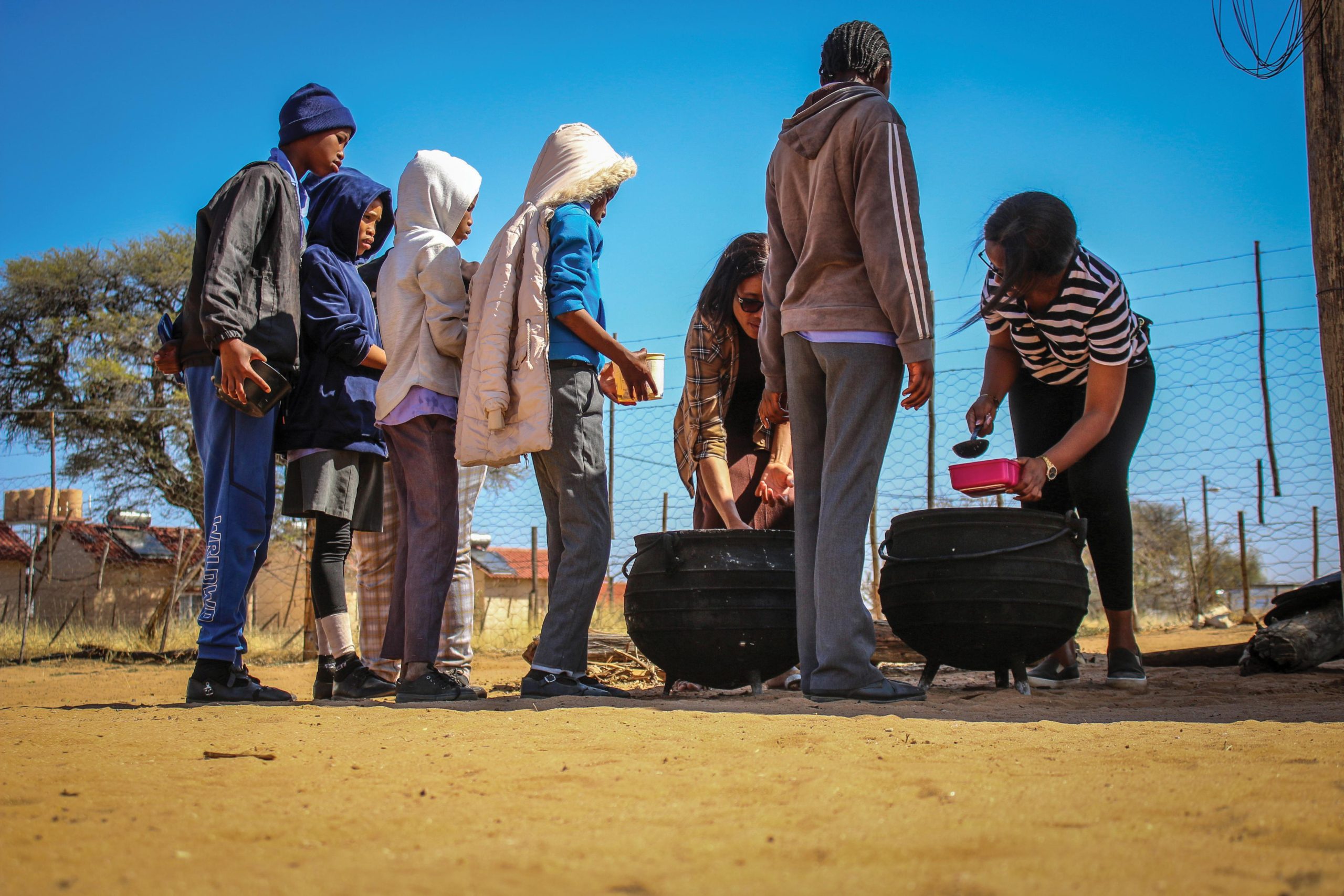
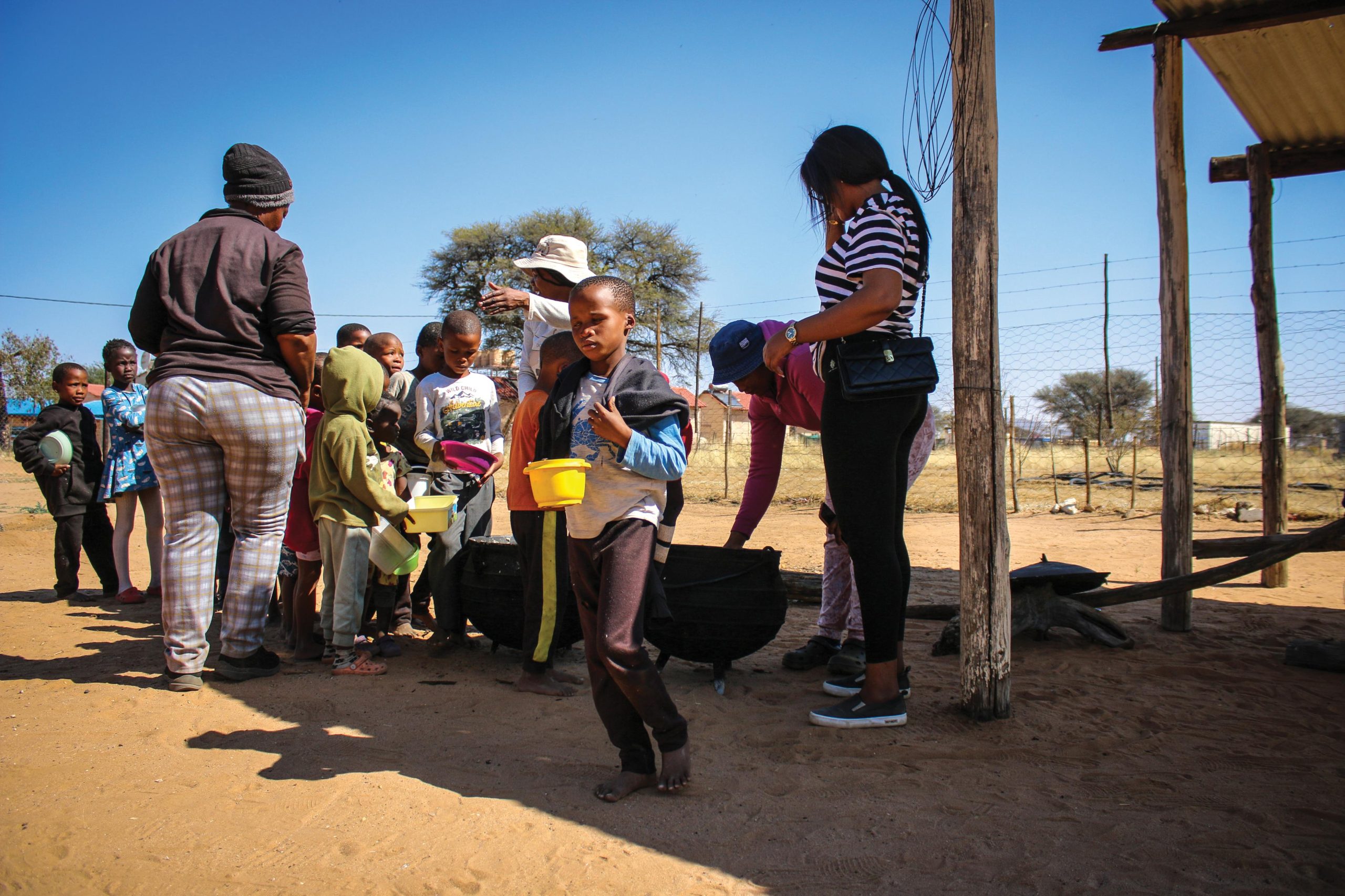
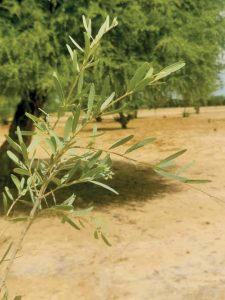
In the arid landscape of Namibia’s Omaheke Region lies the small village of Tsjaka, also known as Ben Hur. Apart from the occasional child riding a horse to the local shop, the settlement is usually very quiet. But at least five times a week the silence is broken by the lively sounds of laughter and chatter from under a tree just opposite the Kalahari Constituency Council Office.
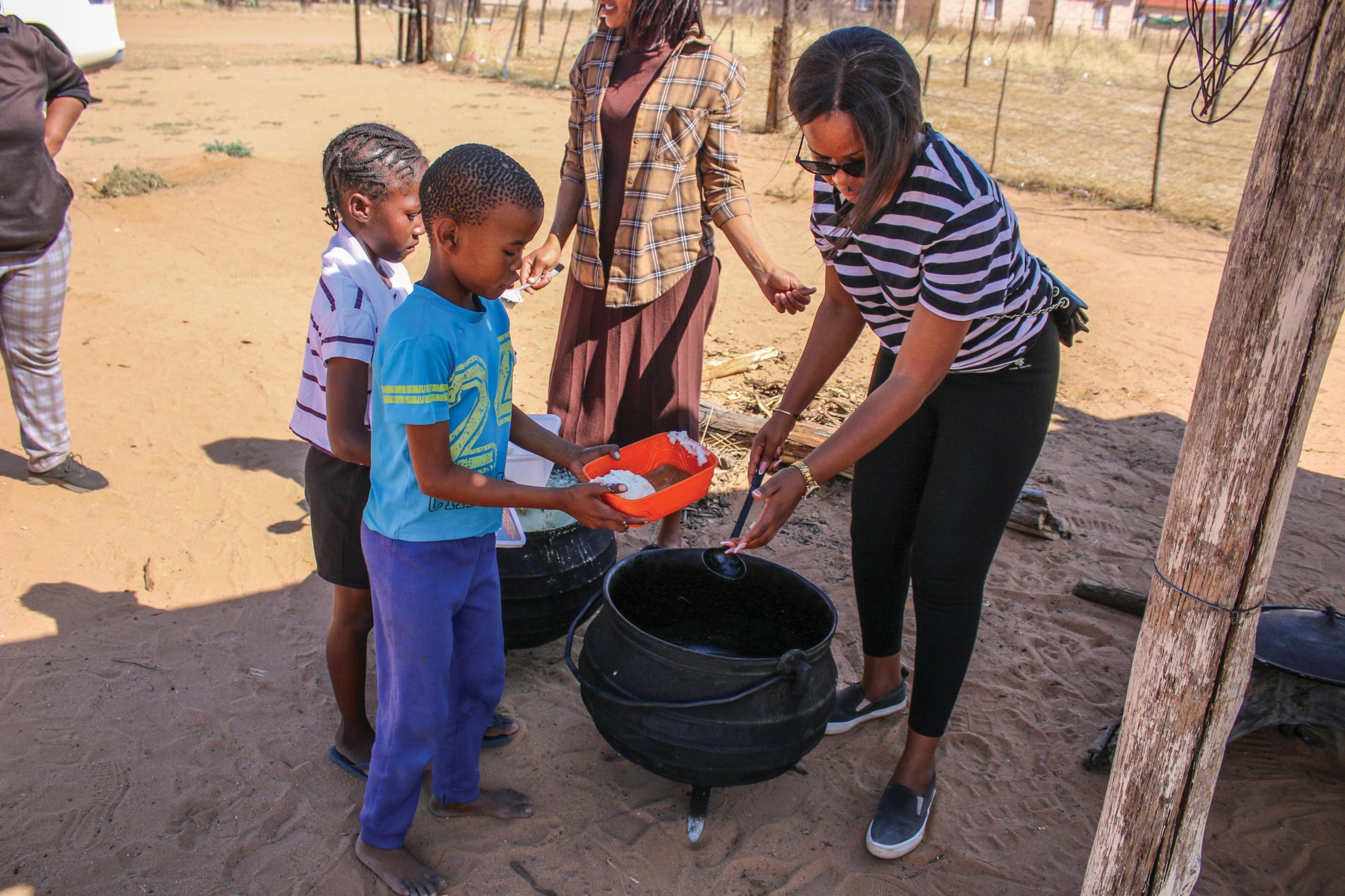
Here, Teopolina Negumbo, affectionately known as “Miss Food” by her learners, serves up hope in the form of warm, nutritious meals to more than 200 children. A teacher at the local school, Negumbo has been running the soup kitchen since 2024, determined to reduce hunger among the village children.
“The children always used to ask me for food,” Negumbo recalls. “So I asked them, ‘How do you survive? Do you have anything to eat at home?’ When I heard the answers, that’s when I knew something had to be done.”
What began as a personal mission using 10% of her salary and cooking outside of school hours, soon grew into a community effort. Friends and parents pitched in, offering whatever they could spare, including their time, to ensure children would not go to bed hungry. Villagers then donated a small outdoor space where Negumbo and her team of volunteers could cook and serve meals to the children.
While the local school has over 500 learners, Negumbo’s focus is on the 300 most vulnerable children who chose to frequent the kitchen from Monday to Friday, even during the holidays. “I check the height and weight of these children on a weekly basis to ensure they are thriving,” she explains. “For most of the children, the nutrient-rich food I serve is their last meal of the day.”
Negumbo’s soup kitchen is, as of recently, one of 40 being supported by the United Nations World Food Programme (WFP) in the Omaheke Region – a region which has one of Namibia’s highest malnutrition rates. WFP supplies fresh vegetables and protein-rich pulses to help ensure the children’s dietary needs are met.
The village of Tsjaka’s main economic activity is subsistence farming with goats and sheep. However, the small population has been left reeling from repeated climate shocks over the last years. Despite this reality, Omaheke has seen improved food and nutritional outcomes thanks to coordinated efforts by the government of Namibia, regional leadership, UN agencies, non-governmental organisations and health officials.
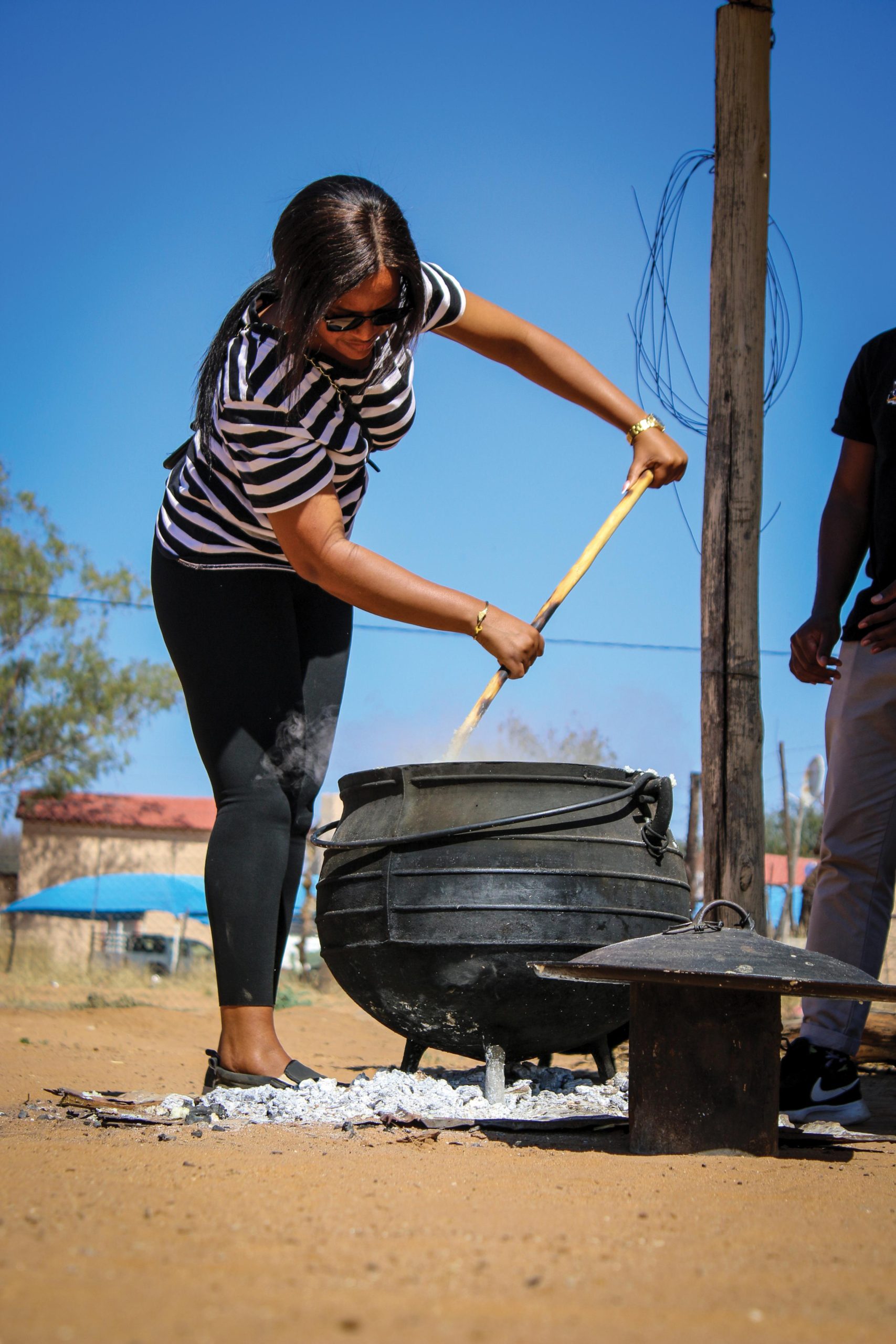
Under the shade of their tree, Negumbo and a handful of volunteers prepare meals in large pots over an open fire. The children sit scattered around the tree, their faces lighting up when they hear the words, “Food is ready, please line up in an orderly manner.”
“This isn’t just about food,” Negumbo insists. “It’s about giving these children a future.” The United Nations World Food Programme is the world’s largest humanitarian organisation, saving lives during emergencies and using food assistance to build a pathway to peace, stability and prosperity for people recovering from conflict, disasters and the impact of climate change.