World Wildlife Day was celebrated globally on 3 March under the theme “Medicinal and Aromatic Plants: Conserving Health, Heritage and Livelihoods” – a welcome reminder that plants are wildlife too. Often, charismatic animals like lions and elephants seem to be at the centre of conservation conversations, but this year was different. The theme reminded us that plants are equally important and that they are inclusive of the term “wildlife”. Often packaged as wellness products and labelled as “organic” or “natural”, plants form an integral part of our cultural daily lives.
With many organisations taking the time to celebrate wildlife on this day, a few numbers stuck with me. I read several social media posts on Facebook, LinkedIn and even WhatsApp statuses saying that Namibia is home to more than 195 plant families and more than 4,300 plant species – another reminder about the rich plant diversity across our country.
While all plants play a vital role in our daily lives, this year’s World Wildlife Day celebration focused on plants with medicinal and aromatic potential, recognising their contribution to health, heritage and livelihoods. Wild basil is one of those: a herb that has both medicinal and aromatic uses and one I almost never overlook whenever I am cooking. Admittedly, I am neither a chef nor a foodie, but I surely enjoy food much more when there is an aroma to it and wild basil offers just that. Before I learnt how to cook, I never understood why grandma always made sure we have a few shrubs of the herb around our homestead. Today, I know better than to underestimate its use in the kitchen. Wild basil has an aroma that discards any unpleasant smells from your relish. It is no secret that fish does not have a pleasant smell, but adding herbs such as wild basil does the trick. Whether it is catfish, tilapia or any other fish, adding a few thoroughly washed leaves always gives it a better aroma.
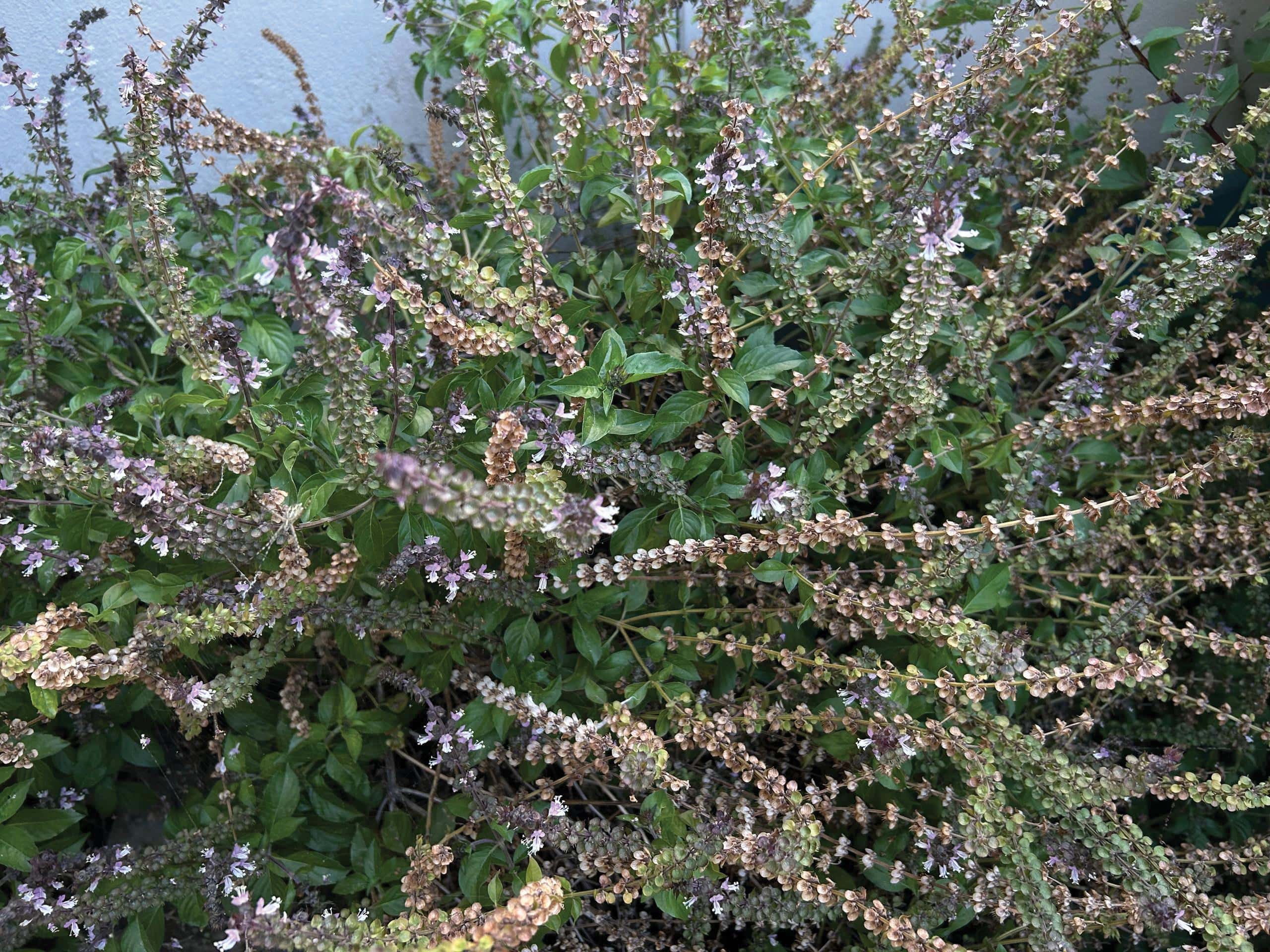
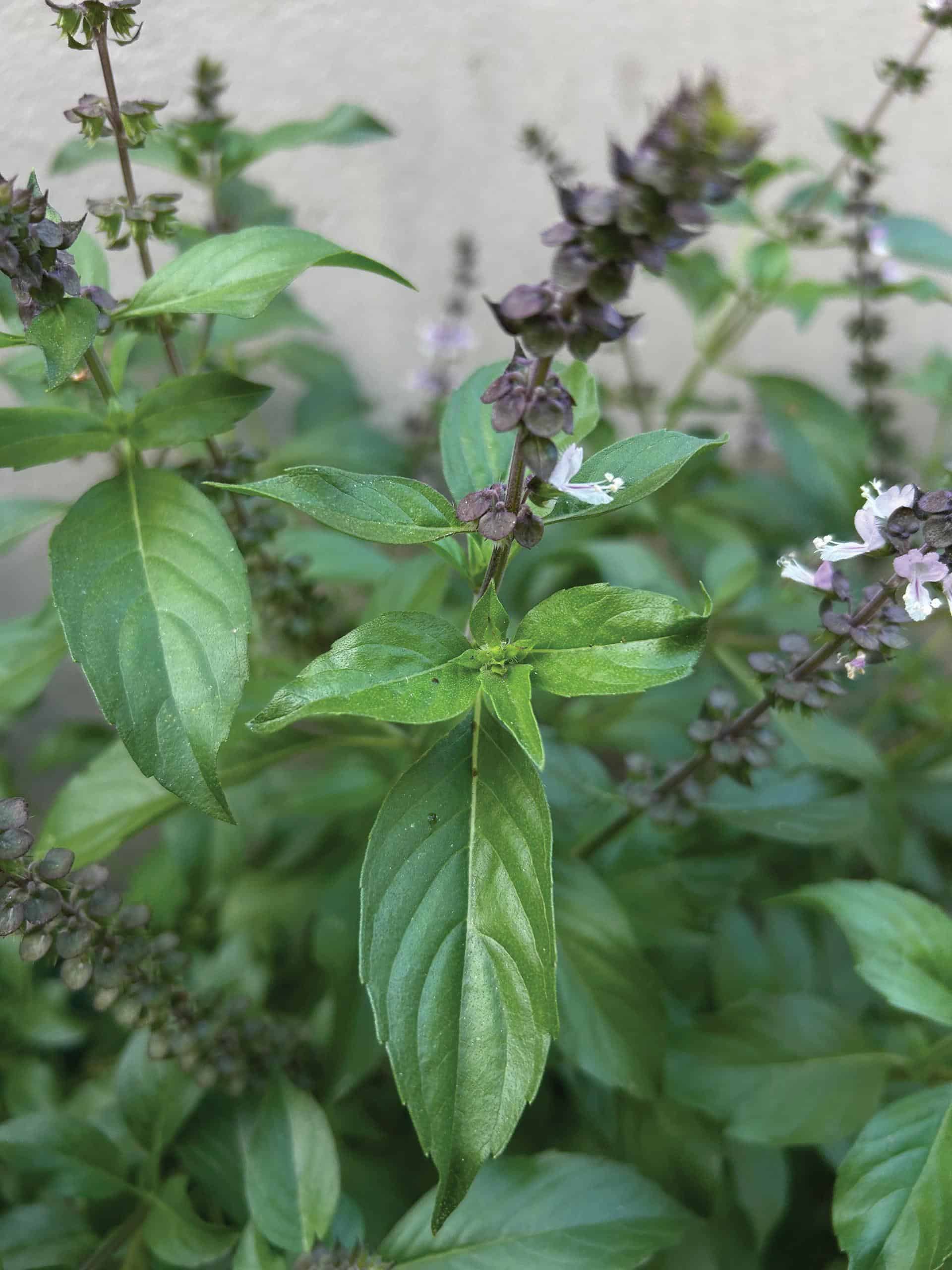
Wild basil can grow up to the size of a shrub. It has broad leaves and it produces small flowers with white or purplish petals. The herb produces small pods with tiny green seeds that turn black once dry. The seeds may be small, but they happen to be quite resilient, with the ability to survive extreme seasons once they fall on the ground, only to effortlessly sprout during the rainy season. Wild basil can be sowed almost anywhere and it will thrive with minimal care.
My phone is a personal library of plant pictures of leaves, flowers, fruits and even seeds which I have snapped over the years, yet basil pictures have never been part of my gallery. I found myself away from the village, so getting a picture of this herb was going to be a struggle (I prefer to take the pictures myself than to look them up on the internet). A blessing in disguise was a visit to my cousin’s place while I was in the capital city. She had the herb in her backyard. In fact, she had several shrubs, so I was able to take a multitude of pictures of my preference.
Encountering the aroma felt like home away from home. Wild basil does not require a lot of water and flourishes throughout the year with minimal care. In the village, it is quite odd if there is no sight of this herb in a homestead. Living near the Cuvelai stream with an annual retreat to free fish requires one to be constantly on the lookout for either fish, mosquitoes or both. Fortunately, the basil aroma also serves as a great insect repellent. As a consumer, I have learned that both the fresh and sundried leaves are perfect for this purpose; it offers the same aromatic intensity.
The beauty of this herb is that you can grow yourself a shrub in no time or several shrubs by just taking cuttings and placing them in a container with water. Roots will start to develop, and you can easily monitor their growth. More root development is recommended if you want to ground your cuttings directly into the soil in your prepared space, or you can place it in a plant pot. Collecting seeds and simply placing them in your preferred area prior to rainfall is actually the easiest way to own your own wild basil shrub.