
Inform. Inspire. Impact
Namibia National Career Week 2026 celebrates 15 years of connecting young Namibians to education, careers and opportunity through industry engagement, innovation and nationwide expansion.
Scientific name: Ficus sycomorus
Common name: Cluster fig / Sycamore fig
By Agnes Shekupe Shivute
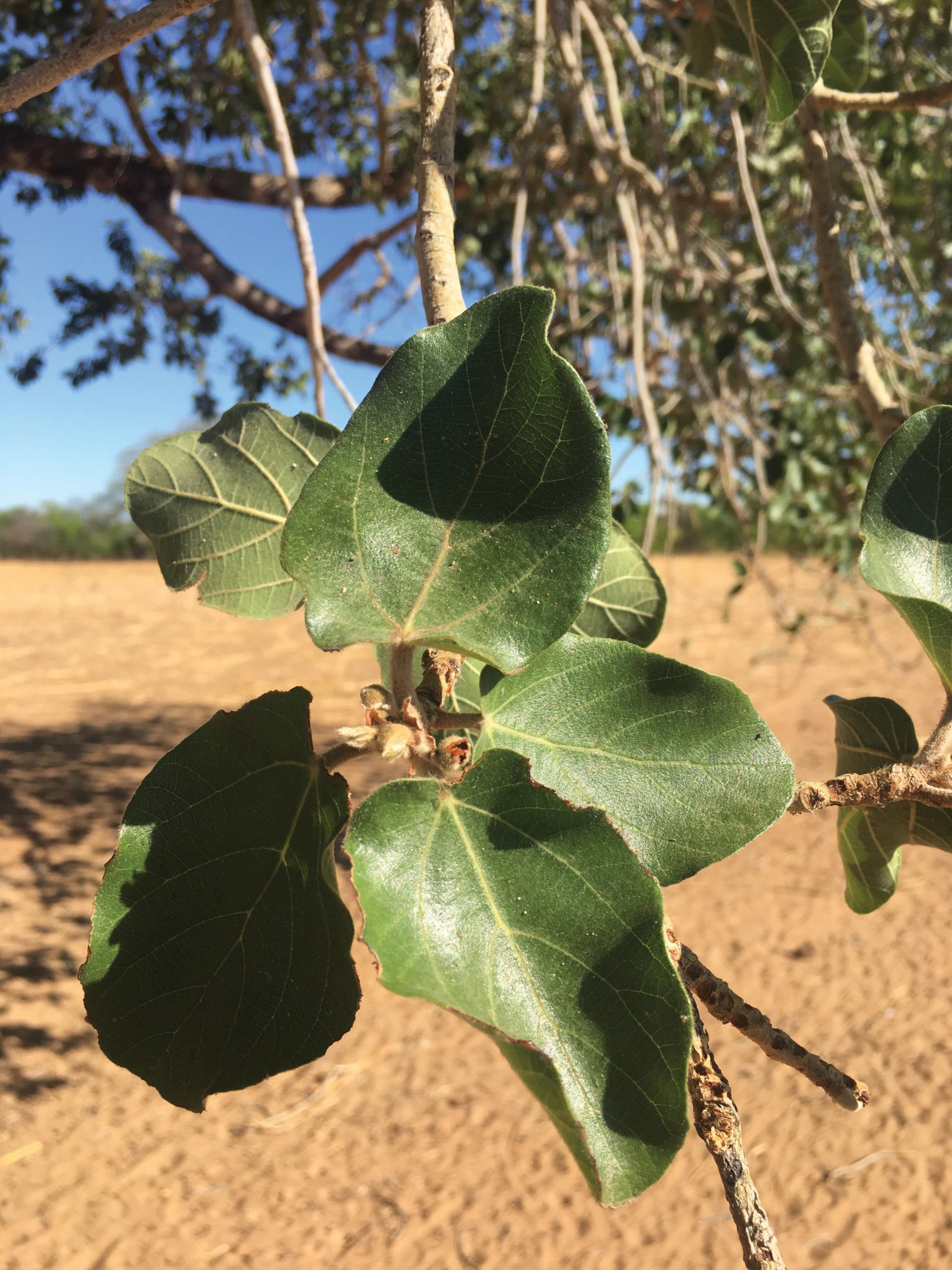
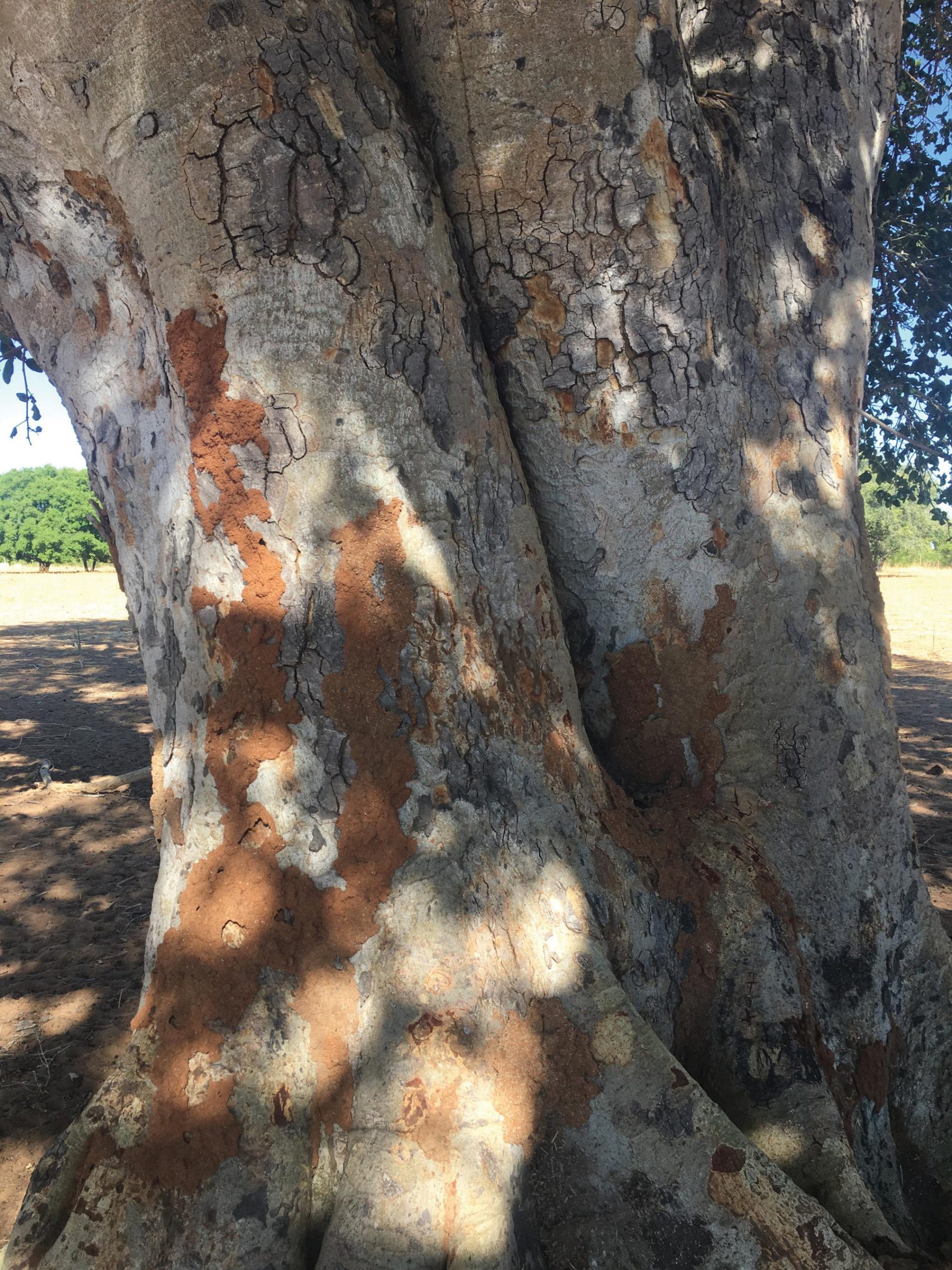
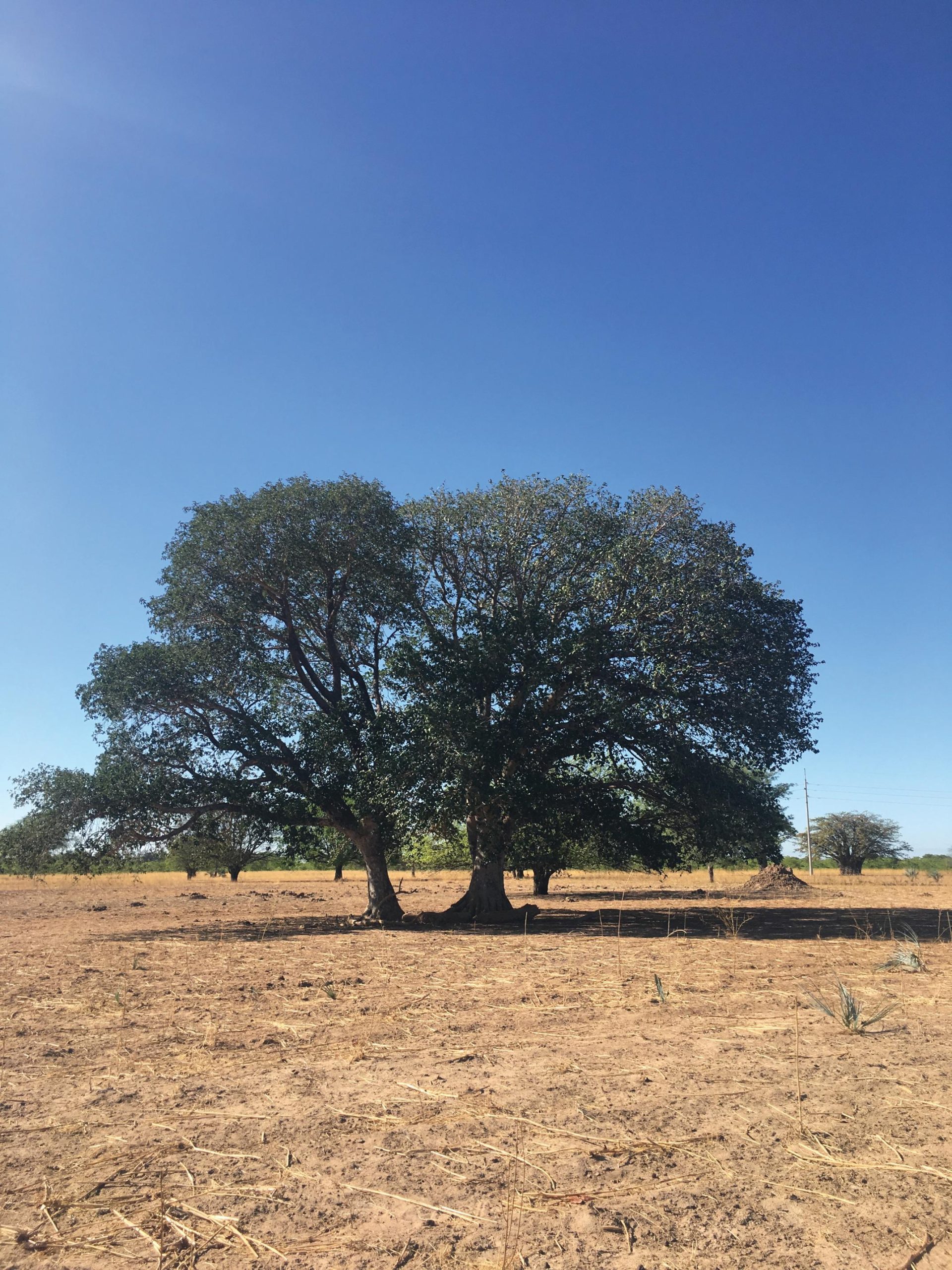
Besides the baobab, the cluster fig tree is among the biggest trees I have ever seen. Apart from its size, the cluster fig is easily identified because of the colour of its leaves and bark. The tree is evergreen and has dark-green leaves which appear to be whitish from a distance. Its stem is very broad, with widely spread branches and big leaves providing a generous amount of shade. I have come to notice that the cluster fig tree grows well in sandy areas, especially near earth dams. Clearly, it needs plenty of water to survive.
I recently took the time to take some close-up pictures of this big tree in our neighbour’s crop field. The field still has the same trees I remember from my childhood, most of which are still standing strong and healthy, although some have succumbed naturally. I do not recall having played under any of these trees when I visited my neighbours as a child, but I am certain the elders – including my namesake – who lived in our neighbour’s homestead have plenty of memories from their childhood. These are trees that are older than me, yet their resilience is still evident.
My field excursion was quite a therapeutic experience. The literature I read and what I saw in person was a perfect match. The regret came as I realised the shade was pleasantly cool and I could have just brought my camping chair to explore this tree’s unique features in absolute silence. The only sound was that of chirping birds. But back to the facts: the cluster fig is a single-stemmed tree known to grow very high. It can reach up to 20 metres tall and the trunk diameter can range from 1.5 to 2 metres broad. It has a crown which spreads up to a recorded size of 45 metres. The sheer size of this tree confirms the assumption that it demands a huge amount of water, hence it is found on plains, near pans and in sandy areas to accommodate its extensive root system.
It has been a while since I have been so close to this giant tree. I touched the leaves and the texture gave a leathery feeling with a bit of roughness, owing to the tiny surface hairs. The leaves have a simple spiral arrangement and ovate-shaped blades with veins that are yellowish in colour. The cluster fig tree’s wood is soft and not suited to be used as firewood. It often becomes hollow and light when dry. Its hollowness is likely to produce a lot of smoke. The benefit of the wood is that its softness makes it possible for the tree to be grown from cuttings.
We all love trees that produce something for the tastebuds. Although the cluster fig does not quite produce a harvest fit for exquisite chef’s dishes, picking its fruit to snack on is an adventure on its own. The cluster fig produces small circular fruits and its size is comparable to that of the jackalberry fruit. The fruit, referred to as figs, often fall to the ground when they are ripe. They are small with a sweet flesh and tiny, chewable seeds. While the fruit is mostly eaten in its moist state, consumers often dry them for later consumption. Animals like birds and donkeys snack on the fig fruits too, while humans often feed them to their pigs. Populations of the cluster fig are not generally threatened by human activities, yet it is listed as a protected species which produces fruits for humans and animals.

Namibia National Career Week 2026 celebrates 15 years of connecting young Namibians to education, careers and opportunity through industry engagement, innovation and nationwide expansion.

Oshikoto youth are urged to drive Namibia’s agricultural transformation through agribusiness, climate-smart farming and government-supported funding programmes such as the NYDF and Agribank schemes.

Namibia and Japan strengthen cooperation on trade, investment and mineral development, focusing on critical minerals, industrialisation and value addition for sustainable growth.
Explore the Shepherd’s Tree (Boscia albitrunca), one of Namibia’s most resilient native plants, known for its adaptability, livestock value, medicinal uses and cultural significance in