
Namibia and Japan strengthen cooperation on trade, investment and mineral development

By Maggie Forecellado Praz

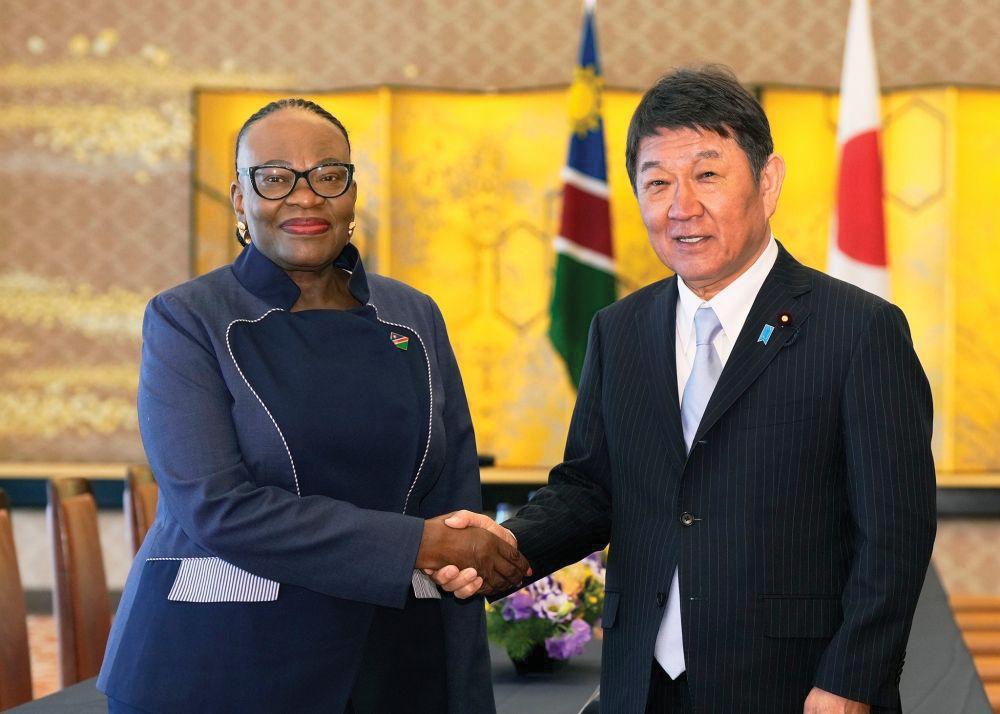
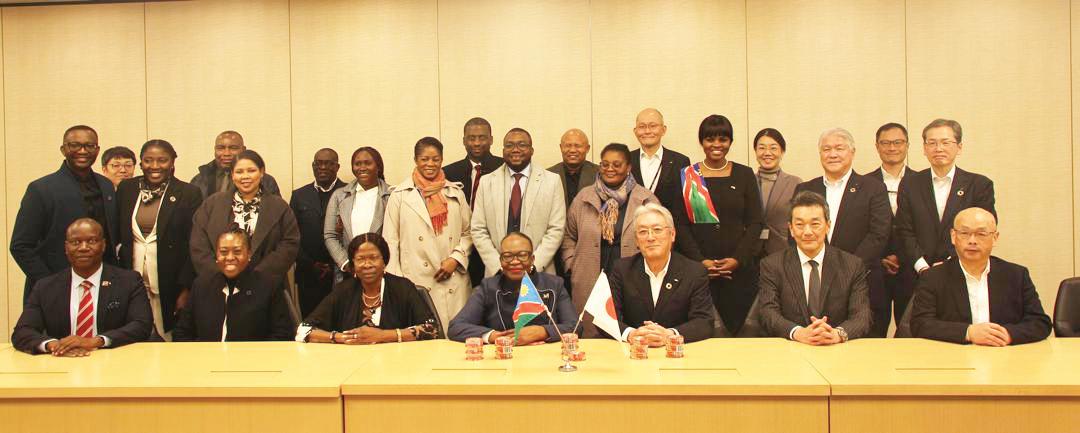
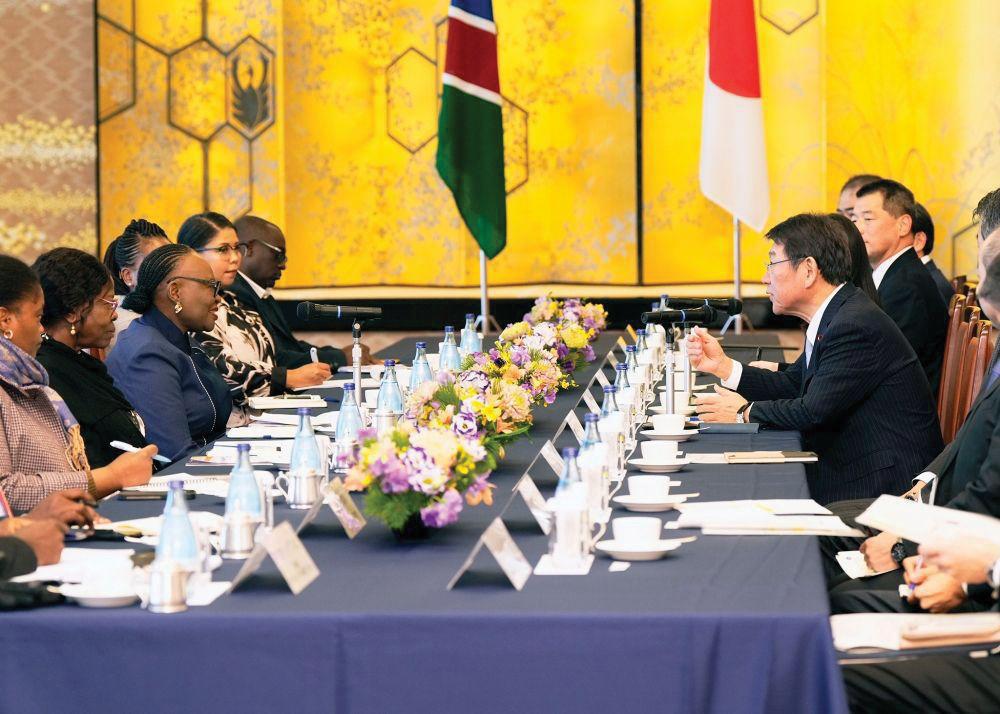
Minister of International Relations and Trade Selma Ashipala-Musavyi undertook an official working visit to Tokyo, Japan, where she held bilateral meetings with senior officials from the Japanese Ministry of Foreign Affairs as well as representatives from government institutions responsible for trade, investment promotion, infrastructure development and economic cooperation, including members of the private sector.

The discussions focused on strengthening relations between Namibia and Japan, with particular emphasis on expanding cooperation in trade, investment, infrastructure, logistics and industrial development. The engagements also aimed to deepen bilateral ties and advance practical cooperation in areas of mutual interest.

Stronger bilateral relations

Japan’s Minister of Foreign Affairs Toshimitsu Motegi welcomed the minister’s visit and reaffirmed Japan’s commitment to deepening cooperation with Namibia. He noted that Namibia plays an important role in strengthening connectivity between nations in the Indian Ocean region and Africa through its quality port infrastructure and access to neighbouring countries.

Motegi said enhanced cooperation between the two countries would contribute to maintaining and strengthening a free and open international order based on the rule of law.

He also expressed Japan’s interest in further strengthening economic relations with Namibia, highlighting Japan’s past development cooperation with the country and noting the growing interest among Japanese companies in Namibia’s mineral and energy resources.

The two ministers confirmed their commitment to continue working together on issues of mutual interest. During her visit, Ashipala-Musavyi also met with the leadership of the Japan Organisation for Metals and Energy Security (JOGMEC), which has been involved in Namibia’s

Lofdal Rare Earths Project since 2020.

JOGMEC signed a memorandum of understanding with Namibia’s Ministry of Mines and Energy in 2022 to cooperate on rare earth supply chain research and provide technical training in mineral exploration.

Value addition opportunities

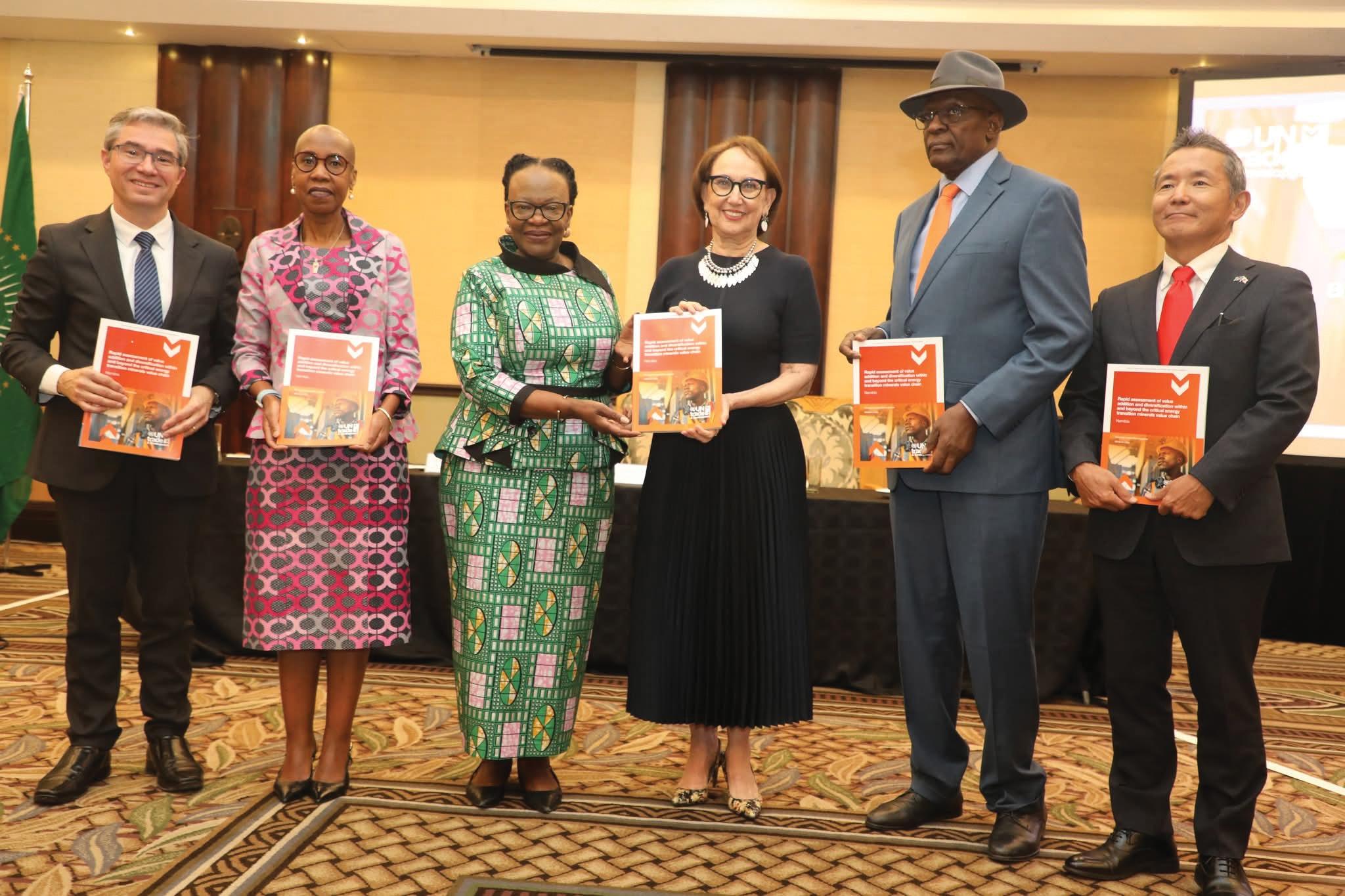
Meanwhile, during the launch of a report titled “Rapid Assessment for Value Addition and Diversification to Support Namibia” in Windhoek, Japan reaffirmed its commitment to supporting Namibia’s economic diversification and value addition in the minerals sector.

The report was launched under the United Nations Conference on Trade and Development (UNCTAD) project on critical energy transition minerals (CETMs). Speaking at the event, Noriaki Sadamoto, the deputy head of mission at the Embassy of Japan in Namibia, represented the embassy in the absence of Ambassador Shinichi Asazuma. Sadamoto expressed appreciation to UNCTAD for leading the initiative and commended the Government of Namibia and national stakeholders for their cooperation in implementing the project.

He noted that the Government of Japan places strong emphasis on collaboration with UN agencies, adding that since 2013 Japan has funded 27 trilateral cooperation projects through various UN agencies to support Namibia’s development priorities, with investments exceeding US$21 million.

Supporting Namibia’s role in energy transition

The initiative aims to help Namibia and other countries in Southern Africa harness the potential of CETMs such as copper, lithium, cobalt and rare earth elements, which are essential for clean energy technologies, including electric vehicle batteries, solar panels and wind turbines.

Sadamoto emphasised that, while many developing countries rich in mineral resources mainly export raw materials, the energy transition should be both green and just, ensuring that countries benefit from value addition, economic diversification, job creation and improved living standards.

He added that the UNCTAD report provides an evidencebased assessment of countries’ positions in global critical minerals value chains and identifies realistic pathways for value addition and diversification.

Industrial development

According to the report, Namibia has promising opportunities in sectors such as organic chemicals, iron and steel as well as machinery, which could strengthen industrial capacity, create skilled jobs and improve economic resilience.

Sadamoto also noted that the initiative aligns with Namibia’s national development priorities, including the Sixth National Development Plan (NDP6), as well as international commitments outlined in the outcome of the Ninth Tokyo International Conference on African Development held in Yokohama in August 2025.

The deputy head of mission reaffirmed Japan’s commitment to supporting initiatives that promote sustainable industrialisation, economic diversification and inclusive growth.

He expressed hope that the findings of the report would assist policymakers in Namibia and contribute to constructive discussions on sustainable development at national, regional and international levels.

Share:

More Posts

Inform. Inspire. Impact

Namibia National Career Week 2026 celebrates 15 years of connecting young Namibians to education, careers and opportunity through industry engagement, innovation and nationwide expansion.
Native Leaves: Shepherd’s Tree

Explore the Shepherd’s Tree (Boscia albitrunca), one of Namibia’s most resilient native plants, known for its adaptability, livestock value, medicinal uses and cultural significance in
Sign up for our newsletter