Maun

Welcome to Maun: Gateway to the Okavango Delta

Maun, often referred to as the gateway to the Okavango Delta, is where adventure begins and nature takes the spotlight. Located in northern Botswana, this bustling town is both a vibrant cultural hub and a tranquil base for exploring one of Africa’s most iconic wildernesses.

Discover Maun

Step into a world where tradition meets adventure. Maun blends the charm of its rural roots with modern conveniences, offering travellers an authentic taste of Botswana’s heritage. From local crafts at the markets to the warm smiles of its people, Maun is the perfect introduction to the heart of Africa.

The Okavango Delta Awaits

Just beyond Maun lies the Okavango Delta – a UNESCO World Heritage Site and a natural wonder that promises breathtaking landscapes, abundant wildlife, and unforgettable experiences. Whether it’s gliding through the delta’s waterways on a mokoro (traditional dugout canoe), witnessing herds of elephants, or spotting rare bird species, every moment is a celebration of nature.

Practical Travel Made Easy

FlyNamibia connects Windhoek directly to Maun, making it easier than ever to reach this extraordinary destination. Whether you’re heading off on safari, visiting the delta, or simply soaking in Maun’s unique charm, FlyNamibia ensures a seamless journey. With three weekly flights, adventure is just a quick trip away.

Experience More with FlyNamibia

Explore the natural beauty of Botswana while enjoying our convenient, reliable service. Book your flight to Maun today and let FlyNamibia take you there.


Note: Maun flights are seasonal, please check our schedule for dates and frequencies.

Share:

More Posts

Inform. Inspire. Impact

Namibia National Career Week 2026 celebrates 15 years of connecting young Namibians to education, careers and opportunity through industry engagement, innovation and nationwide expansion.

Native Leaves: Shepherd’s Tree

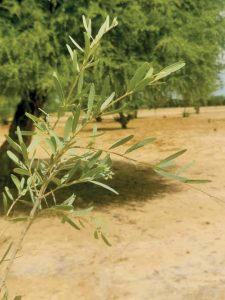
Explore the Shepherd’s Tree (Boscia albitrunca), one of Namibia’s most resilient native plants, known for its adaptability, livestock value, medicinal uses and cultural significance in rural communities.

Sign up for our newsletter