
Rosina Atelier

Slow luxury meets legacy building

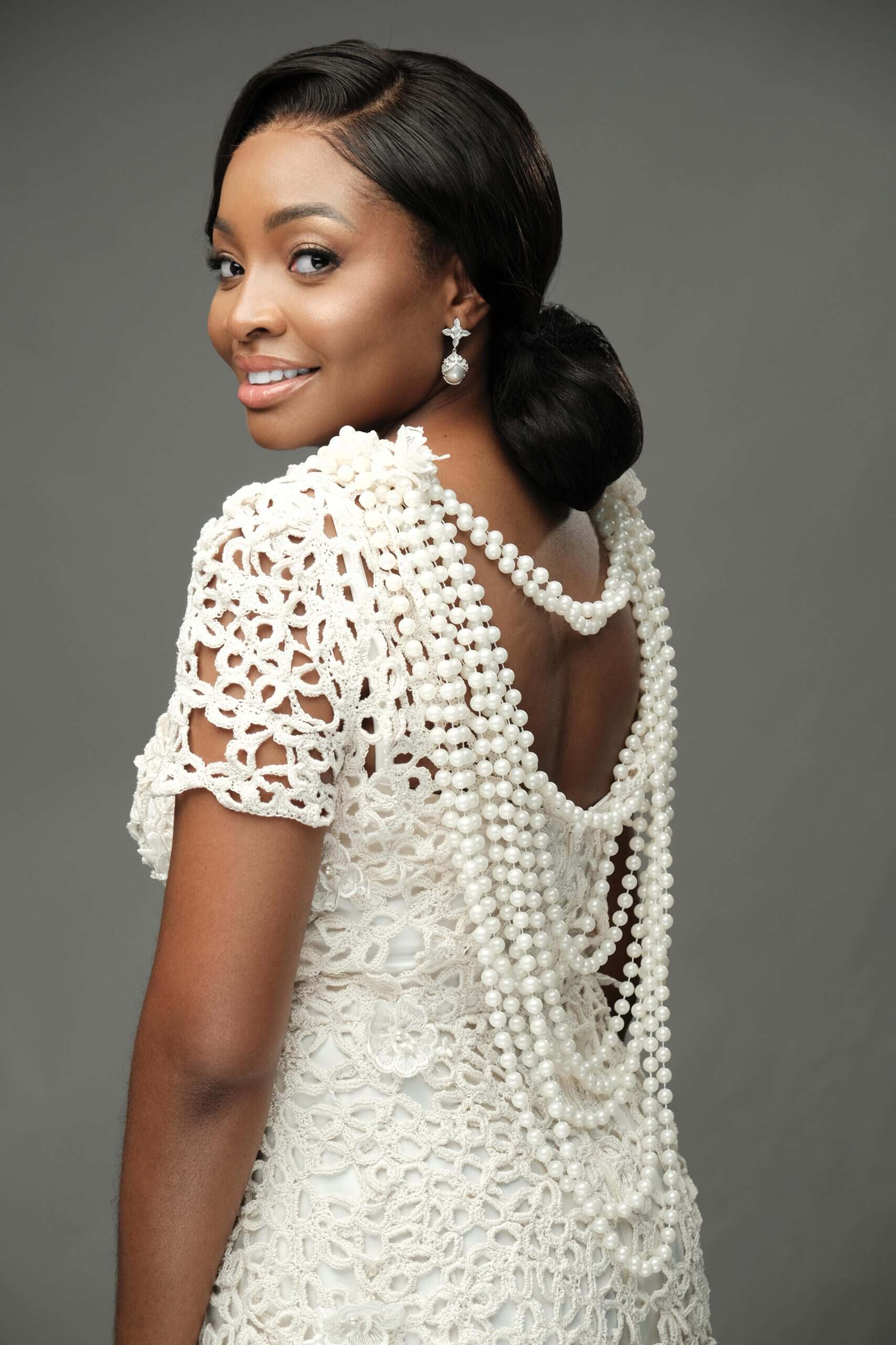
Driven by the desire to leave a lasting legacy by enriching the lives of others, Rosina Leonard uses crocheting to start building on that dream.

Starting her working life as a geologist, Rosina soon felt the creative bug bite her as she fell more and more in love with creating, and it eventually became her calling. In her words, it is when she is creating a masterpiece with her own two hands that she feels most alive and like her “best self”. According to Rosina, her creative process keeps a fire burning within her that she never felt before.

The art of crocheting

Crochet art was long considered a casual or household craft, but in recent years, younger Millennials and Centennials (Gen Z) have taken to it like never before.

“Crocheting is often perceived that way (a household hobby), because people have had limited exposure to what the craft can become. It is incredibly versatile, particularly when you understand the different fibres, weights and yarns available – from silk and vicuña to cotton, bamboo, hemp, raffia, alpaca and specialised blends,” says Rosina.

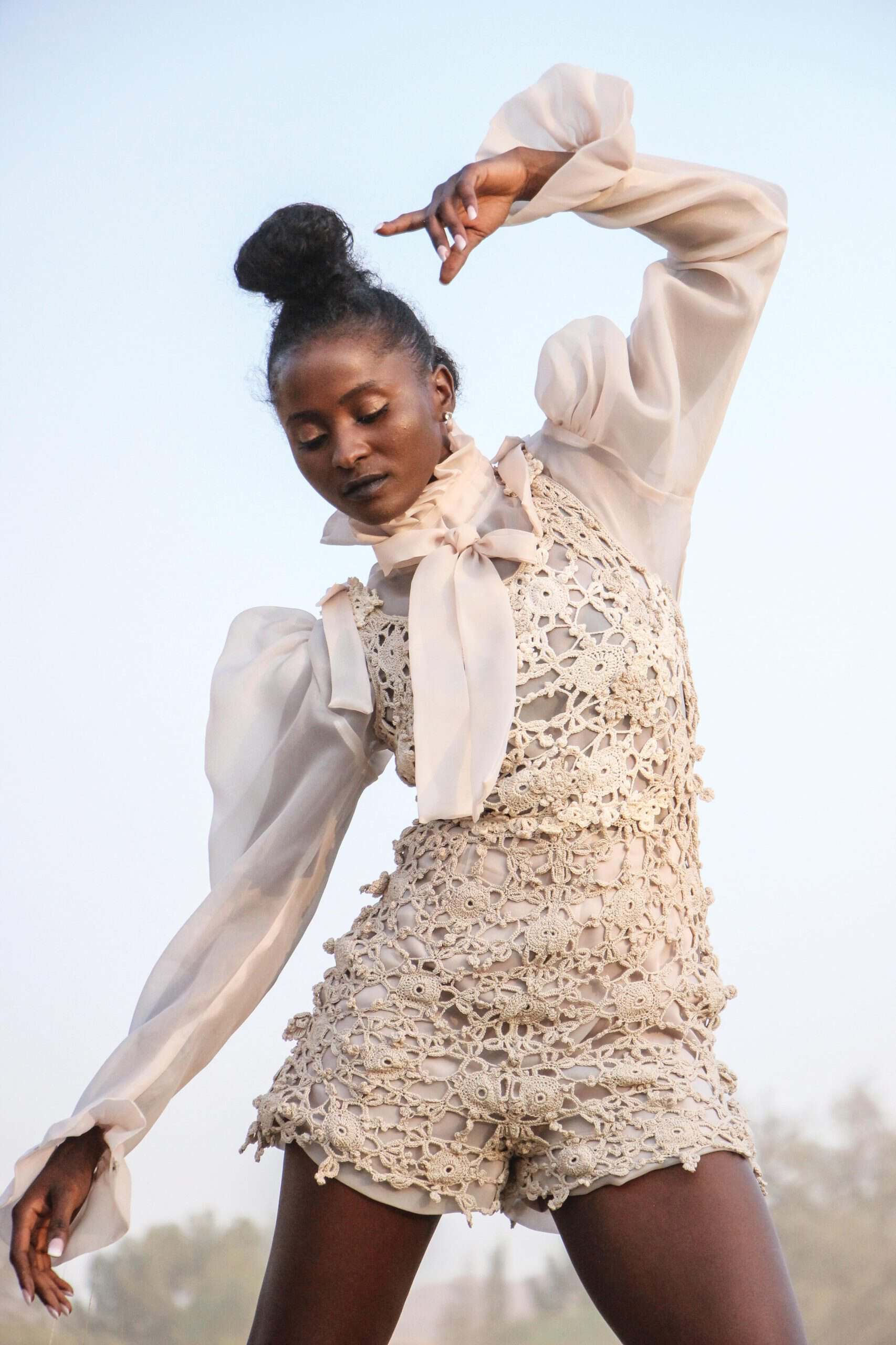
With so many exquisite fibres and yarns to choose from, one can crochet any fashion item imaginable. For Rosina, luxury pieces are where it is at, and she envisions her handcraft as quiet, slow luxury.

Building the Rosina Luxury brand

Rosina’s Luxury Crochet Atelier was created with an understanding that each product requires its own unique yarn, thread, lining and hardware. Asked to describe the brand’s core positioning, Rosina enthuses, “At the centre of our work is a dedication to exceptional craftsmanship, attention to detail, consistency and refined finishing. That combination of material selection, design and execution allows us to reimagine crochet as a contemporary luxury medium.”

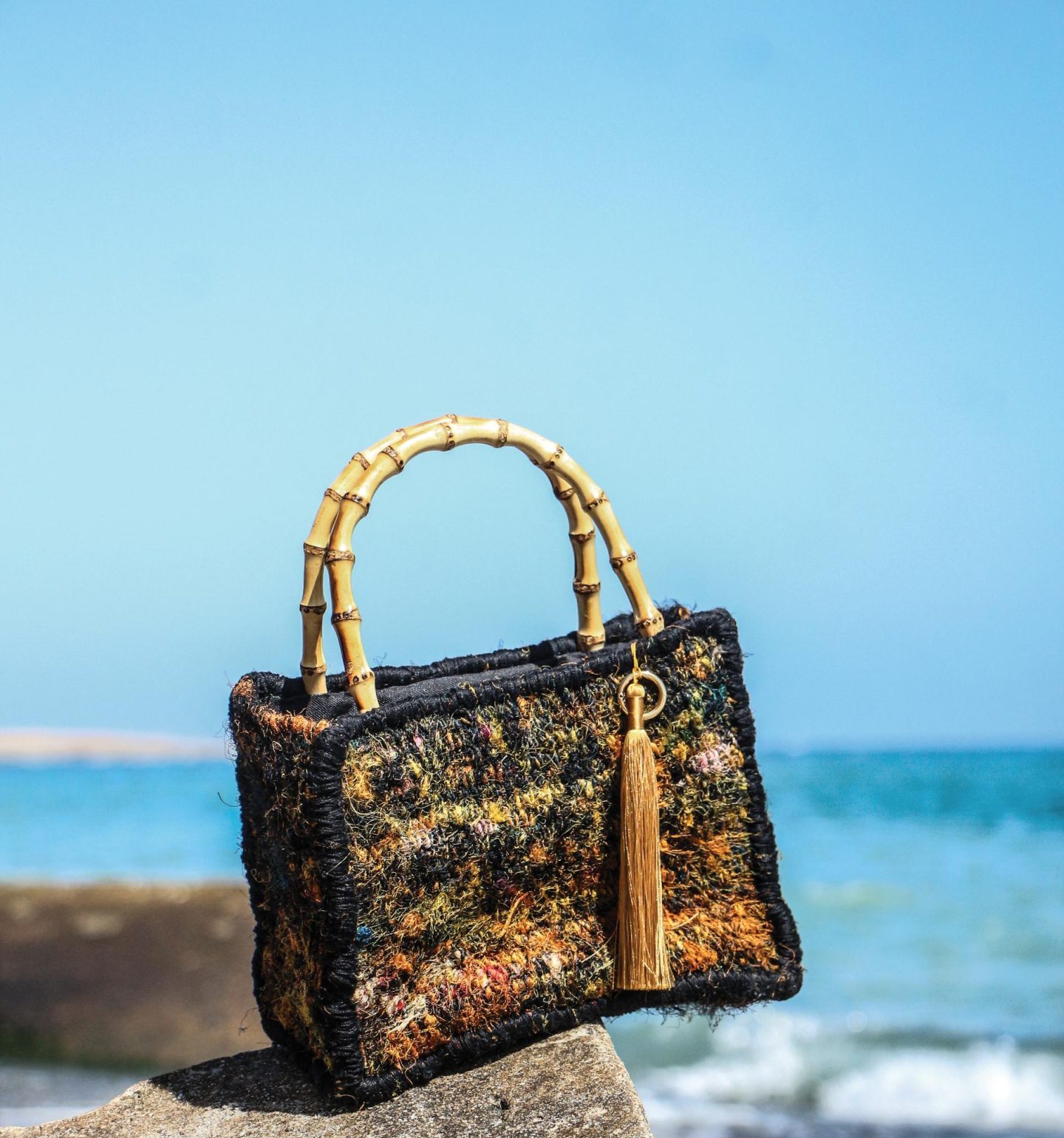
For their ready-to-wear pieces, particularly handbags, the production process usually starts with a design sketch and the development of the crochet or knitting pattern. Inspiration can come from colour, texture, shape, nature or even a yarn that catches Rosina’s attention.

She says, “Where necessary, I create a paper prototype to assess the size, shape and structure, then source the materials and test the pattern to see whether the structure I envision can be achieved. Once I am satisfied, we produce the first sample, which is tested for strength, weight, functionality and quality before the design is reproduced.”

Custom pieces, like bridalwear and special-occasion womenswear, start with a one-on-one consultation. It is a collaborative process, with the client involved at every stage – from developing the design and selecting materials to fittings and adjustments, if needed.

Legacy through community impact

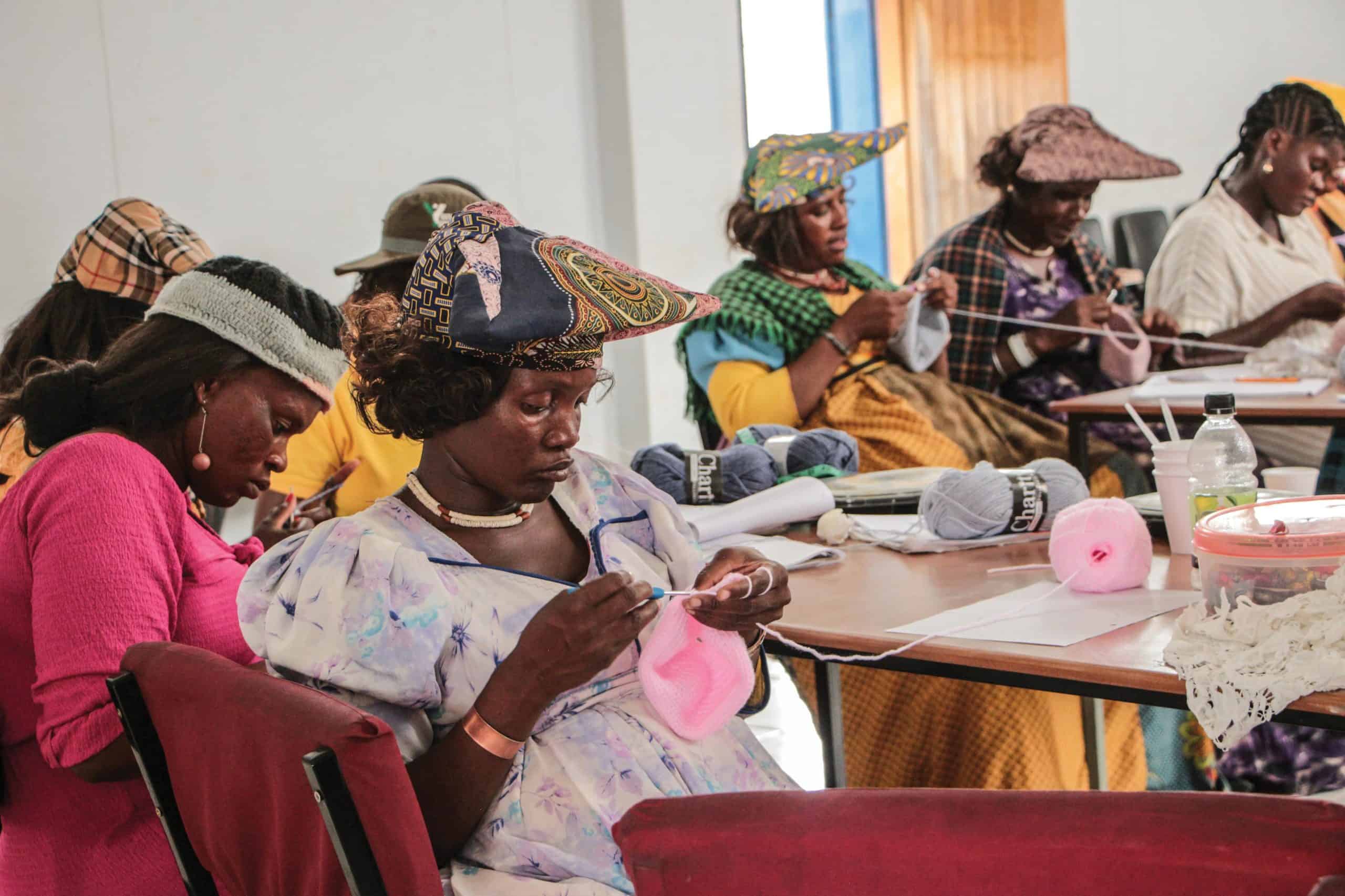
Training women artisans is very close to Rosina’s heart. “We are a women-led business, and our model is centred around capacitating women through heritage craftsmanship,” she says.

Crochet is a specialised, intergenerational skill that exists because it is passed from one generation to the next. Through her incubation and training programmes, Rosina creates opportunities for women of different ages and backgrounds, particularly those who were previously disadvantaged or are living with disabilities.

The Tjiwa-Tjiwa Okutunga Women Group at Otjindjerese Conservancy is one of her beneficiaries. “Since our training ended in 2024, their products have continued to be stocked at Namibia Craft Centre in Windhoek and Opuwo Country Lodge. They continue to participate in local trade fairs and have recently opened an incubation stall at Opuwo Industrial Park,” says Rosina.

The programme continues to create opportunities beyond the training of many of the women artisans, some of whom have gone on to start their own businesses. Rosina considers this her greatest pride: the ability to preserve the craft of crocheting while creating sustainable economic opportunities for women.

Bridging the gap between local fashion craftsmanship and luxury tourism

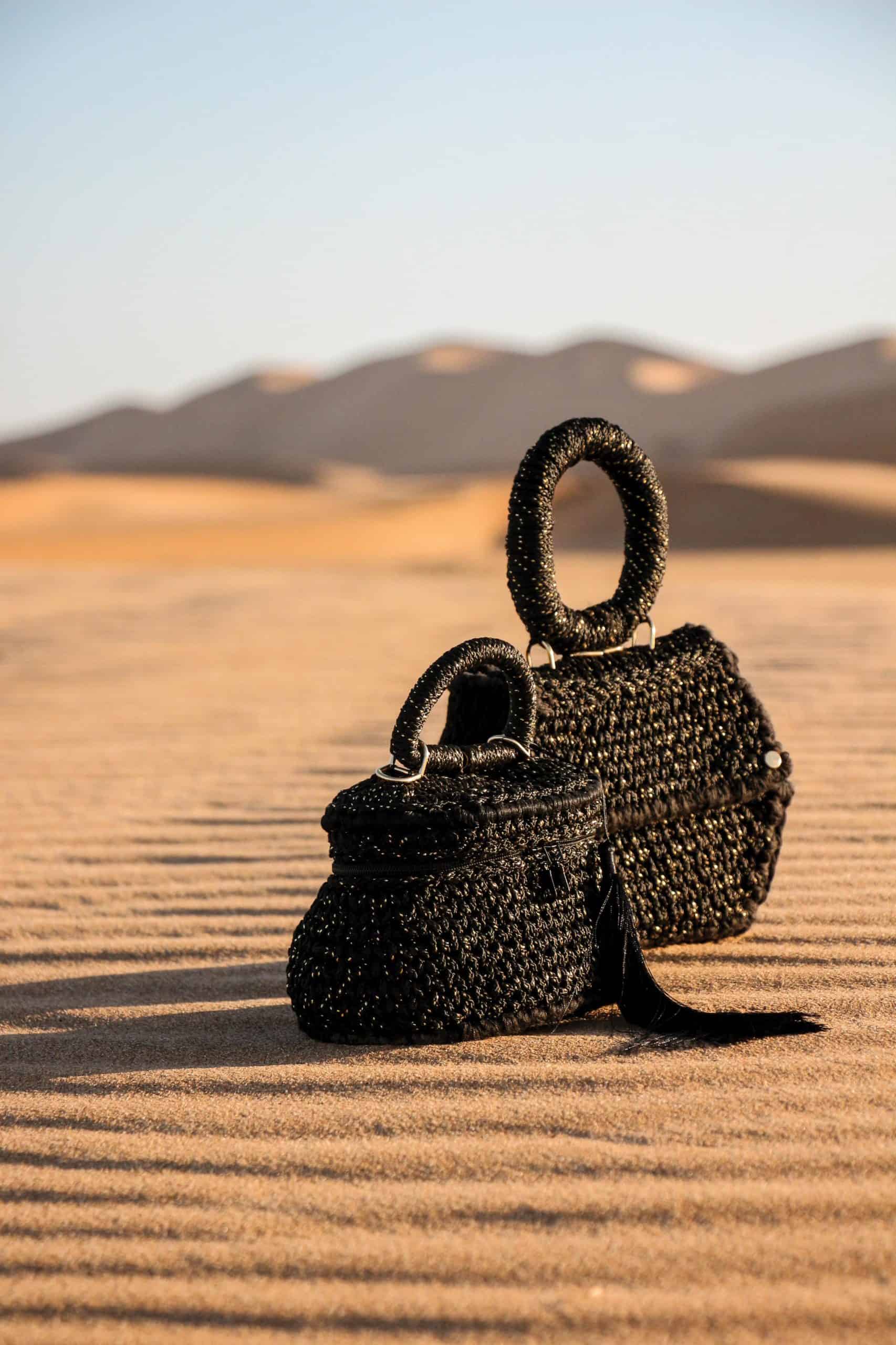
Rosina’s crocheted handbags bring Namibian craftsmanship into spaces where people are already looking for premium, distinctive and meaningful products. These are not traditional souvenirs but contemporary luxury handbags, handcrafted in Namibia.

There is something special about carrying a Rosina Leonard bag. “We want our customers to stand out, to carry a piece that is distinctive and not readily available to everyone. Because our pieces are handcrafted and produced in limited quantities, that sense of individuality and exclusivity is an important part of our offering,” she says.

“Our market extends beyond tourism. We are looking to develop international B2B opportunities with boutiques, concept stores, sustainable fashion platforms, showrooms and fashion agencies.”

Marrying geology, photography and design

“Geology introduced me to some of the most beautiful and extraordinary corners of Namibia, many of which have become part of my creative visual language,” says Rosina. An example of this is the Rosina Atelier handbag campaign, which has been shot at locations such as Solitaire, along the Kuiseb Pass, in the Moon Landscape Valley near Goanikontes, amongst the dunes and around the Swakop River mouth. These are places which Rosina had visited many times during her geological fieldwork.

She adds, “My first geological field excursion as a student was to Solitaire and the Namib-Naukluft, so returning almost 20 years later to scout locations for a fashion campaign felt like a full-circle moment.”

One of her first handbags to sell out, the Pietra, was named after the mineral pietersite. Interestingly, the crochet pattern naturally resembles a pietersite specimen, so the connection felt very fitting.

What’s next for Rosina Atelier?

The next major milestone for Rosina is moving from a predominantly founder-led business into a more structured manufacturing atelier. She plans to scale the business by expanding her team, increasing production capacity and establishing a dedicated crochet-manufacturing atelier.

Ultimately, the vision is to establish Namibia’s first luxury crochet atelier – one that can produce worldclass, handcrafted-in-Namibia crochet fashion and accessories, create meaningful opportunities for women artisans and position Namibian craftsmanship within the global luxury fashion space. FFor now, selected Rosina Leonard handbags can be purchased at the Paragon duty-free store at Hosea Kutako Airport departure hall. For those looking to contact Rosina directly, she can be reached via her Instagram page.

From the November 2026 issue

Share:

More Posts

Sign up for our newsletter