First gentleman pushes for targeted programmes to support boys

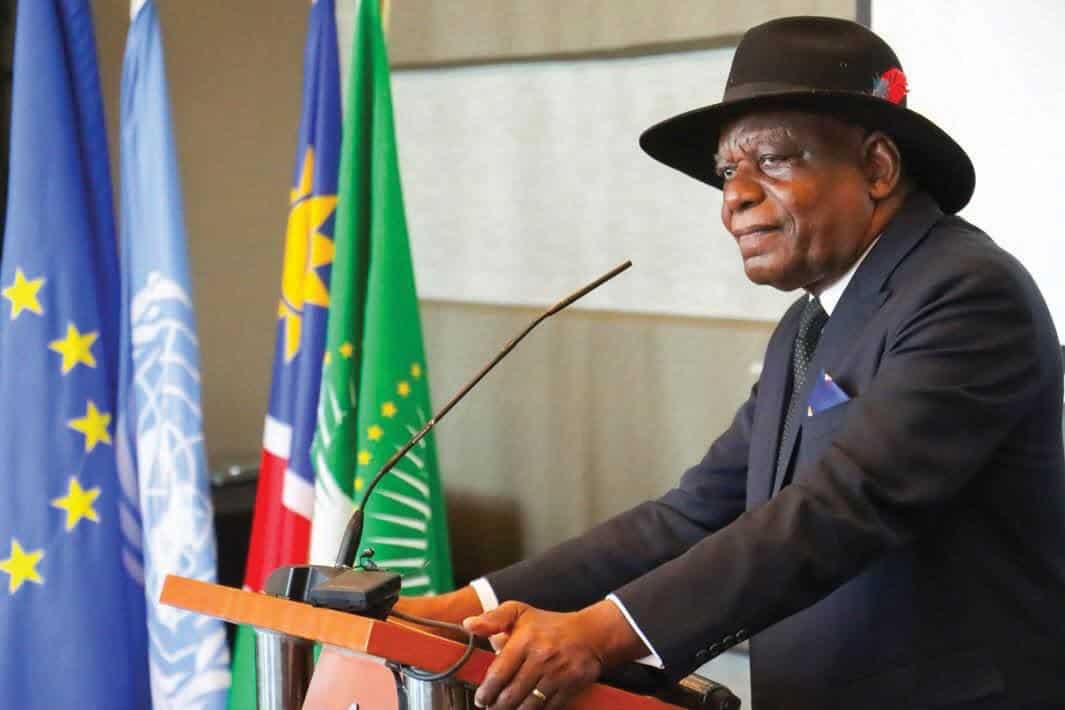
Namibia’s First Gentleman, Lieutenant General (Retired) Epaphras Denga Ndaitwah, has called for coordinated national efforts to address the challenges facing boys and men, including educational disadvantages, mental health concerns and high suicide rates. Speaking at the Male Engagement Symposium, Ndaitwah said fragmented initiatives and duplicated efforts had limited the impact of programmes aimed at engaging men and boys in gender equality and wellbeing.

He stressed that government, civil society organisations, faith-based groups, traditional leaders and communities must work together to achieve sustainable change.

Ndaitwah commended the Ministry of Gender Equality and Child Welfare for its Third National Gender Equality and Equity Policy 2025–2035 and Strategic Plan 2025–2030, which promote equal rights and dignity for men, women, boys and girls. He noted that the policy recognises that male students are lagging in higher education and calls for measures to address the imbalance, while encouraging boys to share responsibility for protecting and empowering girls.

“…Namibia could draw lessons from its coordinated response to the HIV pandemic to strengthen national efforts to support boys and men.”

The First Gentleman also announced that he launched the DEN Impact Foundation on 18 August 2026 in response to what he described as a “growing boy child crisis” in Namibia and globally. “The launch of the Foundation was prompted by the realisation of the boy child crisis in Namibia and globally. The realisation that the growing social, educational and psychological neglect of boys and young men for more than three decades, if left unaddressed, will weaken the very fabric of our society, boys and girls alike,” said Ndaitwah.

Prime Minister Dr Elijah Ngurare, officiating at the DEN Impact Foundation launch, highlighted concerns such as declining educational performance, unemployment and mental health struggles, calling for a coordinated national response involving government, families, schools, communities and the private sector. He stressed that empowering the boy child does not come at the expense of the girl child but promotes a more inclusive Namibia where every child has equal opportunities to succeed.

Ndaitwah further raised concerns about male mental health and the culture of silence surrounding emotional struggles, which he said contributes to disproportionately high suicide rates among boys and men. He acknowledged the work already being done by nongovernmental organisations, faithbased organisations, community groups, traditional leaders and government, but said more needs to be done to reach vulnerable and underserved boys.

He urged programme implementers to develop interventions that respond specifically to boys’ needs, cautioning that programmes designed for girls cannot simply be repackaged for boys. Ndaitwah called on men and boys to take ownership of the agenda. He said Namibia could draw lessons from its coordinated response to the HIV pandemic to strengthen national efforts to support boys and men.

The symposium was held under the theme “Coordinating Namibia’s Work with Men and Boys for Gender Equality and Wellbeing in Namibia”.

From the November 2026 issue

Share:

More Posts

Sign up for our newsletter