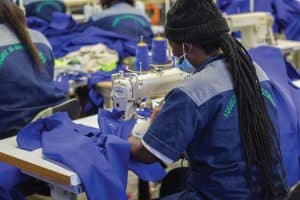
Made in Namibia, by Namibians
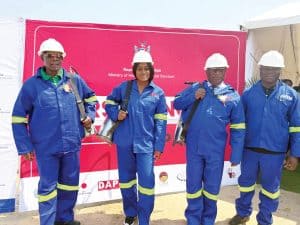
August 26 Manufacturing makes garments and footwear in Windhoek and Okahandja—PPC, healthcare and workwear for mining, oil and gas, hydrogen
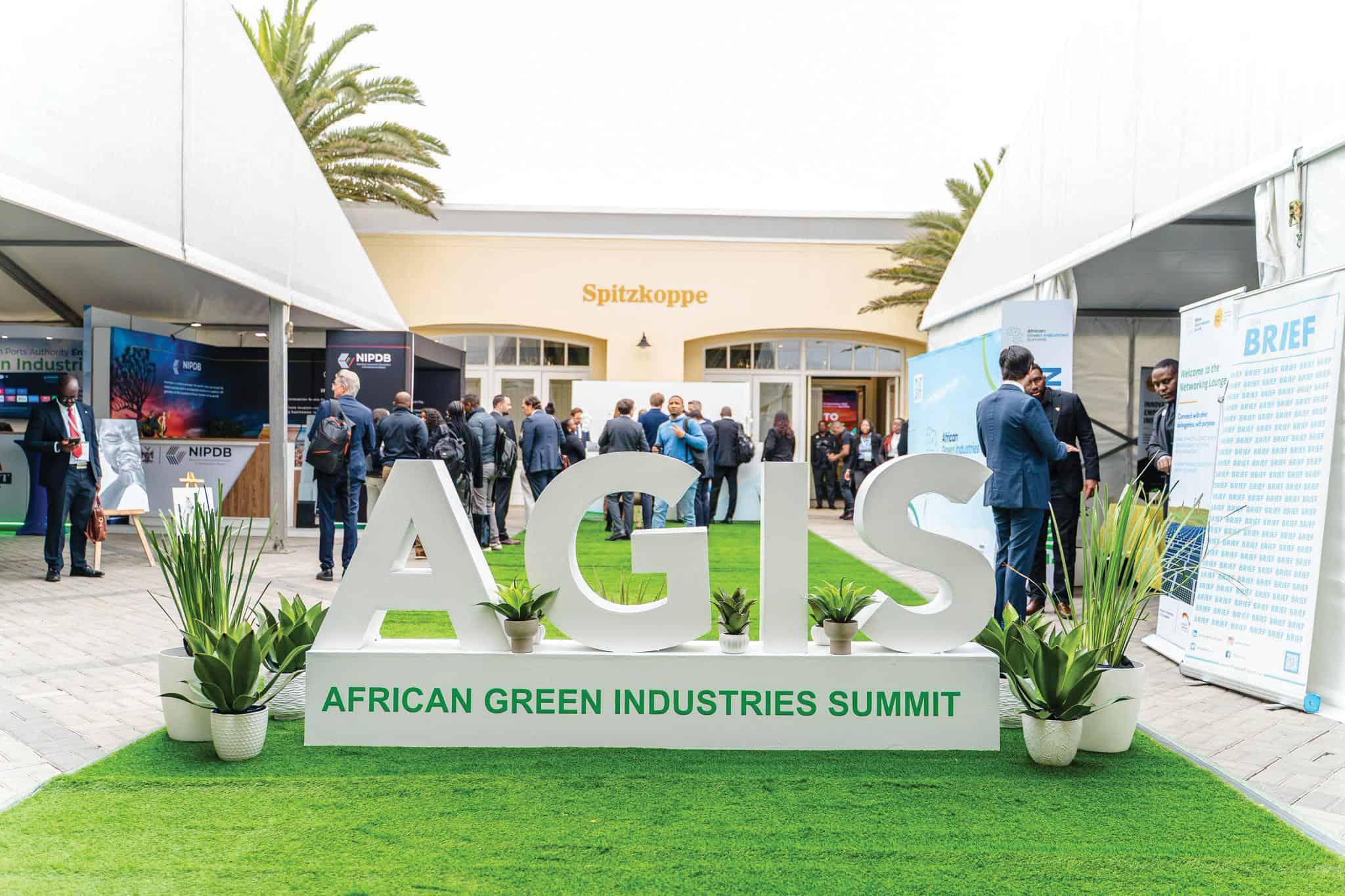
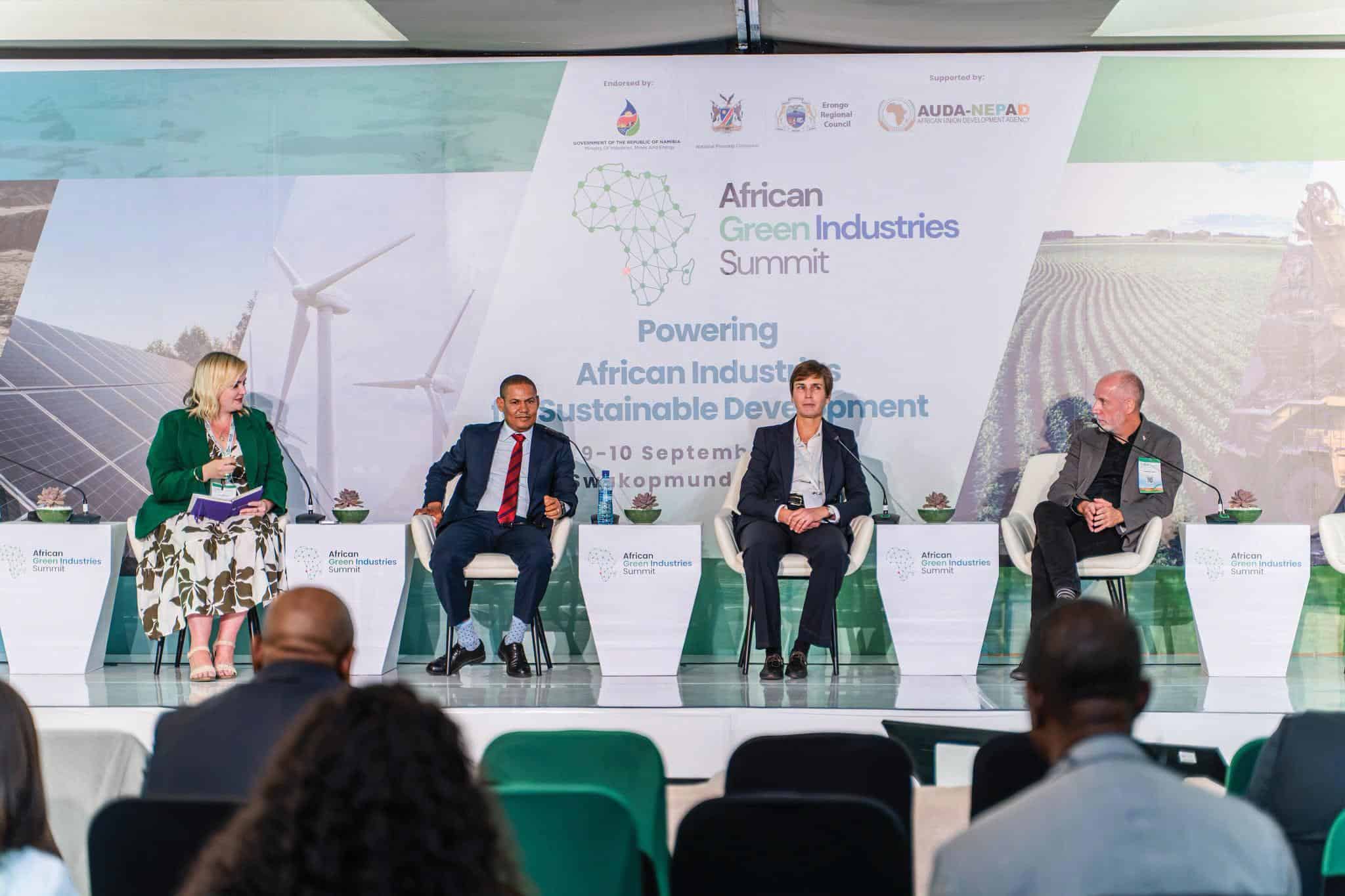
The African Green Industries Summit (AGIS) 2026, which took place in Swakopmund, brought together policymakers, investors, industry leaders, project developers and technology providers to explore opportunities for advancing green industrialisation in Africa. Held under the theme “Powering African Industries for Sustainable Development”, the summit focused on turning Africa’s renewable energy and natural resource potential into sustainable industrial and investment opportunities.
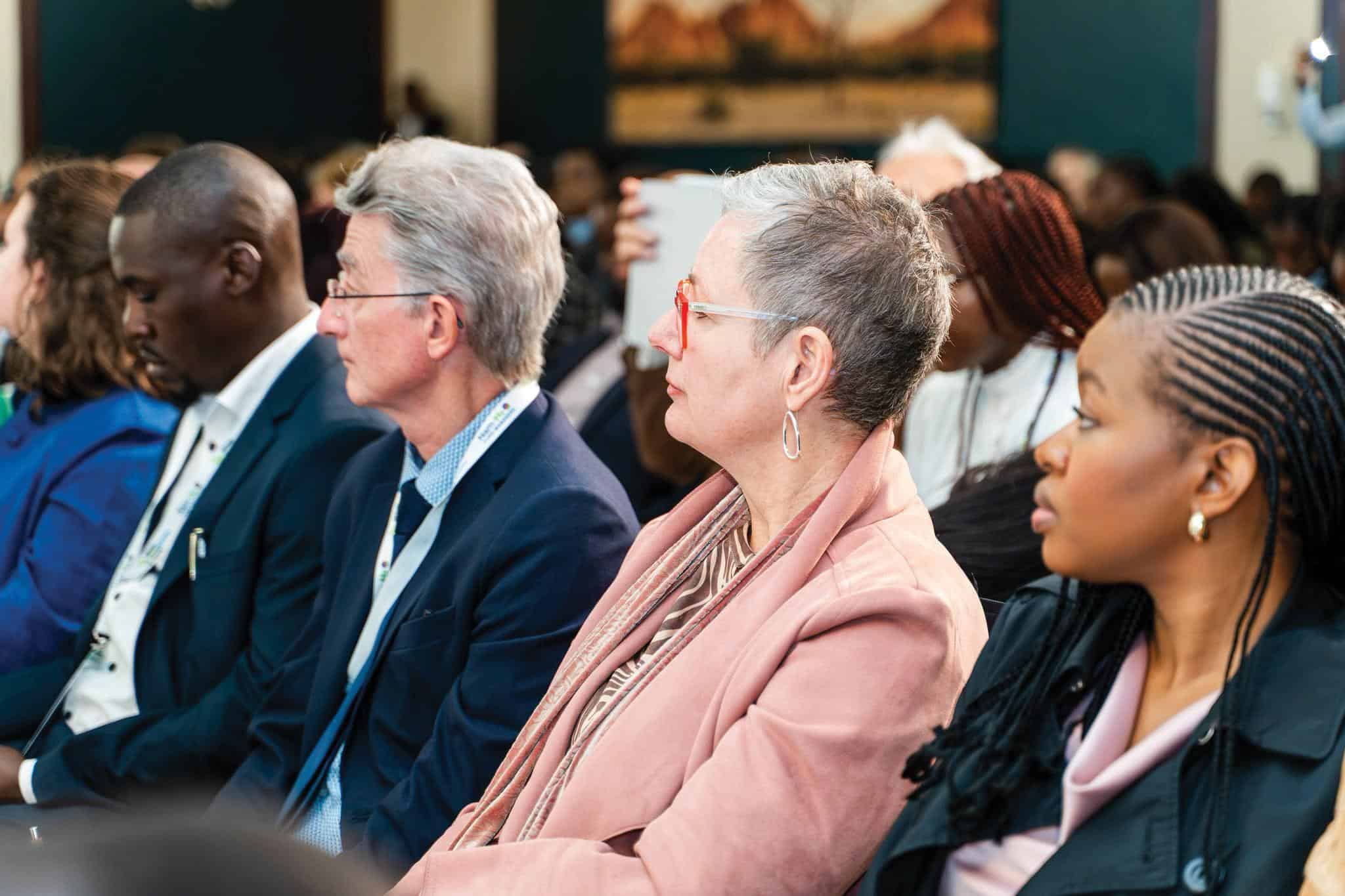
More than 600 delegates and around 50 international speakers took part in discussions covering green hydrogen, renewable energy, sustainable mining and agriculture, critical minerals, manufacturing and cross-border partnerships.
The summit also placed emphasis on investment, skills development, youth participation and local value addition, with stakeholders examining how Africa can move beyond exporting raw materials and instead develop industries that create jobs, strengthen economies and retain more value locally.
Namibia is positioning green industrialisation as a key driver of economic growth, job creation and value addition, with the government aiming to move the country beyond the export of raw materials towards the production of competitive goods and services.
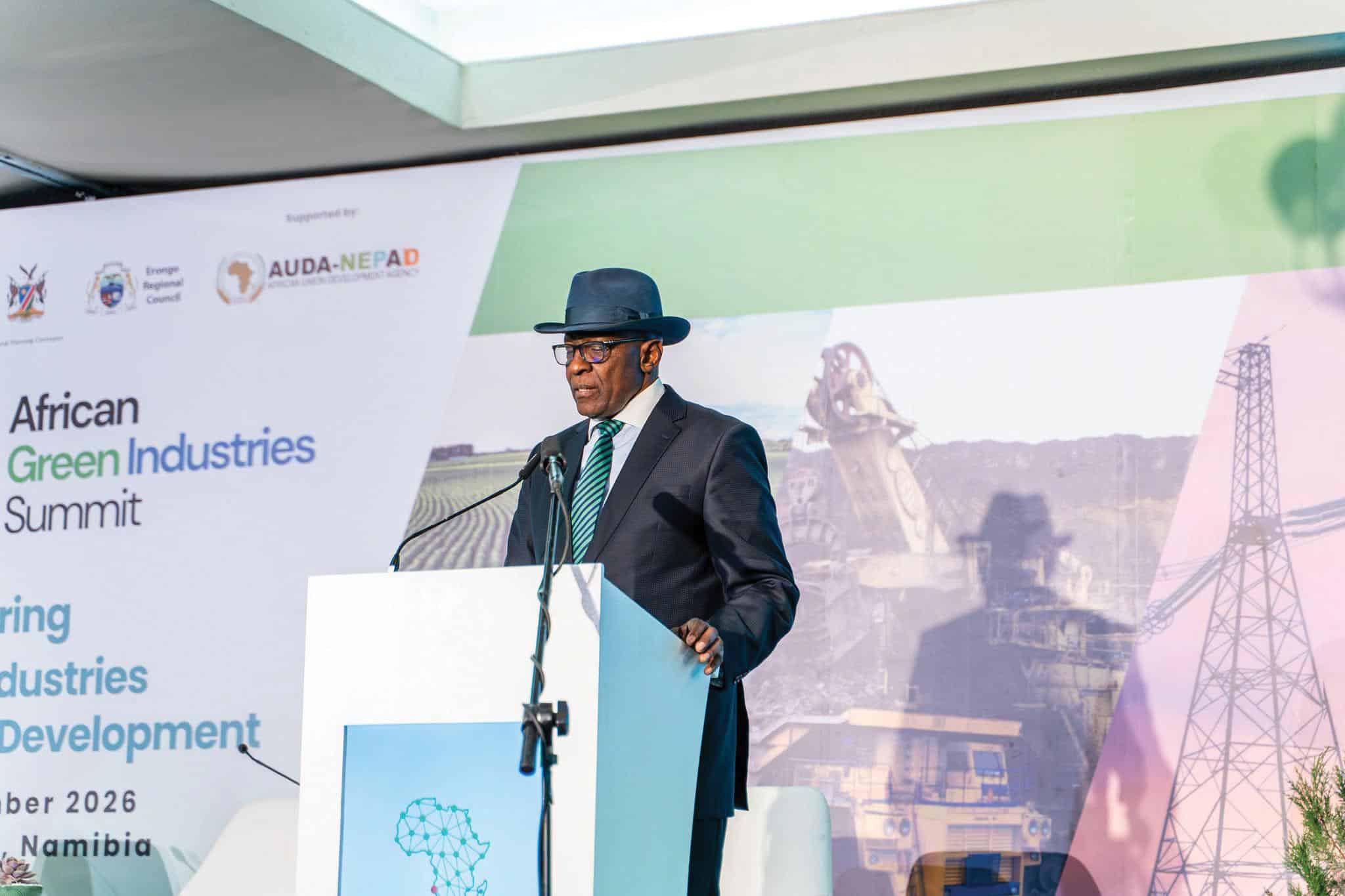
This was highlighted by Ambassador Dr Kaire Mbuende, director-general of the National Planning Commission and chairperson of the Green Industries Council.
The issue before us is therefore no longer only how much green hydrogen we can produce. It is what we can manufacture with it, the minerals we can beneficiate, the industries we can decarbonise and the infrastructure we can develop,” said Mbuende.
According to Mbuende, the ultimate objective is to ensure that Namibian businesses and workers participate meaningfully in the emerging green-industrial value chains, highlighting the Sixth National Development Plan (NDP6), which aims to increase the contribution of secondary industries to 25% of the GDP by 2030. He also noted that the plan targets an increase in the contribution by manufacturing from 10.6% to 18%, while manufactured goods are expected to account for 60% of total goods exports.
“NDP6 identifies green hydrogen as a source of sustainable growth and employment, with targets including 1.3 million tonnes of green ammonia per year, 2 million tonnes of direct reduced iron, 143 Gigawatt-hours (GWh) of green baseload electricity, 30,000 green hydrogen-related jobs, and 30% local content and participation by 2030,” he noted.
Namibia currently has four major green hydrogen projects at different stages of development, reflecting the country’s ambition to establish itself as a leading player in the global green hydrogen economy.
Cleanergy Solutions Namibia is developing a green hydrogen production facility at Walvis Bay, centred around a 5 MW solar park, 5 MW electrolyser and a battery storage system. The project will produce hydrogen exclusively from solar power for applications including hydrogen-powered trucks, port equipment, rail and small vessels. It also includes a Hydrogen Academy aimed at developing local skills and expertise in the emerging hydrogen industry.
The Daures Green Hydrogen Village in the Erongo Region is focused on integrating green hydrogen into agriculture and rural development. Its pilot facility is designed to produce 18 tonnes of green hydrogen and 100 tonnes of green ammonia, while feasibility studies indicate significant potential for large-scale renewable energy, hydrogen and ammonia production. The project also aims to support fertiliser production, skills development and local economic activity.
HyIron Oshivela is a Namibian–German partnership developing technology to produce green iron using renewable energy and green hydrogen instead of conventional carbon-intensive processes. The technology uses green hydrogen to reduce iron ore, significantly reducing carbon emissions associated with traditional iron production. The project demonstrates Namibia’s potential to move beyond exporting raw minerals towards local mineral beneficiation and low-carbon manufacturing.
Hyphen Hydrogen Energy is developing Namibia’s first large-scale, vertically integrated green hydrogen-toammonia project in the Tsau ||Khaeb National Park and the Lüderitz–Aus area. With an estimated investment of more than US$10 billion, the project is expected to have a major economic impact while significantly reducing global carbon emissions. Hyphen is also the first project under Namibia’s Southern Corridor Development Initiative, which forms part of the country’s broader plans to establish large-scale green hydrogen production and support green industrialisation.
Mbuende said Namibia has the renewable energy potential, mineral resources, strategic ports, land and market access required to become a competitive green industrial economy. “The task before us is to retain more value from these resources by processing, manufacturing and building businesses around them,” he noted.
The summit also hosted a series of side events and discussions which included, amongst others, the Namibia Investment Promotion Development Board (NIPDB) Project Investment Forum, a networking lounge and B2B platform, as well as an executive expert exchange on building sustainable PtX markets, discussions on women in green hydrogen, while a GIZ expert session examined the Carbon Border Adjustment Mechanism (CBAM) and its implications for green industries.
The NIPDB has called for stronger collaboration between the government, investors, financiers, technology partners and local businesses to turn Namibia’s growing green industrialisation opportunities into bankable projects, investment and sustainable economic development. Acting Chief Executive Officer Julia Muetudhana said Namibia has significant potential in renewable energy, critical minerals, green hydrogen, manufacturing, agriculture, logistics and related industries.
However, Muetudhana cautioned that having a project was only the beginning, saying projects must be commercially viable, properly prepared and responsive to genuine market needs. She further identified three key priorities for accelerating green industrialisation, namely developing a stronger pipeline of bankable projects, building partnerships that bring more than capital, and moving decisively from dialogue to implementation.
“We understand that investors require responsiveness, clarity and coordination. We are therefore committed to working with our public- and private-sector partners to create an environment in which credible projects can advance from opportunity to implementation seamlessly,” she noted.
As Namibia positions itself to take advantage of the growing global demand for green industries, the challenge now lies in turning opportunity into action. With stronger partnerships, investment-ready projects and a firm focus on implementation, the country has an opportunity to move beyond exporting raw resources and build industries that create jobs, strengthen local businesses and deliver lasting economic value.
From the October 2026 issue
August 26 Manufacturing makes garments and footwear in Windhoek and Okahandja—PPC, healthcare and workwear for mining, oil and gas, hydrogen
With youth joblessness at 44.4%, Namibia cannot recruit its way out of a skills gap. Leadership means first chances, local
First oil is not the starting line. At NOGC 2026, Namibia’s energy talk shifted to readiness: local content, joint ventures
Namibia targets 1.2 million homes in the 2026 IRS campaign after 122,612 malaria cases and 122 deaths. Health minister Luvindao