
Health ministry targets 1.2 Million households in malaria spraying campaign

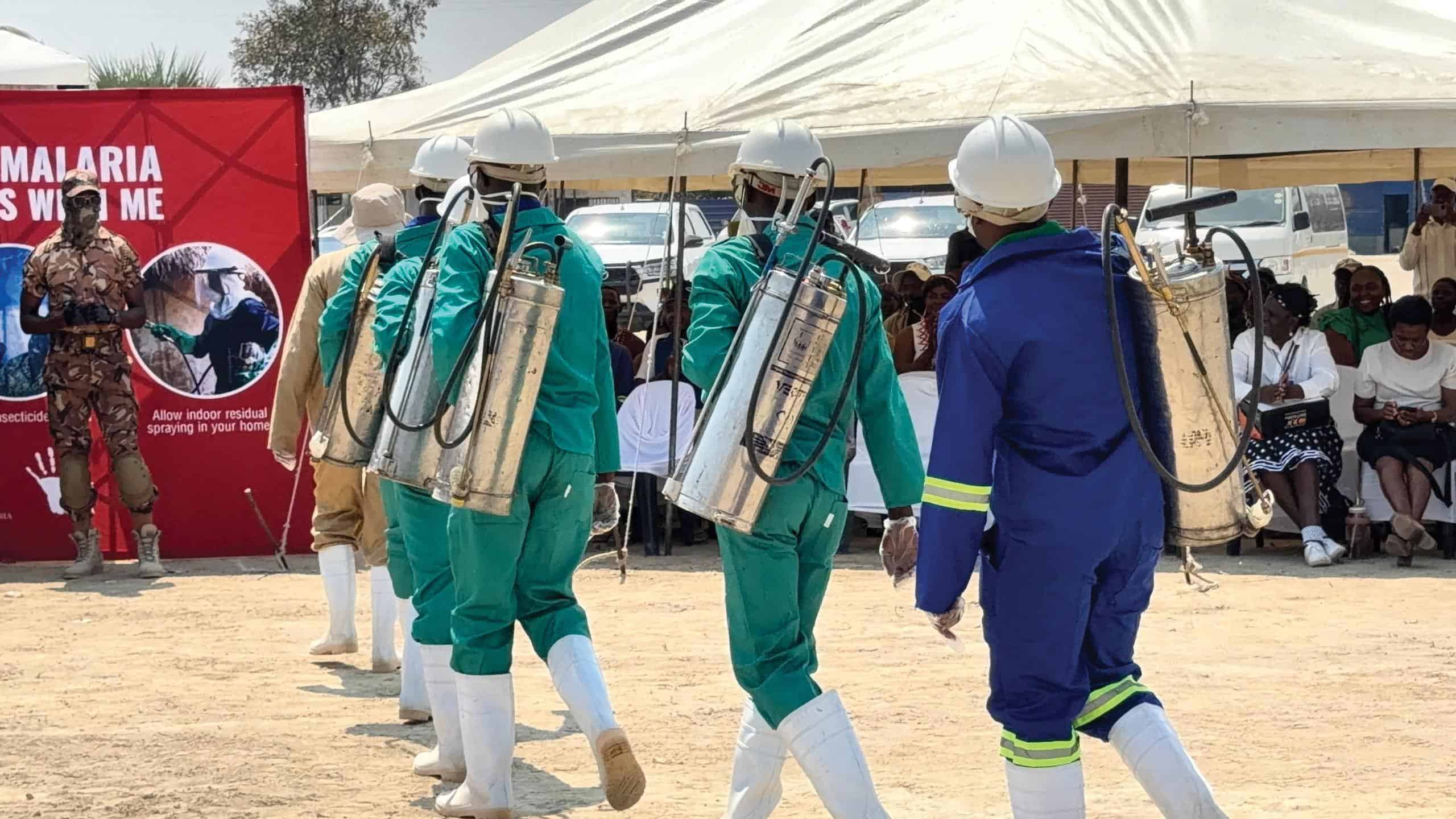
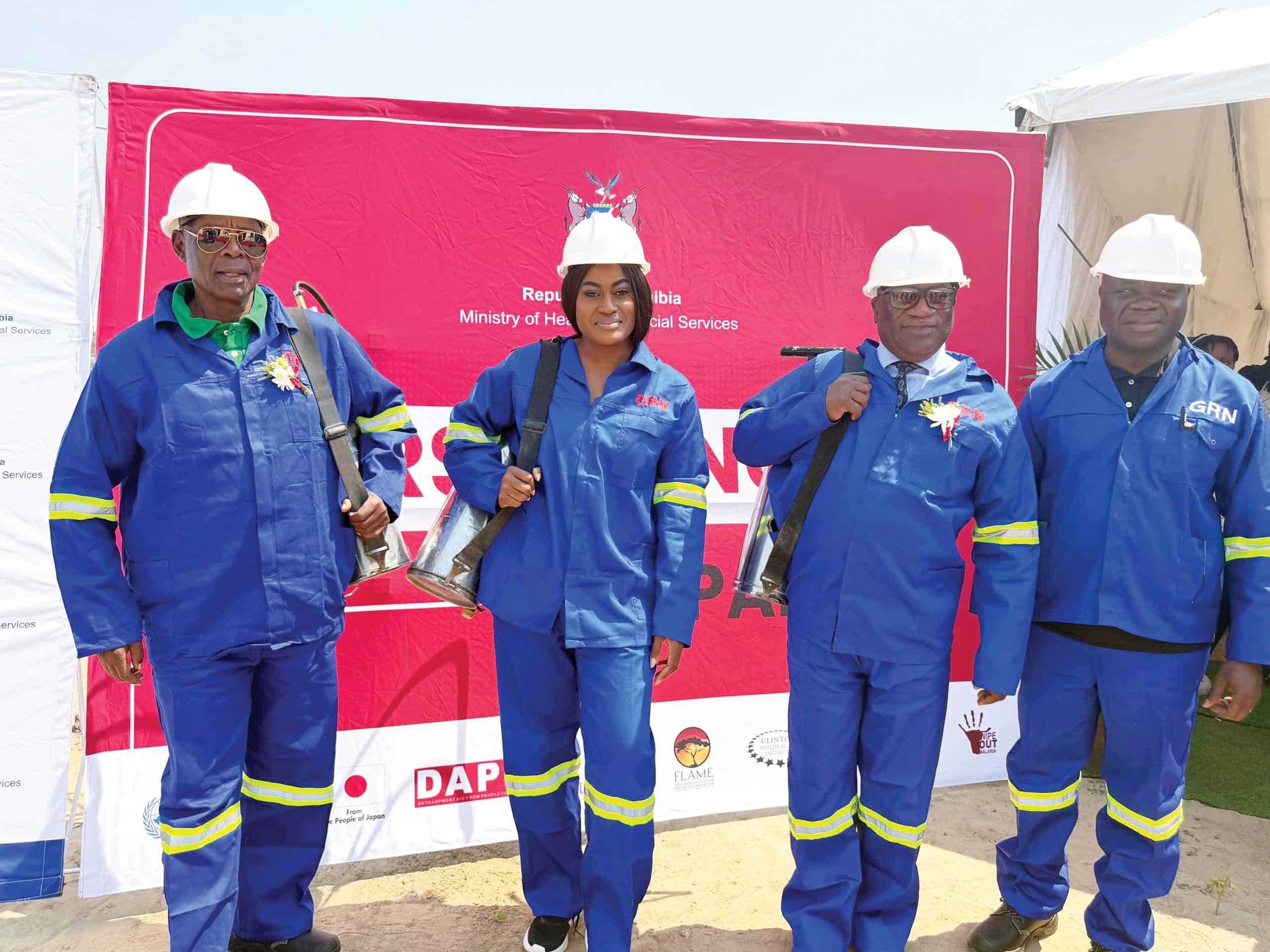
Zero malaria starts with me, it starts with you, and it starts in our homes. These were the sentiments of the Minister of Health and Social Services Dr Esperance Luvindao as she officially launched the 2026 Indoor Residual Spraying (IRS) campaign in Divundu in the Kavango East Region, which she described as the country’s secondhighest malaria outbreak epicentre.

The campaign is expected to target 1.2 million households across malaria-endemic regions. It follows as Namibia has recorded 122,612 confirmed malaria cases this year: 99,078 locally transmitted cases and 23,354 imported cases. A total of 9,956 people were admitted to hospital while 122 deaths were recorded.

In Kavango East alone, a total number of 37,488 malaria cases were recorded, with 22 people having died from the disease in the region. Dr Luvindao said the figures demonstrate that the outbreak has not subsided and requires urgent, coordinated action across all malariaendemic regions. “These numbers are a clarion call to timely and multi-pronged action in all endemic regions of the country. We can no longer afford a business-as-usual approach,” she noted.

Malaria remains endemic in 10 of the country’s 14 regions, namely Zambezi, Kavango East, Kavango West, Ohangwena, Omusati, Oshana, Kunene, Oshikoto, Omaheke and Otjozondjupa.

IRS COVERAGE REMAINS BELOW TARGET

Dr Luvindao said that a recent external validation and midterm review of Namibia’s National Malaria Programme Strategy, conducted with support from Roll Back Malaria (RBM), the African Leaders Malaria Alliance (ALMA) and the World Health Organisation (WHO), made the following findings.

What is working well:

  • Namibia’s malaria programme has a strong technical foundation.
  • Routine malaria surveillance through DHIS2 is robust and responsive.
  • 100% of suspected malaria cases are tested at public health facilities.
  • Malaria treatment availability remains strong.

Where improvement is needed:

  • Progress towards malaria elimination has regressed, with a resurgence in cases, admissions and deaths.
  • IRS coverage remains below the WHO’s 85% target.
  • Long-lasting insecticidal nets (LLINs) deployment, larval source management and entomological monitoring remain weak or incomplete.
  • High caseloads have resulted in backlogs in individual case investigations.
  • Gaps remain in quality assurance, supervision of community health workers and behaviour-change communication.
  • The main challenges identified are operational and related to planning.

“Guided by these candid findings, our 2026 strategy has been rigorously recalibrated to address these operational bottlenecks head-on. The central theme of our new approach is to strengthen planning, enhance the strategic use of surveillance data and vastly improve the absorption of available resources,” said Dr Luvindao.

The 2026 IRS campaign is being conducted in line with the WHO theme, “Driven to End Malaria: Now We Can. Now We Must.” Namibia has adopted it to a more specific national theme, “Together for 85% Coverage. Together for Zero Malaria.” Community mobilisation activities already started on 2 September, with the actual spraying campaign planned to run until 27 November 2026.

COMMON SYMPTOMS

According to the WHO, the most common early symptoms include:

  • Fever
  • Headache
  • Chills

Symptoms commonly begin around 10 to 15 days after infection, although they may initially be mild and difficult to recognise as malaria. Severe malaria can cause extreme fatigue, confusion, seizures, difficulty breathing, dark or bloody urine, jaundice and abnormal bleeding and requires immediate medical attention.

PREVENTION

The WHO identifies insecticide-treated mosquito nets and IRS as the two core vector-control interventions for malaria, while urging citizens to play their part by doing the following:

  • Sleep under an insecticide-treated mosquito net every night.
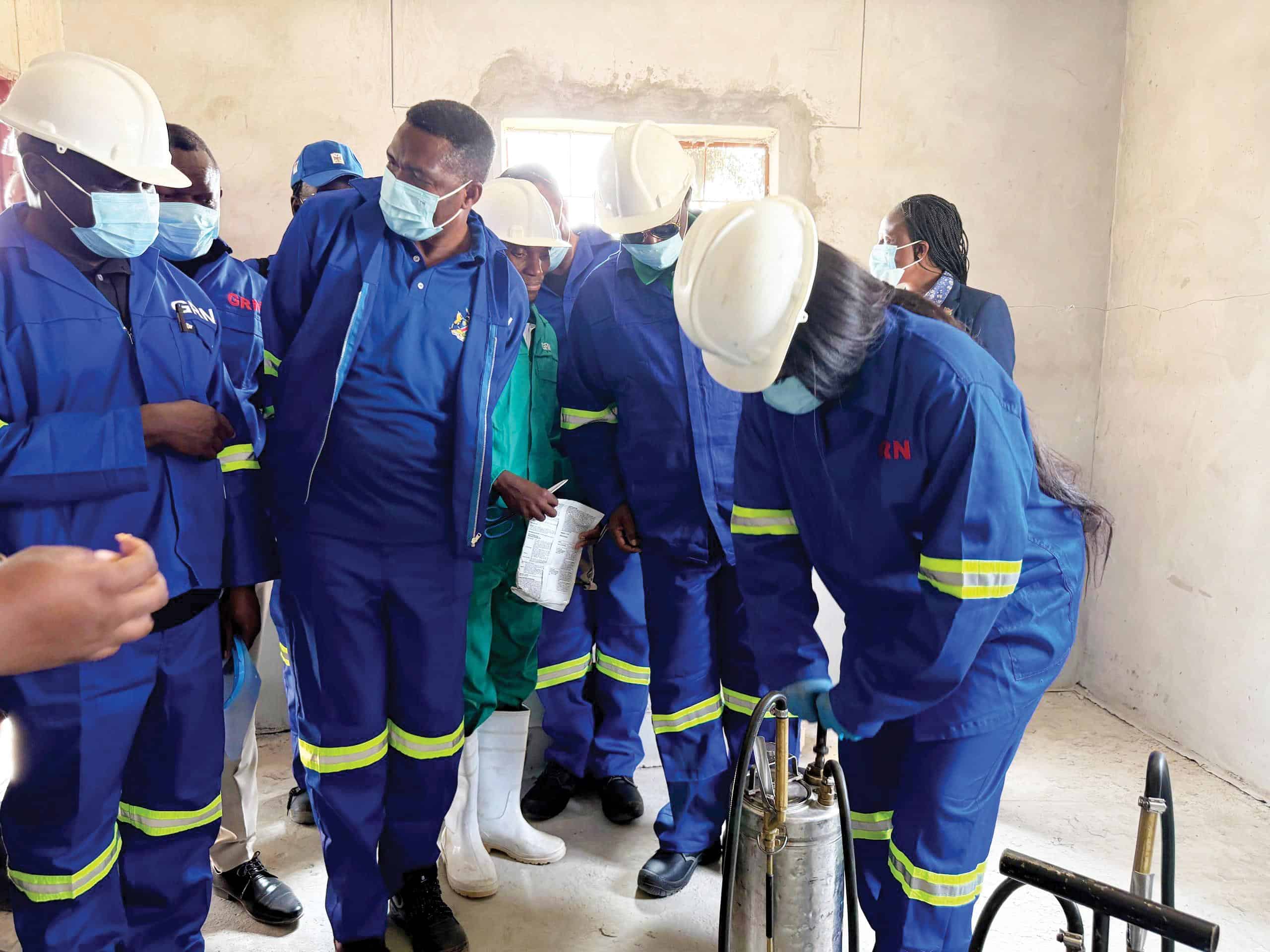
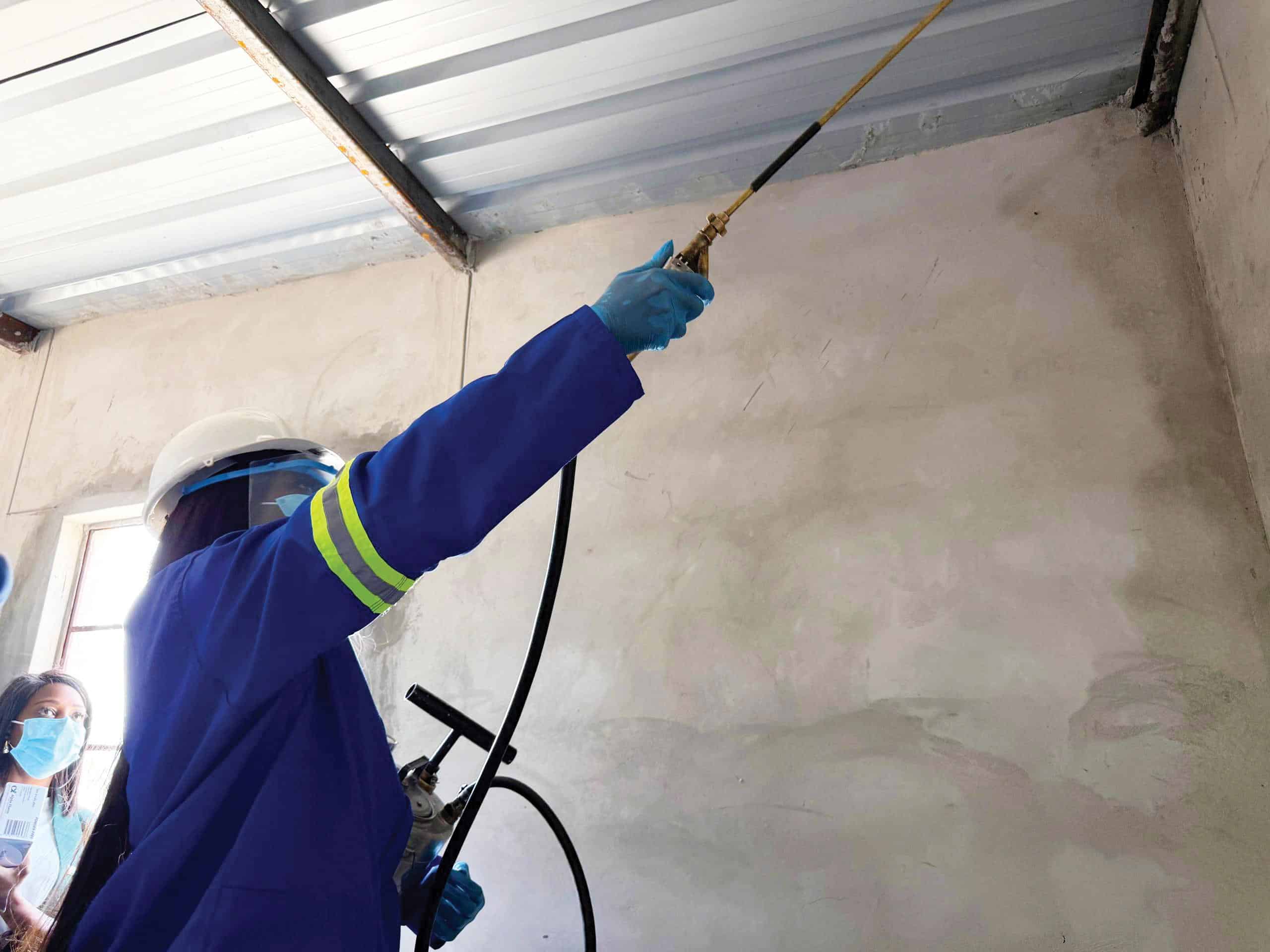
  • Allow IRS teams to spray eligible homes. IRS involves applying insecticide to indoor surfaces where mosquitoes rest.
  • Seek medical attention and get tested quickly if symptoms such as fever, headache or chills develop.
  • Complete the prescribed malaria treatment if diagnosed.
  • Where appropriate, use additional measures such as mosquito repellents, protective clothing and screened windows to reduce mosquito bites.

Dr Luvindao urged households to allow spray teams into their homes, stressing that the chemicals used in IRS are tested and carry WHO safety certification. She added that the ministry has introduced regional malaria champions in the Omusati, Kavango East, Kavango West and Zambezi regions who will support targeted advocacy, strengthen community trust and promote the uptake of malaria prevention measures.

The ministry is also strengthening cooperation with neighbouring countries such as Angola, Zambia and Botswana by formalising routine data sharing and joint surveillance and response activities to address imported malaria cases, which account for 19% of the national total.

With 1.2 million households targeted, the fight against malaria is ultimately a shared responsibility. Reaching 85% coverage is critical, and if every household plays its part, Namibia can turn the tide against malaria and move closer to a malaria-free future.

From the October 2026 issue

Share:

More Posts

Made in Namibia, by Namibians

August 26 Manufacturing makes garments and footwear in Windhoek and Okahandja—PPC, healthcare and workwear for mining, oil and gas, hydrogen
Sign up for our newsletter