Finding stillness through photography

Martin Zimelka

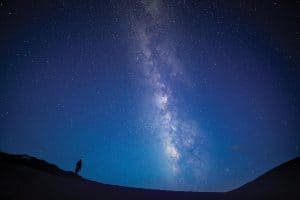
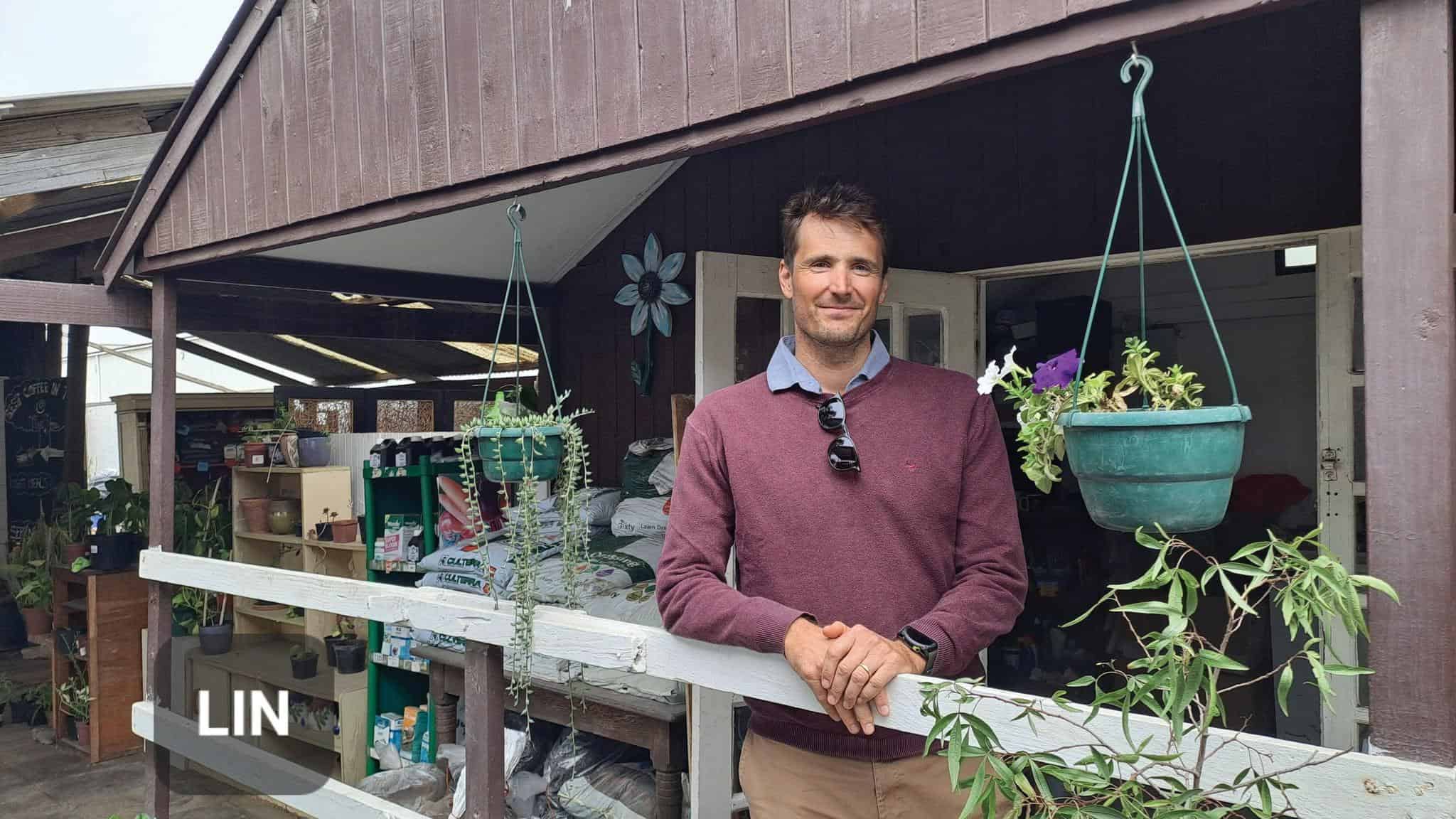
Photographer Martin Zimelka has a way of seeing Namibia that invites us to look a little longer. Through dunes, rocks, winter bushes and the changing moods of the sea, he finds beauty in quietness, simplicity and the natural forms that often go unnoticed.

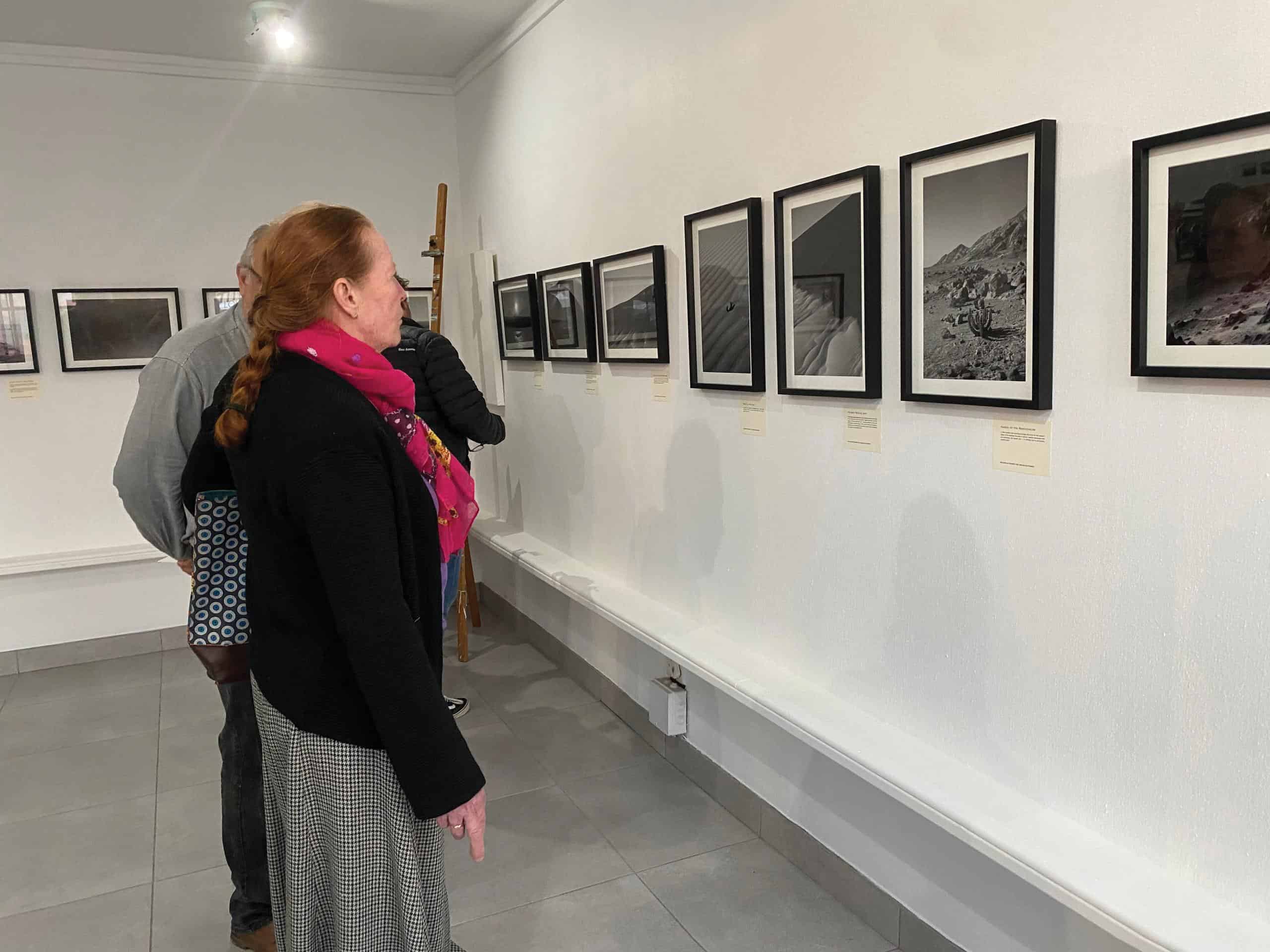
His recent exhibition, Walking Distance, at KAMMA Art and Design in Swakopmund was a successful opportunity for visitors to experience this distinctive approach to photography. LIN caught up with him and asked him about the person behind the lens, his creative journey and the landscapes that continue to inspire him.

A place to switch off

Martin is drawn to Namibia’s natural environment not necessarily because of its drama, but because of its ability to offer an escape from the noise of everyday life.

“It is where I can switch off and simply wonder,” he says. “I can escape the noise of life and step into a different environment.”

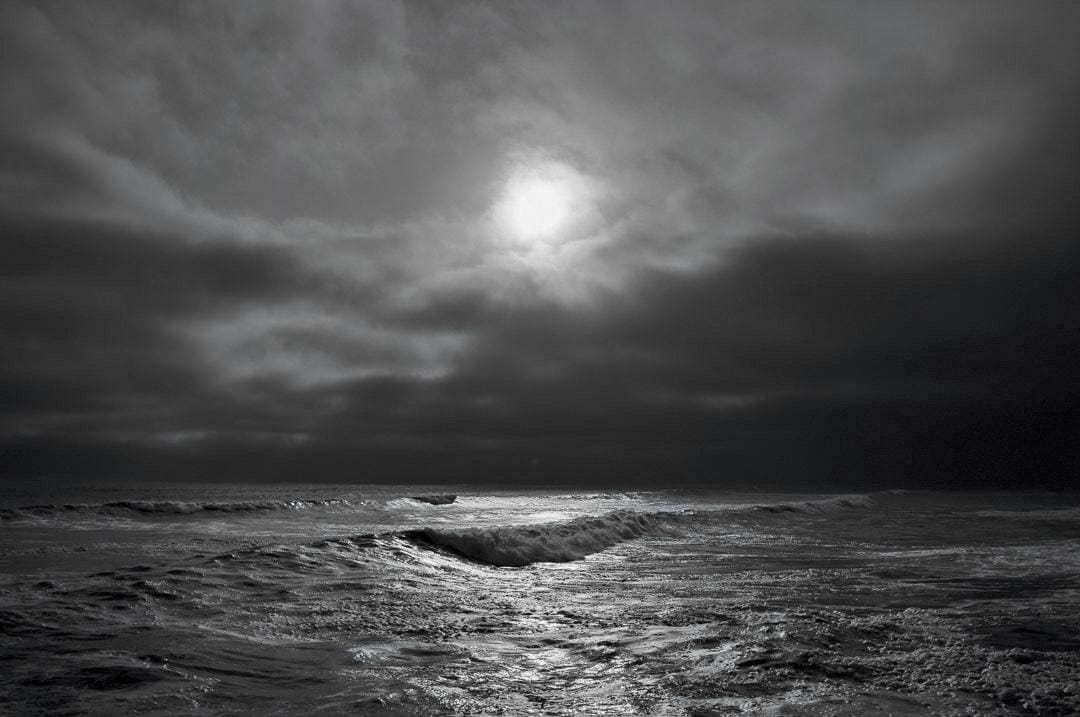
Even subjects that are not quiet in reality can become peaceful in a photograph. The sea may be loud and restless when an image is captured, yet the finished photograph can communicate complete stillness.

Photography entered Martin’s life when he was a teenager. “Photography became something I could direct my attention into,” he explains. “It was an escape from what was essentially the beginning of a dark time in my life.”

Over the years, it has remained both a creative pursuit and a personal way of processing the world around him.

Simplicity in unexpected places

Martin’s work is often described as abstract and minimalist – a description he considers fair, although his understanding of simplicity is not necessarily straightforward.

“Simplicity is in the eye of the beholder,” he says. “Chaos can also be simple.”

This is partly what draws him to subjects such as the winter bush, where he sees order within apparent chaos. He is also attracted to conditions that many photographers might avoid, including harsh midday sunlight, gloomy skies and bad weather.

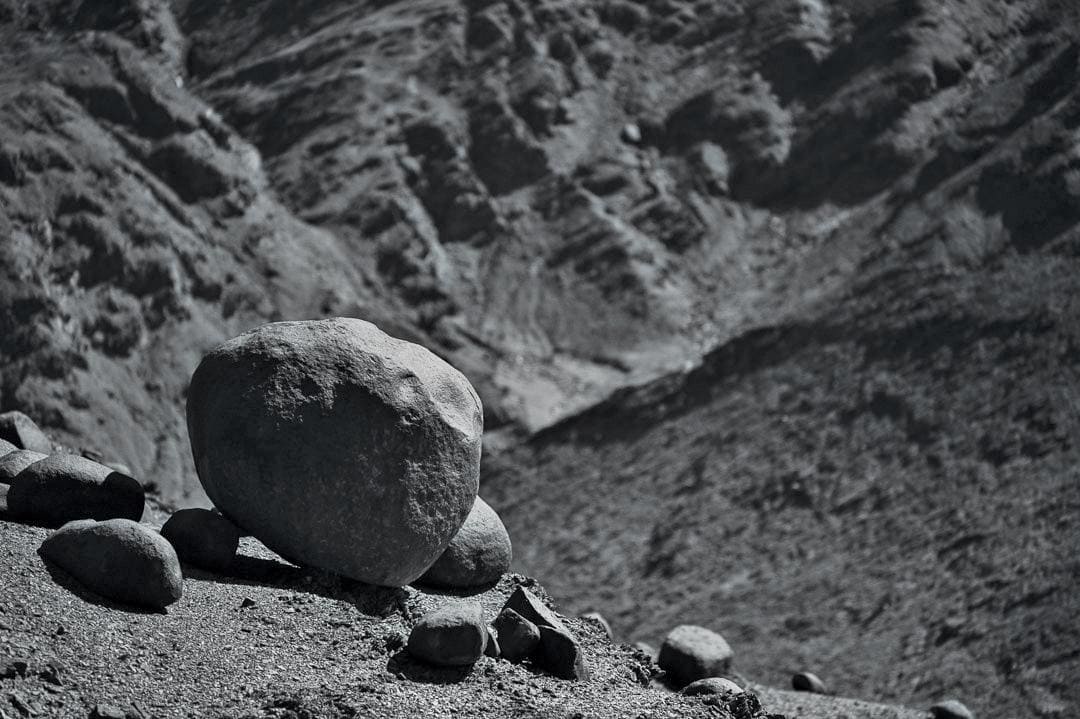
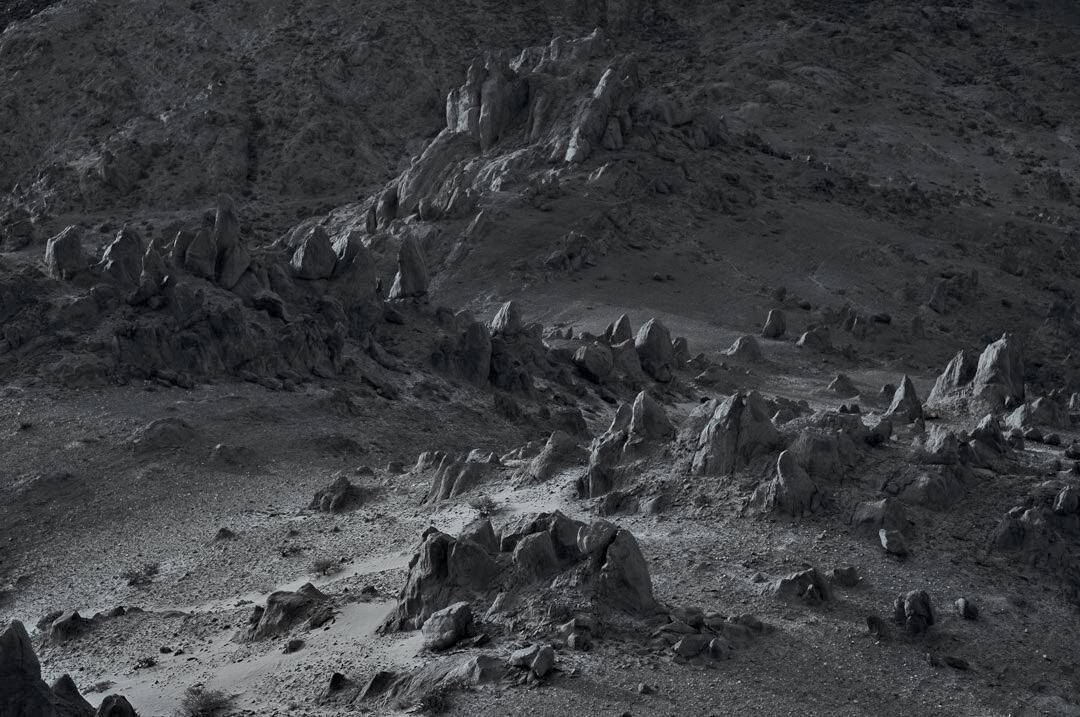
Rather than searching only for traditionally beautiful scenes, Martin looks for the relationships between shapes, textures, light and shadow. A seemingly ordinary detail can become an image that encourages the viewer to see the landscape differently.

Namibia’s ancient landscapes also give him a sense of perspective. Some parts of the country have changed very little over thousands of years. They were here long before us and will remain long after us. For Martin, this is a reminder of the smallness of human existence and the importance of reconnecting with something greater than ourselves.

“Sometimes one simply needs to sink one’s bare feet into the sand,” he says.

Seeing the world in black and white

Martin has a particularly strong interest in black-and-white photography. He feels that colour can easily overwhelm an image and distract from its simpler elements.

“Colour becomes another subject within the photograph, and for the majority of my images, it either overcomplicates or detracts from what I see,” he explains.

He also finds it frustrating trying to reproduce the colours he perceived in a scene in the final photograph. Colour is subjective and introduces an interpretive problem that he would often rather avoid.

Black-and-white photography allows him to concentrate more intensely on form, balance, texture, light and shadow. “I suppose I see the world differently,” he says, “and I cannot always represent that in colour.”

Asked whether his work and the way he sees the landscape have changed over the years, Martin says, “It is getting darker. That does not necessarily have a negative meaning. Perhaps it is simply an homage to some very dark stages in my life, which I am still working through. I am still quite broken.”

His photographs reflect that personal journey without requiring the viewer to interpret them in the same way. The quietness of an image can offer something different to each person who encounters it.

From vision to print

Martin often has a clear idea of the finished photograph before he presses the shutter. During post-production, he does not automatically increase the contrast or force every image to contain an absolute white or black point.

“In most cases, I can already visualise the finished photograph when I see the scene in front of me.”

The final editing process is therefore usually quick and restrained, with the emphasis on preserving the feeling he experienced when making the photograph.

Martin currently outsources his printing to Silvertone in South Africa, which he considers one of the finest photographic printers available. The company specialises in fine art printing and reproduction to high archival standards, ensuring that the finished print remains true to his vision.

Photography, passion and the future

While Martin is committed to his craft, promoting himself does not come easily.

“Trying to make a living from something you are passionate about can corrupt or even destroy that passion,” he says. “I have seen it happen to others, and it is sad and frightening.”

His long-term goal is to establish a permanent gallery where he can exhibit and sell his photographic prints, creating a space where people can spend time with the work and experience it beyond a screen.

For Martin, photography is not simply about documenting a landscape. It is a way of finding perspective, exploring personal experiences and sharing a moment of stillness with others. His images remind us that beauty does not always announce itself through dramatic sunsets or grand vistas.

Sometimes it is found in the quiet arrangement of a few stones, the texture of a winter bush or the soft meeting of sand and sea.

Find more stories on Life in Namibia here:

More of Martin Zimelka’s work can be viewed in the digital galleries on his website, where he can also be contacted regarding the purchase of photographic prints.

From the October 2026 issue

Share:

More Posts

A child beneath the African sky

Namibia’s dark skies are a classroom. This reflection argues African children deserve astronomy—not as a luxury, but as curiosity, literacy
Sign up for our newsletter