Made in Namibia, by Namibians
August 26 Manufacturing makes garments and footwear in Windhoek and Okahandja—PPC, healthcare and workwear for mining, oil and gas, hydrogen
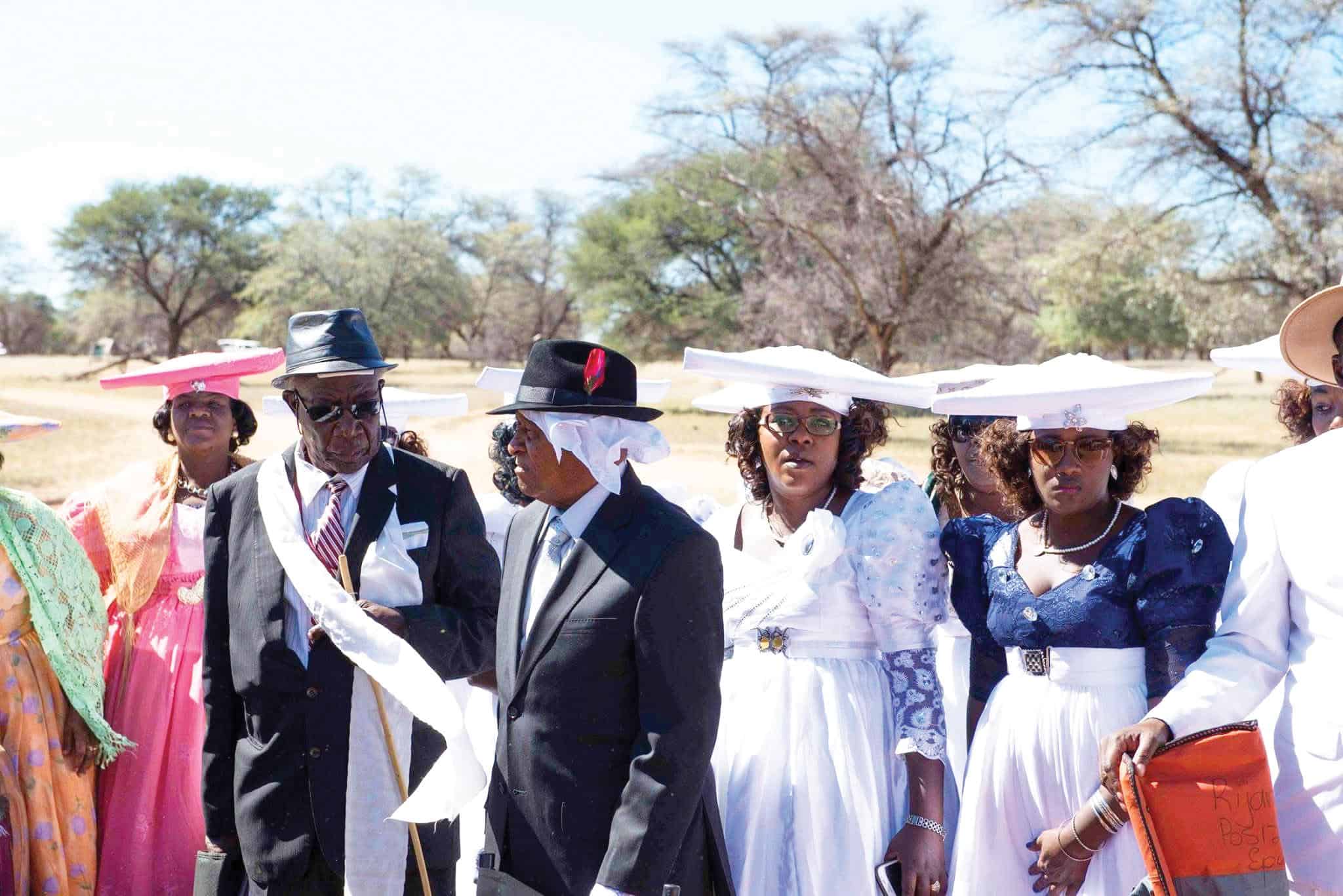
For generations, marriage within the Ovaherero community was never viewed simply as a union between two people. It was a deeply layered cultural institution rooted in spirituality, family lineage, communal responsibility and identity. Every stage of life, particularly for women, prepared an individual for adulthood and eventually marriage through rituals, teachings and ceremonies that connected families across generations.
Alphons Koruhama is a computer scientist, indigenous knowledge researcher, founder and director of Himba Science and Technology, founder of Ronda (an e-hailing app) and founding member of Possibility Thinkers and Namibia Marketplace. According to him, many of these traditions reflected structured systems that guided society long before Western influence reshaped modern marriage practices. Koruhama explains that back in the day, a young girl would traditionally be expected to pass through several important stages before she was considered ready for marriage.
These stages would mark her physical, spiritual and social development within the community.
“Marriage itself was not rushed,” he says. “A young child had to grow through different stages of life first.”
One of the earliest ceremonies in a child’s life was the naming ceremony (Omuatje okurukwa ena), which traditionally took place at the holy fire – a sacred spiritual space within the homestead. It was here that a child officially received their name and blessings from the family and ancestors. During this stage, children could also receive livestock, symbolising inheritance, belonging and family recognition.
As girls grew older, their appearance reflected their stage of life. Hairstyles, in particular, carried important cultural meaning within Ovaherero society. Different hairstyles could indicate a girl’s age, maturity and even the family or patrilineal clan (oruzo) she came from.
“If you visited a village, people could identify where a girl came from simply by looking at her hairstyle,” Koruhama explains.
Puberty ceremonies were another significant milestone. When a girl experienced her first menstruation, a ceremony would be held to mark her transition into womanhood.
According to Koruhama, girls of the same age group would spend time together in seclusion behind the homestead for several days, during which livestock would be slaughtered. At the end of this period, the girl would come home and be taken to the holy fire, and her father would slaughter sheep or cattle to celebrate her maturity.
After this stage, the father would formally acknowledge his daughter’s maturity through another ceremonial process, where she tries on the Herero dress for the first time (Okusaneka ekori Otjikaiva/erembe). Only once these stages had been completed could she be seen as an adult and if there was a suitor for her, formal marriage discussions would commence.
Unlike many modern relationships, traditional Ovaherero marriage negotiations were highly structured and familycentred. A young man could not simply approach a family directly on his own to say that he wanted to marry their daughter. Instead, the process followed carefully respected family lines and elders.
Traditionally, a young man would first share his intentions with either his mother or his father’s sister (aunt). There are structural compositions on this matter of who does the negotiation. The son tells his mother or an aunt, whereafter the aunt or the mother inform the father about the son’s intentions. The father calls the son to confirm with him and then he goes and tells his father, the grandfather (omuyanwa) of his son. The message would then move through the family until the groom’s grandfather formally approached the bride’s grandfather to begin discussions.
“These negotiations involved both the paternal and maternal sides of the family,” Koruhama says. “That is why, even today, you still hear paternal and maternal relatives being called upon during weddings and funerals.”
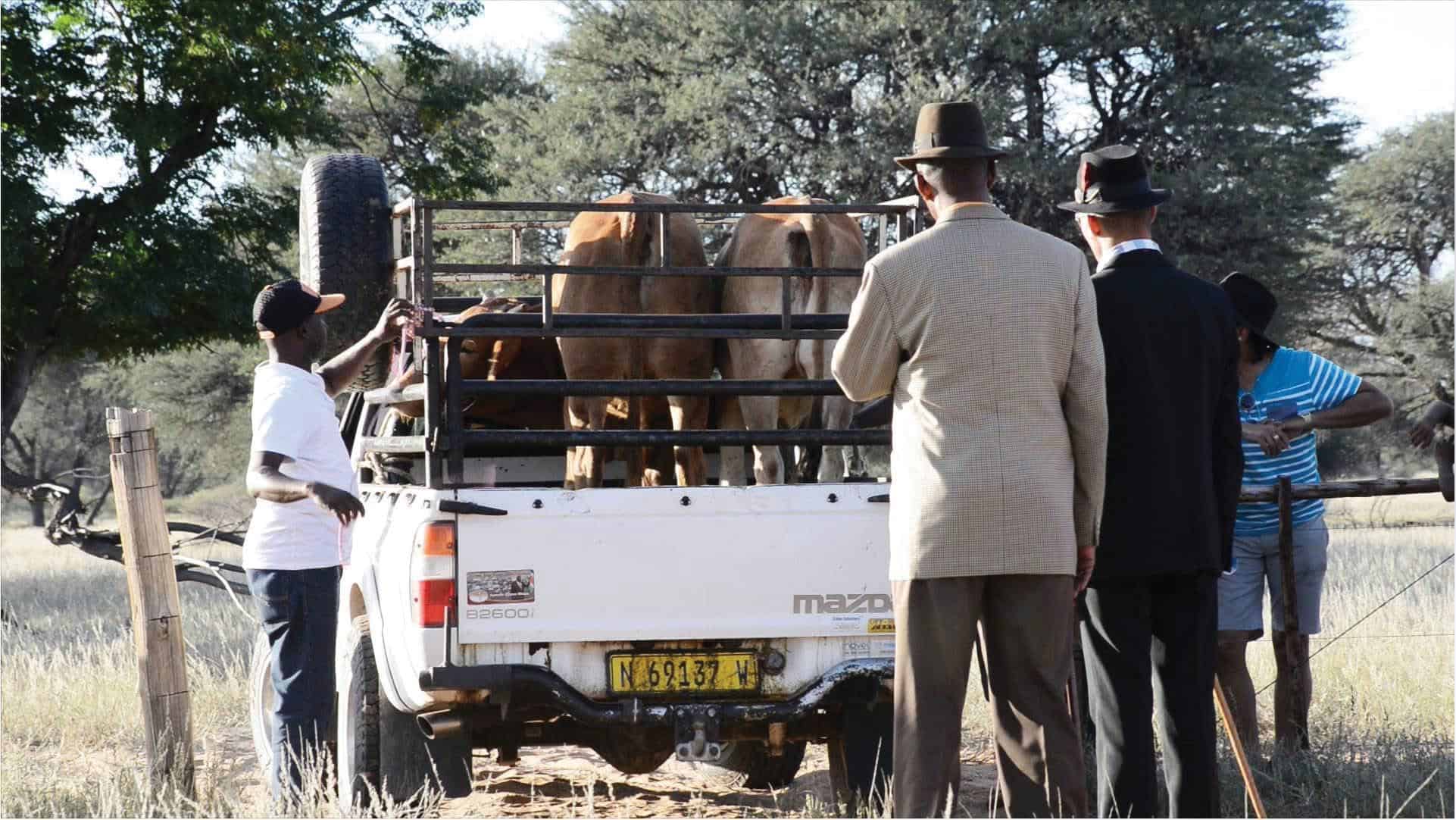
Marriage negotiations also involved cattle, which carried both economic and symbolic value within the community. Specific cattle were selected according to colour, as not every ox was considered appropriate for marriage ceremonies. When the groom’s family arrived with the cattle, ceremonial exchanges would take place between the two families. The groom’s side would praise the cattle and speak proudly about their lineage and value, while women from the bride’s family would playfully criticise the presented oxen (oyovitunya) as part of the traditional process.
“It was both ceremonial and educational,” Koruhama explains. “People were teaching family history, values and pride through these exchanges.”
Traditionally, most Ovaherero weddings took place during the winter months back then, particularly between June and August. Koruhama says there were practical reasons for this timing, as ceremonies often involved the slaughtering of many animals and large gatherings of people.
“Winter helped preserve the meat,” he says. “There was always a lot of food during these ceremonies.”
Weddings were also commonly linked to other communal gatherings and commemorative events, creating an entire season dedicated to ceremonies and family reunions across villages.
The wedding itself could last up to three days. The first day focused on bringing the cattle and beginning ceremonial exchanges. On the afternoon of the second day, the groom would go to the wife’s side of the family for a ceremony called “Okukasuvira orunde” in some sections of the OvaHerero community. As both the groom and bride would be kept apart from each other, he would go with a walking stick, escorted by his groomsmen who would then escort him back to his quarters behind the bride’s homestead. On the final day, the groom, still escorted by his groomsmen and the rest of his family, would come to the bride’s family. The bride and groom would meet for the first time in public and receive omaronga – marital advice and counsel from the elders. The groom would then take the wife to his homestead, and they would have a party where she is celebrated into the new family. This is known as “ondjova”.
According to Koruhama, this transition into married life was deeply symbolic. A small hut would traditionally be prepared behind the main house for the new bride. This represented her arrival into a new family structure, often with different customs, clan systems and family restrictions from those she had grown up with.
One of the more surprising traditions for many people today is that newly married couples back then did not speak directly to one another immediately after marriage. Communication often happened through a helper, usually a younger sister or cousin of the bride, who assisted the couple during the early stages of married life.
Koruhama explains that many marriages in the past were arranged by families, meaning couples may not have known each other well before the union.
“The helper made the transition smoother,” he says. “It was part of creating respect and easing communication between the couple.”
Eventually, a sheep would be slaughtered and certain parts of the meat shared by the husband and wife, symbolising the beginning of direct communication between them during the Ondjova ceremony that evening.
The following morning, the bride would be brought into the main hut, where elderly women performed rituals involving sacred oils and family symbols (okuhiwa omaze). She would then be taken to the holy fire, where the marriage was spiritually sealed and she was formally welcomed into her husband’s family and lineage.
Koruhama says these traditions were not only about marriage itself, but also about preserving social structure, accountability and unity within communities.
“These customs created responsibility between families,” he explains. “They helped maintain unity and stability within the community.”
Today, while many practices have changed or faded, Koruhama believes there is still value in preserving and documenting Ovaherero indigenous knowledge systems for future generations.
“These traditions carried wisdom, identity and structure,” he says. “There is still much we can learn from them.”
From the October 2026 issue
August 26 Manufacturing makes garments and footwear in Windhoek and Okahandja—PPC, healthcare and workwear for mining, oil and gas, hydrogen
With youth joblessness at 44.4%, Namibia cannot recruit its way out of a skills gap. Leadership means first chances, local

At AGIS 2026 in Swakopmund, Namibia set green industrialisation as a jobs strategy—hydrogen, iron and ammonia under NDP6, not just

First oil is not the starting line. At NOGC 2026, Namibia’s energy talk shifted to readiness: local content, joint ventures