
UNDP opens its doors to showcase development impact in Namibia

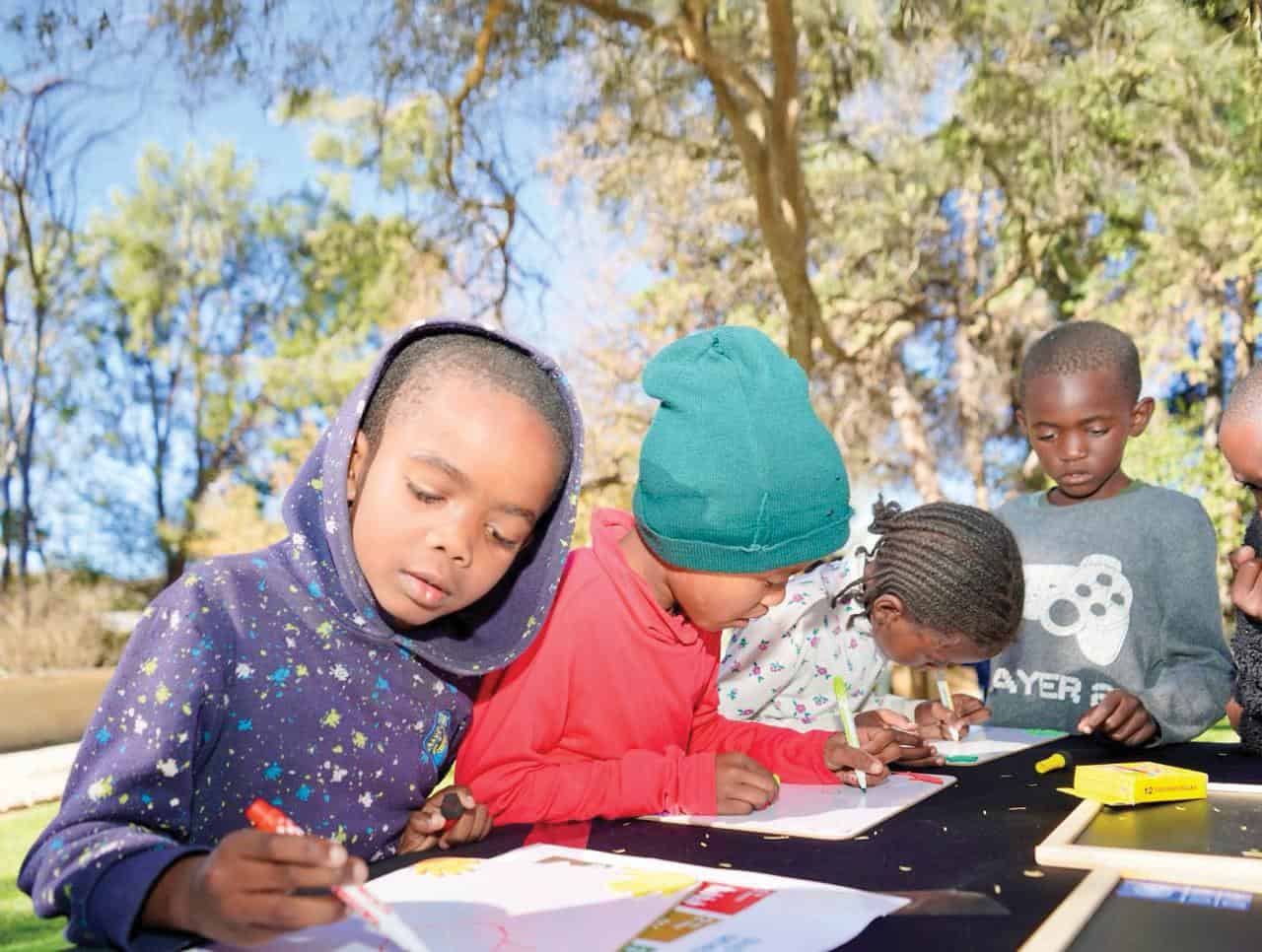
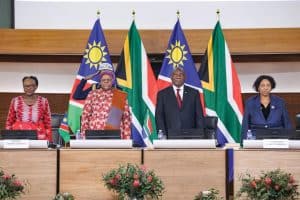
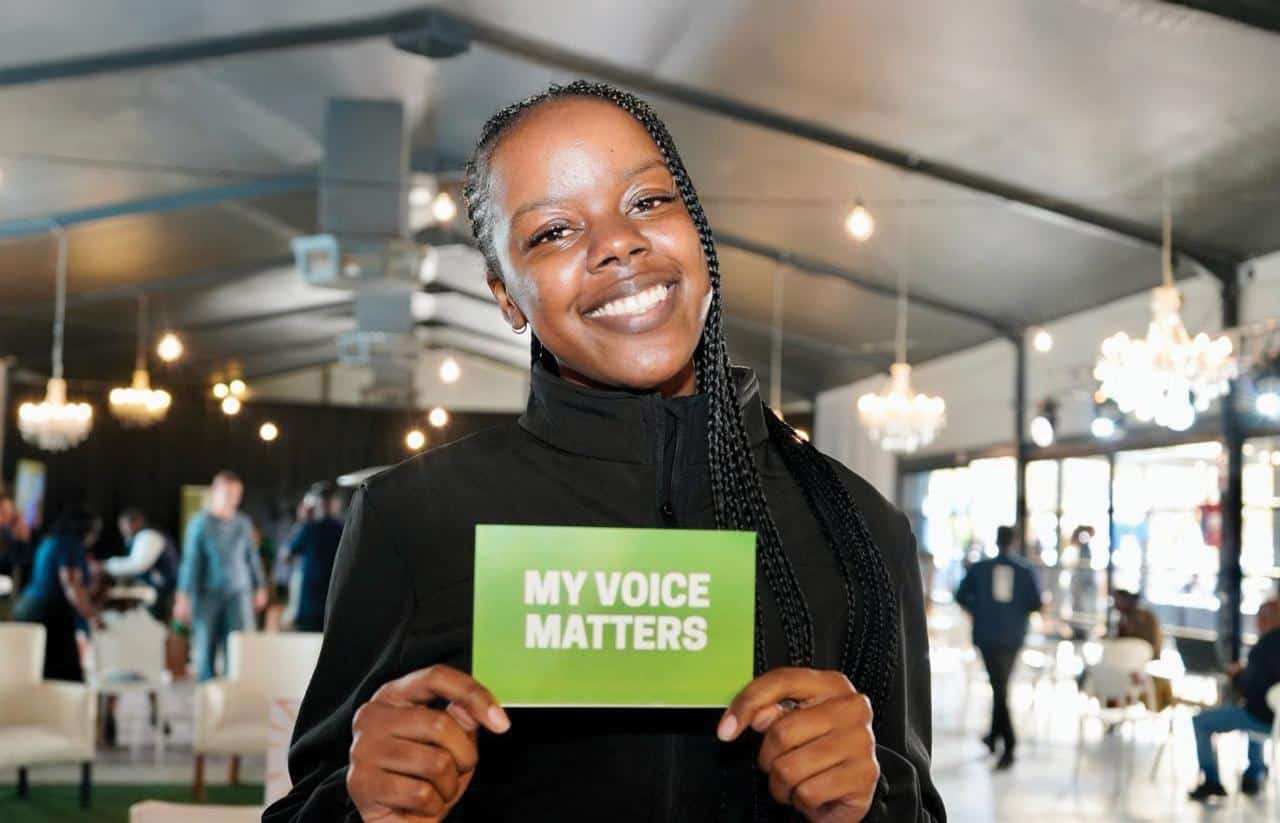
The United Nations Development Programme (UNDP) in Namibia opened its doors to the public in Windhoek, showcasing its work and partnerships aimed at advancing sustainable and inclusive development in the country. The UNDP Namibia Open House 2026 was the first event of its kind hosted by the organisation’s country office, providing an opportunity for the public, development partners, government representatives, civil society, the private sector and communities to gain a closer look at UNDP’s work in Namibia.

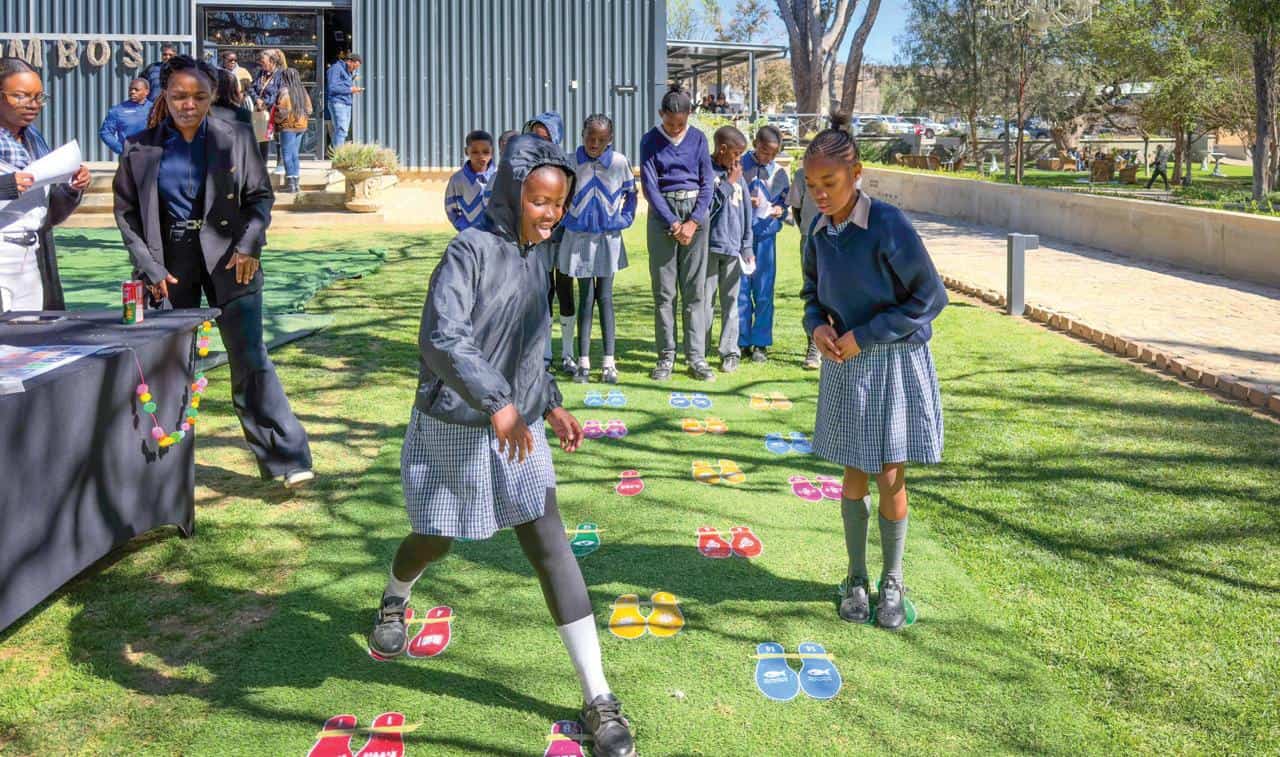
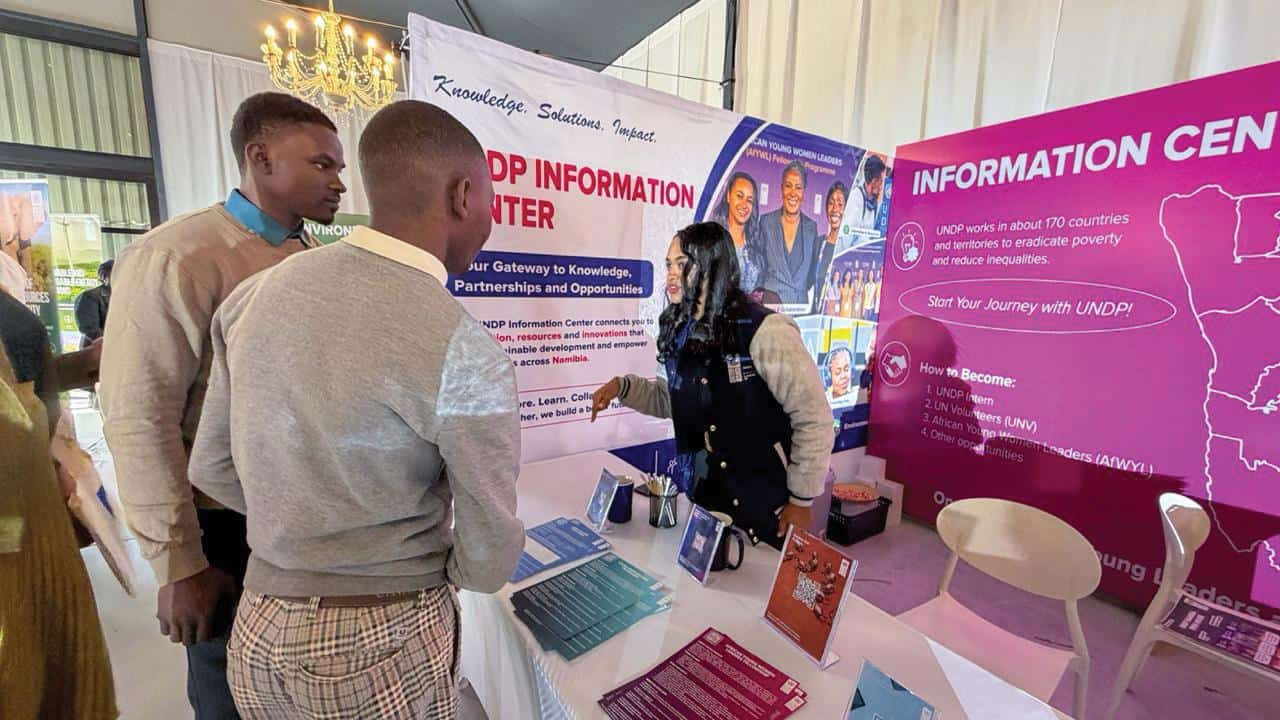
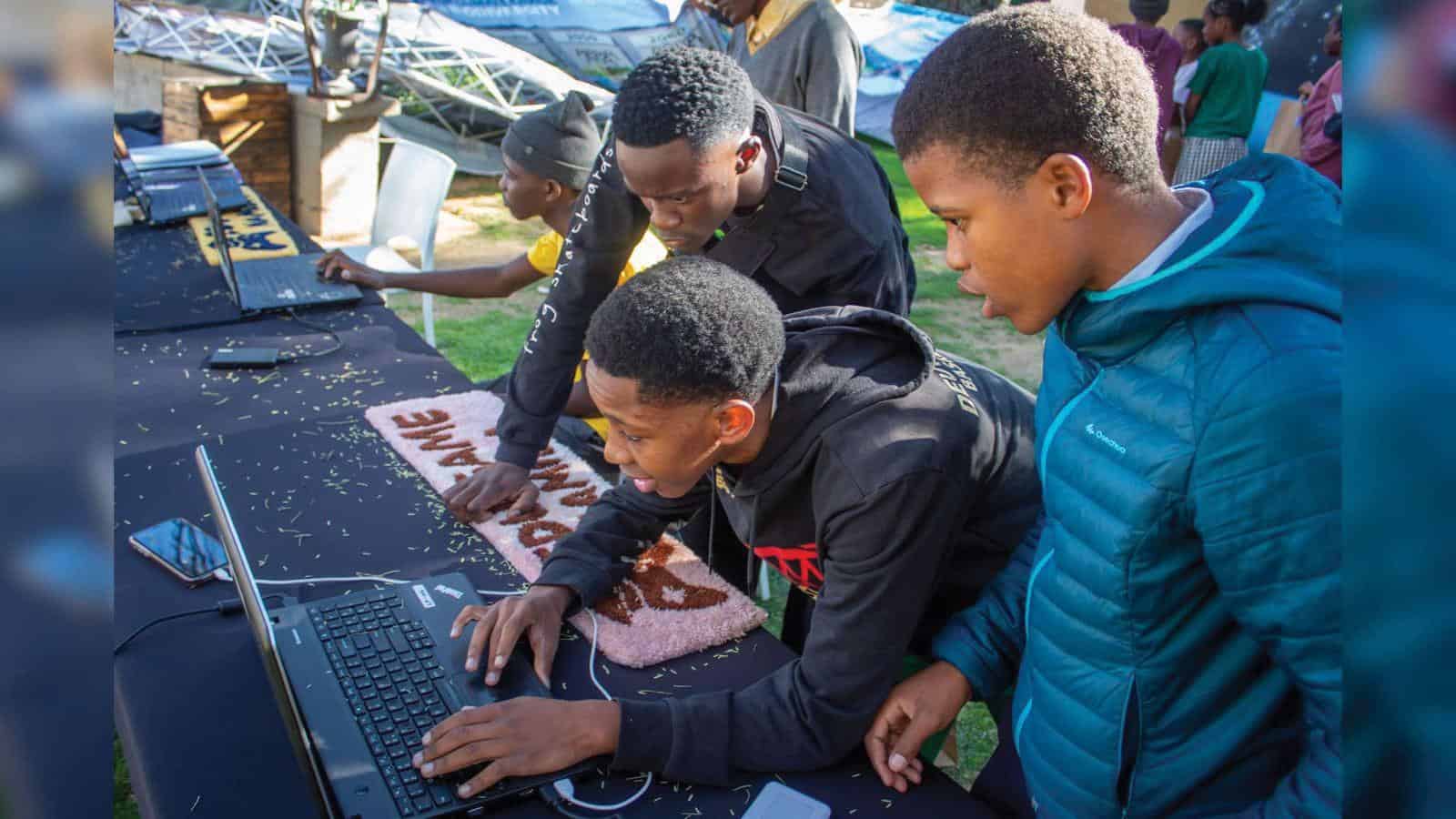
The Open House featured an interactive exhibition where visitors could engage with UNDP programme teams and partners, explore development solutions and learn more about initiatives supporting Namibia’s development priorities.

The event also highlighted the importance of partnerships in delivering development results, with UNDP bringing together government, development partners, civil society, the private sector and communities in pursuit of shared development goals.

A key focus of the event was demonstrating how development programmes are translating into practical solutions for communities and contributing to Namibia’s progress towards the UN Sustainable Development Goals (SDGs). Through exhibitions and interactive content, visitors were able to gain insight into the breadth of UNDP’s portfolio and the organisation’s contribution to areas of sustainable development.

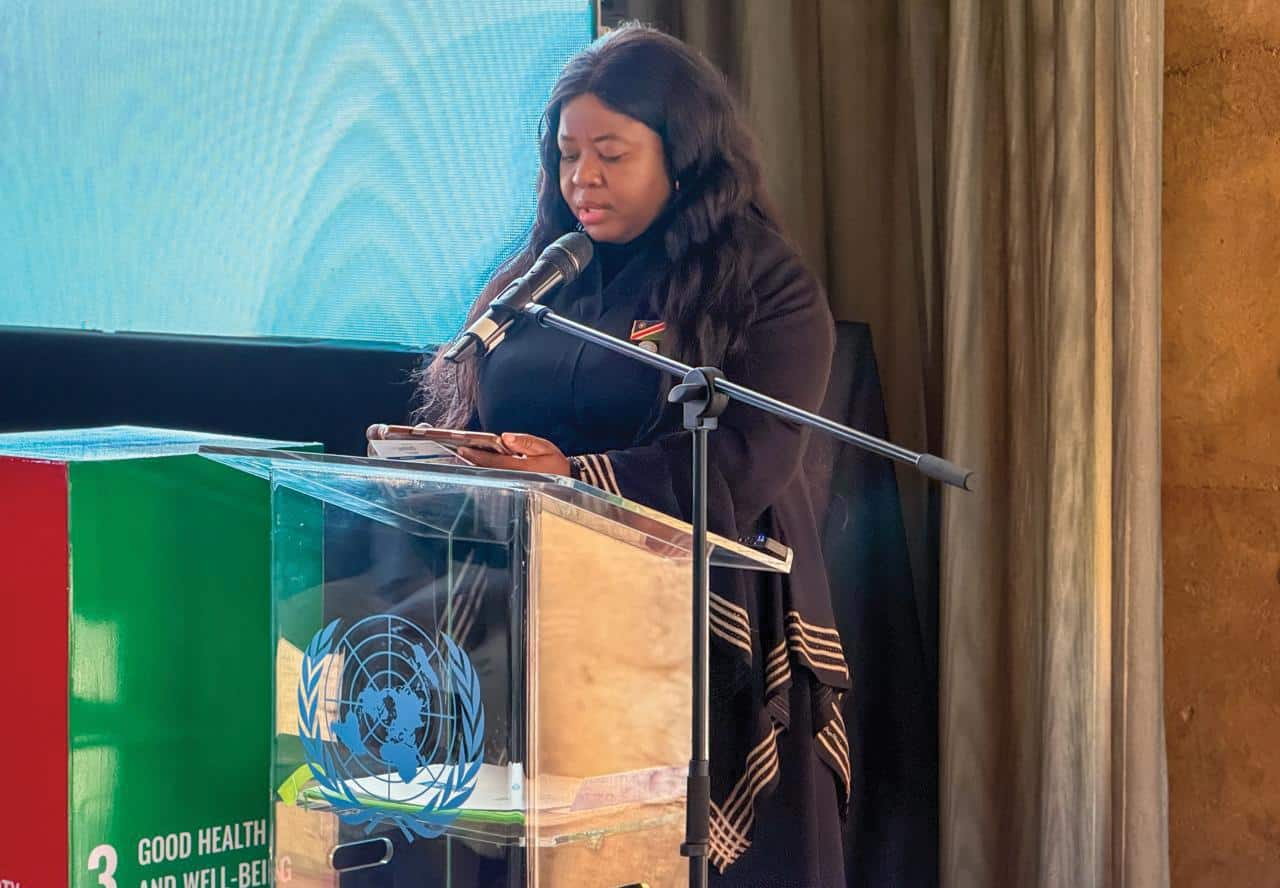
“This year also marks 35 years of partnership between UNDP and Namibia. Thirty-five years is a significant milestone. But I don’t see it simply as something to celebrate. I see it as a responsibility. After three and a half decades, what matters is not how long we have been here. What matters is whether we have earned your trust,” said Amanda Kabejja Serumaga, UNDP Namibia Resident Representative.

More than US$7.5 million mobilised

Highlighting the organisation’s recent work, Serumaga said UNDP Namibia supported 26 projects and worked with 14 development partners during 2025, while mobilising more than US$7.5 million in support of Namibia’s national priorities. In the governance sector, UNDP worked with Integrity Committees from 14 ministries to strengthen ethics, transparency and whistleblower protection. She said stronger institutions were essential to building public trust, improving service delivery and strengthening accountability in government. In the environmental sector, Namibia completed its first Biodiversity Policy and Institutional Review and began laying the groundwork for a Biodiversity Finance Facility. According to Serumaga, the objective is to strengthen sustainable domestic financing for the conservation of Namibia’s natural resources and reduce reliance on external support.

Supported conservancies reduced the average response time to human-wildlife conflict incidents to approximately 24 hours, helping farming families protect livestock and livelihoods. Nearly half of the people who benefited directly from these interventions are women.

The organisation also supported livelihood initiatives, including improved auction facilities that enabled farmers to generate more than N$5 million in cattle sales, with almost N$4.8 million returning directly to producers. Other initiatives have focused on developing green skills among young people through biomass enterprises, while women have been supported to increase their incomes through climate-smart agriculture, irrigation schemes and sustainable harvesting initiatives.

Risks

The UNDP Namibia Country Programme Risk Register for 2025–2029 identifies a range of potential risks that could affect programme implementation, while also outlining mitigation measures to manage these challenges. The report identifies rhino and elephant poaching as an “almost certain” risk with a “severe” impact, making biodiversity and natural resource management an important area for continued attention. Proposed measures include strengthening anti-poaching operations and intelligence, supporting community ranger programmes and enhancing cross-border cooperation.

Other risks, including digital inclusion and connectivity gaps, youth unemployment and social unrest, environmental and social safeguards, and climate-related pressures such as droughts, floods and desertification, are rated between “likely” and “possible”, with impacts generally assessed as major. The report also identifies stakeholder engagement, governance and policy implementation, operational efficiency, community health and safety, data security and regulatory changes as areas requiring continued monitoring and mitigation. Political and socioeconomic instability is rated as “unlikely”, although its potential impact is assessed as major. Data security and digital privacy risks, as well as compliance and regulatory changes, are similarly assessed as unlikely, with moderate potential impacts.

UNDP has outlined mitigation measures across these areas, including strengthening institutional capacity, improving coordination and stakeholder engagement, expanding climate-resilient solutions, enhancing cybersecurity and data protection, and maintaining preparedness for emerging challenges.

Priorities for 2026

Under its governance priorities, UNDP plans to support the co-design of youth engagement platforms in collaboration with local authorities and the private sector. It will also seek to expand digital civic tools and gender-parity mentorship programmes.

In the area of economic growth, UNDP has identified the operationalisation of the Namibia Centre of Excellence for Energy as a key priority. The organisation also plans to work with the government on co-designing derisking platforms and blended-finance models aimed at supporting economic opportunities and investment.

UNDP will further support the delivery of competencybased entrepreneurship training under EMPRETEC, while contributing to the development of a green taxonomy for sustainable financing. For climate and natural resource management, UNDP’s priorities include strengthening national systems to meet climate transparency and reporting obligations. The organisation also plans to support evidence-based biodiversity governance and conflict management, strengthen national capacities for transboundary climate adaptation and resilience, and advance integrated landscape governance and restoration systems.

Serumaga emphasised the importance of collaboration in achieving sustainable development, noting that “lasting development happens when government, communities, business, civil society and development partners work together.”

From the September 2026 issue

Share:

More Posts

Sign up for our newsletter