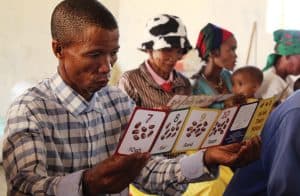
Count Me In: San inventiveness at its best
Discover how Ju/’hoan translators in Namibia developed an innovative counting system while preserving language, culture, and oral storytelling through Bible
In Namibia’s informal settlements, where daily life is shaped by uncertainty, Hope Initiatives Southern Africa (HISA) Namibia is quietly transforming lives, one family at a time. What began as a simple act of compassion has grown into a farreaching movement rooted in dignity, care and community upliftment. I spoke with Anthony Phiri about the organisation’s journey and the impact it continues to make.
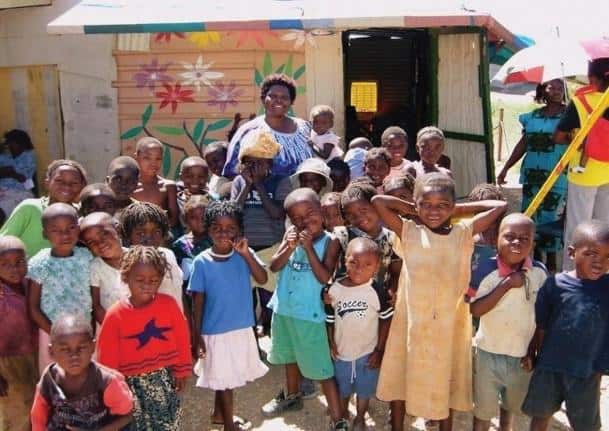
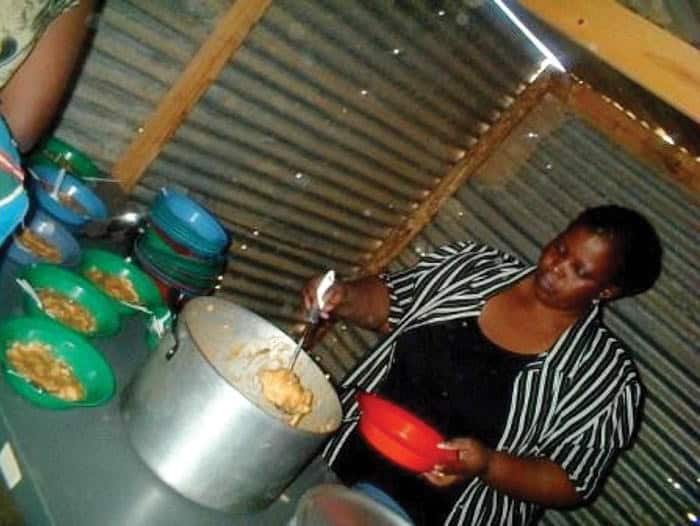
In 2003, in Okahandja Park, Patricia Sola began cooking meals at home for about 30 vulnerable children. She had just lost a close family member to HIV/AIDS, and that experience shaped her purpose. Each day, more children came. What started as a small soup kitchen, supported by her husband and children, grew into a deeper commitment to restoring dignity and breaking cycles of poverty. Since registering in 2004, the organisation has continued to expand its reach.
That small beginning has grown into a community development organisation working across regions and settlements, including Khomas, Groot Aub, Otjozondjupa and Omusati. A key milestone has been the community centre in Kilimanjaro, which now serves as a hub for education, feeding programmes and skills training. Over time, the work has shifted from immediate relief to long-term development, focusing on education, health, livelihoods and resilience, while still staying rooted in the community.
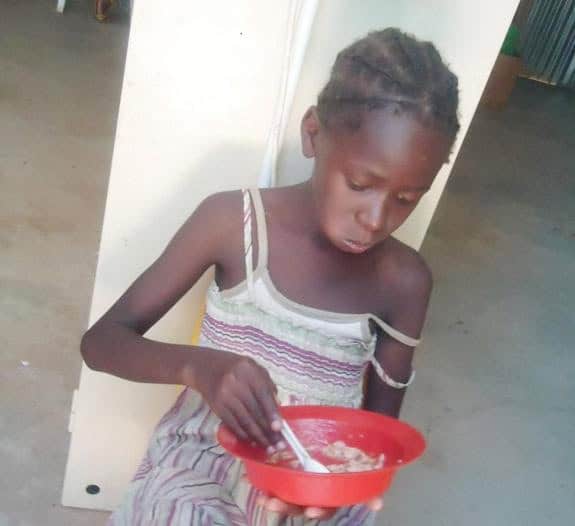
At the centre, you see the impact in everyday life. Children receive meals before heading into learning spaces, young people talk about their futures and caregivers gain skills to support their families. Programmes include feeding initiatives, early childhood development, bridging education for out-of-school children, youth empowerment as well as health and psychosocial support. Each year, over 75,000 meals are served, and many children are supported back into formal education. As one young woman shared, “HISA is changing a lot of lives… It takes us off the streets.”
The challenges are complex. Many families live without reliable access to water, sanitation or electricity. Employment is uncertain, and health issues like HIV/AIDS and tuberculosis remain present. There are also social challenges such as gender-based violence and youth vulnerability. But beyond that, there is something less visible, which is the loss of hope. That is often the hardest thing to rebuild.
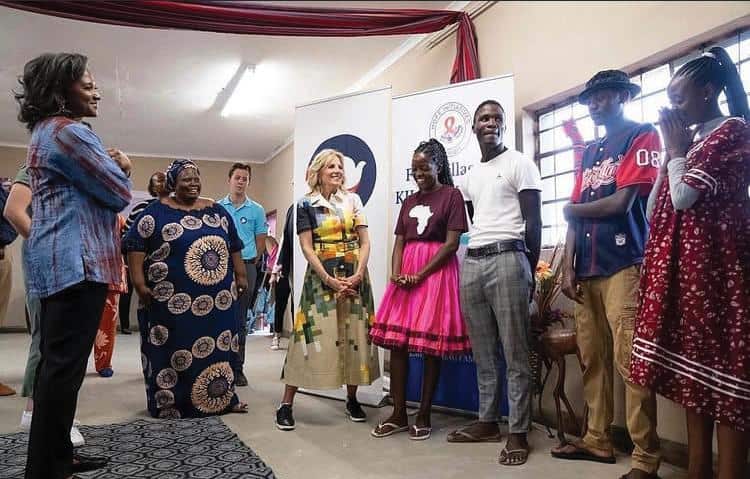
There have been big moments, like when Dr Jill Biden visited the centre and met young women whose lives had been transformed. But often, the most meaningful stories are quieter: a child returning to school after years out of the system; a young person coming back to give back; a family moving towards self-sufficiency. That is where the real impact lies.
Communities are partners in this work. Programmes are designed with them, not for them. Local volunteers and leaders help shape and sustain initiatives. Even Patricia Sola’s children, who once helped serve meals, are now part of the leadership. That builds a sense of ownership and long-term resilience.
In communities where challenges are part of daily
life, HISA Namibia shows that change can begin in
the simplest way. One meal, one act of care, one
decision to show up.
In these communities, sustainability is practical. We support small businesses, encourage local enterprises and connect livelihoods to environmental awareness. There are community gardens and poultry projects that provide both food and income, as well as recycling initiatives led by young people. The focus is on creating systems that can sustain themselves over time.
Partnerships are essential. Working with organisations like FXB Global, the European Union and the Finnish Embassy has allowed us to expand our impact. It is not just about funding, but about shared purpose and working toward common goals.
People can support us through funding, partnerships or sharing skills. There are also direct ways to help, such as sponsoring a child’s education or supporting feeding programmes. Visiting and volunteering are also encouraged. Every contribution makes a difference.
The focus is on expanding into more underserved areas, strengthening youth empowerment and building infrastructure such as community centres and support spaces. The goal is to create environments where children are safe, young people have opportunities and families can thrive.
In conclusion, what began as a single pot of soup has grown into something far greater. In communities where challenges are part of daily life, HISA Namibia shows that change can begin in the simplest way. One meal, one act of care, one decision to show up.

Discover how Ju/’hoan translators in Namibia developed an innovative counting system while preserving language, culture, and oral storytelling through Bible

Explore the opportunities and challenges shaping Namibia’s energy future, from offshore oil and gas to infrastructure, investment, and long-term industrial

Discover how award-winning Namibian filmmaker Laudika Hamutenya went from drawing comic books to showcasing authentic African stories on the international

Discover how Namdeb is building a diverse and inclusive workforce through talent development, leadership opportunities, and a culture of belonging