SONA remains key to transparency and national development

By Maggie Forcelledo Paz

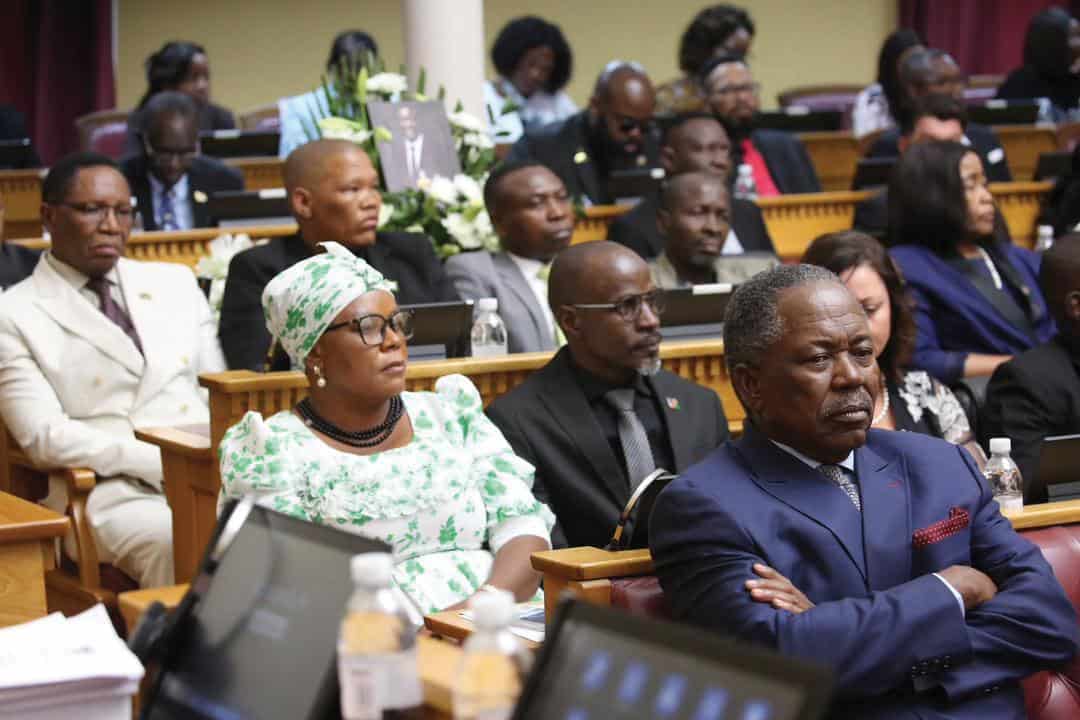
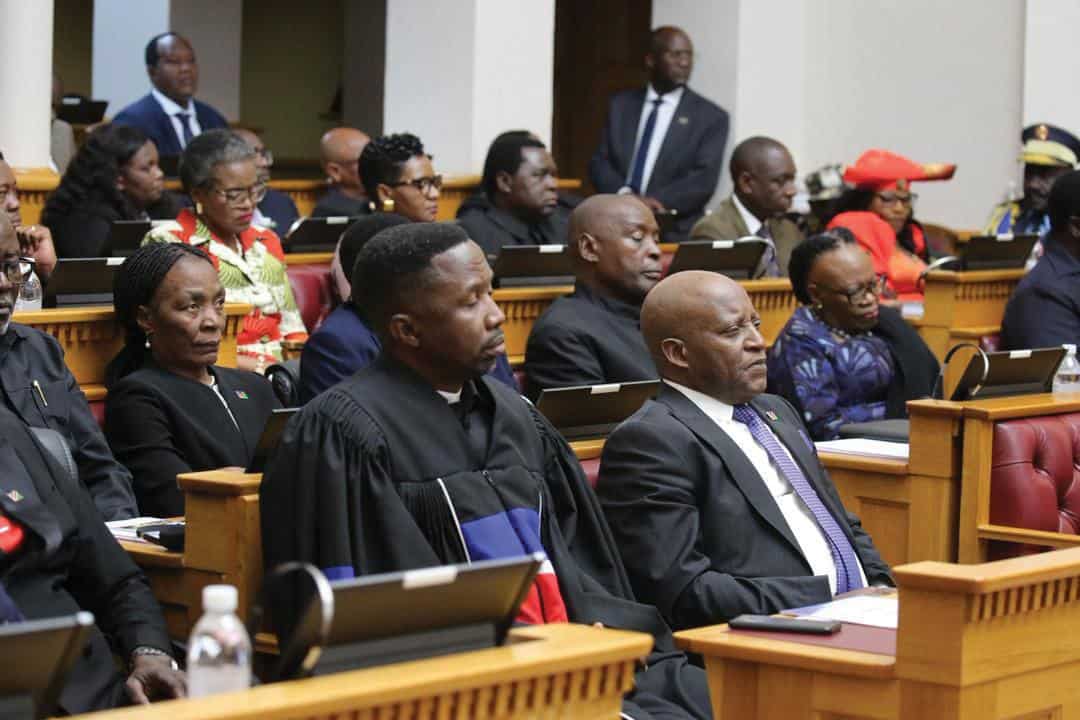
A State of the Nation Address (SONA) remains a critical moment in a country’s democratic calendar, offering a comprehensive overview of national progress while highlighting both achievements and ongoing challenges. It provides the government with an opportunity to reflect on its performance, while also setting out clear priorities and policy direction for the year ahead. In doing so, it helps to align national development efforts across various sectors, ensuring a coordinated approach to growth and service delivery.

WHY IT IS IMPORTANT

SONA plays an important role in strengthening transparency and accountability, as it:

  • Reports national progress
  • Sets policy direction
  • Ensures accountability
  • Guides national development
  • Builds public trust

As such, SONA continues to be a vital platform for communication between the government and the public, reinforcing democratic principles and promoting inclusive national development.

This year’s theme, “Advancing Towards the Realisation of Vision 2030”, outlines the government’s progress across key sectors and reaffirms its commitment to economic transformation, job creation and inclusive development.

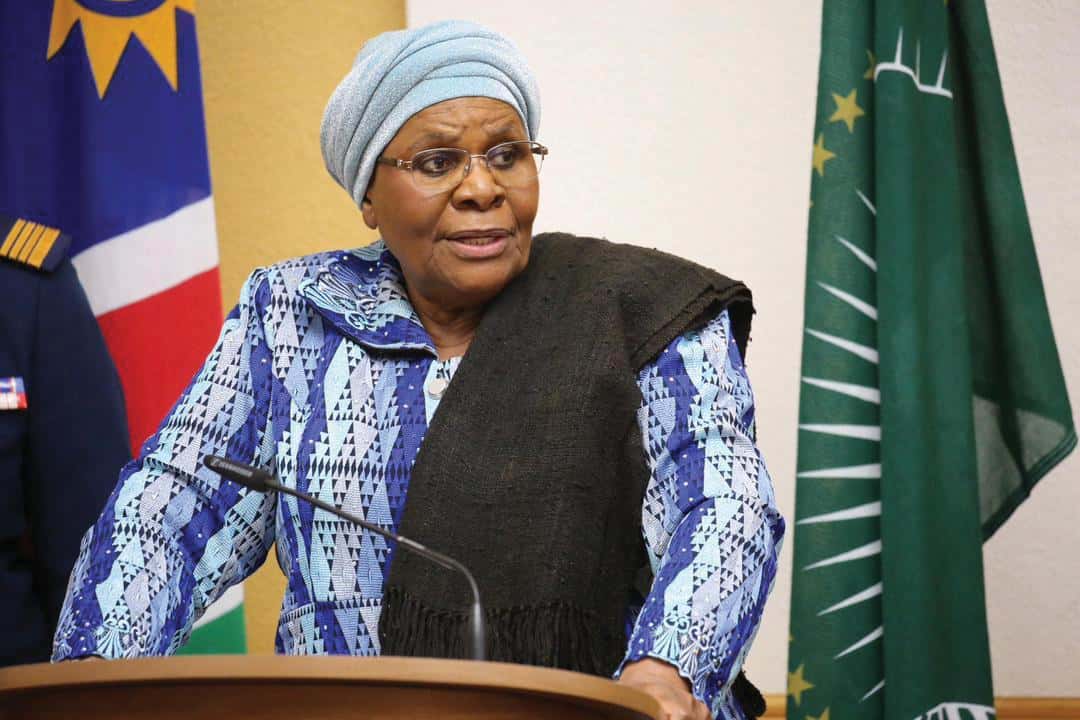
Reflecting on national achievements, ongoing reforms and challenges as Namibia advances through the 8th administration, President Netumbo Nandi-Ndaitwah noted that the work of government is guided by Vision 2030 and the Sixth National Development Plan (NDP6), anchored by four pillars:

  • Economic growth and transformation
  • Human development and community resilience
  • Environmental sustainability
  • Effective governance and service delivery

The president reported progress in macroeconomic stability which includes:

  • Repayment of a N$14.3 billion Eurobond
  • Foreign reserves at N$51.9 billion (3.8 months’ import cover)
  • Projected rise in GDP growth from 1.7% (2025) to 3.1% (2026)
  • Improved VAT refund turnaround from 90 to 30 days
  • Ongoing investments of more than N$63.5 billion

REFORMS AND DEVELOPMENT

President Nandi-Ndaitwah has highlighted progress in governance reforms, infrastructure development and long-term financial planning as part of its ongoing national development agenda such as the establishment of the Welwitschia Sovereign Wealth Fund, describing it as a strategic initiative aimed at securing benefits for future generations. On governance and legal reforms, the president noted that several bills are currently being processed in Parliament, alongside efforts to strengthen procurement systems, promote financial inclusion and advance digital governance. Addressing the Namibia– Germany genocide negotiations, she indicated that a joint declaration is nearing completion and could soon be tabled.

Meanwhile, the government continues to roll out major infrastructure projects across the country. These include the construction of 237 primary school classrooms and 39 science laboratories, as well as the expansion of rural water coverage to 84.9%. Progress has also been reported on key road and railway developments, in addition to upgrades to regional and national sports facilities.

KEY SECTOR GROWTH

President Nandi-Ndaitwah reiterated the importance of the oil and gas sector, warning that without proper management, it could become a burden rather than a benefit to the country. “That is why I have decided to oversee it directly under the Presidency, through the oil unit, with an initial staff establishment of 26 which could expand up to 141,” she added.

Agriculture remains central to food security efforts, with maize production increasing to 69,541 metric tonnes, growth in local fruit and vegetable production and livestock contributing significantly to the country’s GDP and exports. In energy, projects worth over N$8 billion are underway, boosting generation capacity to 903 MW, with the mining sector having generated N$64.7 billion in export earnings, while uranium and gold outperformed diamonds due to global market shifts.

“Tourism positions our nation as a top destination. In this regard, our national parks brought in a total of N$183 million from entrance and conservation fees,” the president noted.

Conservancies across the country generated a total of N$109 million in 2025 through joint ventures, concessions and conservation hunting, reflecting continued growth in community-based natural resource management.

In terms of infrastructure development, the government has completed the renovations of staff houses and offices at Hardap Game Park, Namutoni, Keetmanshoop and Daan Viljoen Game Park at a cost of N$4.4 million. Additionally, 183 kilometres of infrastructure within Etosha National Park have been upgraded, alongside the completion of 15 kilometres and 13 kilometres of fencing in the Mahango area. “This is aimed at improving tourism infrastructure, conservation efforts and wildlife management, while reducing human-wildlife conflict and promoting biodiversity conservation,” the president added. Meanwhile, in the Home Affairs and Immigration sector, nearly 344,000 visas have been issued since the introduction of the Visa on Arrival system on 1 April 2025, generating more than N$490 million in revenue for state coffers with an investment visa to be introduced soon.

SONA reaffirmed the government’s commitment to accelerating economic growth, strengthening public service delivery and expanding opportunities for all Namibians. A strong emphasis was placed on job creation, inclusive development and improving efficiency across key sectors to ensure that national priorities translate into tangible results.
Share:

More Posts

Lighting up the ordinary with technicolour

Discover how Windhoek residents Kat Stahl and Wynand Lens are transforming neglected bus stops into vibrant public artworks, inspiring community pride, creativity and positive urban

24 Hours in Windhoek

Discover how to spend 24 hours in Windhoek with this curated guide featuring scenic hiking trails, local culture, traditional Namibian cuisine, rooftop dining and the

Sign up for our newsletter