Namibia–China ties deepen as zero-tariff policy opens new trade opportunities

By Maggie Forcelledo Paz

Namibia and the People’s Republic of China share longstanding diplomatic relations that have, over the years, evolved into a comprehensive partnership encompassing trade, infrastructure development and capacity building, amongst others.

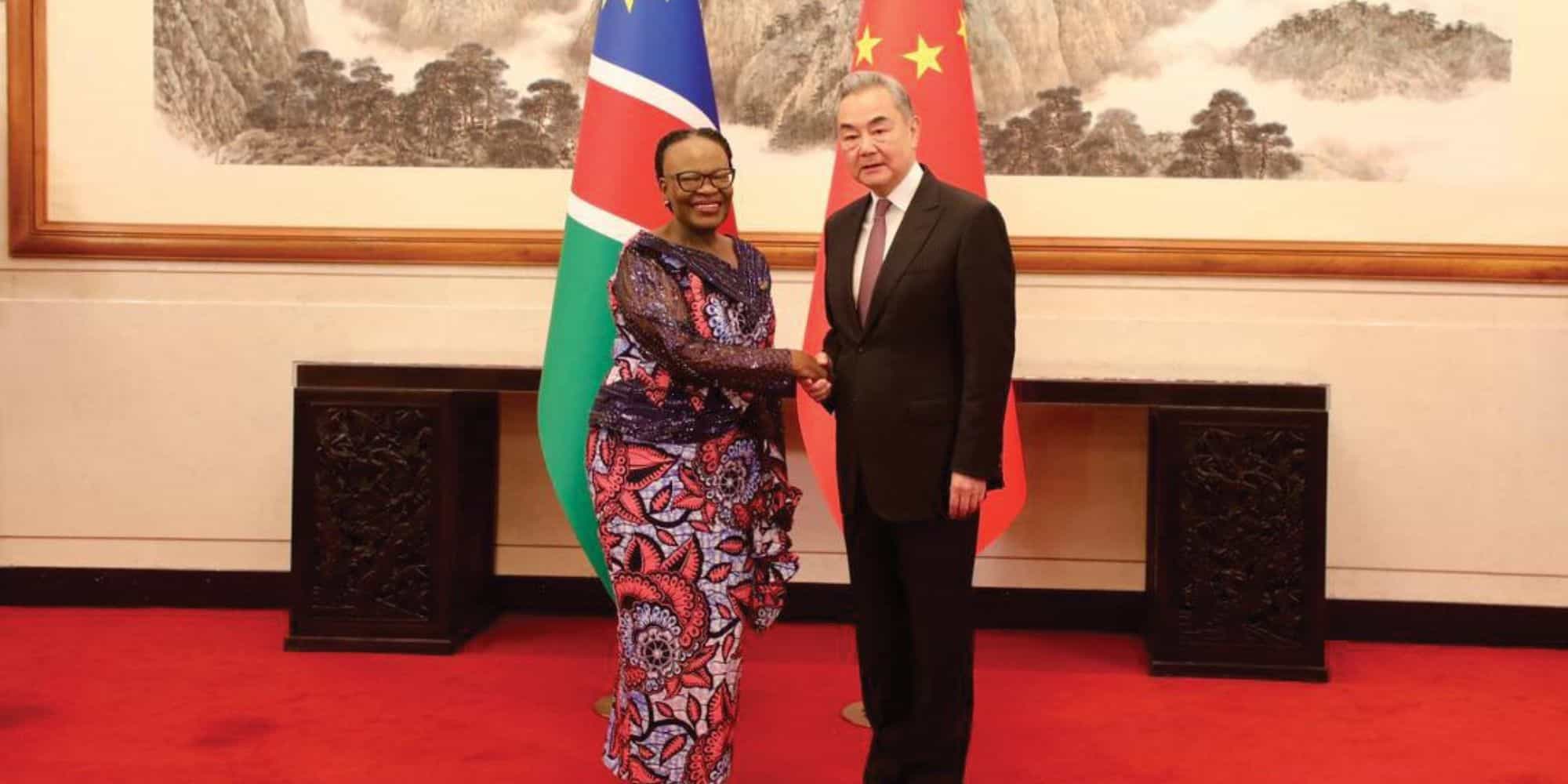
Strengthened ties between the two countries are widely regarded as critical to fostering economic growth, facilitating technology transfer and promoting global cooperation in an increasingly interconnected world. The recent official visit by Namibia’s Minister of International Relations and Trade, Ambassador Selma Ashipala-Musavyi, reflects this growing cooperation. The visit was undertaken at the invitation of His Excellency Wang Yi, a member of the Political Bureau of the Communist Party of China Central Committee and China’s Minister of Foreign Affairs. During the visit, Ashipala-Musavyi held high-level bilateral discussions with her Chinese counterparts, including officials from the ministries of foreign affairs and commerce. The engagements focused on strengthening cooperation and expanding economic ties between the two nations.

The minister also met with Chinese business leaders to promote investment opportunities in Namibia, particularly in the sectors of mining, energy, agriculture and tourism. These engagements form part of Namibia’s broader efforts to attract foreign investment and deepen trade partnerships.

In a joint statement, the two countries have reaffirmed their commitment to strengthening cooperation, multilateralism and South–South collaboration, with an emphasis on amplifying the voice of developing countries. Both sides agreed to deepen political trust and expand their comprehensive strategic cooperative partnership, while broadening cooperation in key sectors, including energy, mining, agriculture, infrastructure, education and tourism. Namibia also stressed the importance of value addition to its natural resources to support industrialisation and job creation. The two countries further committed to enhancing cultural and youth exchanges under the 2026 China–Africa Year of People-to-People Exchanges.

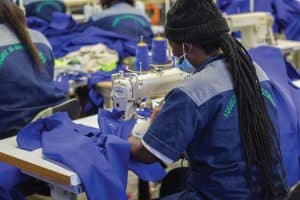
New opportunities are also emerging for African exports and industrial development, as China implemented a zero-tariff policy for African countries with diplomatic ties, including Namibia, which came into effect from 1 May 2026.

Emerging sectors

In an interview with China Africa Talk, Ashipala-Musavyi welcomed China’s decision, describing it as a significant outcome of the Forum on China–Africa Cooperation (FOCAC). She said the measure is expected to boost industrialisation, enhance market access and strengthen confidence between governments and the private sector.

“I think it will be in line with what Africa has been talking about, when we say ‘the Africa we want’. Yes, we are in doubt with resources, but we do not want to remain a source of raw materials. We want to add value to our products, be it minerals or agriculture, so that we can become more relevant to the Chinese economy, but also to the global economy. We are looking at it from that perspective, and I think it’s a very welcome measure,” Ashipala-Musayvi noted. The minister further emphasised that Namibia is now shifting its focus towards emerging sectors such as value addition in mining, green energy and artificial intelligence, leveraging China’s technological expertise alongside Namibia’s natural resources to create mutually beneficial outcomes.

On global cooperation, Ashipala-Musavyi said both countries share common positions on key international issues, including support for multilateralism, peaceful dispute resolution and fair global trade, adding that the two nations continue to collaborate closely on multilateral platforms such as the World Trade Organisation.

Reflecting on China’s development, the minister commended the country’s rapid economic growth and infrastructure expansion since her first visit in 1995, noting its increasing role in supporting development across the Global South. She further reflected on Namibia’s strategic position as a coastal nation, noting its role as a trade gateway for neighbouring countries, and added that improved trade conditions would benefit the broader Southern African region.

Share:

More Posts

Lighting up the ordinary with technicolour

Discover how Windhoek residents Kat Stahl and Wynand Lens are transforming neglected bus stops into vibrant public artworks, inspiring community pride, creativity and positive urban

24 Hours in Windhoek

Discover how to spend 24 hours in Windhoek with this curated guide featuring scenic hiking trails, local culture, traditional Namibian cuisine, rooftop dining and the

Sign up for our newsletter