Lighting up the ordinary with technicolour
Discover how Windhoek residents Kat Stahl and Wynand Lens are transforming neglected bus stops into vibrant public artworks, inspiring community pride, creativity and positive urban
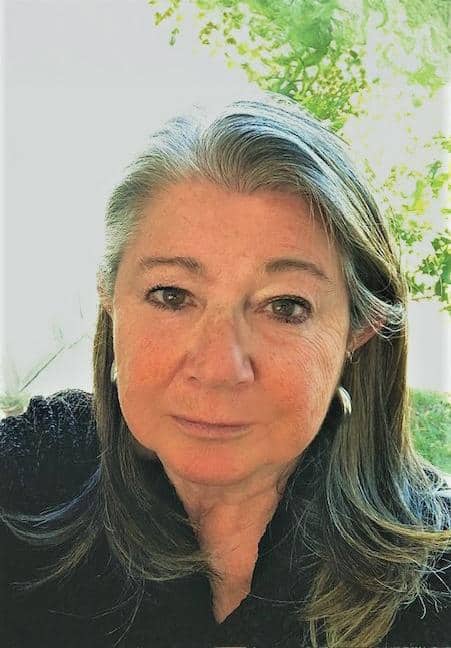
Marisa Kelly is an awardwinning author and social activist who has made Namibia her home since 1998. Her short stories, set in Southern and East Africa, deal with knotty conundrums confronting post-colonial societies but also have a strong focus on nature, wild landscapes and the environment (not surprising, given her earlier careers as a zookeeper at London Zoo and then as a veterinary nurse).
After almost twenty years working as an English-language editor specialising in conservation management and HIV/AIDS education, Marisa began developing ideas for stories based on her experiences of living and travelling in the region. Early drafts were published on the Kalahari Review website, with the editor eventually suggesting she revise them for submission to a publisher as an anthology. With no formal training in creative writing, she positioned herself as a “weaver of tales”, sharing observational accounts of people and places generally underrepresented in the Southern African literary tradition.
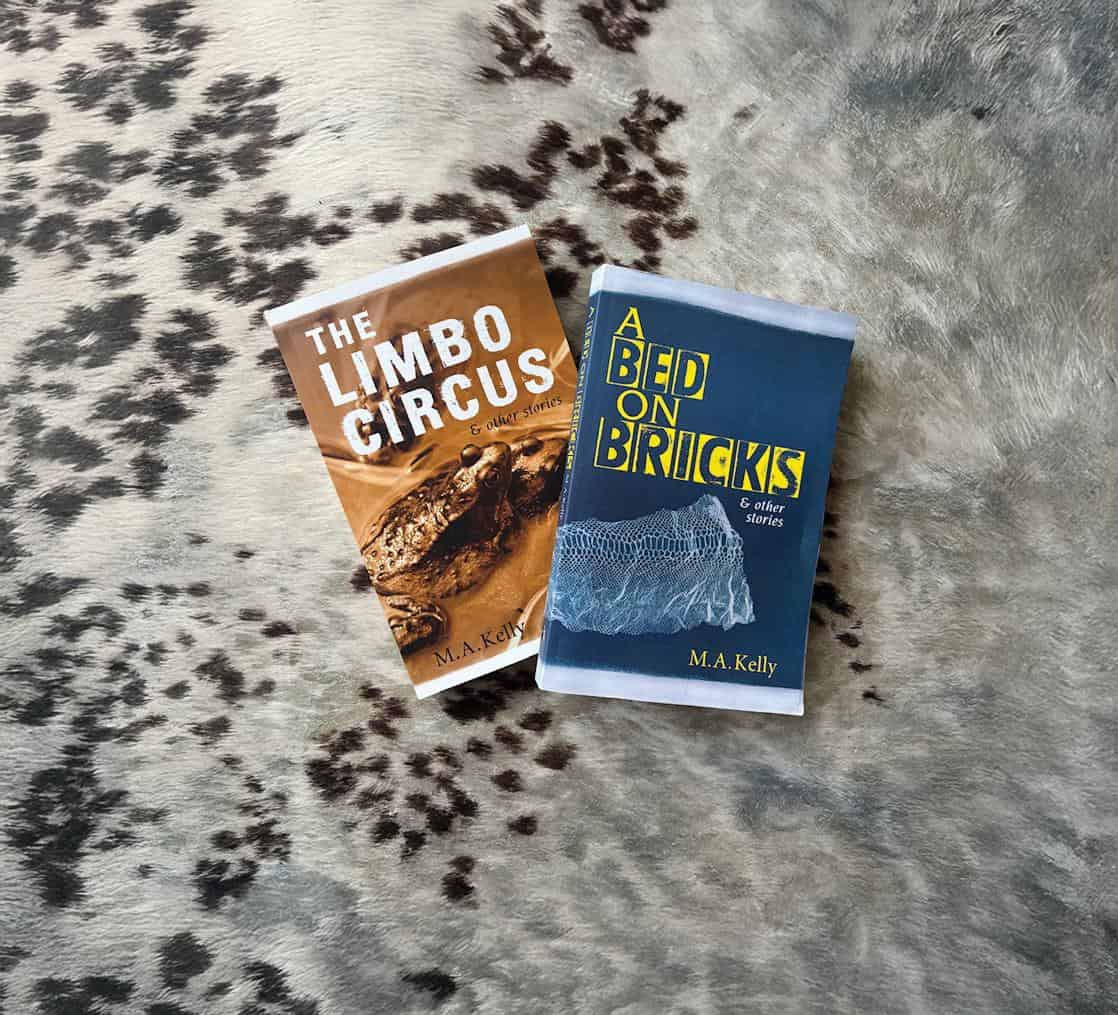
Marisa’s first collection of nine stories, A Bed on Bricks, was published in 2022. Given the period in which it was written, her follow-up anthology, The Limbo Circus (2026), has several stories set against the backdrop of the pandemic, as well as large-scale institutional corruption. Both published by Modjaji Books in Cape Town, these short-story collections also examine the ways in which supernatural and unexplained, mysterious events often thread through the everyday lives of African communities.
Now living in the veld outside Windhoek, Marisa continues to write fiction that often features natural history as an underlying theme. New works appear regularly in online and print journals around the world, and she has won several awards for her work. Two more collections are in the final stages of preparation, widening their historical scope to the IRA bombing campaign in London and the Falklands War in the early 1980s, as well as shining a light on the sexual exploitation of minors across Africa.
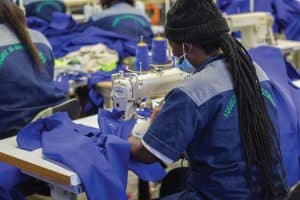
Having written a regular column for The Namibian newspaper on social, economic and cultural issues from an international perspective, Marisa decided to launch an informal, small-scale community cooperative, Sew Good Namibia, in 2019. The first goal was to address an intractable problem she had witnessed while visiting family in Indonesia, where the failure of the global recycling ethos is evident in the catastrophic plastic pollution seen everywhere.
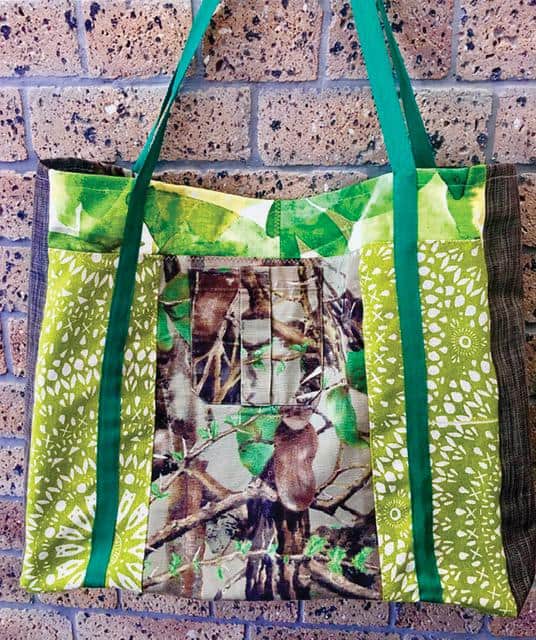
Marisa collects sample books of luxury furnishing fabric from interior-design stores – patterns that are discontinued at the end of each season – and distributes them to a small number of craftswomen in disadvantaged households who then turn them into ecofriendly, 100% upcycled soft toys, table-runners, sofa throws and bags. She then promotes these online and delivers to stores and markets around the country in support of the circular economy movement. (When retailers prioritise “local-is-lekker” items, the carbon-footprint impact associated with the transportation of imported goods is greatly reduced).
All the income from this low-tech, grassroots approach goes directly into the households of the creative women who produce the unique designs, thus fulfilling the third, income-generating objective of the project.
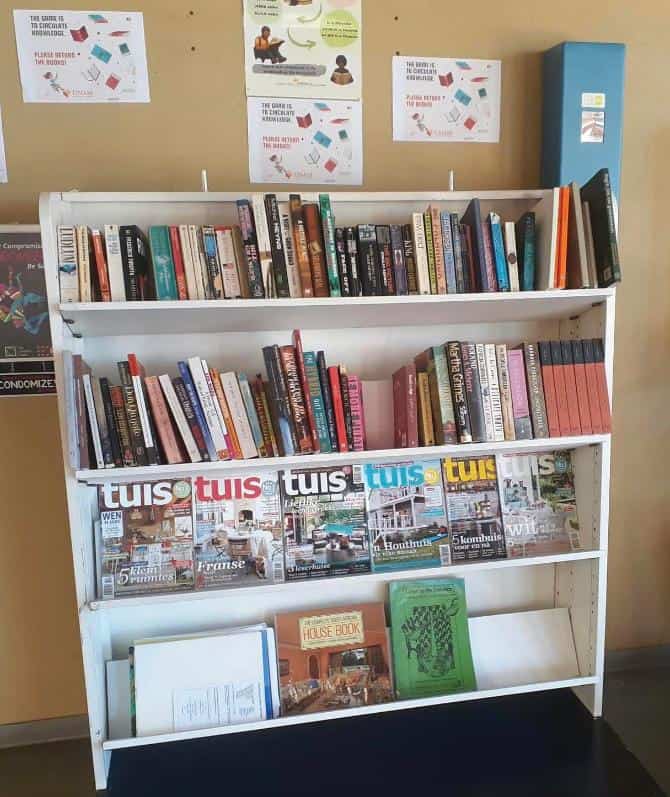
In 2022, having seen a “little free library” cabinet at a bus stop in rural Germany, Marisa launched the Promising Pages Pilot Initiative with the aim of distributing donated reading materials to underserved Namibian communities. Adults and children who had extremely limited access to such resources in the past are now encouraged to visit their local installation (there are currently 21) to follow these simple steps: “Take a book. Read a book. Return a book.”
At independence in 1990, English became the country’s only official language, yet many Namibians need to improve their proficiency if they are to enter tertiary education or be successful in the highly competitive job market. The initiative’s focus is therefore on Englishlanguage textbooks, study guides and reference books, although almost any type of book is gladly accepted, from “beach reads” to crime capers. Also welcome are magazines such as National Geographic, as these can be cut up to decorate classrooms and supply learners with materials for projects – especially important in rural settings without access to Wi-Fi (or even electricity).
Quality print media is facing seismic upheavals today, not only financially but also from digital platforms such as Substack and the bewildering multitude of self-publishing/ vanity press options (some good, some bad and some downright ugly) proliferating across the internet. It is getting heartbreakingly difficult to clear all the hurdles on the path to publication with a well-regarded mainstream imprint or independent press. Thus, as somebody with almost ten years’ experience in negotiating that route, Marisa is increasingly involved in advising and supporting young local writers who want to see their work appear on a real-life bookshelf and not just floating around in the ether.
The Limbo Circus is available at Exclusive Books branches including The Grove (Windhoek), OR Tambo International Airport (international and domestic terminals), and Gaborone, as well as via Takealot and most major South African book retailers.
In Windhoek, both titles are also stocked at Fusion Africa (the gift shop at the Windhoek Country Club Resort), The Book Den, and Uncle Spike’s Book Exchange, and can be ordered directly from Modjaji Books.

Discover how Windhoek residents Kat Stahl and Wynand Lens are transforming neglected bus stops into vibrant public artworks, inspiring community pride, creativity and positive urban

Discover how to spend 24 hours in Windhoek with this curated guide featuring scenic hiking trails, local culture, traditional Namibian cuisine, rooftop dining and the

Namibia’s 2026 State of the Nation Address highlights economic growth, infrastructure development, governance reforms, energy investments and job creation as the government advances Vision 2030

Namibia is advancing its sustainable finance agenda as RMB Namibia and the Bank of Namibia lead efforts to unlock climate finance, attract investment, and support