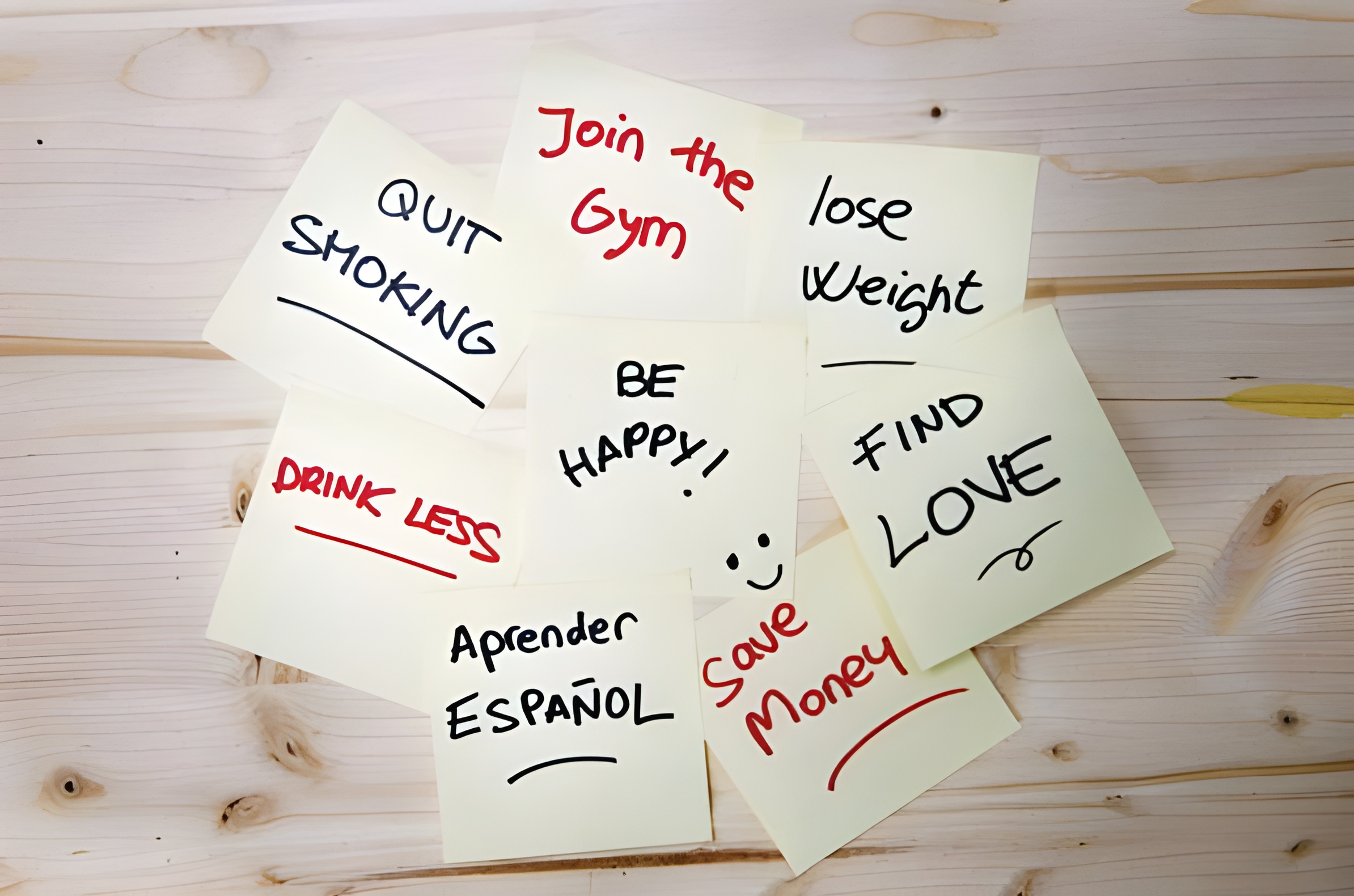
BE Wellness: New Year, New Me. Blah blah blah…

Why New Year’s resolutions often don’t work.

By Michelle McCulloch, Clinical Psychology

Let’s be honest, most of us have tried the classic New Year’s resolutions in January. Although this popular take on the new year can be helpful, it can also bring a mountain of unrealistic expectations where everyone feels the pressure to make dramatic changes. This can lead to selfdefeating narratives such as “I’m failing”, “I’m a disappointment” or “I cannot change”.

Below are some helpful tips to avoid the all-too-common resolution fatigue and prevent us from falling into the trap of giving up and not changing at all.

“Allowing set-backs throughout the year, withouth breaking yourself down, creates a fair, realistic and helpful approach to tweaking your life in the way you want.”

  1. Stop trying to reinvent yourself. Drop the pressure of having to completely change your life or yourself. Your life is not all bad. Your whole life does not need to change. Acknowledge the parts of your life that need a change and work on those. While doing this, also be mindful to embrace the parts that are good and do not need to change or have already changed. This helps you stay on track, because suddenly the mountain of change is not as big.
  2. Challenge your all-or-nothing mentality. New Year’s resolutions are often abandoned as we tend to approach them with too much expectation (“I have to get it right”). Many people hold the belief that if they cannot do something perfectly, it is not worth doing it at all. For example, you miss one workout and think you have failed already. Or you eat one cookie and think “I might as well start over next year”. This black-and-white way of thinking makes small (and perfectly natural) slip-ups feel like total defeat. The reality is that progress and consistency is built on flexibility and lessons learnt from mistakes, not perfection.
  3. Respect your personality while making slight tweaks. Going into the new year with “I have to completely change who I am” is setting yourself up for failure. Fun fact: your personality is quite inflexible. Does this mean I cannot change? Technically, no. You can work hard on slightly adjusting or tweaking certain characteristics that are causing destruction in your life, but the goal should never be to turn a trait into the complete opposite. Respecting who you are as a person and making some mild changes can both happen at the same time.
  4. Own it! Use self-compassion during your transition phase. Sometimes, the judgment when trying to change something and not succeeding immediately creates self-doubt and insecurities. Learning to own your mishaps, mistakes or imperfections will help you to avoid judging your own progress. After all, this is your life, so be patient, curious and kind towards your own processes. Back yourself, regardless of where you are in your transition phase.

A linear approach to change or growth will not be maintainable. Allowing setbacks throughout the year, without breaking yourself down, creates a fair, realistic and helpful approach to tweaking your life the way you want to. So, let’s reset as many times as we need to throughout the year, not just in January!

Share:

More Posts

Cameras put bread on the table

Namibian youths are turning photography into a source of income, proving that creativity and determination can build sustainable livelihoods. This inspiring story follows young entrepreneurs

Living Well: The Healer Within

Rediscover the healer within. This wellness column explores how mindset, emotions, nature and spiritual awareness contribute to holistic healing and self-restoration, reminding us that lasting

Sign up for our newsletter