We’re for Namibians: Simson Uri-Khob
Simson Uri-Khob leads community-driven rhino conservation through Save the Rhino Trust, protecting Namibia’s desert-adapted black rhinos and empowering local communities.
By Maggie Forcelledo Paz
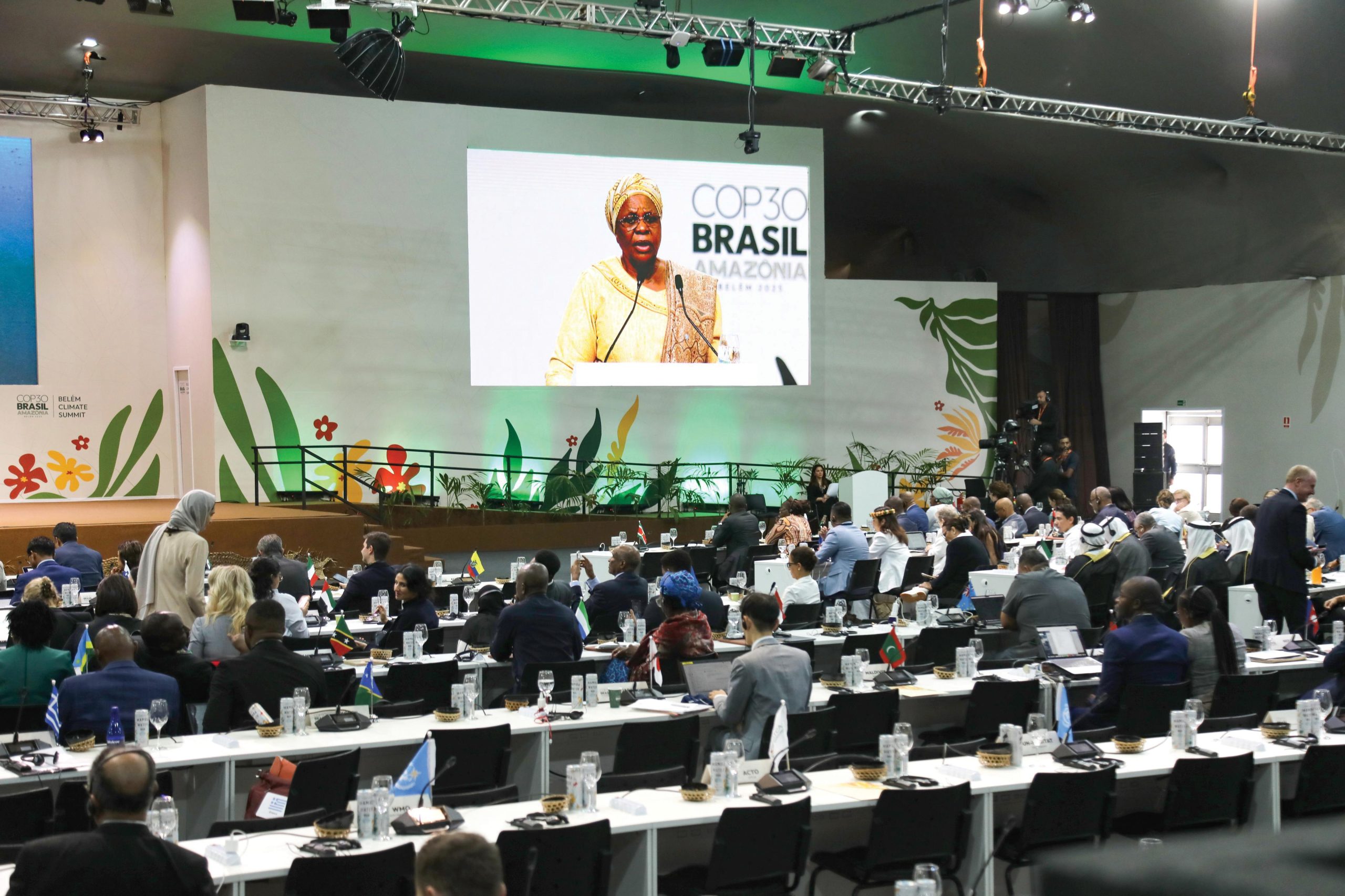
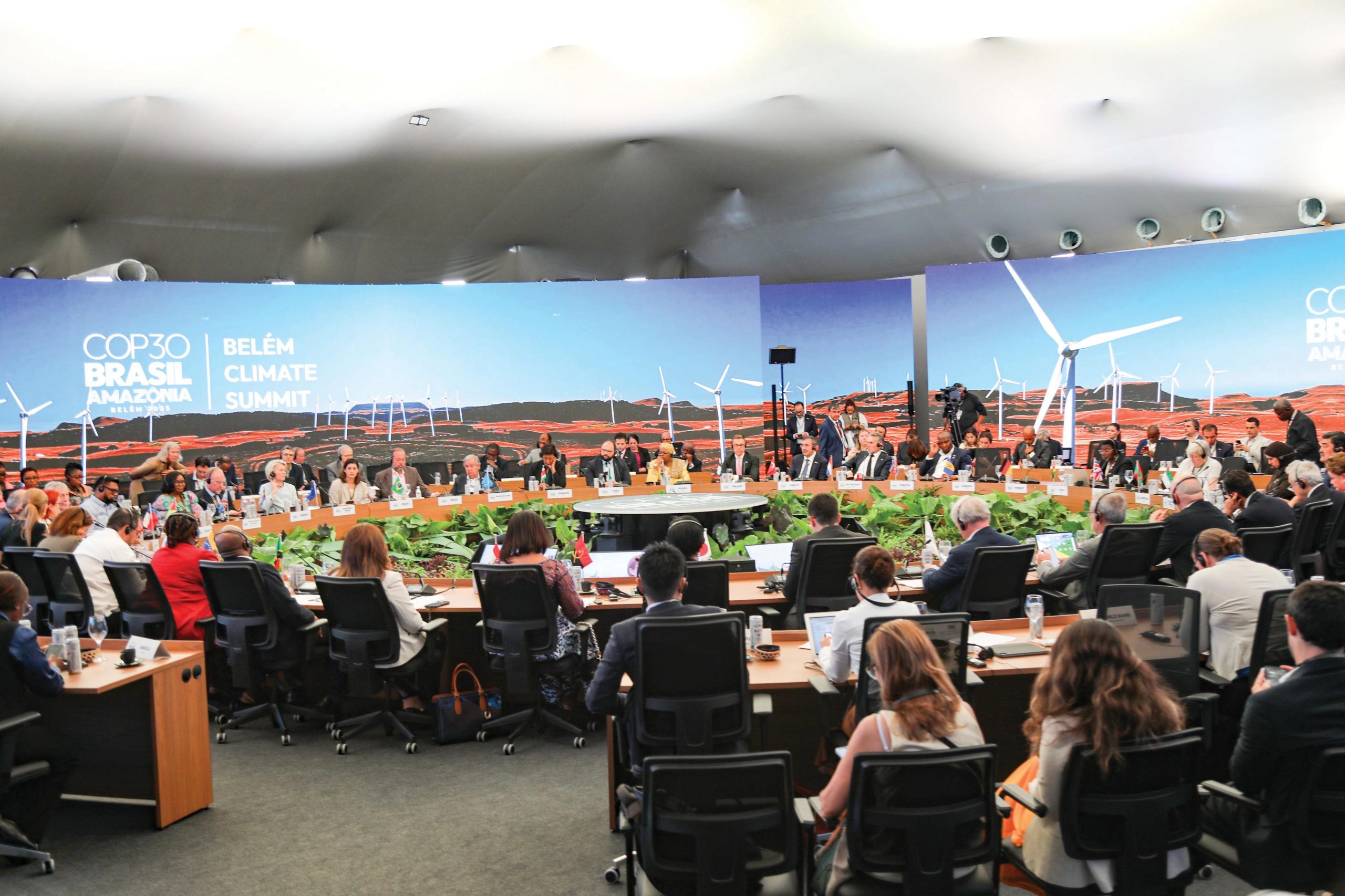
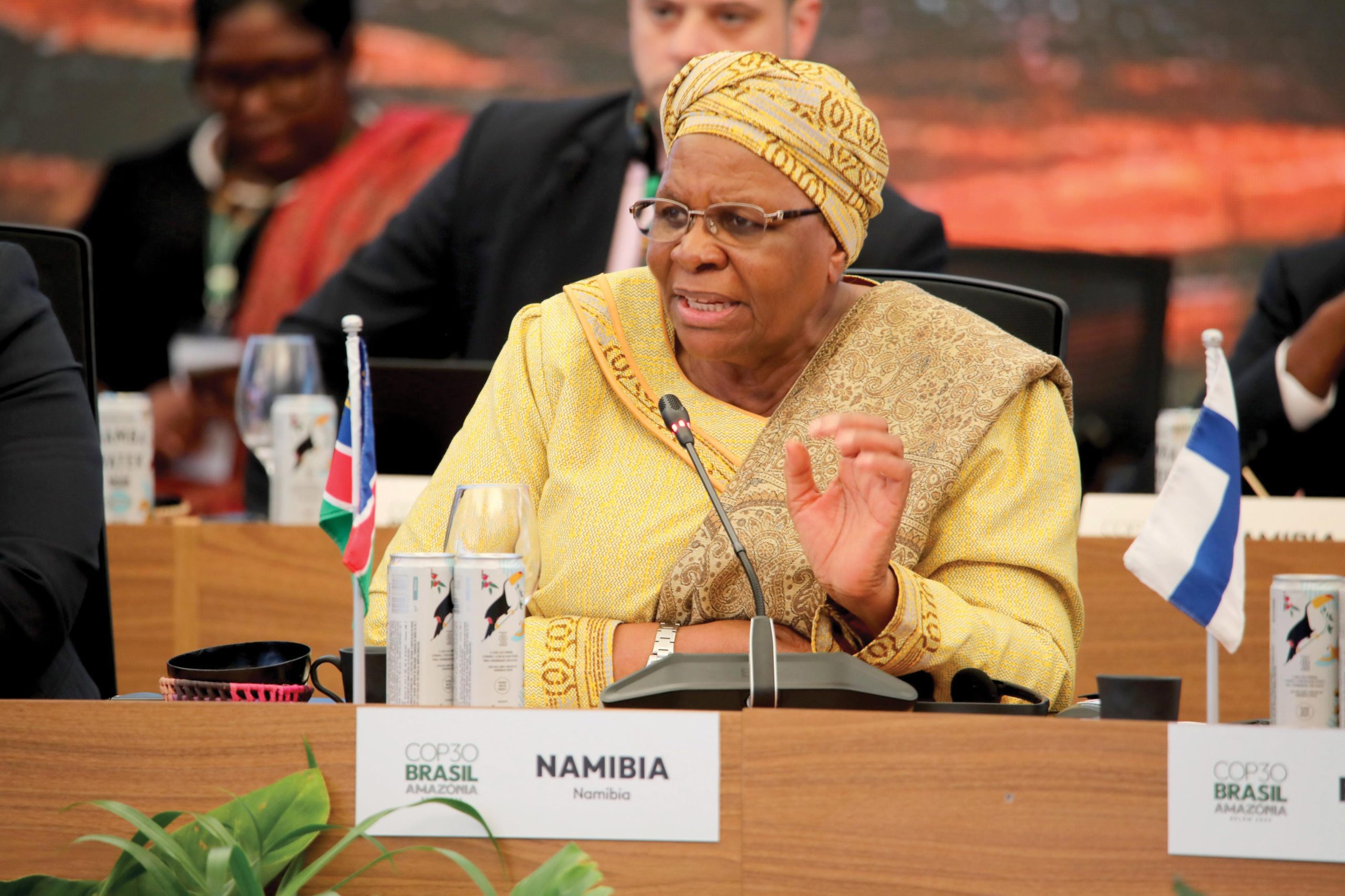
President Netumbo Nandi-Ndaitwah has called for urgent, collective global action to confront the escalating climate crisis, stressing that climatevulnerable nations like Namibia can no longer afford delayed implementation of key environmental commitments. She delivered the message during her address at the COP30 heads of state summit held in Belém, Brazil.
In her address, the president noted that climate disasters – including the recent hurricane Melissa that devastated Jamaica, Cuba and other nations – demonstrate the urgent need to fully implement the Paris Agreement. She also highlighted that Namibia is experiencing climate impacts at a rate faster than the global average.
“More than 80% of Namibia’s landmass is classified as arid or semi-arid, and over 70% of the population depends directly on agriculture for food security and livelihoods,” she noted. The head of state recalled the flash floods experienced earlier this year, which caused loss of life and damage to key infrastructure, saying these events continue to erode economic gains and undermine development.
Namibia continues to demonstrate strong commitment to both climate adaptation and mitigation, with the second updated Nationally Determined Contribution (NDC) pledging to:
The first biennial transparency report for December 2024 confirms that Namibia remains a net carbon sink with carbon removals in the land sector having increased by 45%.
Namibia boasts one of the world’s first industrial-scale green iron plants powered entirely by green hydrogen. The HyIron Oshivela green iron project, which was launched early this year, will prevent 27,000 tonnes of CO2 emissions annually. “This is part of the transformative green hydrogen strategy that will see the country take decisive steps towards cleaner and renewable energy sources,” noted Nandi-Ndaitwah.
The president emphasised that climate adaptation is a central priority across eight key sectors such as agriculture, water resources, biodiversity and ecosystems, fisheries and aquaculture, health, infrastructure and coastal management. “Adaptation in these sectors requires an estimated US$6 billion, of which about 90% depends on international support. At the same time, mitigation across various sectors is estimated to cost US$9 billion, of which 10% is expected to come from domestic resources,” said NandiNdaitwah. She further called for COP30 to operationalise the new collective quantified goal on climate finance of US$1.3 trillion, ensuring it is fair, transparent and responsive to the needs of developing countries.
In his remarks, United Nations (UN) Secretary-General António Guterres noted that COP30 has delivered progress with a notable call to triple adaptation finance by 2035. However, he stressed that it has not delivered everything that is needed. “The gap between where we are and what science demands remains dangerously wide,” he noted. Guterres urged delegates that staying below 1.5 degrees by the end of the century must remain humanity’s red line.

Simson Uri-Khob leads community-driven rhino conservation through Save the Rhino Trust, protecting Namibia’s desert-adapted black rhinos and empowering local communities.

Namibia’s oil and gas future will depend on institutional readiness, coordination and investment preparedness rather than discovery alone, as FirstRand Namibia highlights sector alignment needs.

Explore how Integrated Rural Development and Nature Conservation (IRDNC) empowers Namibian communities to lead conservation, protect wildlife and build sustainable livelihoods across Kunene, Zambezi and

Discover Kudjo’s journey of craftsmanship at the Namibia Craft Centre, where tradition, mentorship and creativity come together to showcase authentic Namibian art and culture.