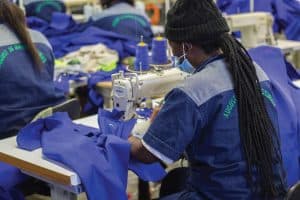
Made in Namibia, by Namibians
August 26 Manufacturing makes garments and footwear in Windhoek and Okahandja—PPC, healthcare and workwear for mining, oil and gas, hydrogen and government.
By Theodor Uukongo
Since the declaration of the drought state of emergency on 22 May 2024, the United Nations World Food Programme (WFP) has supported the government of the Republic of Namibia in its humanitarian response, ensuring that households across the country receive essential support amid the severe drought.
With support from the Republic of Korea, the government of Japan, United Nations Central Emergency Response Fund and the United States of America, WFP has implemented a range of emergency interventions aimed at safeguarding food security and upholding human dignity. These include the value voucher, commodity voucher and community soup kitchen programmes, which have provided vital food assistance to vulnerable households most affected by the drought emergency.
These initiatives not only ensured that families had access to nutritious food but also promoted choice, dignity and resilience, enabling beneficiaries to meet their immediate needs while supporting local markets and suppliers. By working hand-in-hand with the government of the Republic of Namibia and community structures, WFP continues to strengthen the country’s capacity to respond to and recover from climate-induced shocks.
In essence, WFP’s emergency response in Namibia reflects the organisation’s enduring commitment to ensure that no one is left behind, even in the most challenging circumstances.

August 26 Manufacturing makes garments and footwear in Windhoek and Okahandja—PPC, healthcare and workwear for mining, oil and gas, hydrogen and government.
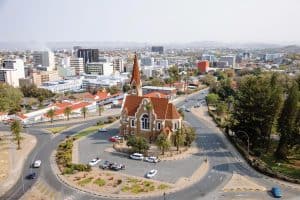
With youth joblessness at 44.4%, Namibia cannot recruit its way out of a skills gap. Leadership means first chances, local contracts and real knowledge transfer.
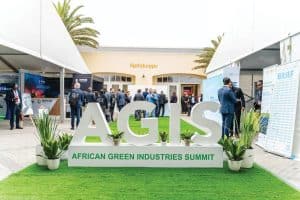
At AGIS 2026 in Swakopmund, Namibia set green industrialisation as a jobs strategy—hydrogen, iron and ammonia under NDP6, not just raw-material exports.
First oil is not the starting line. At NOGC 2026, Namibia’s energy talk shifted to readiness: local content, joint ventures and capability before procurement.