Tourism Sector shows strong recovery amid challenges

By Maggie Forcelledo Paz

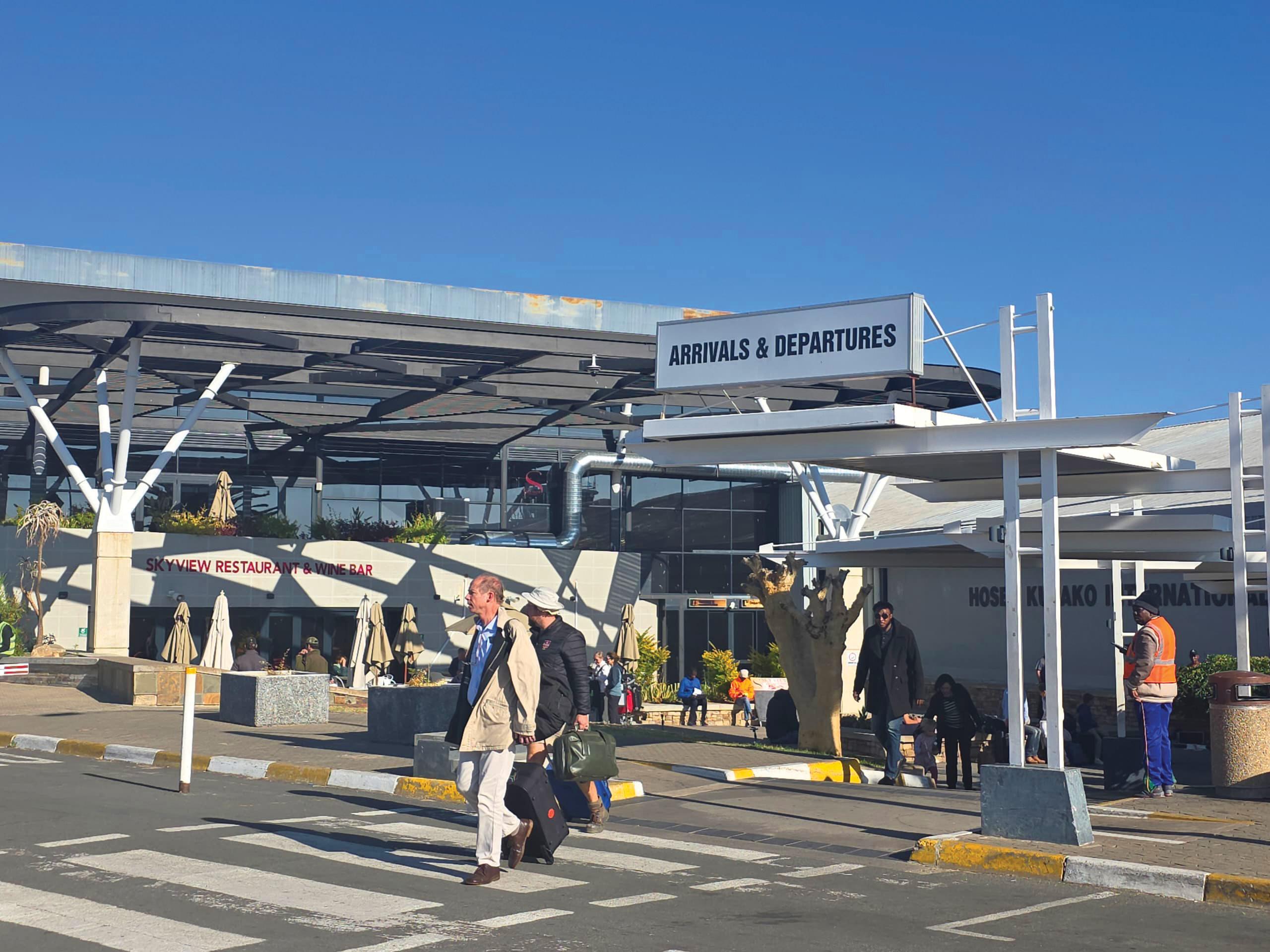
Tourist arrivals to Namibia have continued their upward trajectory, signalling a robust recovery in the country’s tourism sector after the sharp downturn caused by the COVID-19 pandemic. According to recent tourist statistical reports, Namibia recorded 863,872 tourist arrivals in 2023, a 54.1% increase from the previous year. While this figure remains below the pre-pandemic peak of 1,595,973 arrivals in 2019, the steady growth highlights the industry’s resilience and its ongoing rebound towards full recovery.

The increase in tourist numbers is attributed to several factors, including the global tourism sector’s strong revival. As international travel resumes, Namibia continues to benefit from its appeal as a destination for unique landscapes, wildlife experiences and cultural diversity.

“Additionally, the Namibia Tourism Board’s marketing efforts have positioned the country as a safe and politically stable holiday destination, renowned for its surreal landscapes, abundant wildlife and unique experiences such as stargazing,” remarked the Ministry of Environment, Forestry and Tourism. “The introduction of the e-visa system and the visa-on-arrival initiative by the Ministry of Home Affairs, Immigration, Safety and Security has also played a key role in facilitating and encouraging more tourist visits.”

BIGGEST SOURCES OF VISITORS

South Africa remains Namibia’s largest source of tourist arrivals, maintaining its long-standing position as the country’s top contributor. The other neighbouring countries – Angola, Botswana, Zambia and Zimbabwe – also featured prominently amongst Africa’s leading source markets in 2023.

From overseas markets, Germany continued to dominate as the primary source of international visitors. The United States of America, United Kingdom, France and the Netherlands also ranked among Namibia’s major tourism contributors.

Tourism data for 2023 shows that nearly half of all visitors (49.1%) travelled to Namibia for holiday and leisure, reaffirming the country’s appeal for safaris and naturebased experiences. In comparison, business and conference travellers accounted for 15.8% of arrivals.

POPULAR DESTINATIONS

Namibia’s top destinations remain those celebrated for their dramatic landscapes, rich wildlife and adventure offerings. Etosha National Park continues to draw visitors with its exceptional wildlife-viewing opportunities and expansive salt pan. Home to elephants, lions, giraffes, zebras and many other species, the park is a leading choice for both local and international tourists.

Sossusvlei, known for its towering red dunes, white salt pans, vibrant blue skies and the iconic Deadvlei, continues to be popular with holidaymakers and photographers. Meanwhile, the Fish River Canyon, Africa’s largest and the world’s second-largest canyon, attracts travellers seeking dramatic views and challenging hiking routes.

Along the coast, the Erongo Region is a hub for adventure tourism. Swakopmund and Walvis Bay attract visitors eager to try quad biking, sandboarding, skydiving, boat cruises and scenic flights over the Skeleton Coast. Swakopmund’s German-influenced architecture adds cultural charm, while the Walvis Bay Lagoon, with its flamingos, Pink Lake and Dune 7 nearby, remains a top attraction for coastal tourists.

TOURISM CHALLENGES

Despite the sector’s recovery, Namibia’s tourism industry faces ongoing challenges. The ministry highlighted the sector’s heavy reliance on international inbound travel, particularly from European markets, as a key vulnerability. This dependence was exposed during the COVID-19 pandemic, when global travel restrictions brought tourism to a halt, resulting in business closures and significant job losses, while economic slowdowns in key source markets continue to affect the industry.

Seasonality also presents challenges, contributing to uneven occupancy rates and underutilised facilities during off-peak periods, with such fluctuations complicating stable employment and efficient capital allocation. “Strengthening the domestic tourism market could help mitigate these challenges by reducing dependence on international arrivals and promoting a more stable, yearround flow of tourism revenue,” the ministry said.

COLLABORATIVE EFFORTS

To maintain Namibia’s competitiveness, the ministry works closely with public and private stakeholders. This partnership-driven approach is reflected in strategic frameworks such as the National Sustainable Tourism Growth and Development Strategy, which promotes a whole-of-government approach alongside privatesector-led implementation, emphasising that tourism is everybody’s business.

Initiatives such as the Namibia Tourism Sector Recovery Plan 2022–2024 and the National Spatial Tourism Masterplan 2025–2035, currently under development, were crafted through extensive stakeholder consultations to ensure that policies and plans are realistic, effective and sustainable, supporting the long-term growth and resilience of Namibia’s tourism industry.

Share:

More Posts

We’re for Namibians: Mariane Akwenye

Wellness entrepreneur Mariane Akwenye is redefining healing through Nomad Wellness Homestead, blending Namibian ancestral knowledge, inclusivity and purpose-driven entrepreneurship rooted in local soil and tradition.


Namibia’s Mining Renaissance

Namibia’s mining sector enters a renaissance with uranium growth, gold expansion, and diamond market shifts. RMB Namibia highlights financing, ESG, and infrastructure as key to

Sign up for our newsletter