
Inform. Inspire. Impact
Namibia National Career Week 2026 celebrates 15 years of connecting young Namibians to education, careers and opportunity through industry engagement, innovation and nationwide expansion.
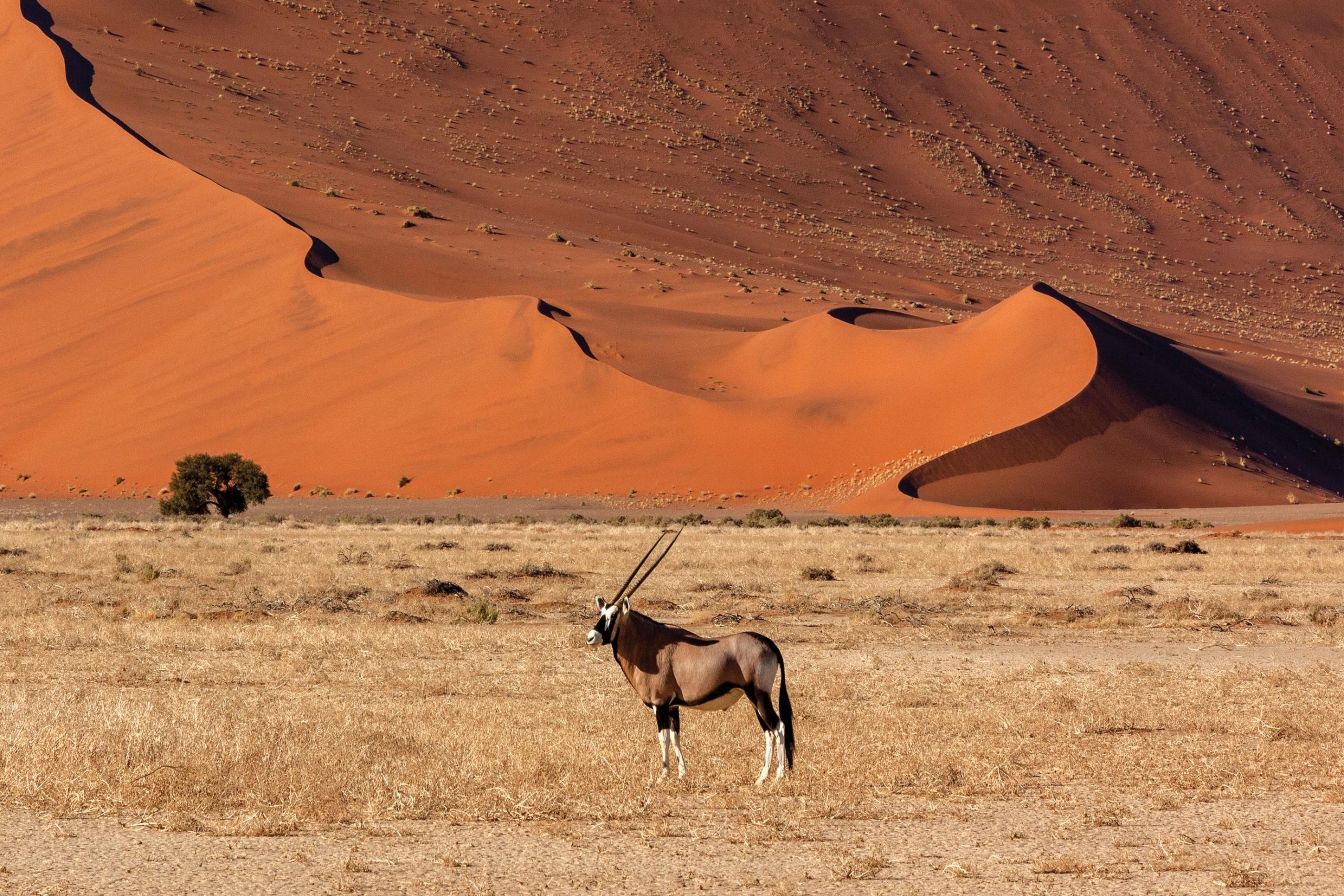
Namibia National Career Week 2026 celebrates 15 years of connecting young Namibians to education, careers and opportunity through industry engagement, innovation and nationwide expansion.

Oshikoto youth are urged to drive Namibia’s agricultural transformation through agribusiness, climate-smart farming and government-supported funding programmes such as the NYDF and Agribank schemes.

Namibia and Japan strengthen cooperation on trade, investment and mineral development, focusing on critical minerals, industrialisation and value addition for sustainable growth.
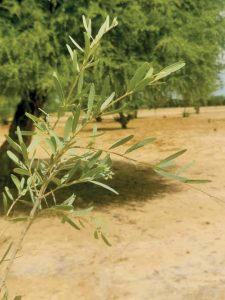
Explore the Shepherd’s Tree (Boscia albitrunca), one of Namibia’s most resilient native plants, known for its adaptability, livestock value, medicinal uses and cultural significance in