For years, public patients requiring magnetic resonance imaging (MRI) scans have been referred to private healthcare facilities, as the government did not have adequate equipment or facilities to provide this specialised service within the public health system.
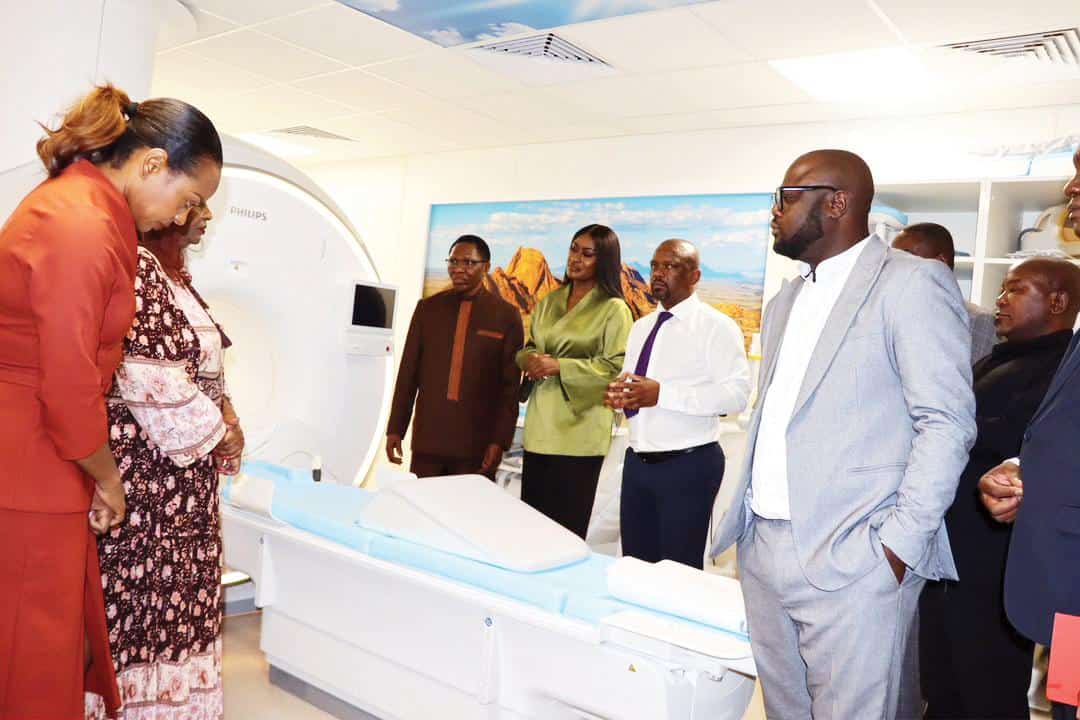
The situation has now changed, with Windhoek Central Hospital acquiring its first government-owned and government-operated MRI machine, marking a major milestone in the expansion of specialised healthcare services in the public sector.
President Dr Netumbo Nandi-Ndaitwah described the development as a historic achievement and an important step towards improving access to advanced medical technology for the approximately 2.7 million Namibians who rely on the public healthcare system.
The president said that the public health sector serves about 85% of Namibia’s population, making investment in specialised healthcare essential to improving the wellbeing, dignity and productivity of Namibians.
“In the last five years alone, the Ministry of Health and Social Services referred more than 4,000 patients to the private sector for MRI services, at a total cost exceeding N$80 million. This amounts to an average expenditure of more than N$16 million per year,” the president said.
Minister of Health and Social Services Dr Esperance Luvindao said that the introduction of the MRI machine supports the ministry’s five-year Strategic Plan, adopted last year under the theme “World Class Health for All”, and aligns with Namibia’s Universal Health Coverage Policy and the health objectives of the Sixth National Development Plan (NDP6).
According to Luvindao, the immediate benefits of the new facility include increased access to MRI diagnostic services for both public and, where appropriate, private patients, reduced diagnostic backlogs and turnaround times, as well as significant savings by reducing costly referrals of public patients to private facilities.
“This is the first such investment, but definitely not the last. It is part of the strategic reform agenda to bring about system-wide transformation. Key medical equipment are being procured directly from the manufacturers and distributed across the country to decongest the system and enhance the capacity of the public health facilities,” she noted.