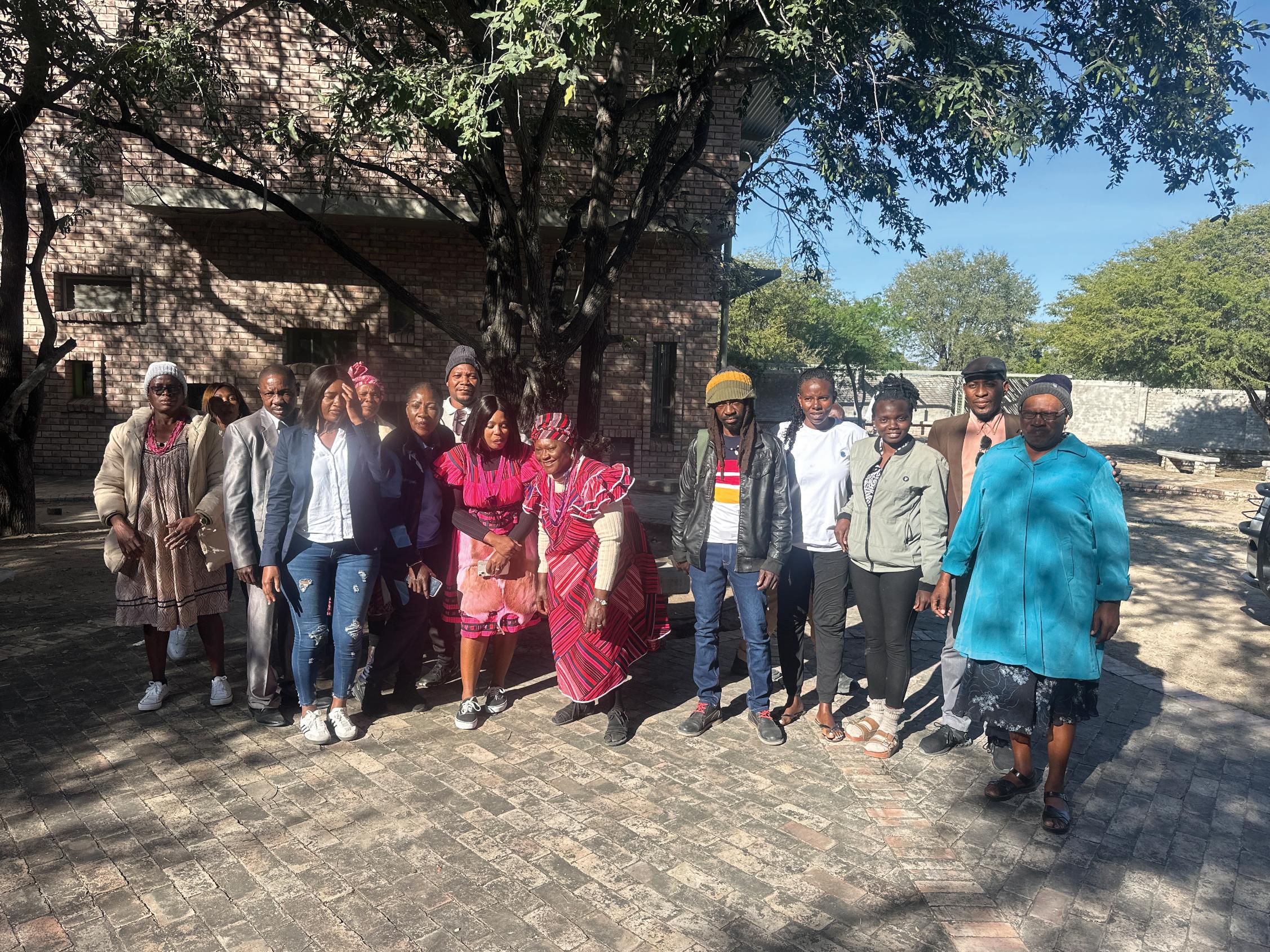
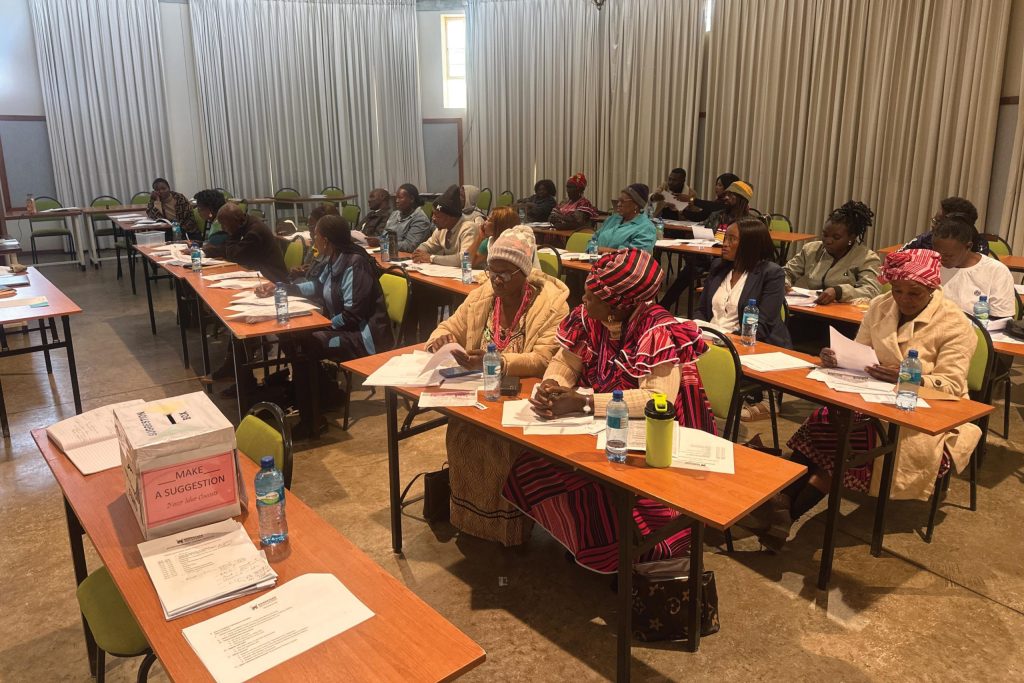
In late January 2025, a quiet but powerful shift took place in Namibia’s Ohangwena Region. Over the course of three days, from the 24th to the 26th, more than 70 rural artists, vendors and small-scale entrepreneurs came together to attend a free business skills training workshop hosted by Ongula Homestead Academy.
The workshop, organised in partnership with the Ohangwena Directorate of Education, Innovation, Youth, Sports, Arts and Culture, was designed to support self-employment and open new economic opportunities in some of the region’s most underserved areas, including the constituencies of Oshikunde, Ondobe and Ohangwena.
I had the privilege of being part of the organising team, brought together through Ongula Homestead Academy, which was awarded the tender to coordinate this important initiative. The training was the vision of Mr Matheus Iitula, the senior culture officer at the Ohangwena Directorate of Education, Innovation, Youth, Sports, Arts and Culture. His deep belief in entrepreneurship as a tool for transformation was the driving force behind this effort.
The participants were diverse. They included traditional food vendors, small-scale farmers, cuca shop owners, traditional performers, craft makers, community activists, as well as individuals involved in pottery and brick-making projects. Although the training was open to both men and women, the turnout showed a much stronger response from women, underlining their growing interest in skills development and economic empowerment within rural communities.
Over the course of the workshop, participants had the chance to share the challenges they face in running their small businesses. In return, they received guidance in areas such as financial planning, basic business management and how to access support services. Attendees were introduced to organisations that can provide assistance, including the National Arts Council of Namibia and the Ministry of Gender Equality and Child Welfare’s Income Generating Activities Support Programme. Additional information was shared about other government agencies that are committed to helping small business owners in rural areas.
The success of the workshop was also made possible through the support of local constituency councillors and education officers from the three constituencies, who assisted with transportation and helped provide suitable venues.
It is worth mentioning that this was not a profit-making event. It was a community-focused initiative with a clear purpose: to empower rural entrepreneurs in a region where unemployment and poverty remain pressing concerns. We extend sincere thanks to Mrs Hilya Nghiwete, who gave us the opportunity to serve as ambassadors of Ongula Homestead Academy, a school that continues to lead the way in promoting rural development through entrepreneurship and skills training in the Ohangwena Region.
Looking ahead, it is clear that more training opportunities like this are needed across Namibia. Most of the country’s population lives in rural areas, and workshops like these give people the chance to build a better life without needing to migrate to cities in search of work. In this way, the programme forms part of Namibia’s decentralisation process in action.
At the same time, there is a need to encourage more men to participate in such training. While the enthusiasm among women is inspiring, true progress will require that both men and women are equally involved and supported in economic development.
Feedback from the participants was overwhelmingly positive, and they expressed a strong desire for more training sessions to be offered in rural areas. They left not only with new skills, but with a renewed sense of purpose and hope. With continued support, these small businesses and local artists will help shape a stronger, more self-reliant Namibia.