
BE Wellness: Hair thinning after 40

What every woman should know

Gynaecology - Obstetrics

Hair loss is not an inevitable part of aging, nor is it something women should “just live with.”

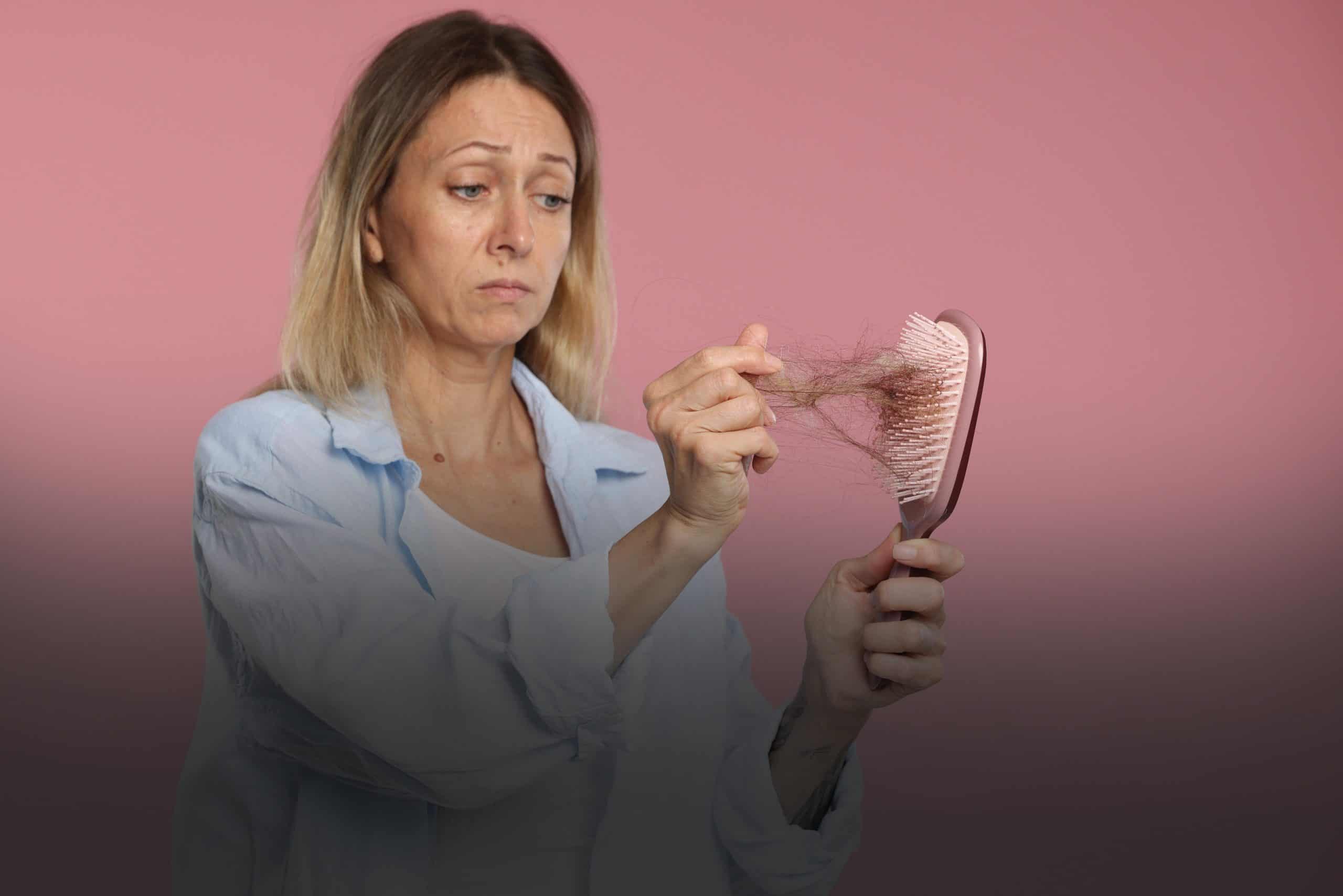
Panic is a common reaction when a woman notices significant hair loss – seeing hair on her pillow, in her brush or clogging the shower drain – and starts comparing old photos with the woman in the mirror.

Hair loss is not an inevitable part of ageing, nor is it something women should “just live with.” It can profoundly affect self-esteem because hair influences both how a woman feels and how she is perceived. Hair loss is often one of the body’s most reliable medical signals, reflecting an underlying biological process.

Hair follicles are among the body’s most metabolically active structures and respond to hormonal changes, inflammation, nutritional status, stress and sleep disorders. When several of these factors shift simultaneously, as often occurs during perimenopause and menopause, the follicles weaken and hair growth declines. Hair loss deserves a proper medical evaluation and an individualised treatment plan.

The main causes include:

1. Female pattern hair loss (androgenetic alopecia):

The most common cause. During perimenopause, declining oestrogen makes follicles more sensitive to androgens, producing thinner, shorter, less pigmented hairs until visible hair growth stops. It typically causes diffuse thinning over the crown while preserving the frontal hairline.

2. Telogen effluvium:

A diffuse shedding in which handfuls of hair are lost during washing or brushing for weeks to months. It is triggered by illness, surgery, medication changes, psychological trauma, nutritional deficiencies, thyroid disorders, hormonal changes, pregnancy or breastfeeding. A large number of follicles enter the resting phase simultaneously, with shedding appearing several months later.

3. Iron deficiency:

Frequently overlooked. Low ferritin – not necessarily low haemoglobin – can significantly impair hair growth.

4. Thyroid disorders:

Especially hypothyroidism, a common cause of hair loss.

Other causes:

Vitamin D deficiency, other nutritional deficiencies, chronic illness, autoimmune disease, medication, psychological stress and sleep disorders.

Recommended laboratory tests include ferritin (target 40–60 ng/mL for optimal hair growth rather than the laboratory lower limit of about 15 ng/mL), a thyroid panel, vitamin D level, basic metabolic panel, medication review and hormone testing when signs of androgen excess, irregular menstrual cycles, acne or hirsutism are present.

Treatment is successful in most cases, and combination therapy is often more effective than a single treatment. Options include topical or low-dose oral minoxidil (with results typically showing after at least six months), antiandrogens such as finasteride or contraceptive pills containing antiandrogenic progesterone, correction of nutritional deficiencies, procedural treatments including microneedling, laser therapy, platelet-rich plasma or hair transplantation, as well as natural agents such as curcumin, pumpkin seed oil and horsetail.

Please keep in mind that your hair is a mirror of what is going on in your body. Insist on thoughtful medical evaluation and proper therapy.

You deserve it!

Share:

More Posts

Made in Namibia, by Namibians

August 26 Manufacturing makes garments and footwear in Windhoek and Okahandja—PPC, healthcare and workwear for mining, oil and gas, hydrogen
Sign up for our newsletter