The rains arrive quietly. Not with drama, but with a subtle shift in the air. The dust settles. The grass softens. The cattle lift their heads a little more often. Somewhere between the smell of wet earth and the hum of returning insects, something else awakens too – something smaller, older and far less welcome.
Internal parasites have always been part of the landscape. They do not arrive from elsewhere. They wait.
These parasites – mainly worms that live inside the animal’s stomach, intestines or liver – rely on moisture to survive outside the host. Their eggs are passed in dung, hatch on the pasture and develop into infective larvae (the stage where animals pick it up while grazing). Without rain, this cycle slows down or stops. With rain, it accelerates.
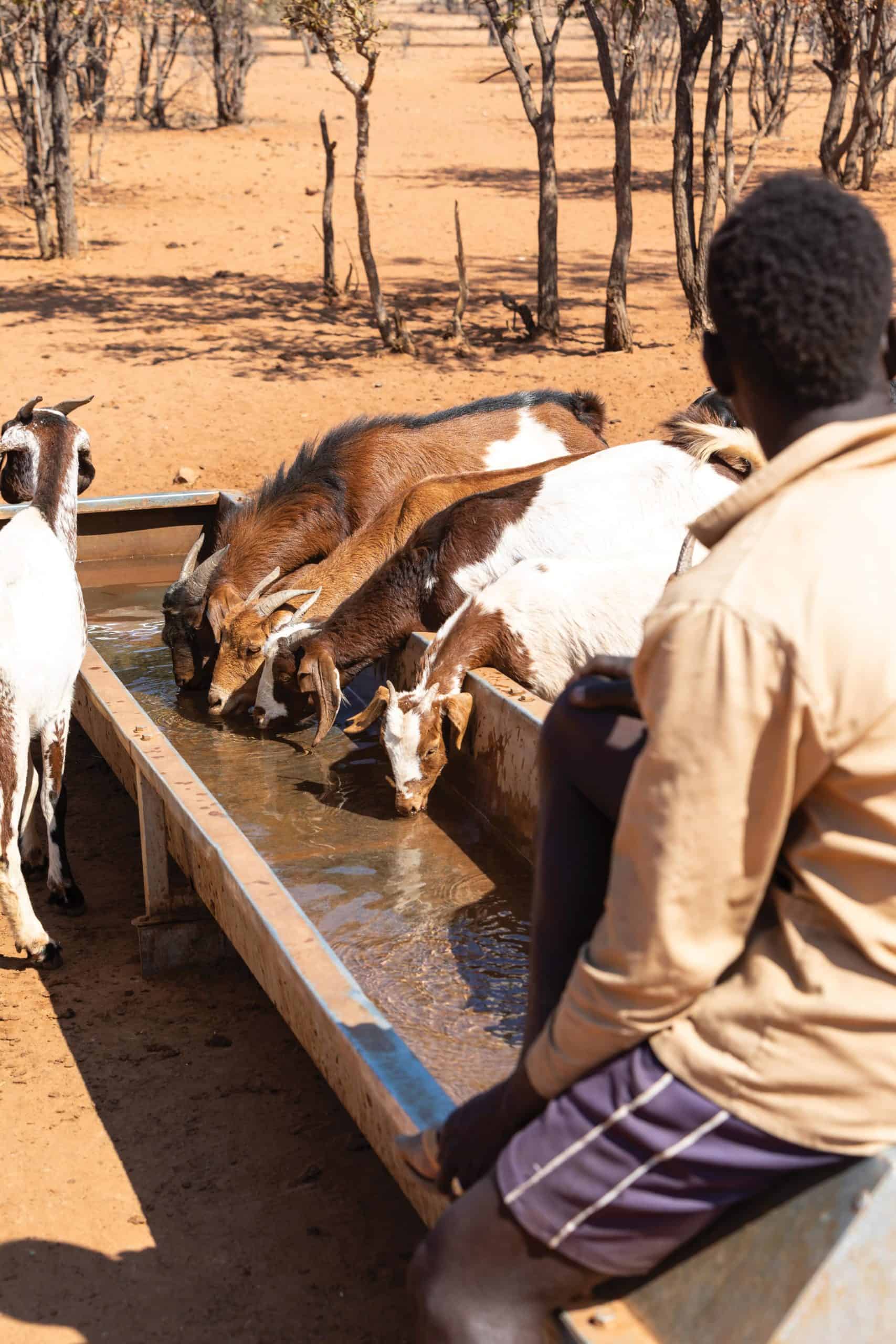
In Namibia, their presence follows moisture. The higher rainfall areas – the north, the north-east and the central highlands after a good season – carry the heavier burden. Communal grazing areas, where animals move together and pasture rests are limited, allow parasites to accumulate quietly over time.
In contrast, the deep south and west, with their long dry spells and intense sunlight, offer fewer opportunities for parasites to survive between hosts. But even here, after the rain, the balance shifts.
Often, the first signs are easy to miss.
A calf that lags behind the herd. An ewe whose ribs begin to show despite good grazing. The coat becomes dull. Growth slows. These are not always dramatic signs, but they reflect animals losing condition due to parasites feeding off nutrients or, in some cases, blood.
In small stock, one of the most important signs is found on the lower eyelid. When pulled down, a healthy animal should have a deep pink to red colour. When it appears pale or washed-out, it often indicates anaemia – a shortage of red blood cells – usually caused by blood-sucking worms such as Haemonchus (commonly known as wireworm). Sometimes there is diarrhoea. Often there is not. Parasites do their best work unnoticed.
On a farm, patterns tell the story better than individuals.
Young animals struggle, while older ones remain strong. Certain camps produce poorer performers. Animals improve briefly after treatment, only to decline again when returned to the same grazing. These patterns point to pasture contamination, where infective larvae are building up on the grass over time.
Management begins long before treatment.
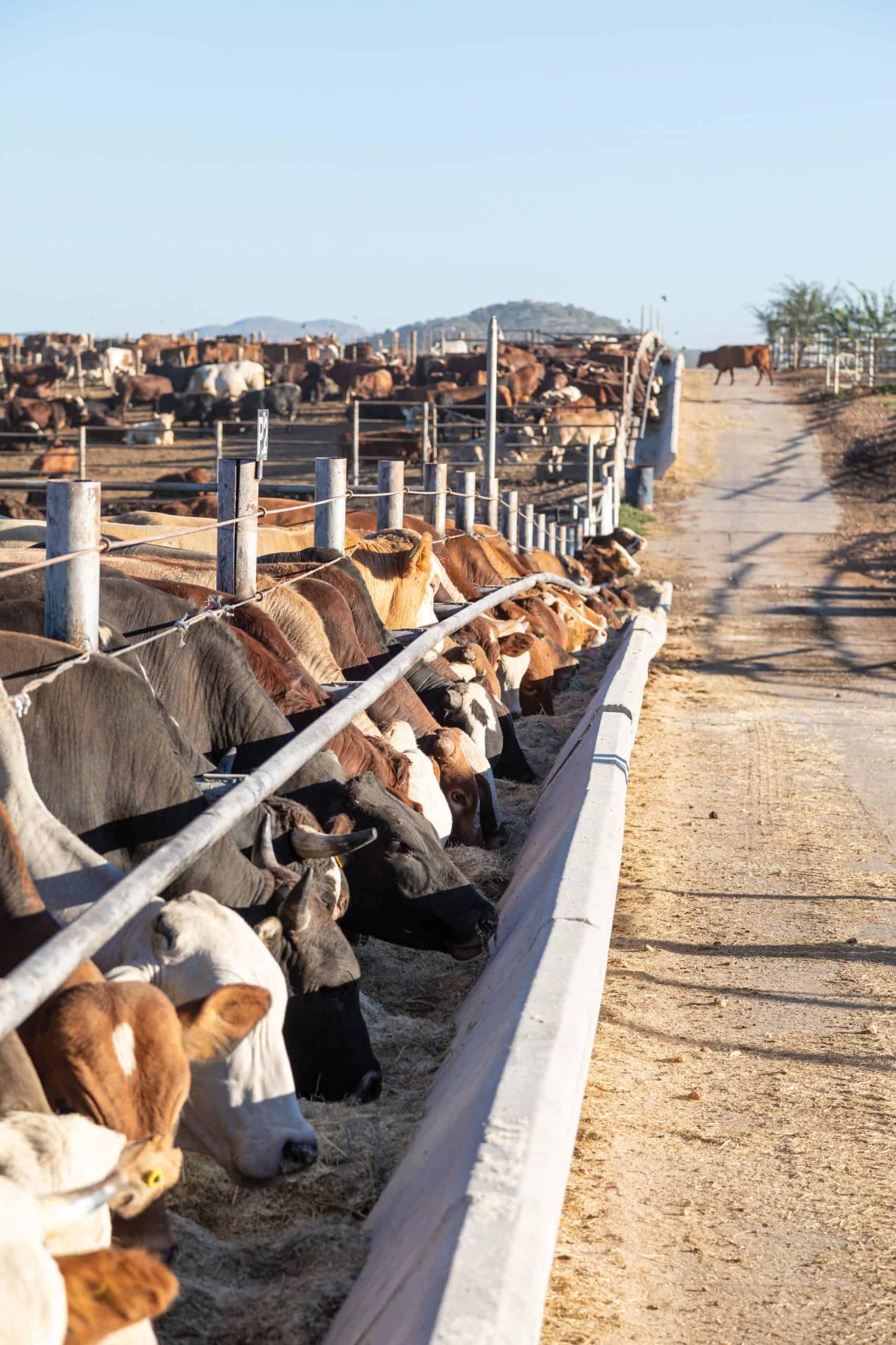
Rotational grazing allows camps to rest. With time, sunlight and dryness reduce the number of infective larvae on the pasture. Overstocking increases contamination, as more animals deposit parasite eggs in the same area. Underdosing – giving too little medication – allows some parasites to survive treatment, which contributes to resistance, meaning the medicines become less effective over time. Both are common, and both are preventable.
When treatment is needed, it should be deliberate.
Products such as AgraVet Orange offer broad-spectrum control, meaning they target a wide range of internal parasites, including roundworms (worms in the stomach and intestines) and liver fluke (a parasite that lives in the liver and can cause chronic weight loss and reduced production). Valbazen is effective against adult liver fluke and gastrointestinal worms. For injectable control, Ivomec and similar ivermectin-based products remain reliable tools when used correctly.
The key is accuracy – correct weight estimation, correct dose and treating the right animals at the right time.
Not every animal needs treatment.
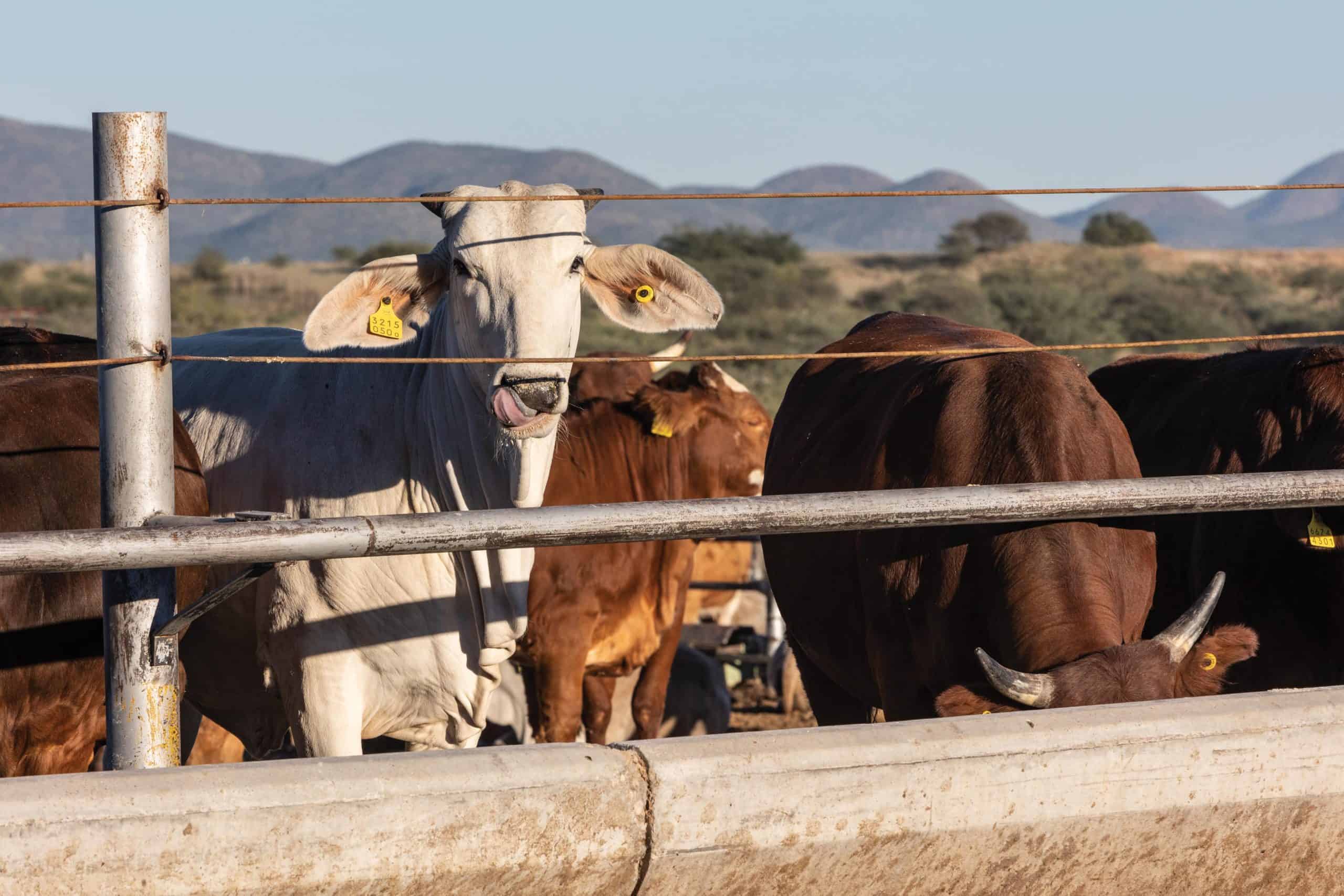
The strongest animals often carry some level of parasites without showing signs of illness. These animals help maintain a natural balance and contribute to herd immunity – the ability of the group to tolerate parasite exposure over time. Treating every animal unnecessarily increases costs and accelerates resistance. Selective treatment, where only the animals that need it are treated, is often the more effective and sustainable approach.
Internal parasites are part of farming in Namibia, just as rain and drought are. They cannot be eliminated – only managed. Patiently. Observantly. With respect for the balance between animal, pasture and season.
The signs are always there, if you know where to look.