Echoes of Omusati: The long road home
After 37 years, Ndilimeke Katanga travels to Omusati to meet the father she knew only from a photo. Echoes of Omusati screens in Lusaka on 18 September 2026.
By Ambassador Tonata Itenge-Emvula
Chairperson, FlyNamibia Board
I first heard the name of Tatekulu Sam Nujoma through the voices of a group of men singing:
Sem okaNauyom’ omungandjela (Sam Nujoma from Ongandjera)
Ta keya take ya take uya shito (He surely will return)
Ta keya katy’eepena ndokushanga (He will bring pens to write with)
Ta keya katy’eembuke ndokulesha (He will bring books to read)
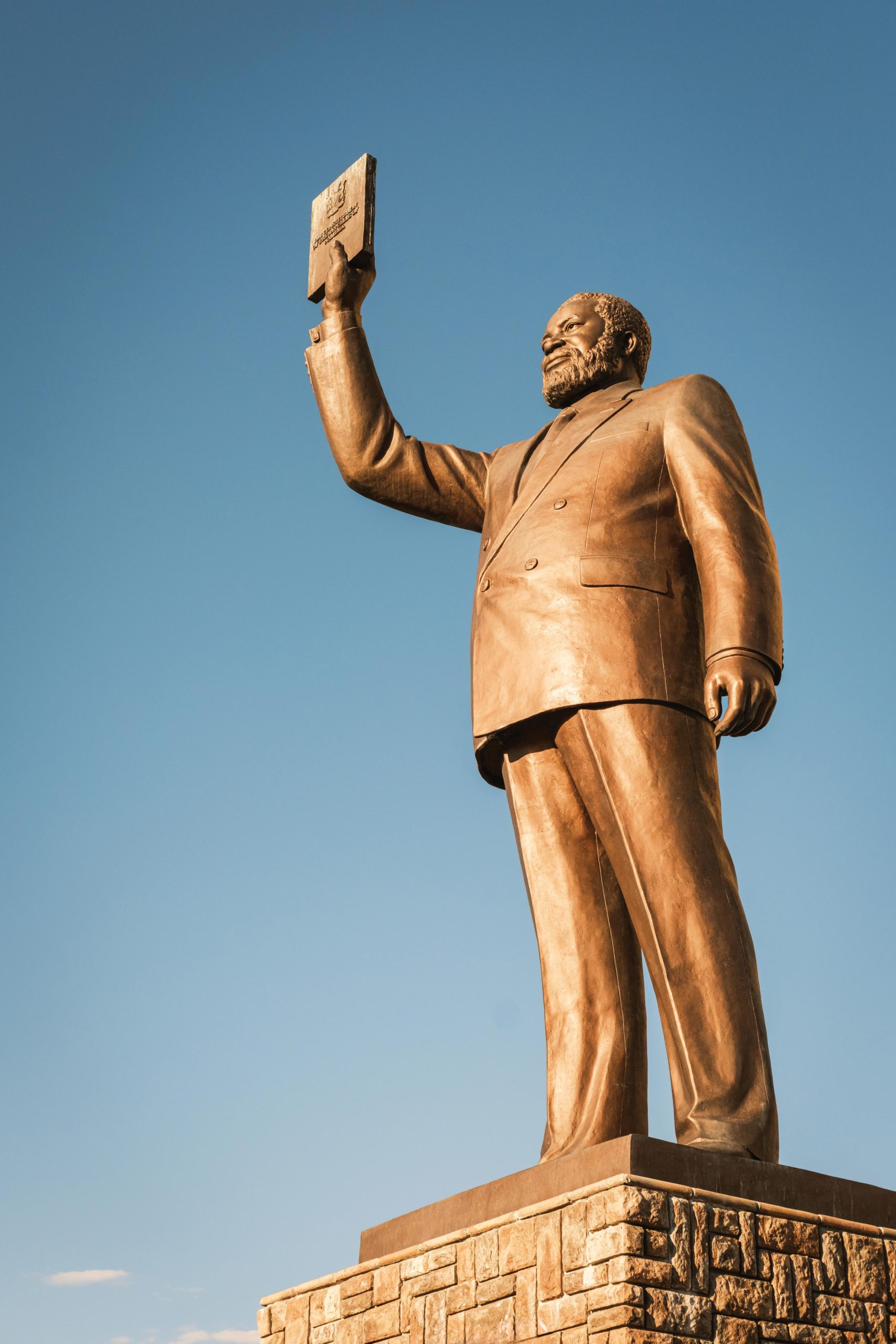
At the time, I was just a schoolchild, and that was how I understood the words. In my young mind, I formed an image of Sam Nujoma as an educator. So when I finally saw him in person for the first time in 1974, that picture was reaffirmed.
He may not have been a teacher in the traditional classroom sense, but in many ways, he was a teacher of life—an instructor and mentor who imparted knowledge beyond textbooks. He was a man fully and completely dedicated to the cause of Namibia, guiding and inspiring a nation on its journey to freedom.
In 1991, he appointed me as Namibia’s first female Ambassador to the Nordic countries, a role that I sincerely appreciate and cherish. His belief in me and in the empowerment of women was something that I will always hold dear.
He always called me Kuku, and I never asked him why. In Oshiwambo, Kuku is a term used to address someone with respect, and perhaps that is what he meant. But to me, it was also a reflection of the deep sense of trust and camaraderie that he extended to those around him.
Tatekulu Sam Nujoma was more than a leader; he was a guiding force— one who shaped lives, built a nation, and left a legacy that will forever be remembered.

After 37 years, Ndilimeke Katanga travels to Omusati to meet the father she knew only from a photo. Echoes of Omusati screens in Lusaka on 18 September 2026.

Namibia’s oil story is not first oil. It is ports, logistics, skills and supply chains already being built on land — a development window before FIDs.

meteor showers Namibia, shooting stars, Perseids, Southern Delta Aquariids, dark skies Namibia, Oshiwambo, astronomy Namibia, comets debris, light pollution, night sky Namibia, cultural astronomy, stargazing Namibia, solar system, African sky traditions, meteor watching tips,

Ubuntu and “Make the Circle Bigger” set the tone as South Africa, Zimbabwe and Namibia co-host the ICC Men’s Cricket World Cup 2027 — 12 venues, 57 matches.