
A Nocturnal Affair

Scaling up pangolin conservation

By Madeleen Duvenhage

To mark World Pangolin Day on 21 February, the Pangolin Conservation and Research Foundation (PCRF) hosted a cocktail fundraiser and silent auction, bringing together partners (including Gondwana Collection), sponsors and fellow conservationists in support of the gentle and elusive pangolin. Held at Am Weinberg Boutique Hotel in Windhoek, the evening united guests around a shared purpose: raising vital funds for one of the world’s most endangered and trafficked mammals.

“Tell me, how many people in this room have spotted a pangolin more than six times?”

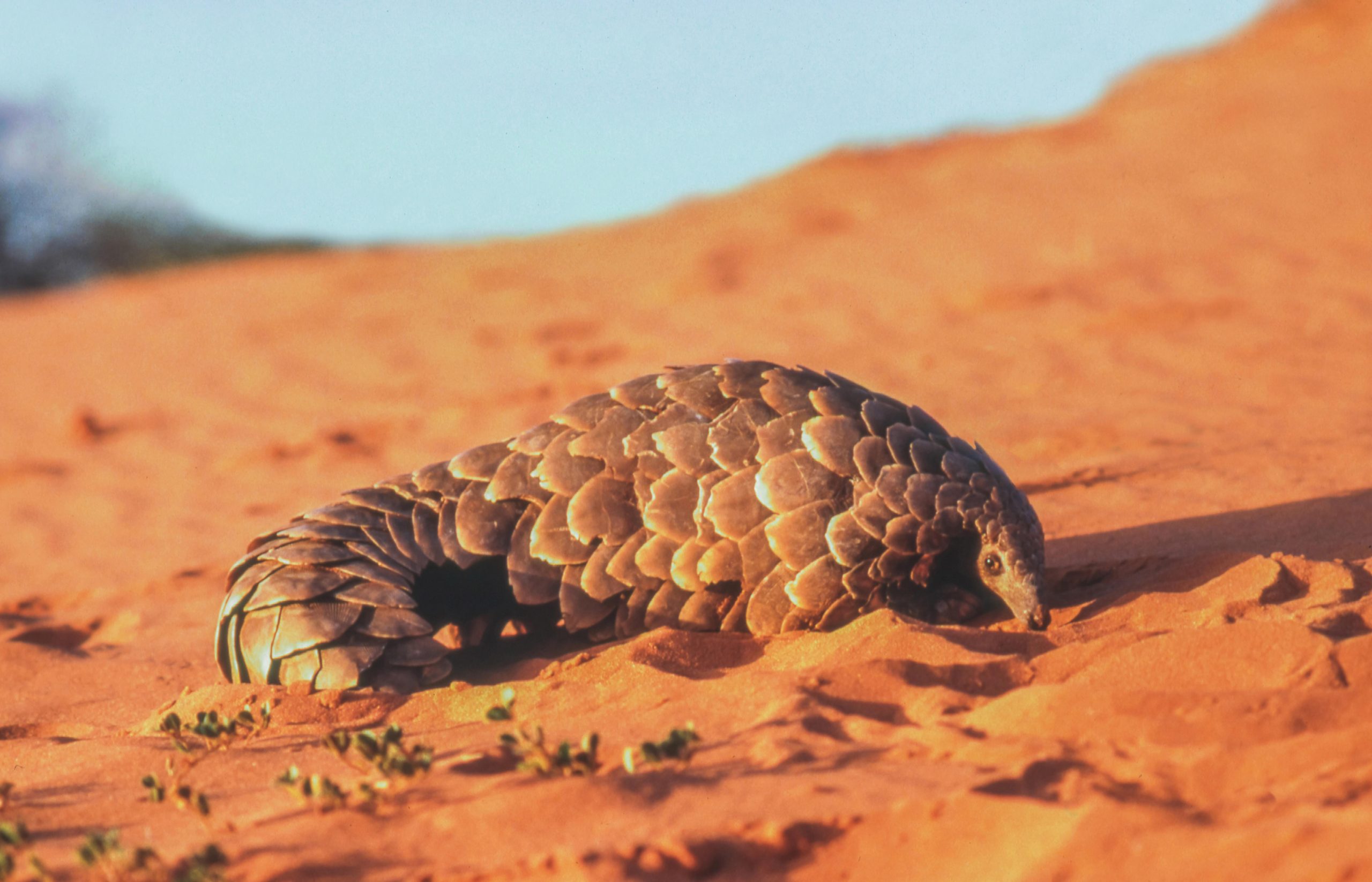
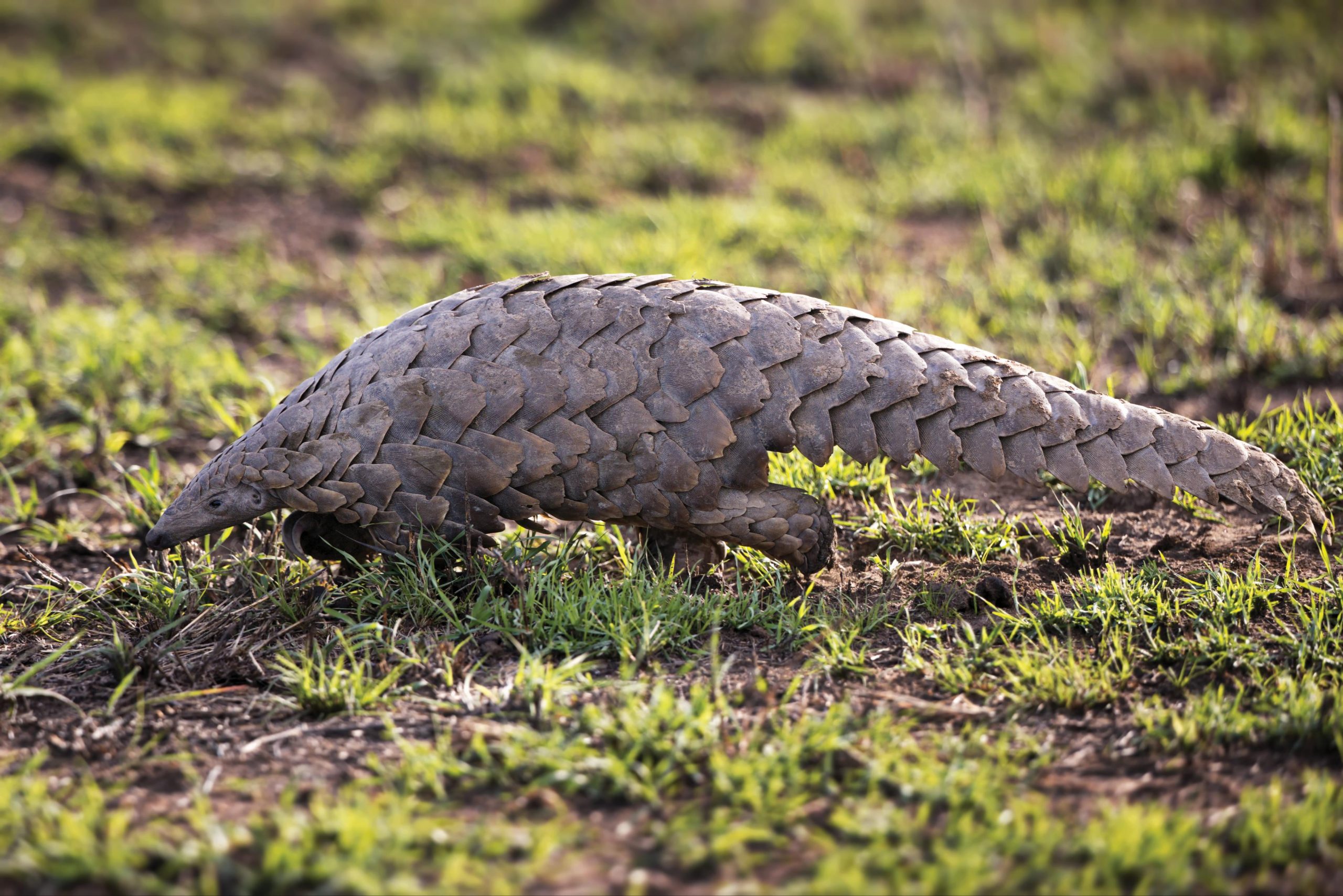
With that question, FENATA’s chairperson, Ally Karaerua, opened his remarks at the event. A meagre few hands shot up, while the rest of the audience fumbled, filing through their memories for even a vague recollection of encountering this enigmatic mammal up close. As for me, I could count only one sighting, and even that lasted mere seconds before the pangolin silently slipped back into the nebulous dark. Nocturnal, naturally rare and clandestine, pangolins are notoriously difficult to study and monitor.

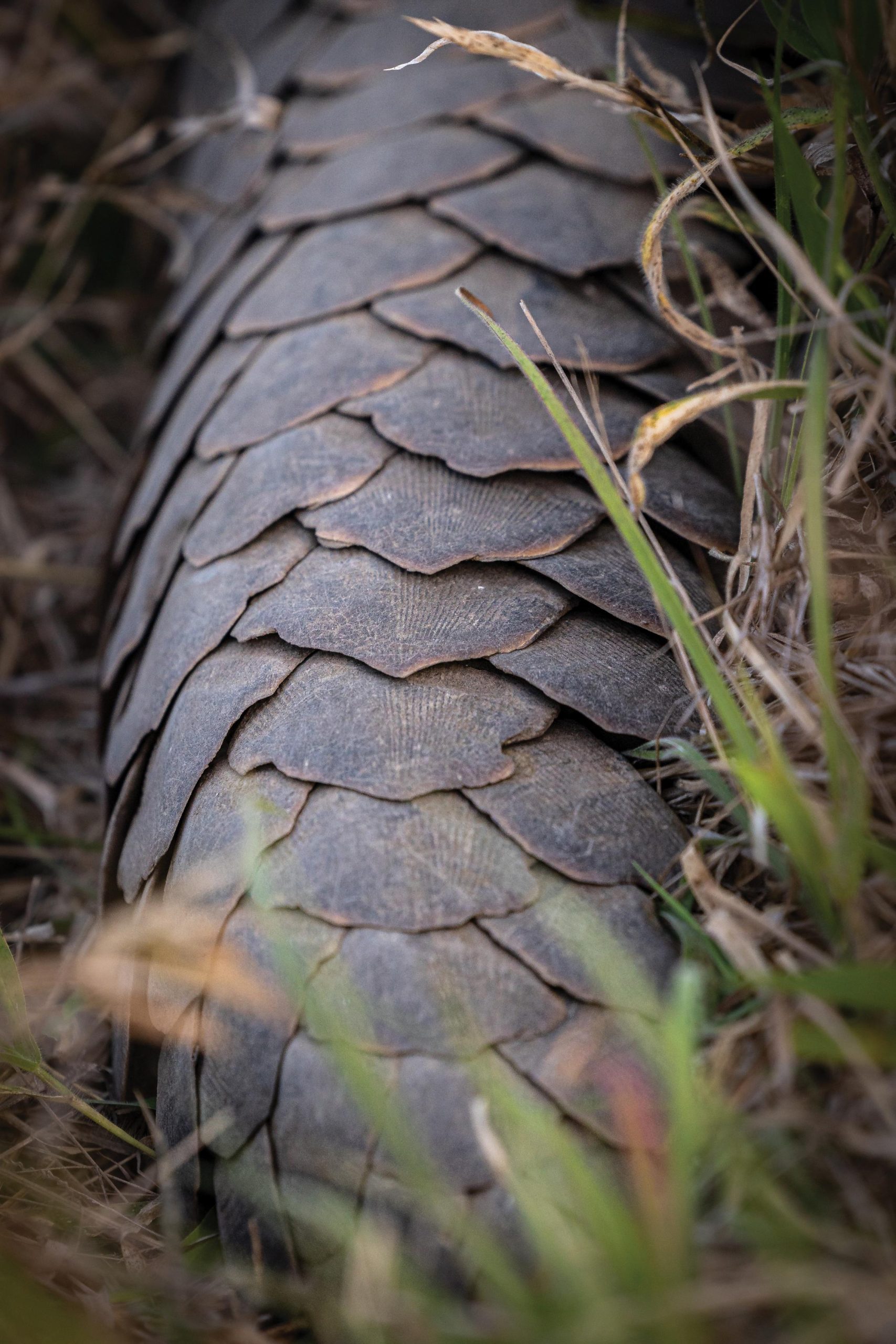
Pangolins are under severe threat due to high levels of trafficking for their scales (made up of hardy keratin), body parts and meat. In some markets, particularly for traditional Chinese medicine, they are sought after in a manner similar to rhino horn, despite there being no scientific evidence supporting any medicinal benefits. While various African cultural groups have historically used pangolins for food, medicine or spiritual practices, this traditional use never placed significant pressure on wild populations. Today, however, as Asian pangolin species become increasingly scarce, demand has shifted to African species, putting new and unsustainable pressure on local populations.

Human-driven factors compound these threats. Habitat loss shrinks the areas where pangolins can safely live, while encounters with human infrastructure – such as electric fencing, roads and gin traps – have become common causes of mortality. Together, these pressures make pangolins one of the most vulnerable mammals in Africa and Asia, highlighting the urgent need for conservation action.

WHY PANGOLINS?

Originally from the United States, Kelsey Prediger, the executive director of PCRF, was raised on the shores of a lake and immersed in nature. Her love for adventure and wildlife took root from an early age, solidifying her dream of a future career in conservation. In 2016, she moved to Namibia to work with carnivores, but it was here that she soon discovered the often-undocumented plight of the pangolin. Drawn to this misunderstood animal, she shifted her focus to understanding and protecting it, ultimately finding her true calling.

“We (PCRF) exist for three simple reasons: to research, protect and rewild. We protect pangolins in their natural habitat alongside local communities. This involves research, rehabilitation and an eventual return to the wild. It may sound straightforward, but since 2014 pangolins have become the most trafficked animal globally, yet with the least resources or support available.”

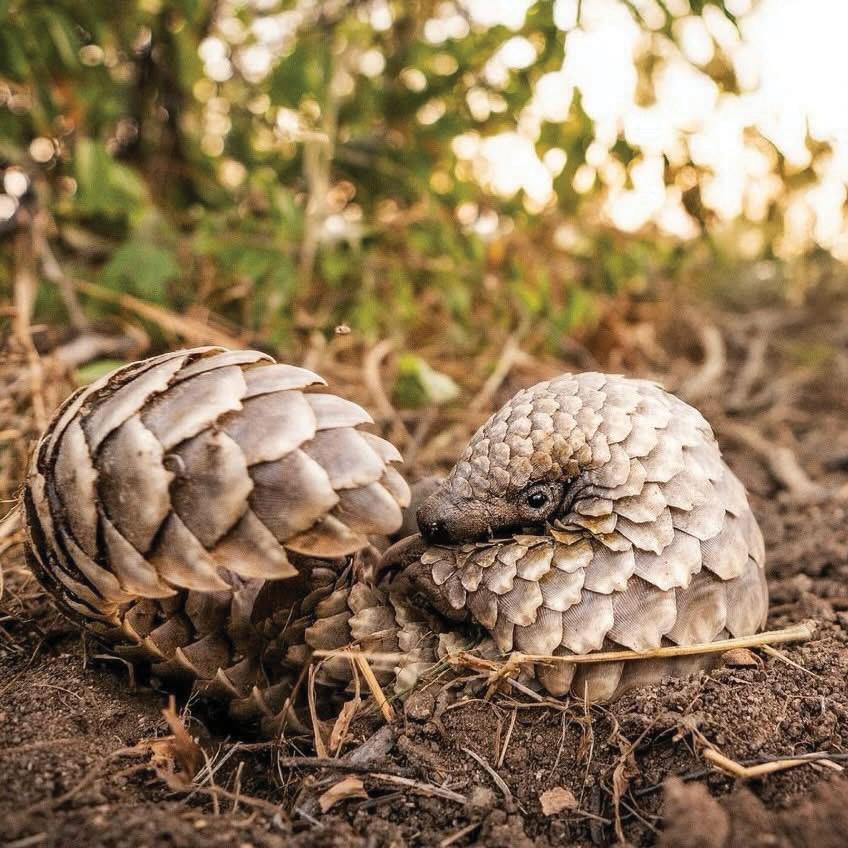
“Why pangolins?” Prediger asks the audience. “I didn’t fall in love with pangolins because they are charismatic in the way that elephants, lions or cheetahs are, but because they are gentle and don’t have a voice. They are quiet, shy and walk softly amongst us, unseen by most. They don’t roar; they don’t charge. When threatened they curl up in a ball, trusting that their armour will protect them.”

A SAD REALITY

Sadly, this armour is no longer sufficient in keeping them from harm.

Unavoidably, conservation work is often tinged with the sobering realisation that not all animals can be saved and protected. Taking a deep breath, Prediger shares the inevitable: “Now I’m going to tell you of the ones we lost.” She goes on to mention Shiloh, Rue and an unnamed female who died from her injuries – each fatality a stark reminder of the realities faced on the frontlines.

“With every loss, we fight harder so that it doesn’t happen again. In conservation we want to talk about the success, but in truth the heartbreak shapes us and leads us to the victories. We push forward to research more, gather better data and to do better next time. The grief is real, but so is the responsibility our entire team bears. This responsibility is what pushes us to keep going.”

THERE IS HOPE

Many cases of poaching go unregistered. When a pangolin is the victim of poaching, it is a silent disappearance, with no carcass or tusks left behind to collect. Still, there is good news. In partnership with the Ministry of Environment, Forestry and Tourism (MEFT), 46 successful rescues and rehabilitation cases have been recorded. In recent years, PCRF has seen a steady increase in survival rates, from 40% to 90%. From science-backed research to the rangers on the ground, every aspect of the organisation is committed to the cause, blending compassion with evidence.

When pangolins survive and thrive, it is usually an indicator of a robust, healthy biodiversity, where a balanced ecosystem supports other species. “This interconnected coexistence,” says Prediger, “is central to our future.” Protecting the pangolin has a direct impact on other animals we tend to overlook, including the aardvark and the porcupine.

Looking ahead, PCRF has set clear fiveyear goals, including the expansion of its rehabilitation centre, a significant step forward from operating out of a two-bedroom flat on rented property. For PCRF, it is equally important to establish a new generation of Namibian conservation scientists through skills training and internships, ensuring local capacity and long-term impact.

The Pangolin Guardians were also present at the fundraiser. These are local conservation heroes who draw on generations of traditional knowledge while using modern technology to track and protect pangolins. The Ju/’hoansi San bushmen from the Nyae Nyae Conservancy brought the story of the pangolin to life through an original song in the Ju/’hoan language. Led by !Oma Sao, the room pulsed with the rhythmic shuffling of feet and Sao’s trembling, lone voice.

As the song’s last refrain lingered in the room, I thought back to Kelsey Prediger’s simple, yet imperative appeal and our own pressing mandate: “We need resilient pangolin populations, resilient teams and resilient partnerships.”

Share:

More Posts

We’re for Namibians: Simson Uri-Khob

Simson Uri-Khob leads community-driven rhino conservation through Save the Rhino Trust, protecting Namibia’s desert-adapted black rhinos and empowering local communities.

Sign up for our newsletter