How Namibia can make astronomy accessible
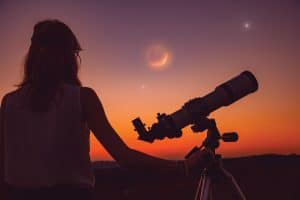
How Namibia can make its world-class dark skies accessible to children through education, drawing lessons from Latin America and Southeast
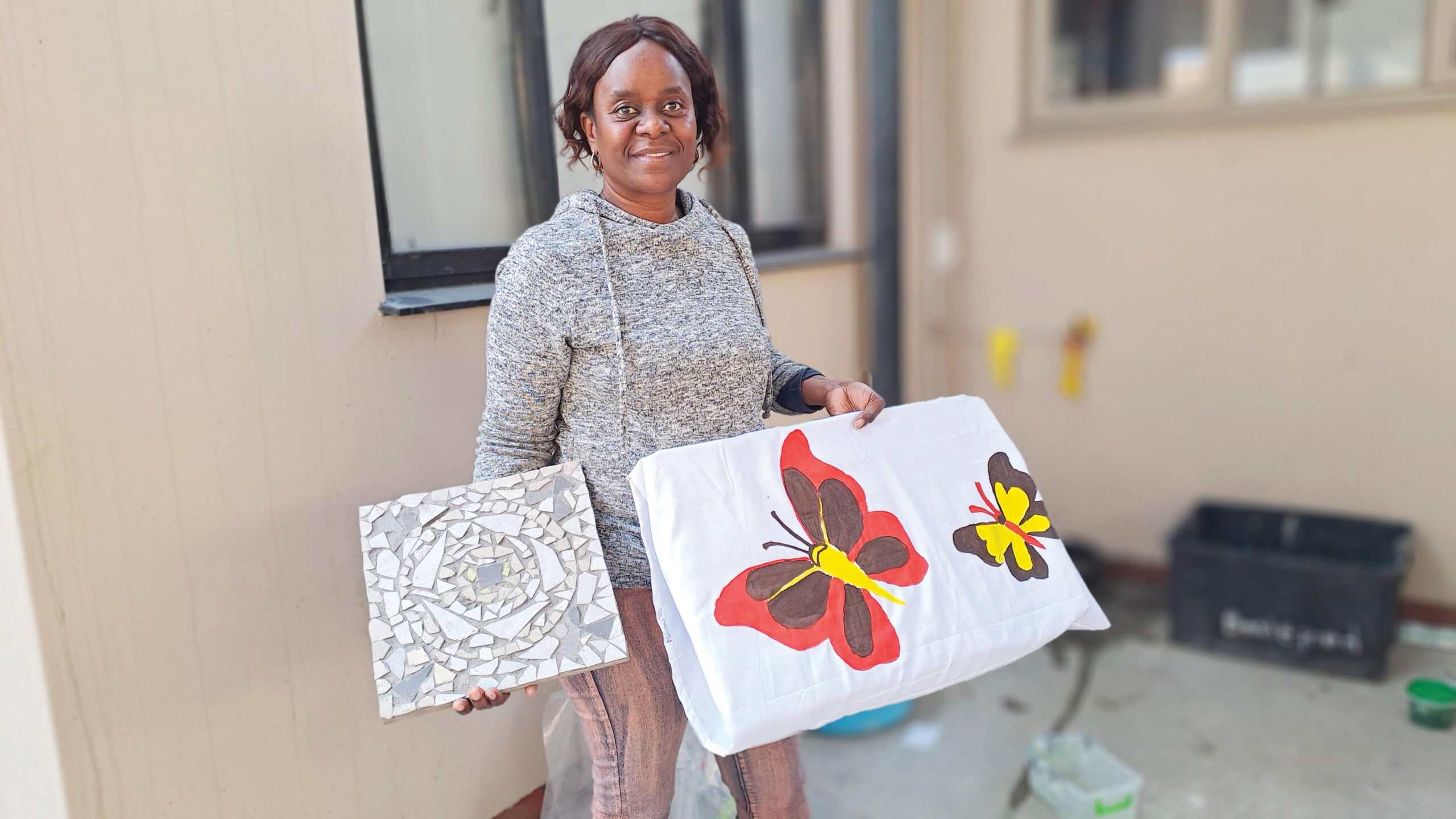
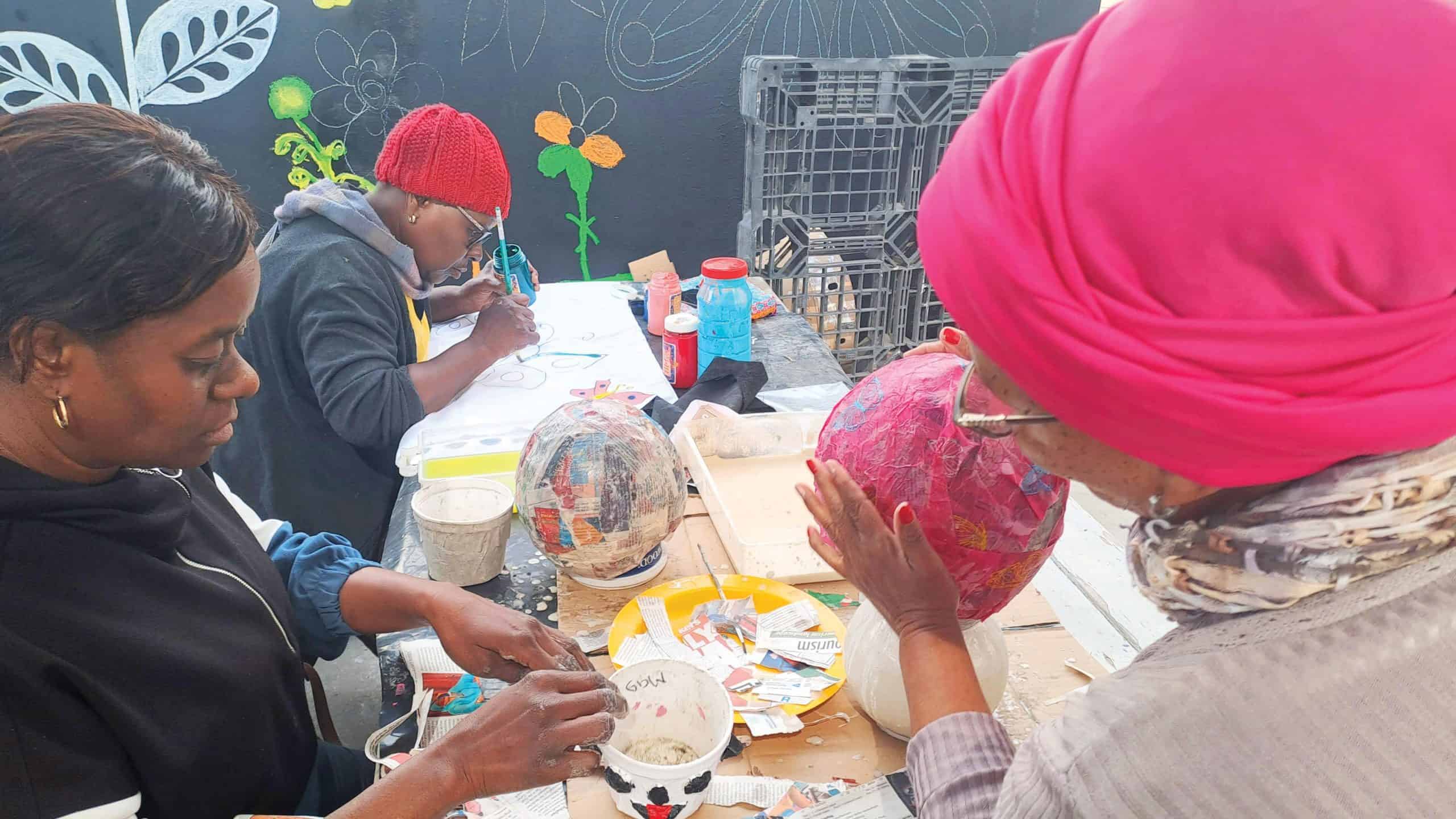
Along Swakopmund’s main road, tucked behind the greenery of Swakop Flora Nursery, something transformative is gradually and quietly unfolding. A paved pathway winds past succulents and potted trees before arriving at an unexpected little shed, pieced together from recycled wood. Inside, shelves spill over with cardboard, broken tiles, fabric offcuts, paper, shells and other discarded materials: the wonderful, sprawling mess any artist unashamedly resonates with, and which undeniably hints at works in progress.
This is the home of the NOMAD Community Arts Project, a space where art becomes a means of bringing people together.
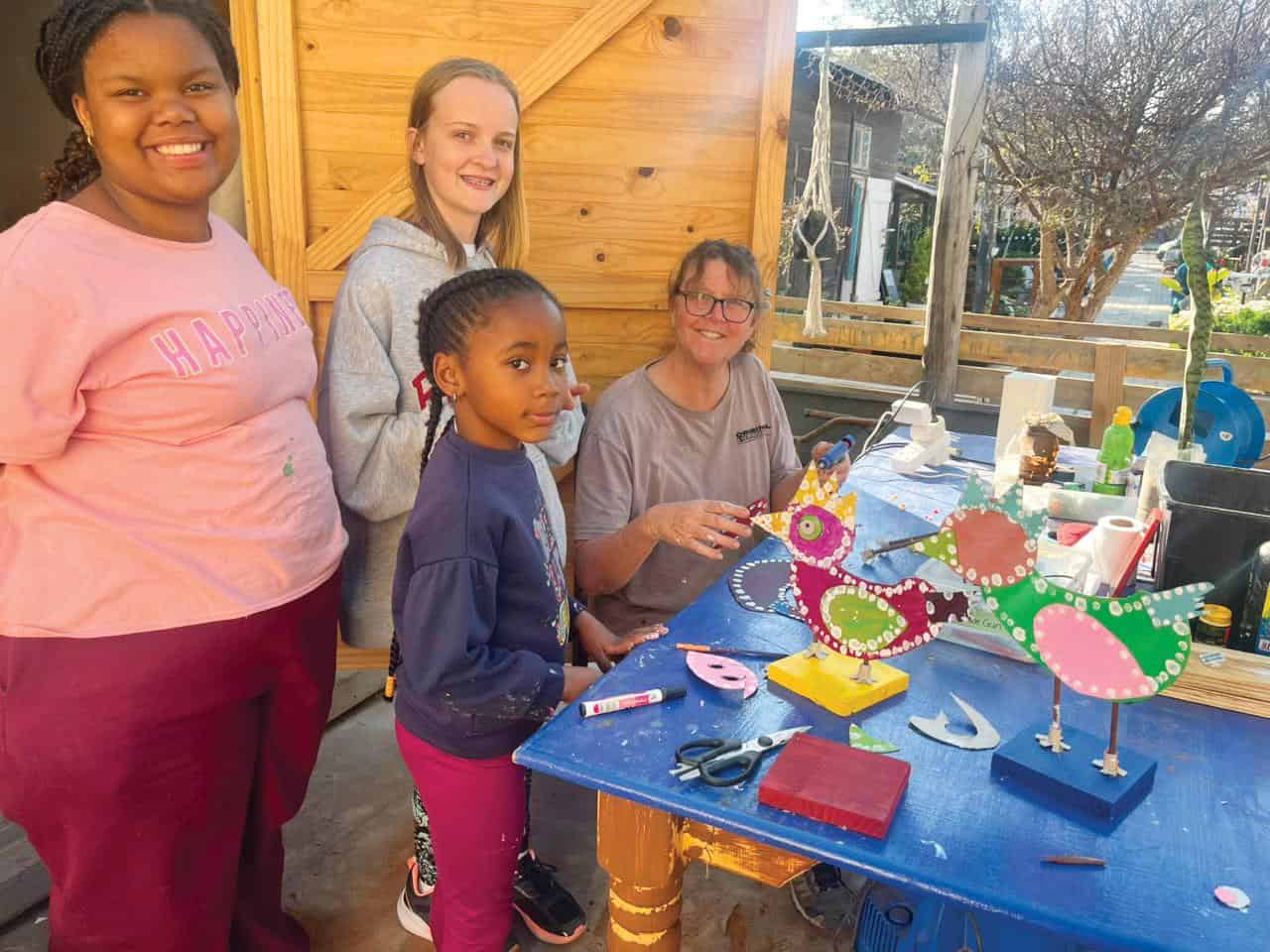
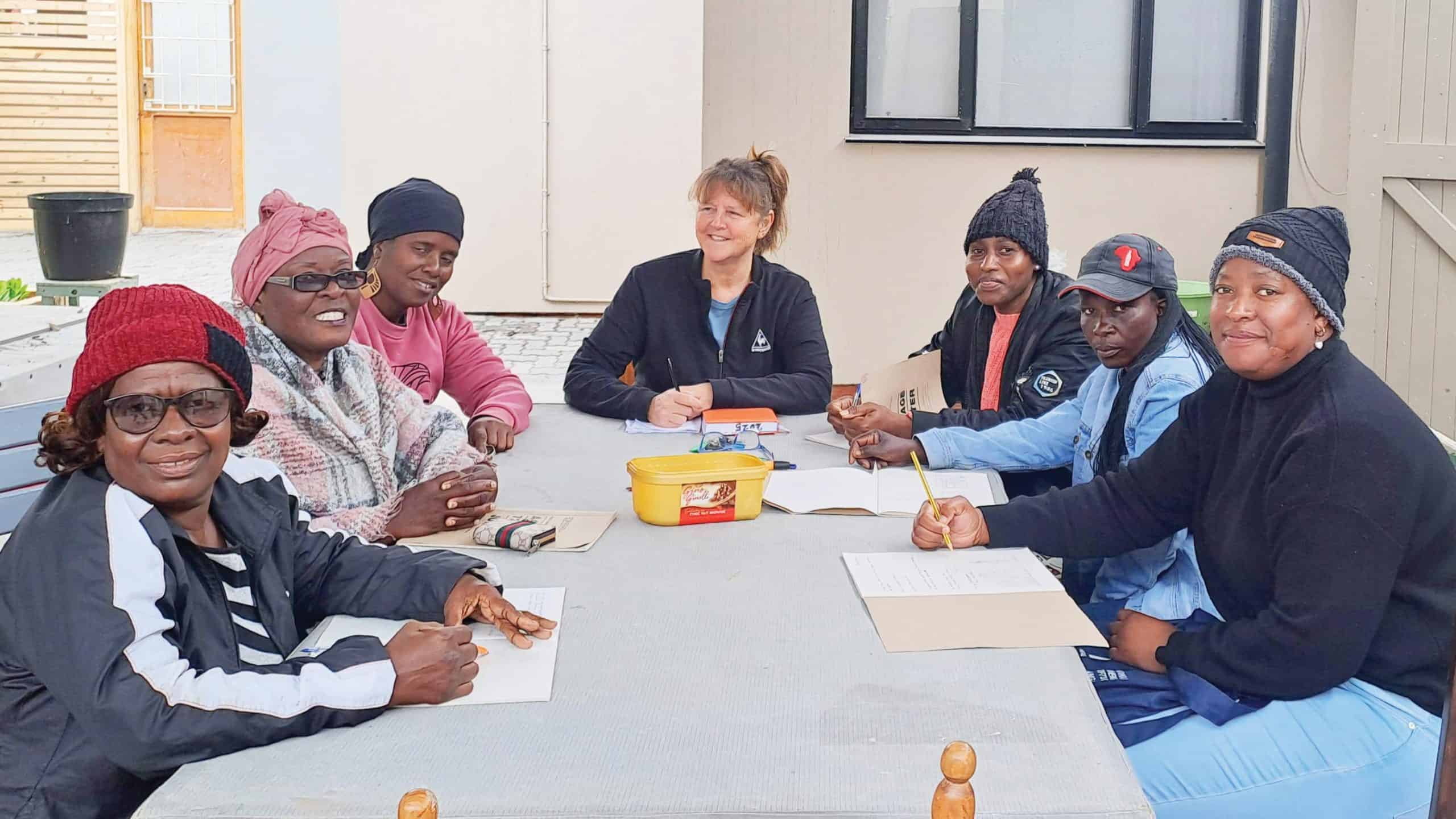
NOMAD, the non-profit initiative of NOMAD Home of the Arts, is about far more than what is made around its tables. Through free arts and crafts workshops, it creates a space where people can learn creative skills, make handmade products, connect with others and, perhaps most importantly, simply take a moment to be.
The project is the brainchild of photojournalist Karin Retief, originally from South Africa and founder of Life in Namibia (LIN), which she established in 2014. LIN began as a print magazine and evolved into an online storytelling platform with a community of around 10,000 followers. At its core is a fascination with the human stories that often go unnoticed: artists, entrepreneurs, makers, community projects and cultural narratives.
For Karin, NOMAD grew organically from this same instinct to seek out stories that matter.
Her own life`s trajectory had taken her through some extraordinary environments. She spent years working in the field – capturing sports news and reporting on political turmoil during the Apartheid era. But entering motherhood at 40 brought a profound change in pace and perspective. It softened her ambition, and slowed the frenetic energy her line of work often came with.
“I wanted to focus on beauty, on stories that uplift,” she recalls.
Life in Namibia, and the stories Karin encountered through her work, gradually shifted her focus towards people and communities. Over the years, stories of women, empowerment and vulnerable communities stayed with her, eventually finding an outlet in something much more hands-on. In 2025, Karin began sending messages around Mondesa(Swakopmund`s informal settlement), inviting anyone interested to join her for a few hours of arts and crafts. For the very first workshop, forty women arrived.
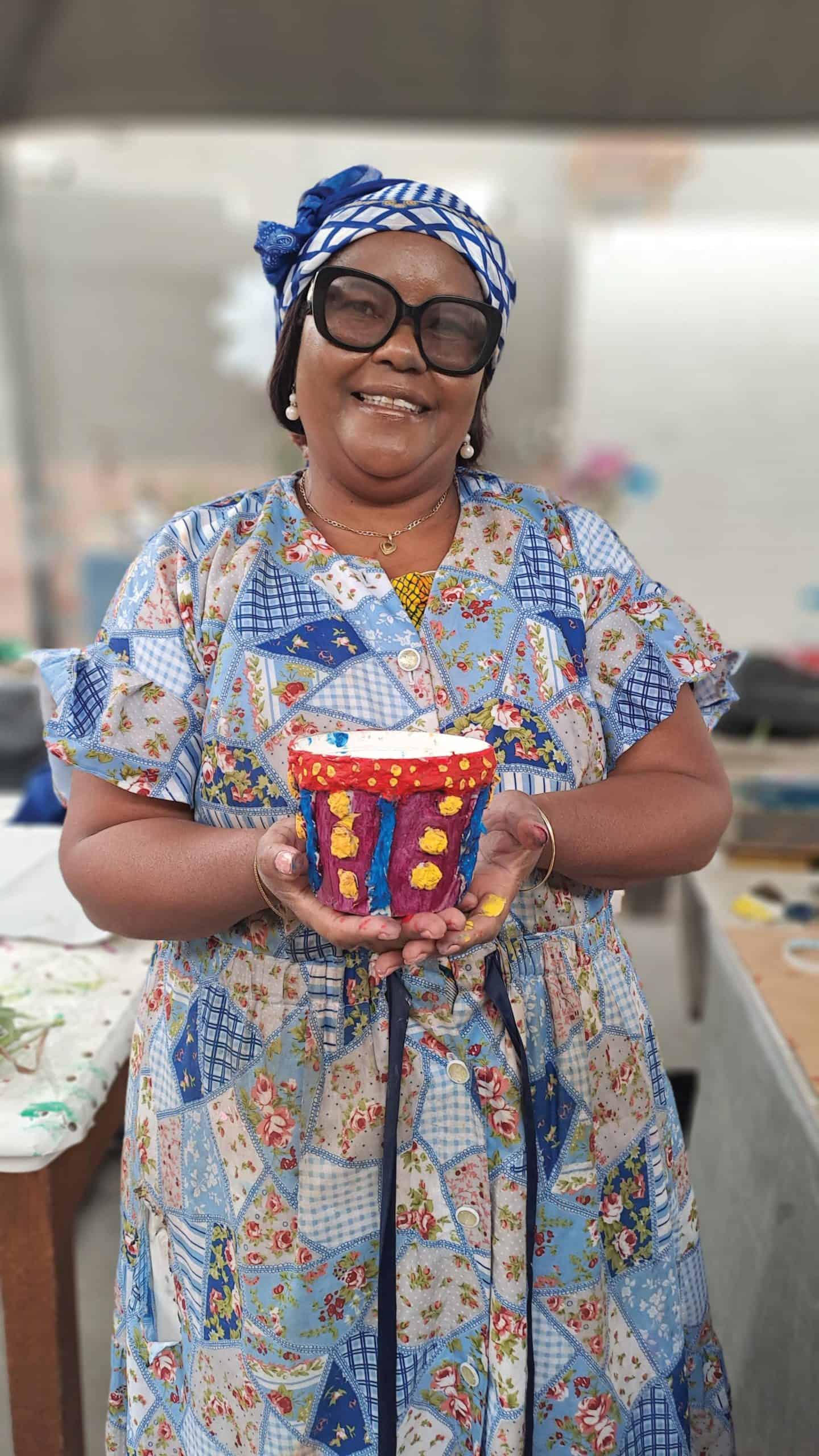
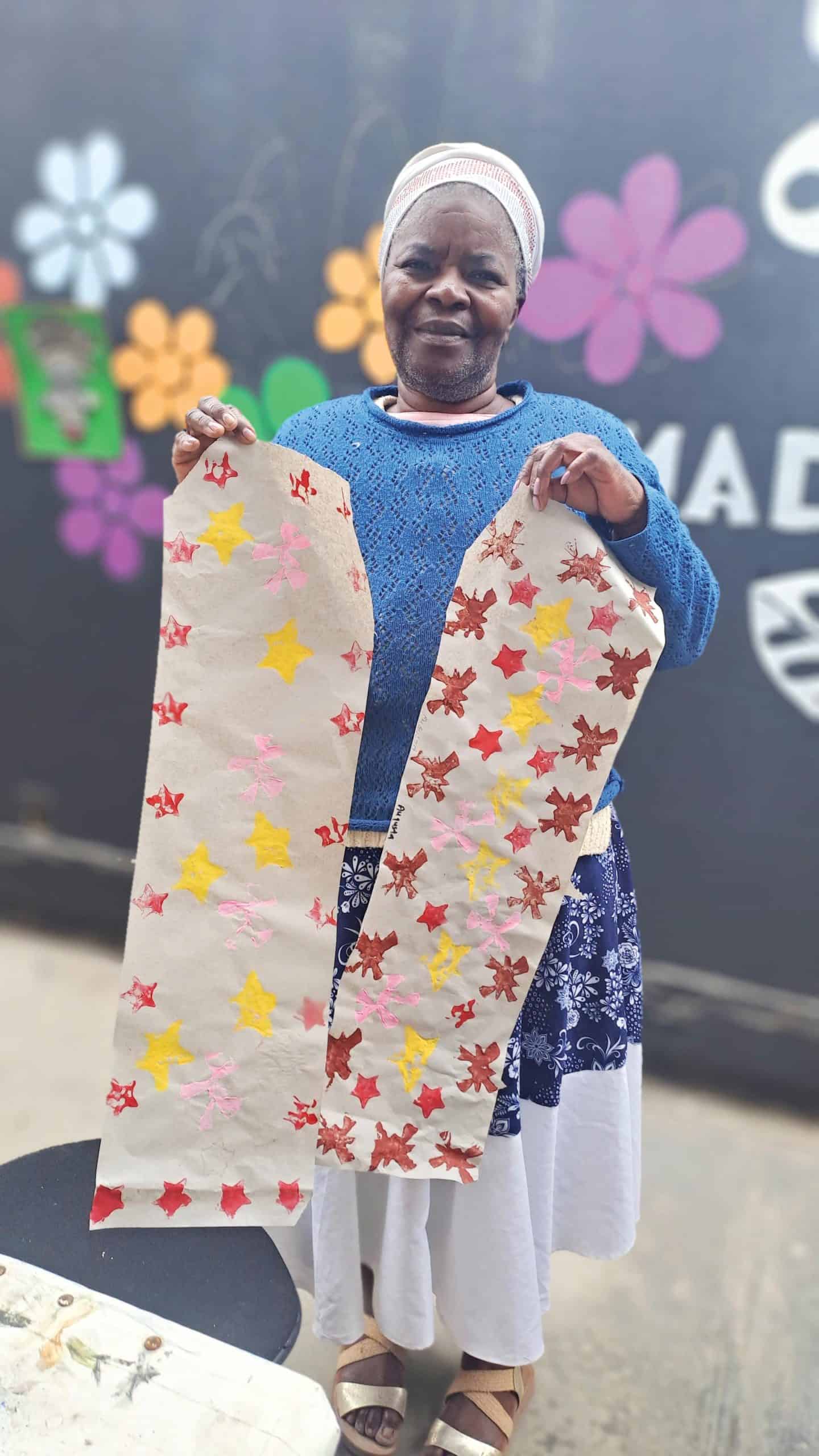
Many of the women who attend are mothers and grandmothers, carrying the relentless pressures and responsibilities of everyday life. For them, the workshops offer more than an opportunity to acquire a new skill. They offer a few hours away from the demands of home and work, a chance to connect with other women and the quiet satisfaction of creating something with their hands.
“Being a nomad is not only about the road you travel, but about the people you find along the way — the ones willing to walk beside you.”
“For many of them, it’s me time,” says Karin.
There is also a therapeutic quality to the process. Children can spend three hours engaged in creative activities, while adults are given space to slow down, talk, experiment and simply enjoy being present. The practical skills and potential income-generating opportunities are important, but Karin believes the emotional wellbeing that comes from creating together is just as significant.
NOMAD’s environmental ethos is woven into the project, too. Recyclable and discarded materials are deliberately incorporated into the workshops and finished products, both to reduce waste and to help keep the initiative as self-sustaining as possible. It is a practical approach that reflects the project’s broader social and environmental message: finding value in what is overlooked, whether that is a discarded piece of cardboard or a person whose story might otherwise go unheard.
Even the name NOMAD carries a deeper meaning.
“We are all nomads, in some way,” Karin reflects. It is an idea that extends beyond physical travel. People move through life searching for security, meaning, identity, connection and a sense of home. Around the tables at NOMAD, that search is met with the simple act of making something together.
“Being a nomad is not only about the road you travel, but about the people you find along the way — the ones willing to walk beside you.” For Karin, this is the heart of the project: creating traces of home and belonging, wherever people happen to find themselves.
NOMAD continues through donations, partnerships and sponsorships, with support from a growing network of local businesses; including Southern Namibia Hake Fishing Industries, WB Hardware, OBECO, Waterkant Construction Company, Michiel Coetzee Architect, Paratus, Timeware and Emssence.
And while the little shed at the back of Swakop Flora Nursery may look unassuming from the outside, step inside and the evidence of what is happening there is everywhere: colourful fabrics, pieces splattered with playful swathes of paint, ceramics, recycled materials and, most importantly, people making, learning and connecting.
“The more hands that help carry it, the further we can go together,” says Karin.
From the November 2026 issue

How Namibia can make its world-class dark skies accessible to children through education, drawing lessons from Latin America and Southeast

In a world that demands more, discover how to protect your identity, reconnect with yourself and grow without losing who

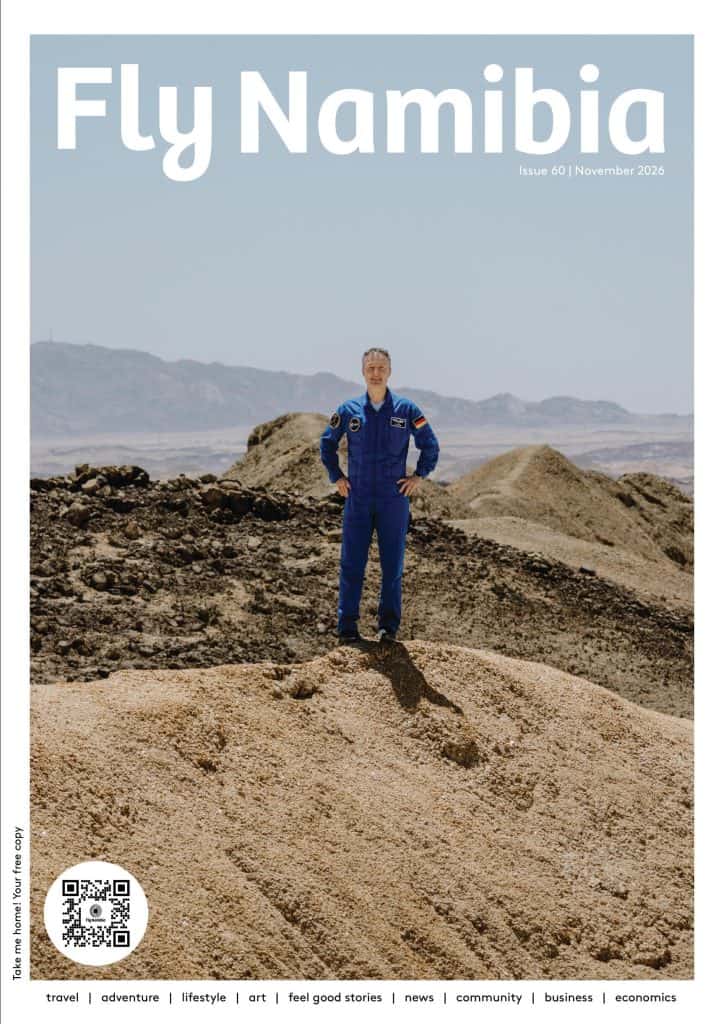
Namibia marks World Space Week 2026 with ESA astronaut Dr Matthias Maurer, spotlighting STEM education, satellite data and the country’s

Agnes Shivute’s Native Leaves introduces Namibian children to indigenous plants through interactive booklets, planting seeds of conservation education and cultural