How Namibia can make astronomy accessible
How Namibia can make its world-class dark skies accessible to children through education, drawing lessons from Latin America and Southeast
Namibia joined the global celebration of World Space Week under the theme “Rocket Revolution”, highlighting the role of space science and technology in innovation and sustainable development.
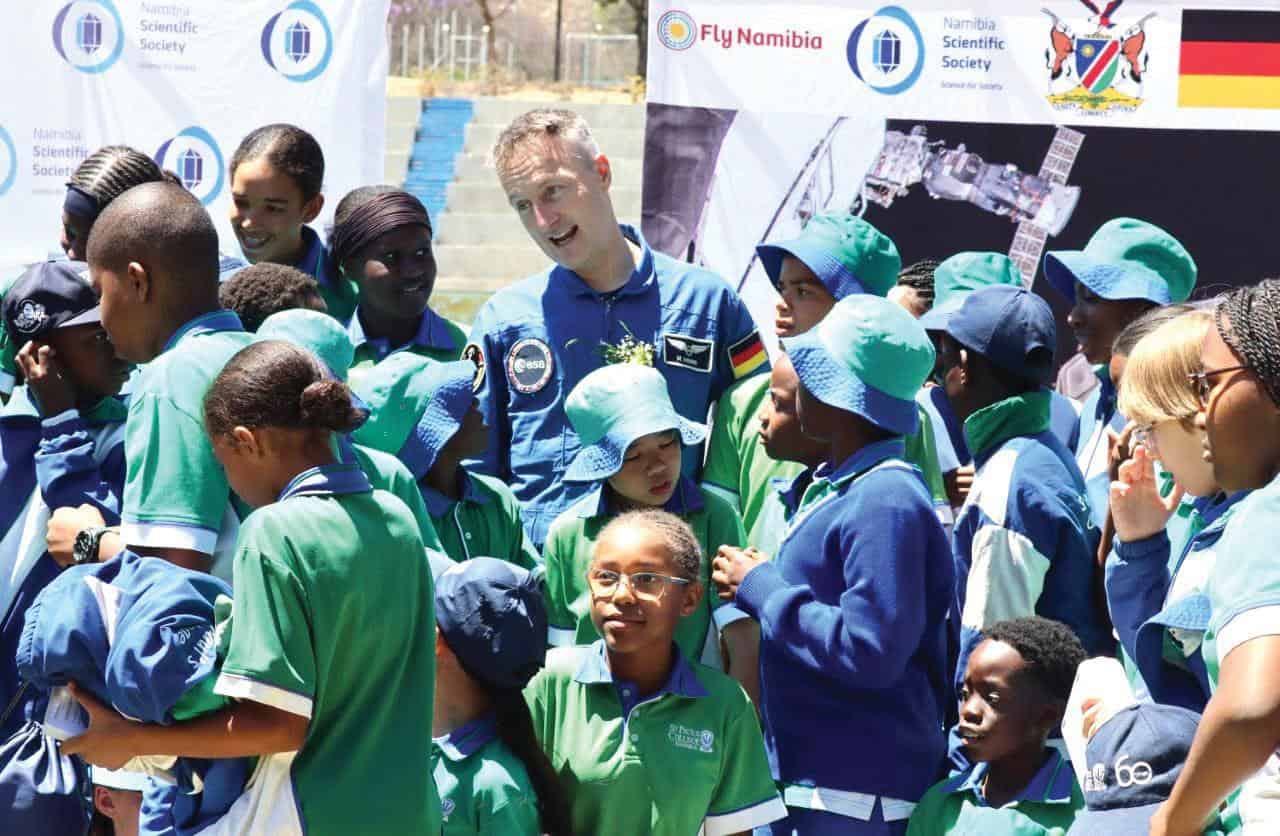
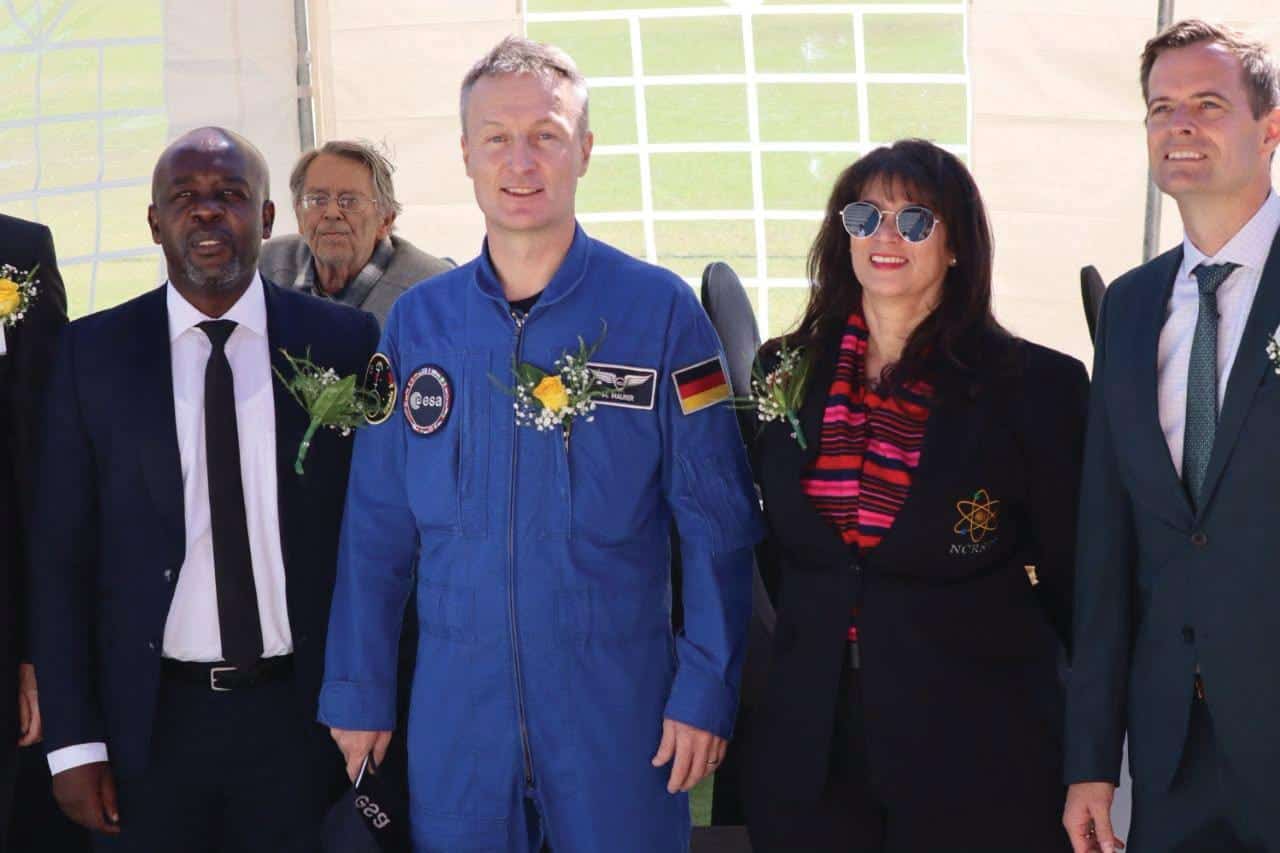
The National Commission on Research, Science and Technology (NCRST), in collaboration with the Ministry of Education, Innovation, Youth, Sports, Arts and Culture (MEIYSAC) and its partners, officially opened the celebrations at the Windhoek High School (WHS) stadium. Speaking at the opening ceremony on behalf of MEIYSAC Minister Sanet Steenkamp, Deputy Executive Director (ED) Dr Lisho Mundia said that space technology presents opportunities for national development, particularly for young people.
Dr Mundia said that Namibia adopted its first Space Science and Technology Policy in 2021 to harness space resources for socio-economic growth. He noted that the Cabinet directed the Ministry in 2025 to develop a Space Science and Technology Bill to establish a legal and institutional framework for regulating and promoting activities in the sector. The proposed legislation is expected to support research, innovation, investment, skills development and employment creation.
The deputy ED also highlighted the commissioning of Namibia’s satellite ground data receiving station, established through collaboration with China. The facility will strengthen the country’s ability to receive and process satellite data for government planning and decision-making, while creating opportunities for graduates to gain practical experience.
He said that Namibia’s clear skies, low levels of light pollution and favourable atmospheric conditions also give the country a strategic advantage in astronomy and related research. Mundia encouraged learners to pursue careers in science, technology, engineering and mathematics (STEM), highlighting opportunities at the University of Namibia (UNAM) and the Namibia University of Science and Technology (NUST) in fields including astrophysics, geoinformation, earth observation and engineering.
“You are the wheels and the engine of our country’s future development. I therefore encourage you to take your education seriously, remain curious, think creatively, embrace innovation and prepare yourselves for the opportunities of the future,” said Dr Mundia.
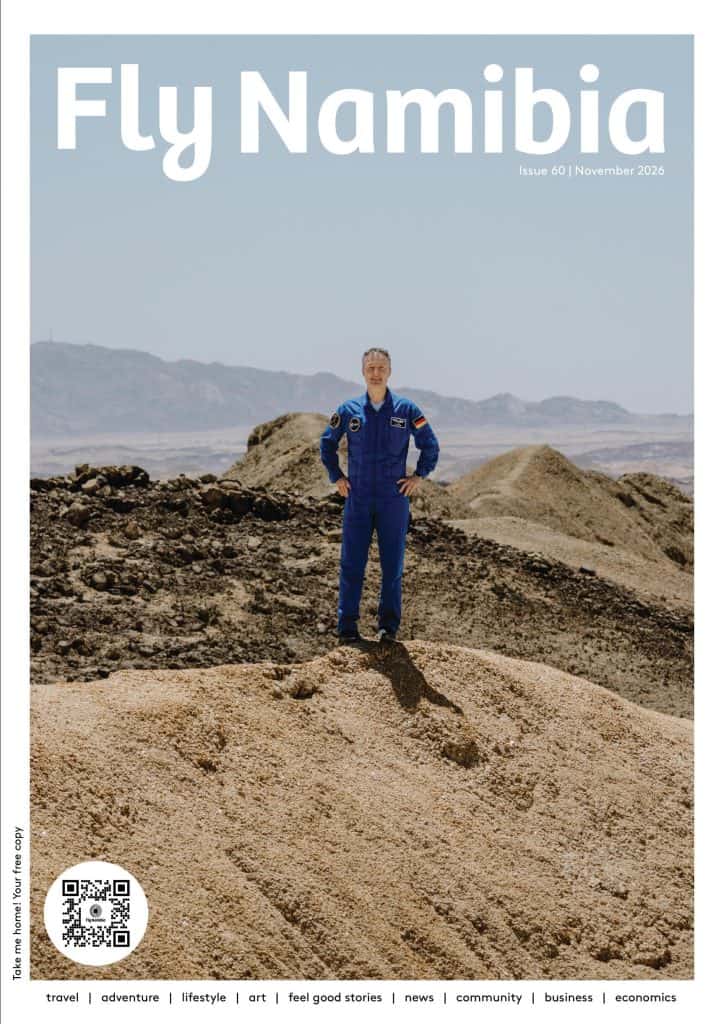
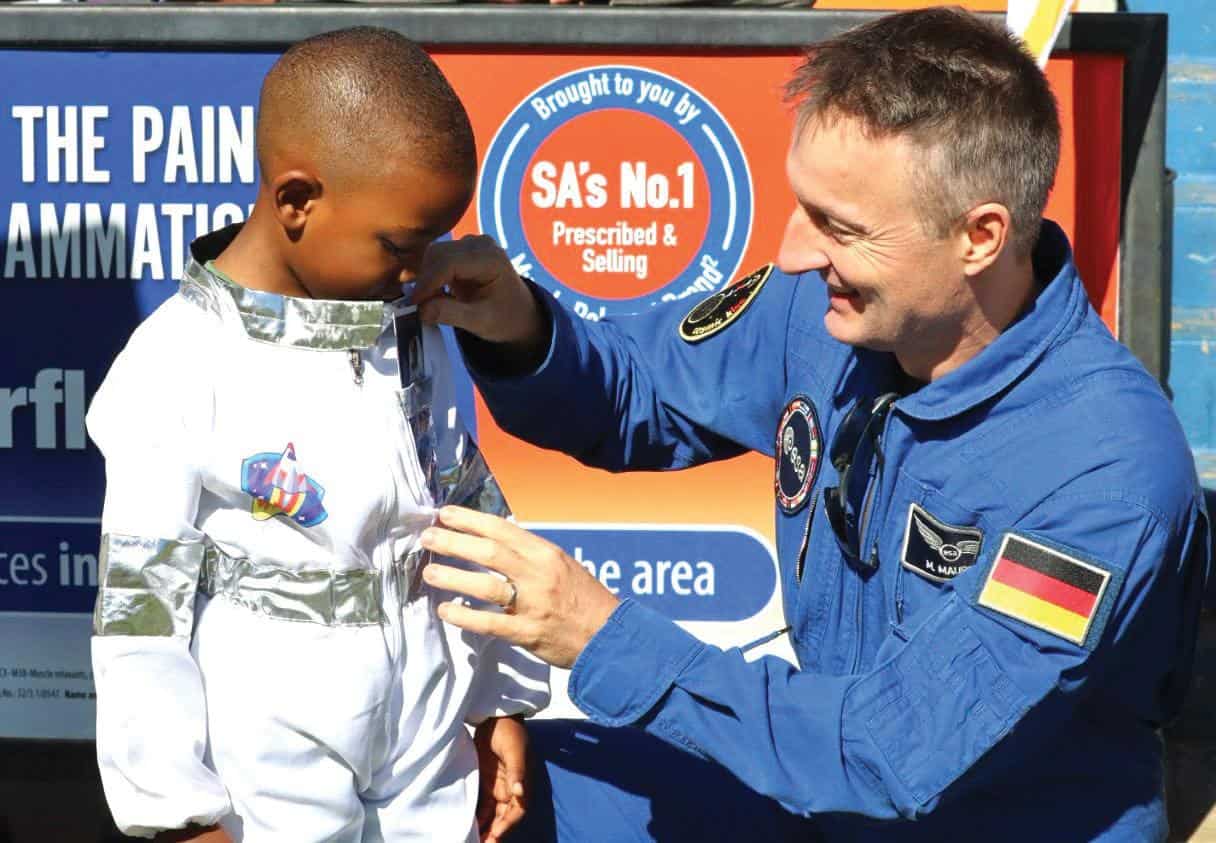
A key highlight of this year’s celebrations was the visit of European Space Agency (ESA) astronaut Dr Matthias Maurer, who engaged with learners and the public throughout the week to promote science, technology, engineering and mathematics education.
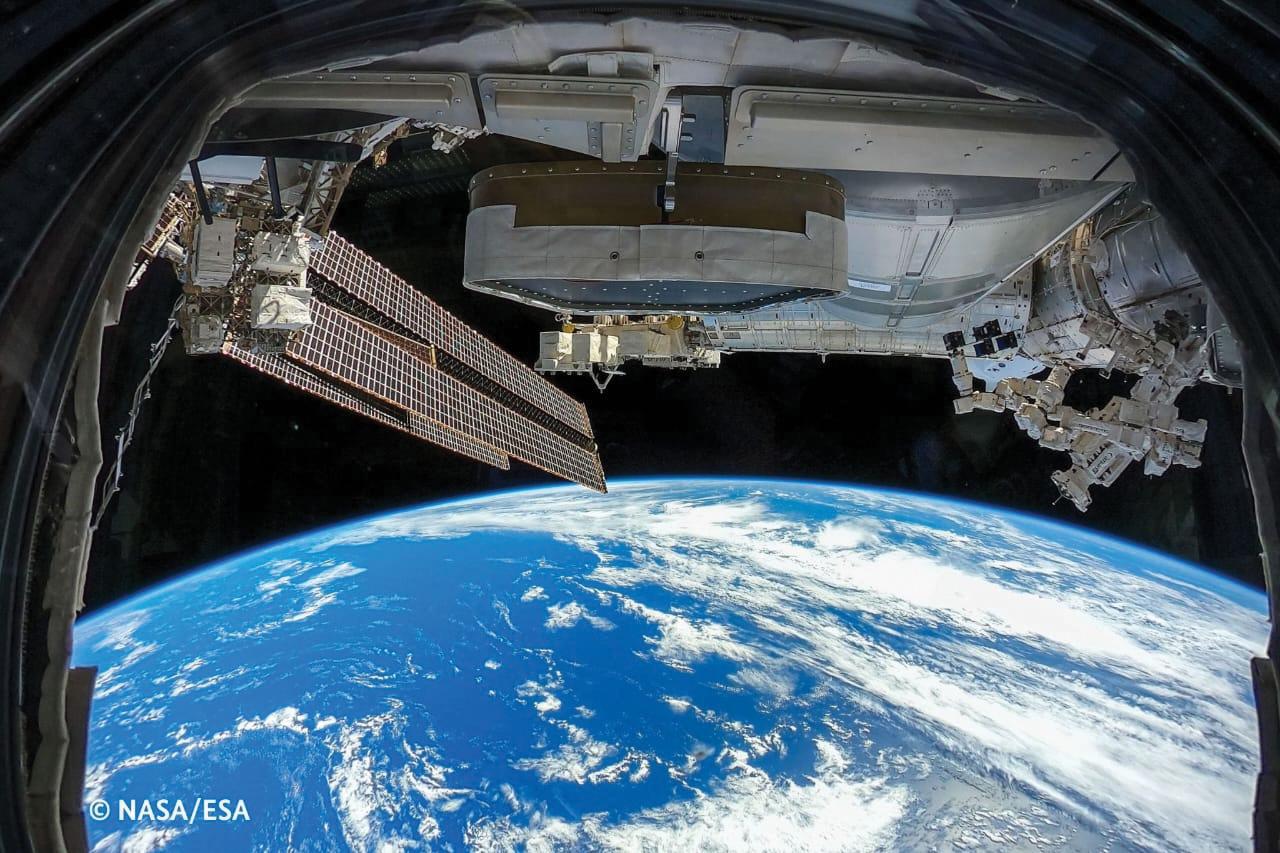
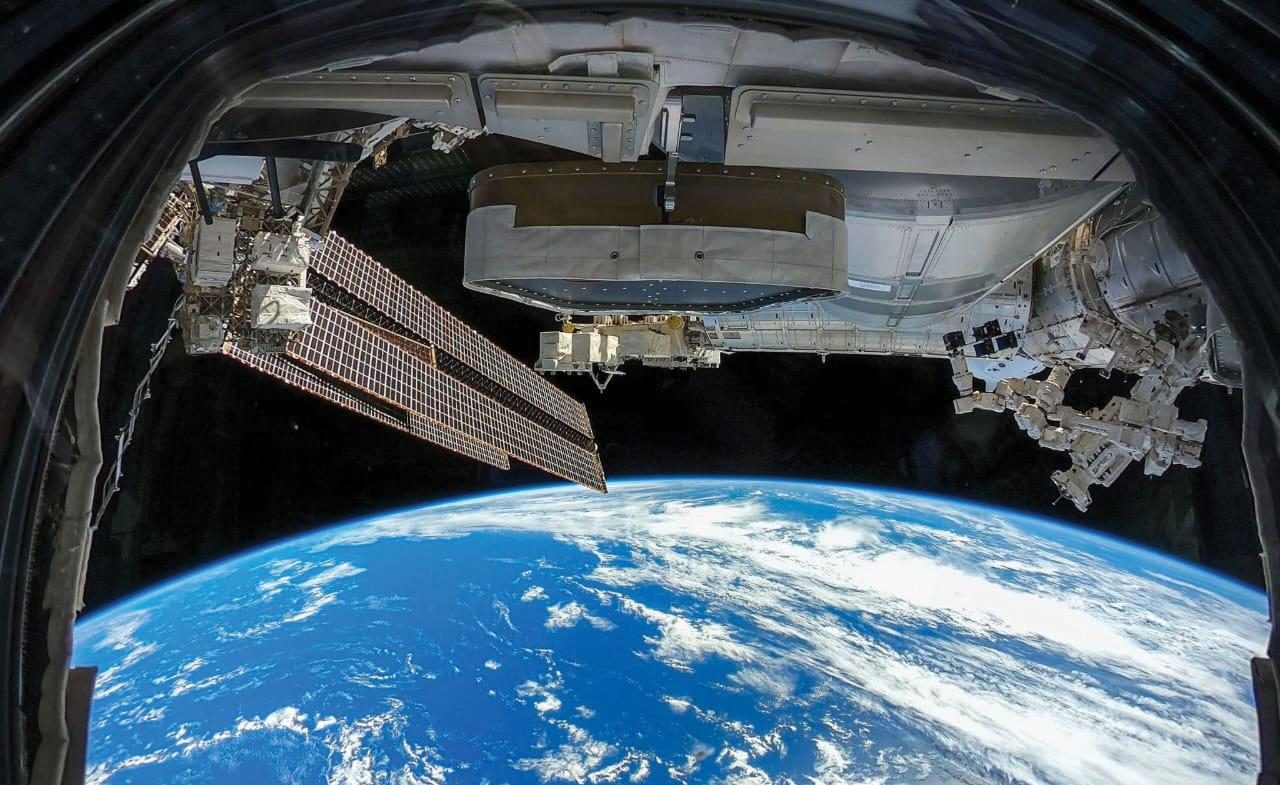
Hailing from Germany, Dr Maurer spent 177 days aboard the International Space Station in 2021 and 2022. He is currently preparing for the NASA Artemis mission to the Moon, scheduled for 2028. His visit to Namibia also included visits to Namibia’s scientific and astronomical research sites, including the Gobabeb Desert Research Station, the High Energy Stereoscopic System (H.E.S.S.) observatory, the Africa Millimetre Telescope (AMT) under construction and the International Amateur Observatory in the Gamsberg area.
The visit further aimed to strengthen scientific links between Namibia and Europe, raise awareness of the peaceful and sustainable use of outer space, and highlight opportunities for research, technological advancement and economic development.
Dr Maurer says Namibia could benefit from international cooperation in satellite operations, ground stations, student research and the use of freely available earth observation data. He identified opportunities for the country to work with the ESA and other international scientific institutions, including the use of satellite data provided by European Earth observation satellites to develop solutions for local challenges and create business opportunities.
Maurer distinguished between the upstream and downstream space economies, explaining that while the upstream sector involves building and launching rockets and satellites, the downstream economy focuses on analysing space data and developing services from it. According to him, the downstream sector offers significant opportunities for Namibia, particularly for students, entrepreneurs and start-ups. Maurer encouraged young Namibians to combine freely available European satellite data with artificial intelligence (AI) to develop services that could benefit farmers, government institutions and local businesses.
He added that such innovations could turn space data into commercially viable services while addressing Namibia’s development needs. On the sustainable use of outer space, Maurer highlighted the growing number of satellites and the need for stronger international cooperation as more countries and private companies expand their activities in space.
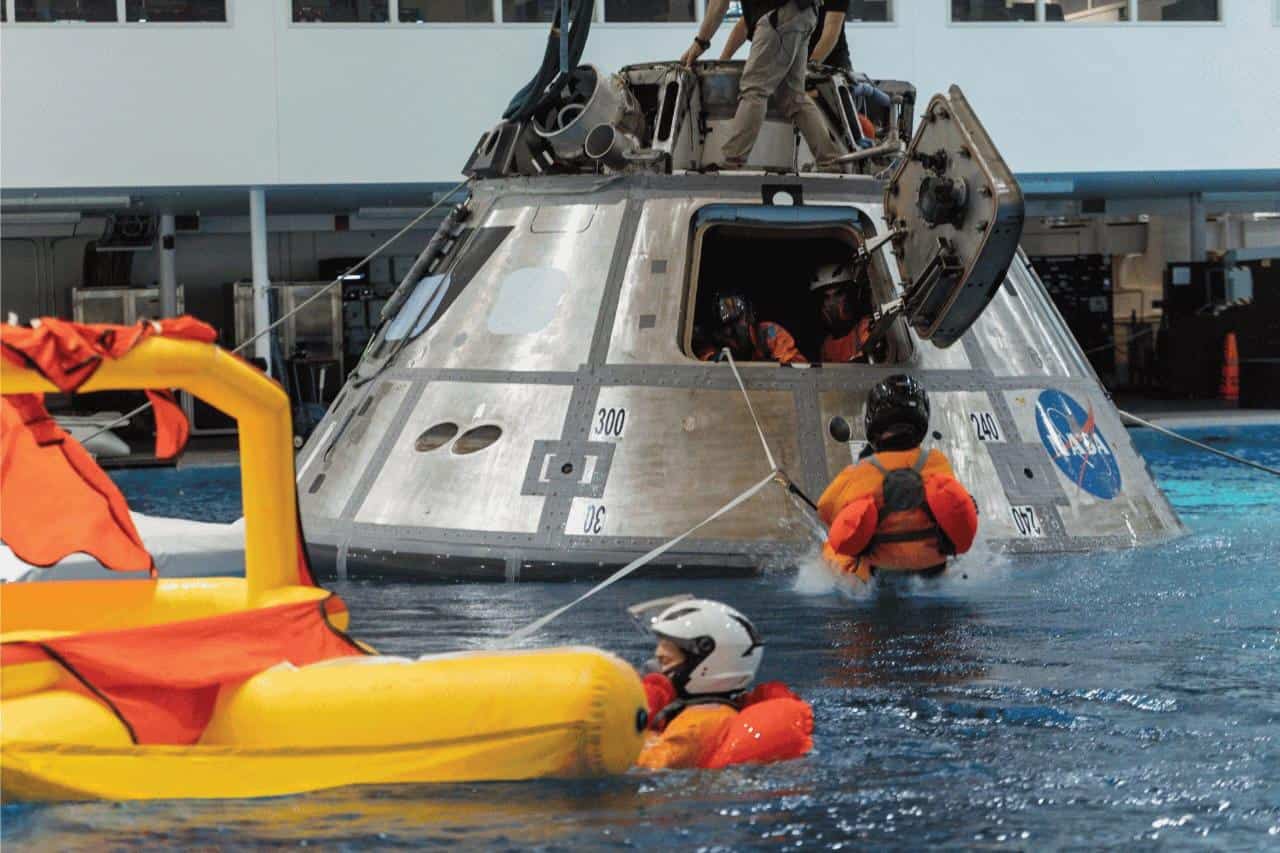
Pointing to the 1967 United Nations Outer Space Treaty, Maurer said that Namibia could consider joining the agreement to strengthen its participation in international space cooperation and its ability to benefit from space activities. He also spoke about the preparations for NASA’s Artemis programme and a possible future mission to the Moon. He clarified, however, that he has not yet been assigned to a lunar flight and that no launch date has been confirmed.
He explained that preparing for a Moon mission differs from training for a mission to the International Space Station, where astronauts conduct research in microgravity. A lunar mission requires additional geological field training because of the Moon’s surface, rocks and dust. Astronauts also undergo helicopter training to prepare for the visual challenges associated with landing in dusty conditions. Maurer said that he is among a small group of astronauts training for the possibility of a future lunar mission.
Meanwhile, Dr Mundia said that Namibia could eventually send its own people into space, provided the country continues investing in infrastructure, education, technical skills and human capacity.
From the November 2026 issue

How Namibia can make its world-class dark skies accessible to children through education, drawing lessons from Latin America and Southeast

Discover NOMAD Community Arts Project in Swakopmund, where Karin Retief brings women together through free recycled-art workshops that build skills,

In a world that demands more, discover how to protect your identity, reconnect with yourself and grow without losing who

Agnes Shivute’s Native Leaves introduces Namibian children to indigenous plants through interactive booklets, planting seeds of conservation education and cultural