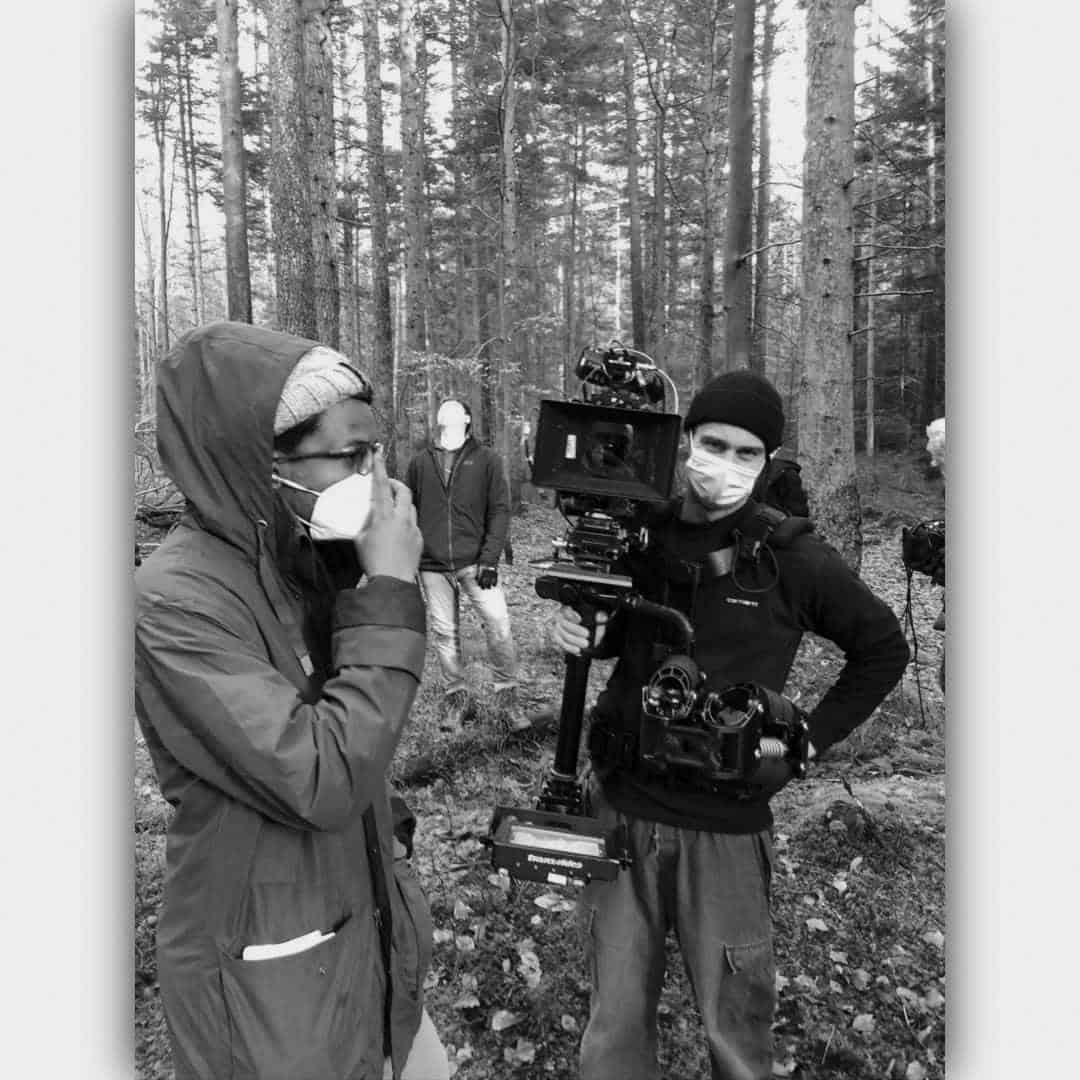
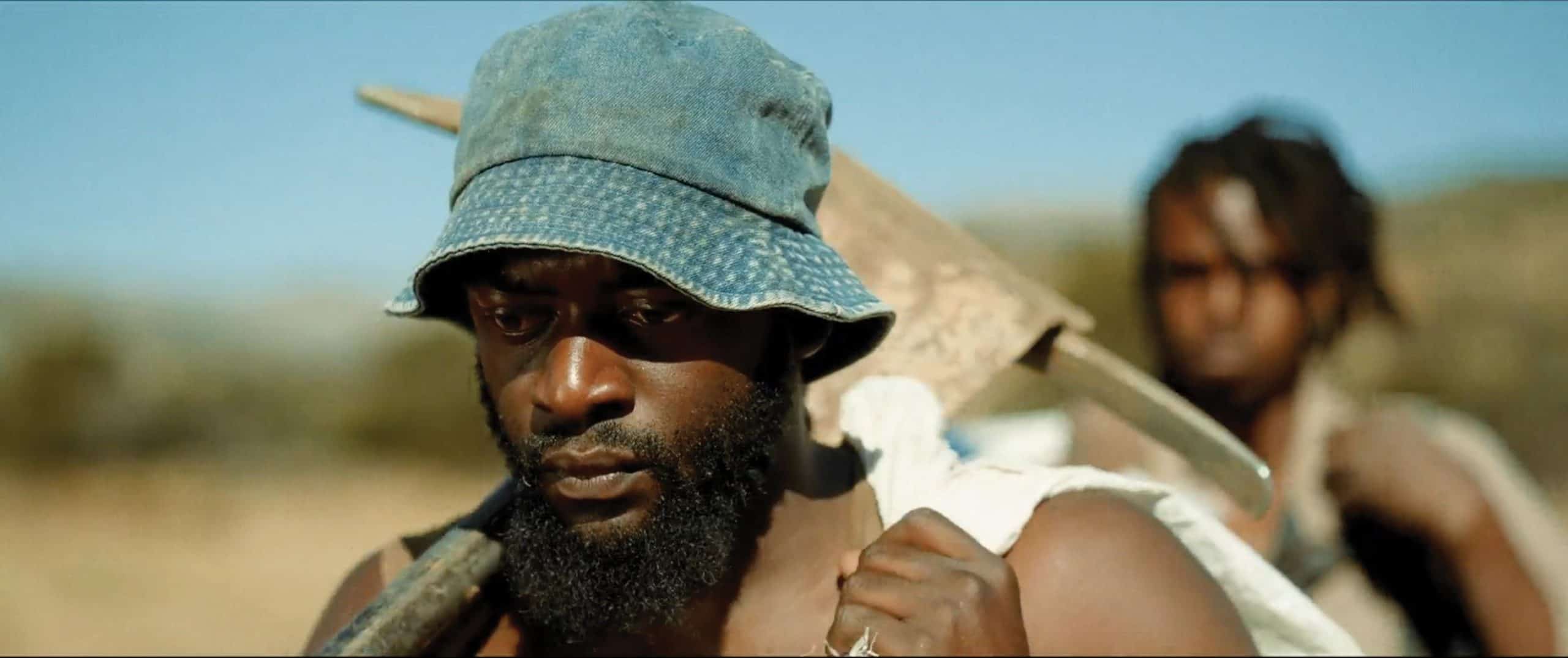
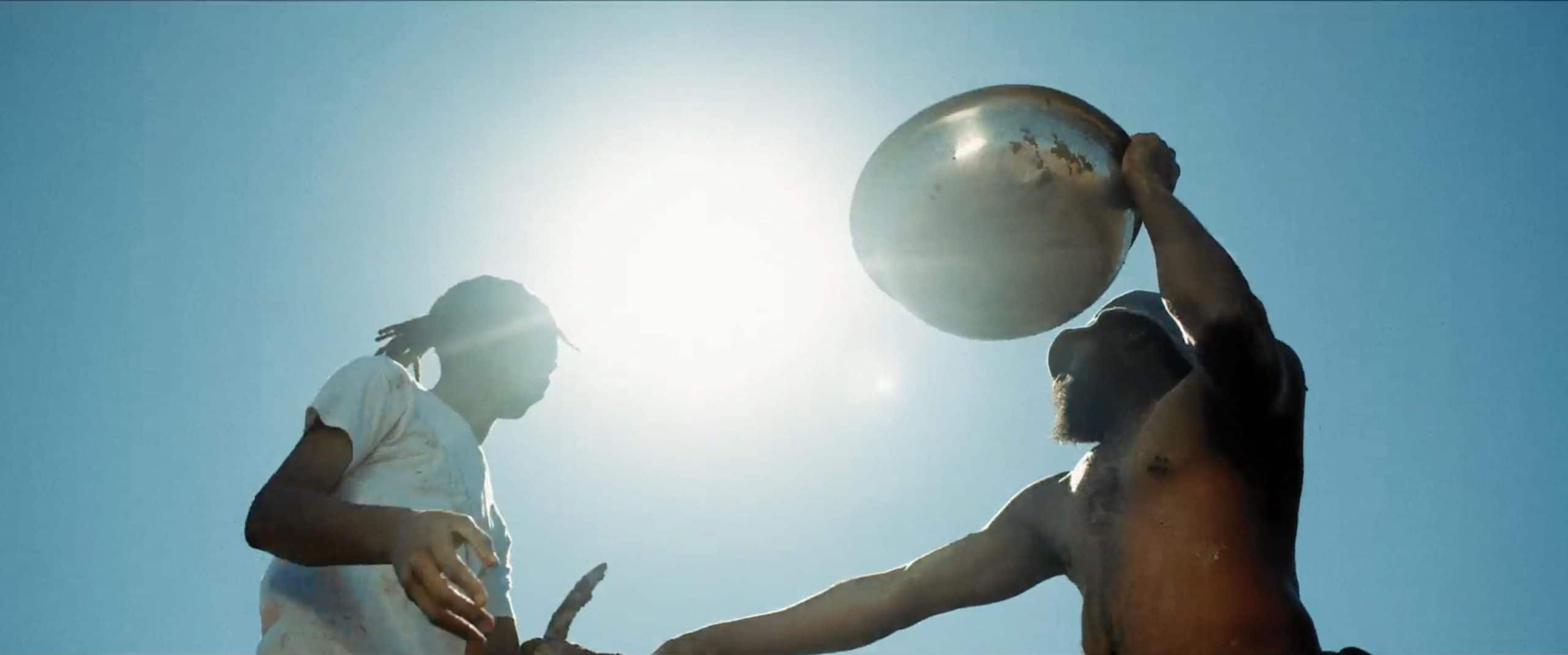
A new generation of up-and-coming filmmakers is beginning to reshape how local stories are being told on screen, and amongst them is Laudika yaNdangii Hamutenya, the brains and filmmaker behind Emanya, a film that has been making significant waves for its raw portrayal of human survival, desperation and betrayal.
Grounded in the realities of Namibia, Emanya offers a haunting look into the lives of illegal gold miners – men who risk their lives daily in pursuit of survival. Beyond its tense and emotional narrative lies a filmmaker whose own upbringing deeply shaped the stories he chooses to tell.
Growing up in northern Namibia in two low-income households, Hamutenya was constantly surrounded by the realities of poverty and inequality. Although his family was not extremely poor, he witnessed how difficult circumstances often forced people into difficult and impossible choices.
“Poverty was always present around us,” he explains. “I witnessed how it can create desperation amongst marginalised communities.”
His childhood was also marked by constant movement, rarely staying in one place for more than a year. This exposed him to different communities and different perspectives of life from an early age. More of an observer than a participant, he quietly studied the people around him. These childhood experiences would later become the emotional foundation of his filmmaking.
The hidden, the unspoken and stories that feel honest and specific are what Hamutenya considers truly Namibian. “As a filmmaker, I find myself drawn to stories of the marginalised,” he says.
Long before film entered his life, storytelling already had a firm grip on his imagination. As a child, he spent much of his time daydreaming, inventing fantasies and imaginary worlds. He first expressed these stories through handdrawn comic books. Then followed illustrated novels and eventually long, hand-written stories.
But it was at the ripe age of 16 that everything changed. His passion for cinema was ignited by the film Pulp Fiction by Quentin Tarantino. “I remember being mesmerised by the dialogue and how engaged I was by it,” he recalls. “Then I saw the words ‘Screenplay by Quentin Tarantino’ in the credits and I wanted to know what ‘screenplay’ meant.”
That curiosity led him into researching filmmaking and screenwriting and eventually inspiring him to pursue film professionally. Three years later, he enrolled at AFDA in Cape Town, where he completed a bachelor’s degree in film writing and directing.
His latest project, Emanya, was inspired by extensive research into the environmental and social impact of mining in Namibia, particularly within the world of illegal artisanal mining. Through that research, he became deeply moved by the harsh realities that miners face every day.
Rather than just focusing on dramatic action, Emanya explores the emotional and the psychological burden carried by the people trapped in circumstance. The film examines how desperation can slowly shape morality, blurring the line between right and wrong, while also exploring silence, tension and the things left unsaid between people.