From Paddies to Prosperity

How rice is rewriting livelihoods

At the heart of Debmarine Namibia’s social investment framework lies a commitment to livelihood support. This vision came to life in 2022 at the University of Namibia (UNAM) Ogongo Campus, where Debmarine Namibia invested more than N$750,000 in agricultural equipment and research to expand rice production from 4.1 to 8.65 hectares.

The results have been encouraging, with 6.7 hectares now under cultivation and rice yields projected to increase from 15 to 19 tonnes by 2026.

Origins of the rice project

The rice initiative began through a partnership with the Embassy of Japan and the Japan International Cooperation Agency (JICA), which provided training opportunities for Namibian students in Japan. Returning with valuable expertise in rice cultivation, these students helped establish UNAM’s wetland agriculture programme.

Since then, UNAM Ogongo Campus has trained aspiring rice farmers from the Omusati, Oshana, Oshikoto and Ohangwena regions, equipping communities with practical skills to improve food security and create income-generating opportunities.

Shipena Amunyela’s story

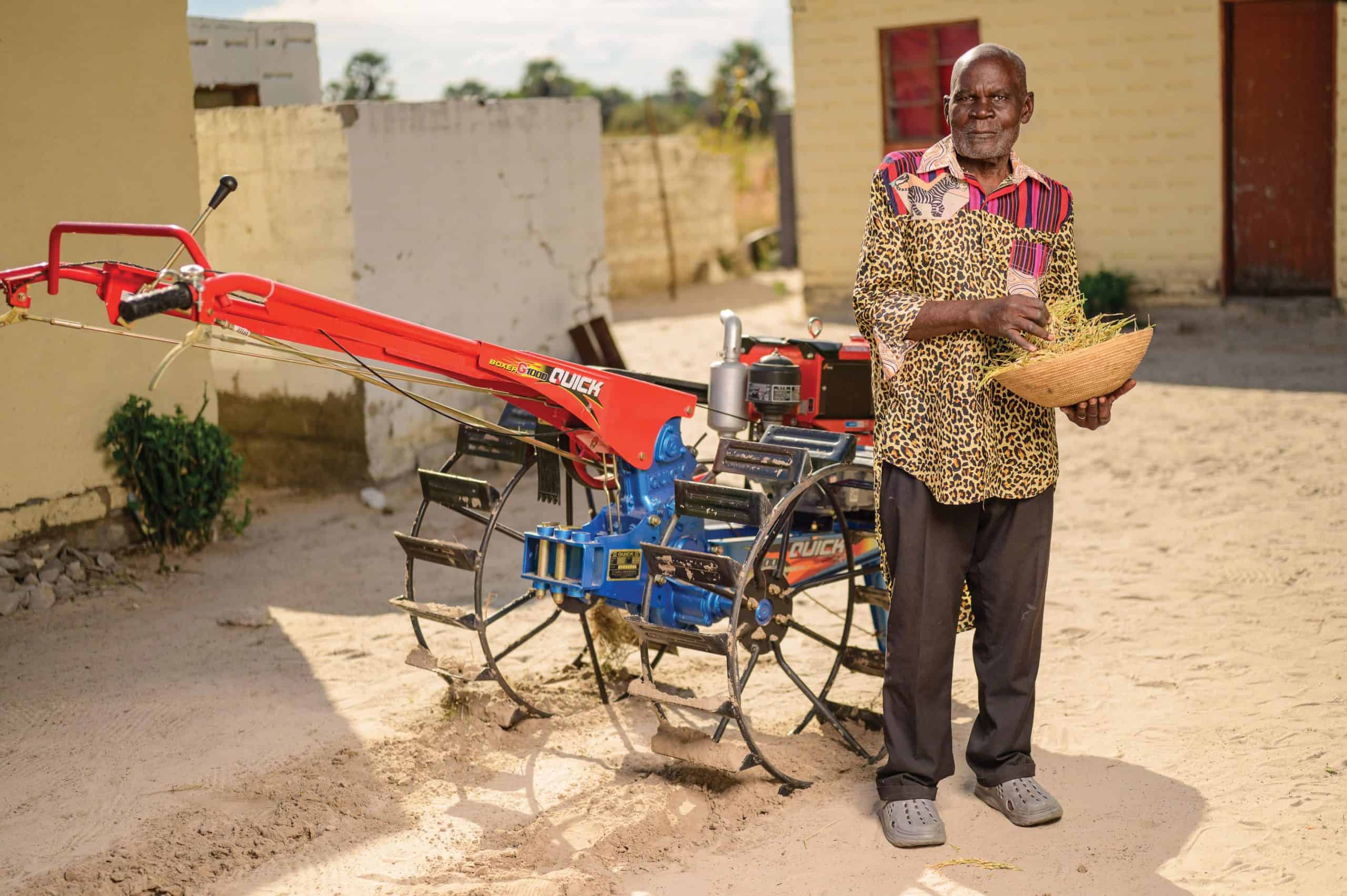
One of the most inspiring stories to emerge from this initiative is that of 78-year-old pensioner Shipena Amunyela from Elombe Village in the Oshikoto Region.

Shipena’s passion for farming began at age 18 while working on a cotton farm in Angola’s Namibe Province. After returning to Namibia, he spent 37 years working at a mine near Swakopmund, but his love for agriculture never faded. Even in Arandis, where conditions are challenging, he successfully cultivated vegetables by transforming barren ground into productive gardens.

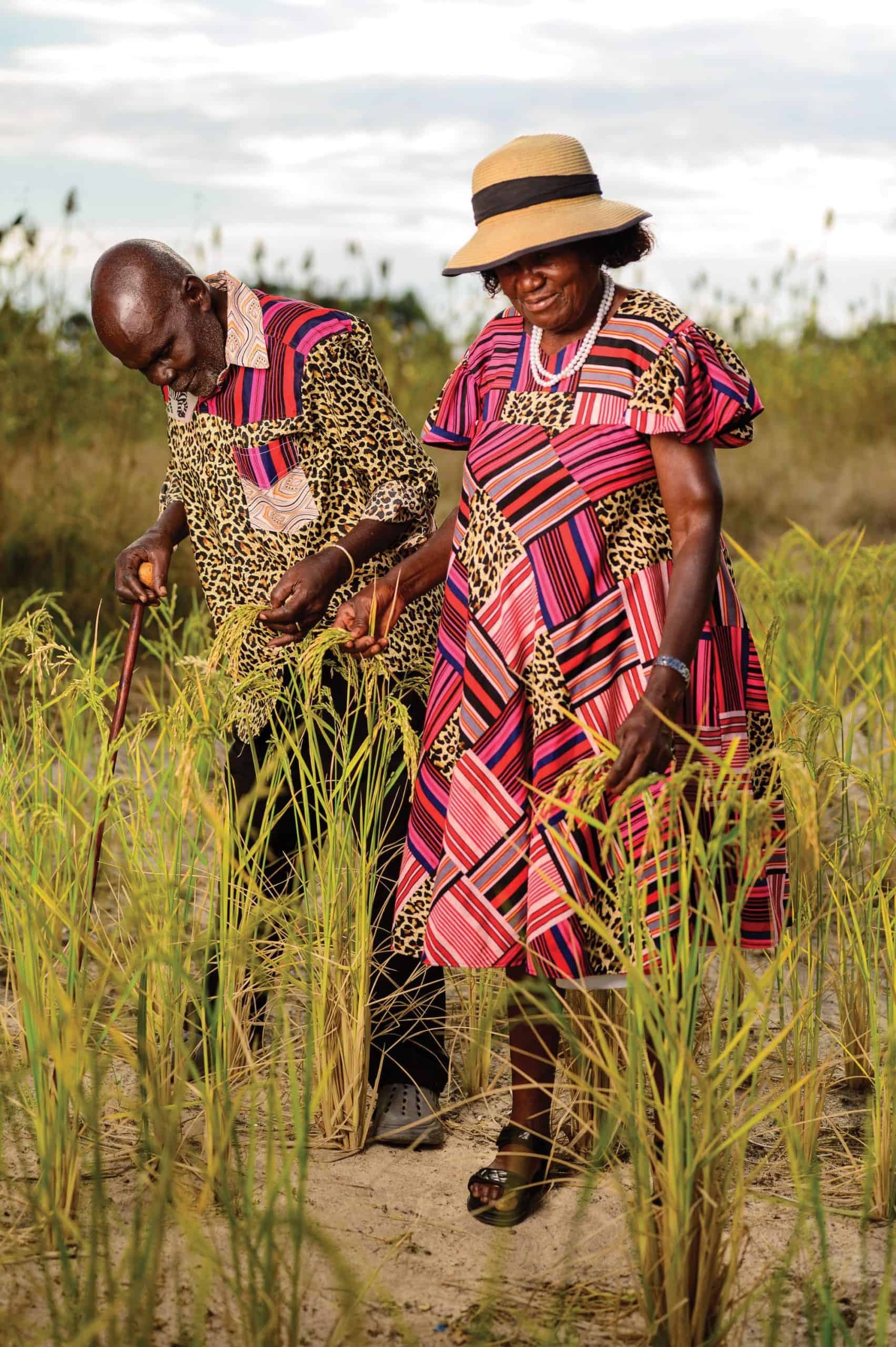
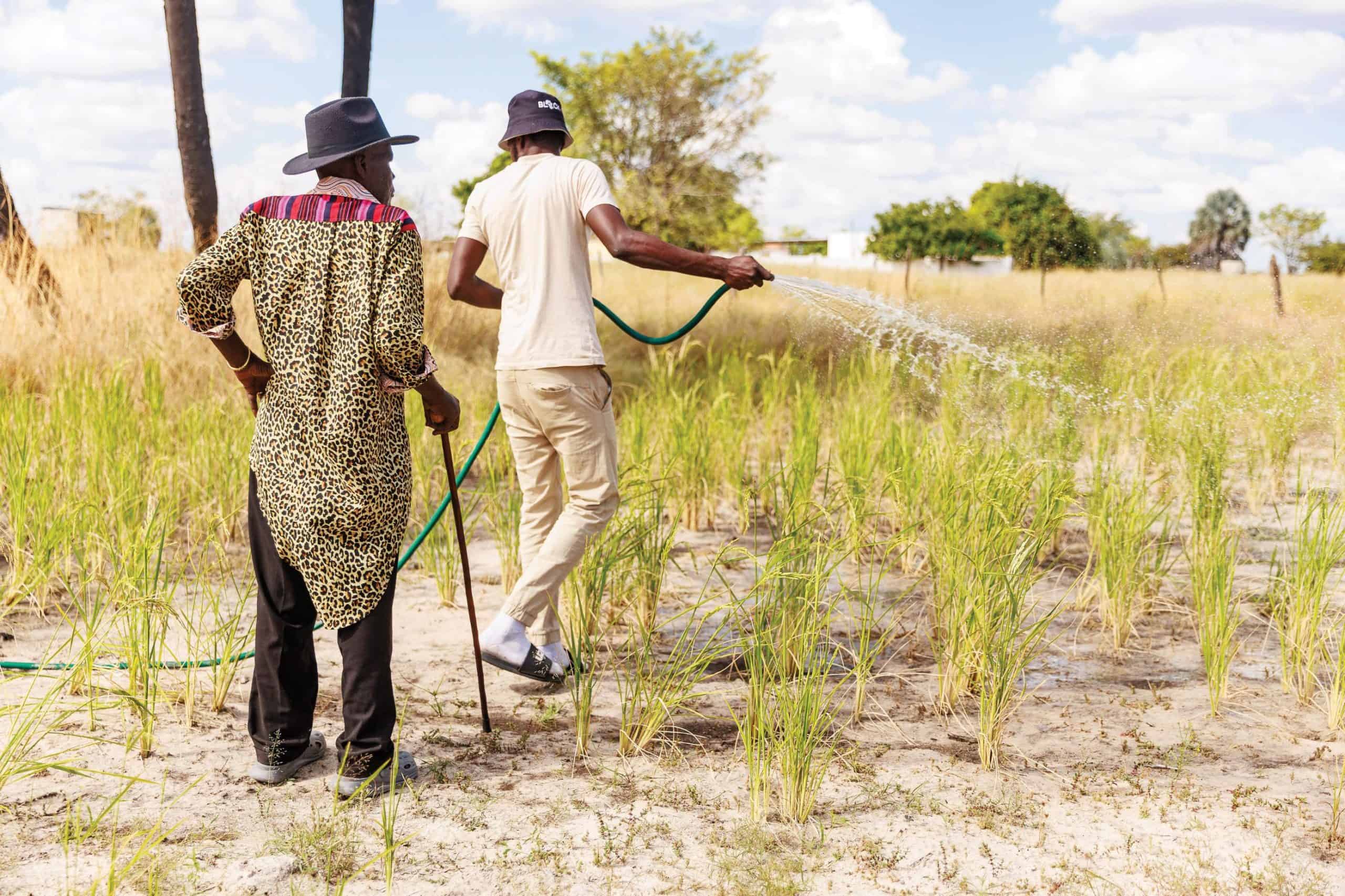
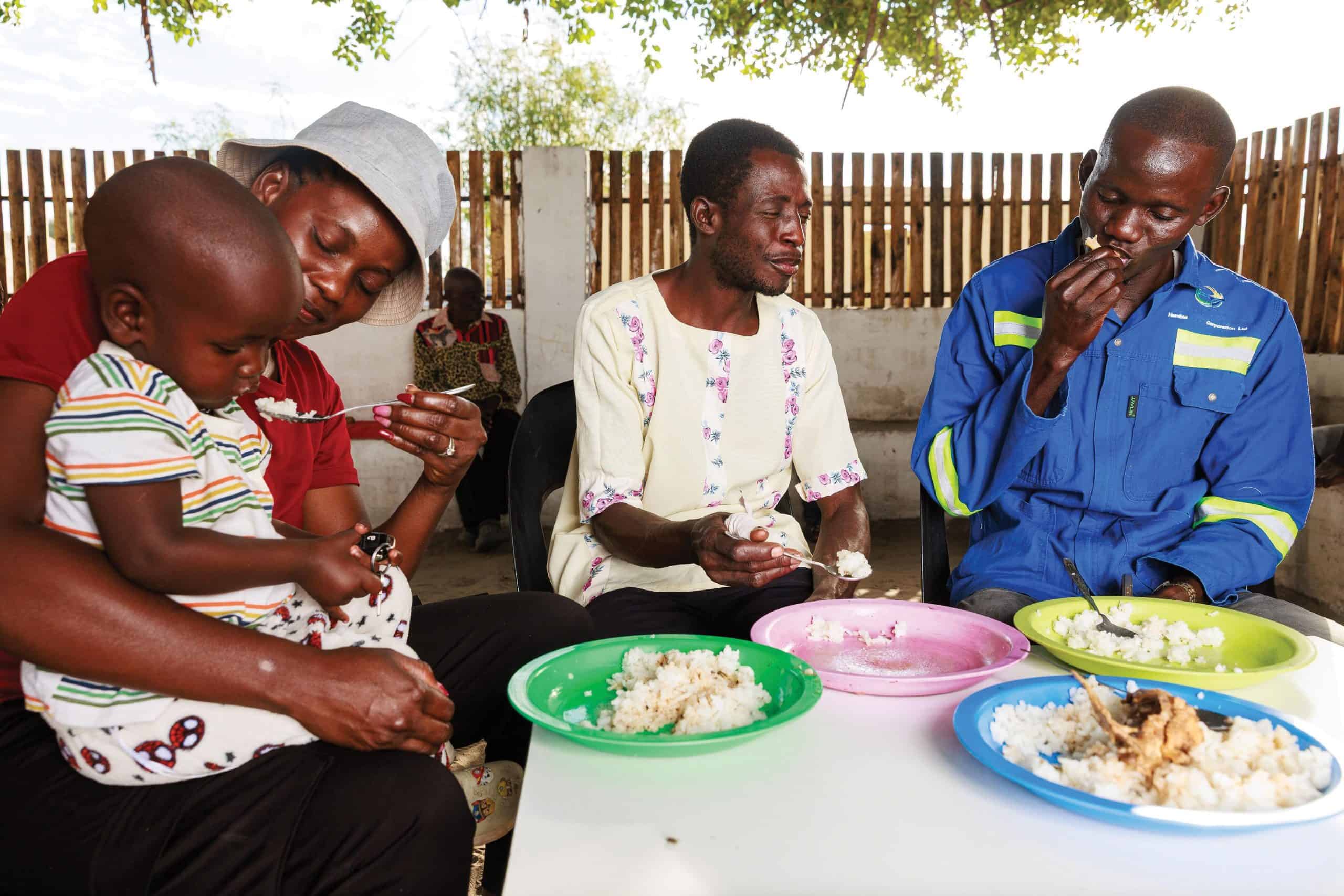
After retiring 16 years ago, Shipena dedicated himself fully to farming and eventually turned to rice production. Recognising his efforts, UNAM provided him with a rice farming manual translated into his language. By applying its lessons, he established a thriving two-hectare rice paddy that now provides both food and income.

His success inspired neighbours Festus Awene and Vaino Namushinga to start growing rice and he has since become a mentor to other aspiring farmers in the community.

Debmarine Namibia later sponsored a water pump and rice harvester for Shipena. In keeping with his communityminded approach, he shares the equipment with fellow farmers. “Festus and Namushinga are young and they are the future of rice farming in these villages,” he says. “Together, we can go further.”

Broader impact

The partnership between Debmarine Namibia, UNAM and the Embassy of Japan has delivered benefits beyond rice production. At Ogongo Campus, more than 5,000 chicks are hatched annually through the poultry facility, supporting food security and local farmers. Communities are also adopting wetland farming techniques that diversify production and increase household incomes.

School learners participate in harvesting activities, exposing them to agriculture as a future career path, while support from government ministries, UN agencies and NGOs has strengthened efforts to advance national food security

Diamonds beyond the ocean

While Debmarine Namibia’s work begins beneath the Atlantic Ocean, its impact reaches communities across Namibia. Through investments in agriculture, education and resilient livelihoods, the company is helping to strengthen climate-smart farming and food resilience. The rice paddies of Ogongo stand as proof that partnerships, knowledge sharing and determination can transform lives and create lasting opportunity.

Share:

More Posts

24 Hours in Windhoek

Discover how to spend 24 hours in Windhoek with this curated guide featuring scenic hiking trails, local culture, traditional Namibian

Sign up for our newsletter