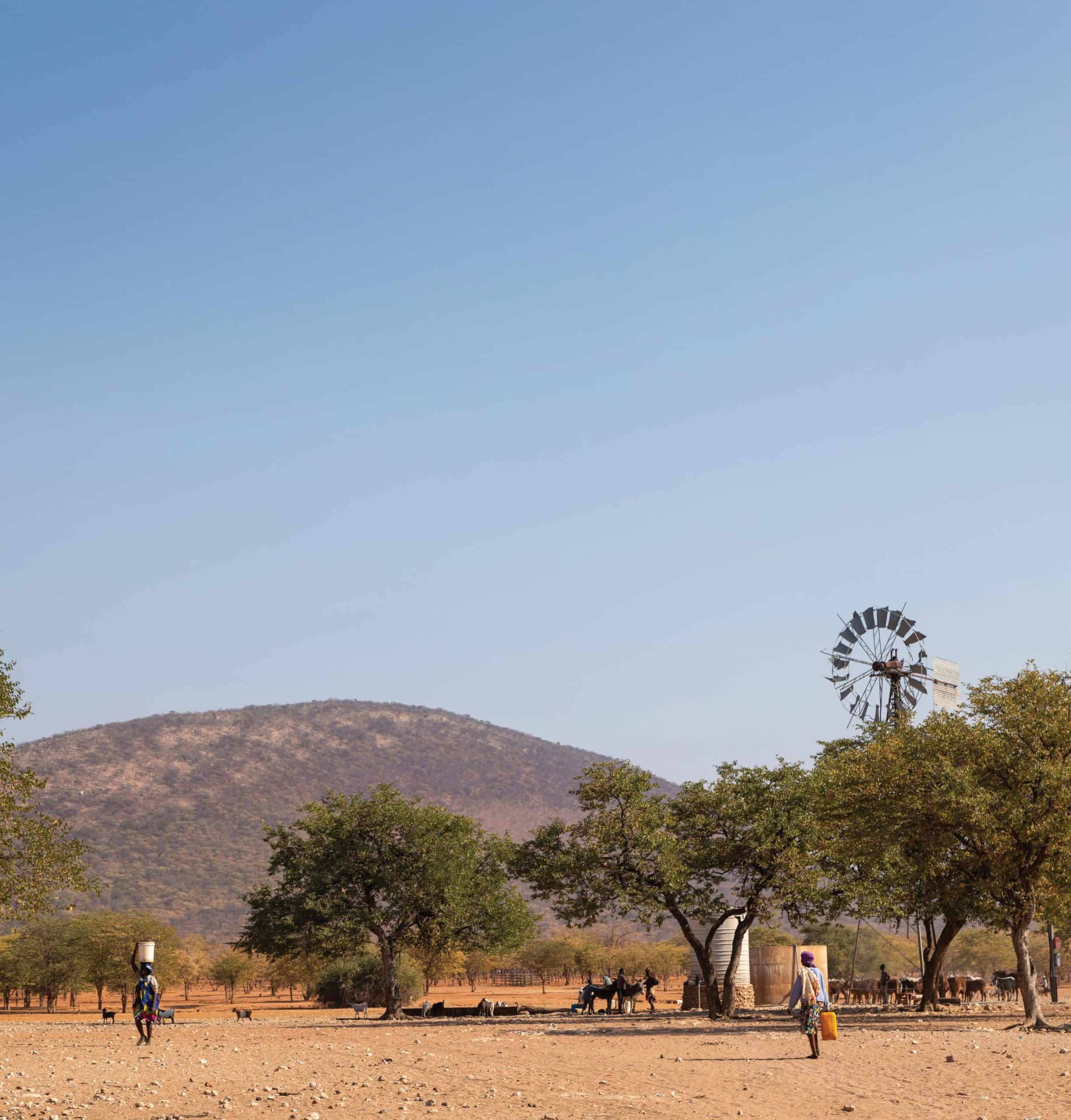
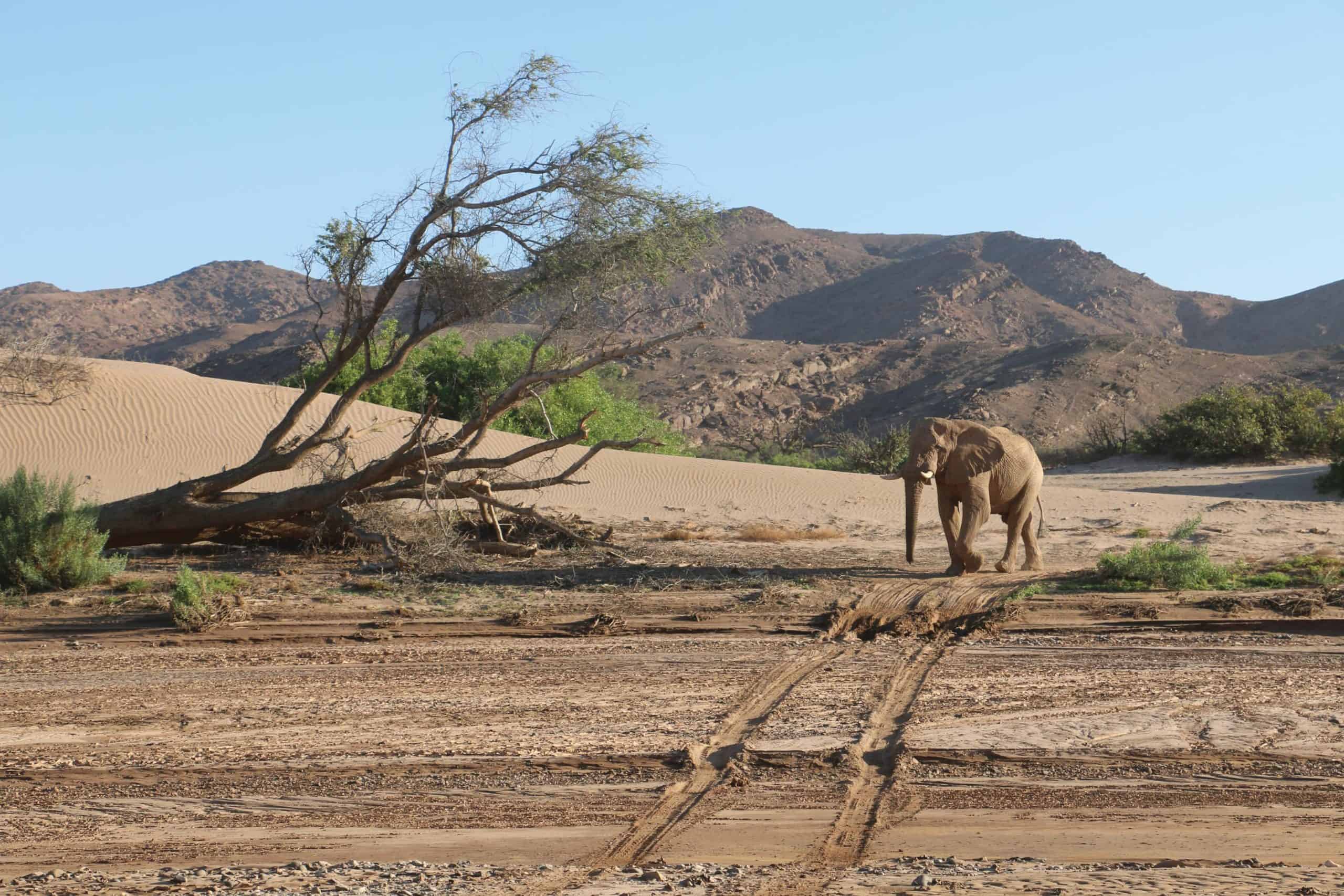
In the vast, sun-scorched deserts of Kunene, where jagged mountains meet endless plains, a herd of desertadapted elephants moves silently at dawn. Nearby, a young woman adjusts her binoculars, scanning the horizon: not as a tourist, but as a community ranger. Her name is Nangolo, and she is part of Women for Conservation, a groundbreaking initiative started in 2019 by 19 women from five Kunene conservancies.
Did you know that these women were among the first in the region to take part in formal leadership training for conservation? Today, they are not only protecting wildlife but also shaping how natural resources are managed, proving that gender inclusion is central to the future of Namibia’s landscapes.
This is the story of the Integrated Rural Development and Nature Conservation (IRDNC), a Namibian organisation that has been quietly transforming conservation since its founding in 1982. At the time, the idea that local communities could lead wildlife and resource management was revolutionary. Today, IRDNC supports 46 conservancies across Kunene, Zambezi, and Kavango East, covering nearly 60,000 km² of communal land.
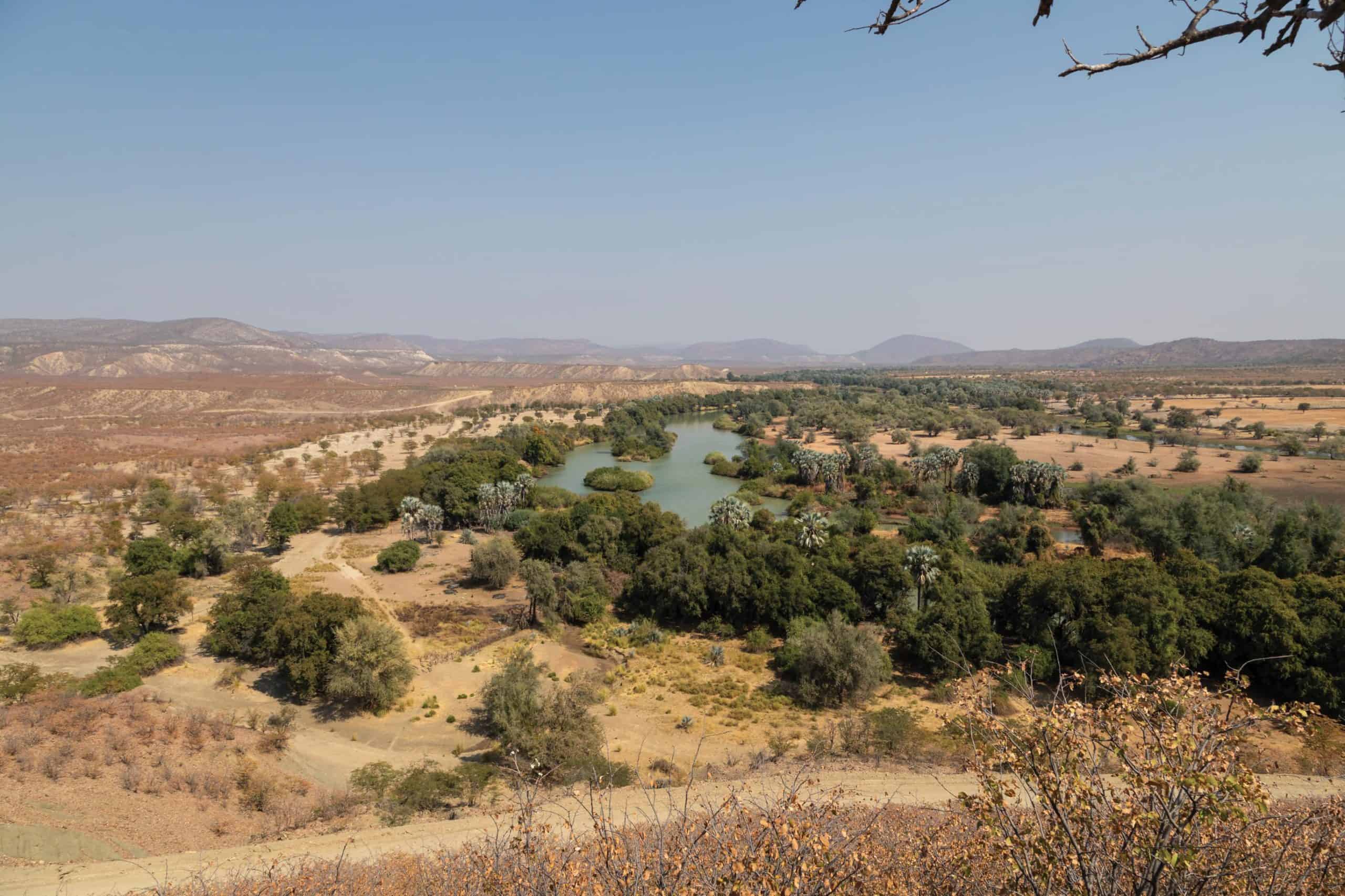
In Zambezi, where wetlands teem with hippos, crocodiles, and elephants, IRDNC has helped communities develop transboundary conservation corridors connecting Namibia to Angola, Botswana, Zambia, and Zimbabwe. Here, villagers are learning to live alongside wildlife that once posed constant threats to crops and livestock. Night patrols, early-warning systems, and community game counts – walking an average of 12,858 km per year since 1998 – help predict and prevent human-wildlife conflict.
Back in Kunene, the Kunene Elephant Walk, launched in 2020, has become a model for coexistence. A team of 50 rangers, including women and youth, works tirelessly to protect both people and elephants, using nonlethal deterrents and innovative monitoring tools. The programme has not only reduced crop losses but also built trust between communities, traditional authorities, and conservationists.
And the work doesn’t stop with wildlife. IRDNC helps communities diversify livelihoods, from carbon credits and natural plant products to tourism ventures and biomass energy. For many, this means moving beyond subsistence farming into more resilient economic pathways. By 2031, the aim is for at least 37 community organisations to provide tangible benefits to members, ensuring that conservation delivers for people as much as it does for nature.
IRDNC’s impact is also visible in governance. Annual general meetings, regional forums, and transparent management practices give communities control over their resources. Women, youth, and marginalised groups now have a seat at the table; a remarkable shift from the early days when decision-making was largely maledominated.