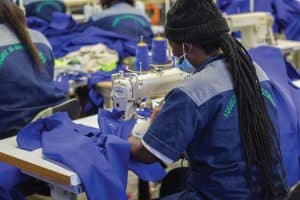
Made in Namibia, by Namibians
August 26 Manufacturing makes garments and footwear in Windhoek and Okahandja—PPC, healthcare and workwear for mining, oil and gas, hydrogen and government.
By Maggie Forcelledo Paz
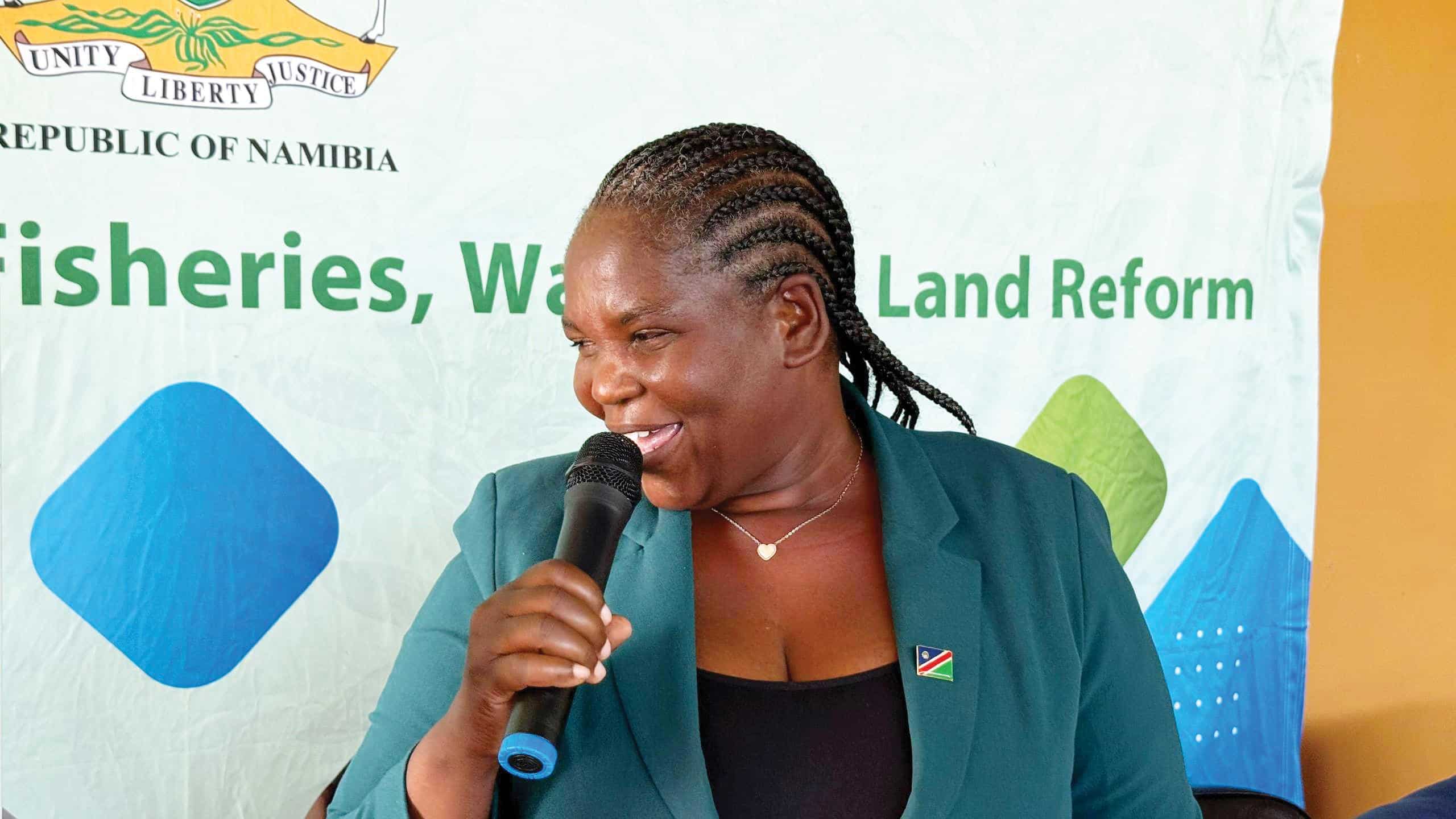
Deputy Minister of Agriculture, Fisheries, Water and Land Reform Ruthy Masake has called on the youth of Oshikoto Region to move from spectators to active partners in driving the country’s economic renewal. Speaking at the Oniipa Agri-Youth Engagement, Masake urged young Namibians to take control of the nation’s primary production sectors, describing 2026 as a year for bold action and meaningful transformation.
The deputy minister’s address centred on the alignment of the Sixth National Development Plan (NDP6) and the SWAPO Party Manifesto, both of which prioritise youthled agribusiness and climate-smart production. She emphasised that the government’s vision is to move away from subsistence farming toward high-value, exportorientated commercial ventures.
Masake detailed several financial and institutional support programmes available to young farmers and entrepreneurs. Among them is the National Youth Development Fund (NYDF) which was launched in September 2025 with an initial allocation of N$257 million. The fund, administered through the Development Bank of Namibia (DBN), Agribank and the Environmental Investment Fund (EIF), provides collateral-free loans for youth aged between 18 and 45 with registered businesses or agricultural ventures. It offers:
The deputy minister also pointed to Agribank’s Agri-Pioneer Scheme, which utilises off-take agreements instead of strict collateral, allowing young farmers to scale their operations despite limited assets.
Masake described Oshikoto Region as a powerhouse in the making, citing its fertile soil and traditional strengths in mahangu, sorghum and livestock. She urged the attendees to look beyond traditional farming and explore modern niches such as:
While promising government support through extension services and land allocation, the deputy minister said: “Strong business plans, registered enterprises or cooperatives, discipline and commitment will open these doors.”
Attended by regional leaders, youth representatives, young farmers and entrepreneurs, the engagement served as a platform for interactive dialogue, where young farmers were encouraged to openly share their challenges and propose solutions related to drought, market access, land availability and skills development. Masake called on the youth to seize the opportunities available in the sector and help shape Namibia’s agricultural future.

August 26 Manufacturing makes garments and footwear in Windhoek and Okahandja—PPC, healthcare and workwear for mining, oil and gas, hydrogen and government.
With youth joblessness at 44.4%, Namibia cannot recruit its way out of a skills gap. Leadership means first chances, local contracts and real knowledge transfer.
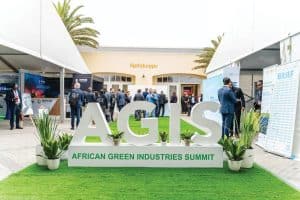
At AGIS 2026 in Swakopmund, Namibia set green industrialisation as a jobs strategy—hydrogen, iron and ammonia under NDP6, not just raw-material exports.
First oil is not the starting line. At NOGC 2026, Namibia’s energy talk shifted to readiness: local content, joint ventures and capability before procurement.