Nourishing the Future

how nutrition shapes our children

By Cerina Bezuidenhout Haasbroek

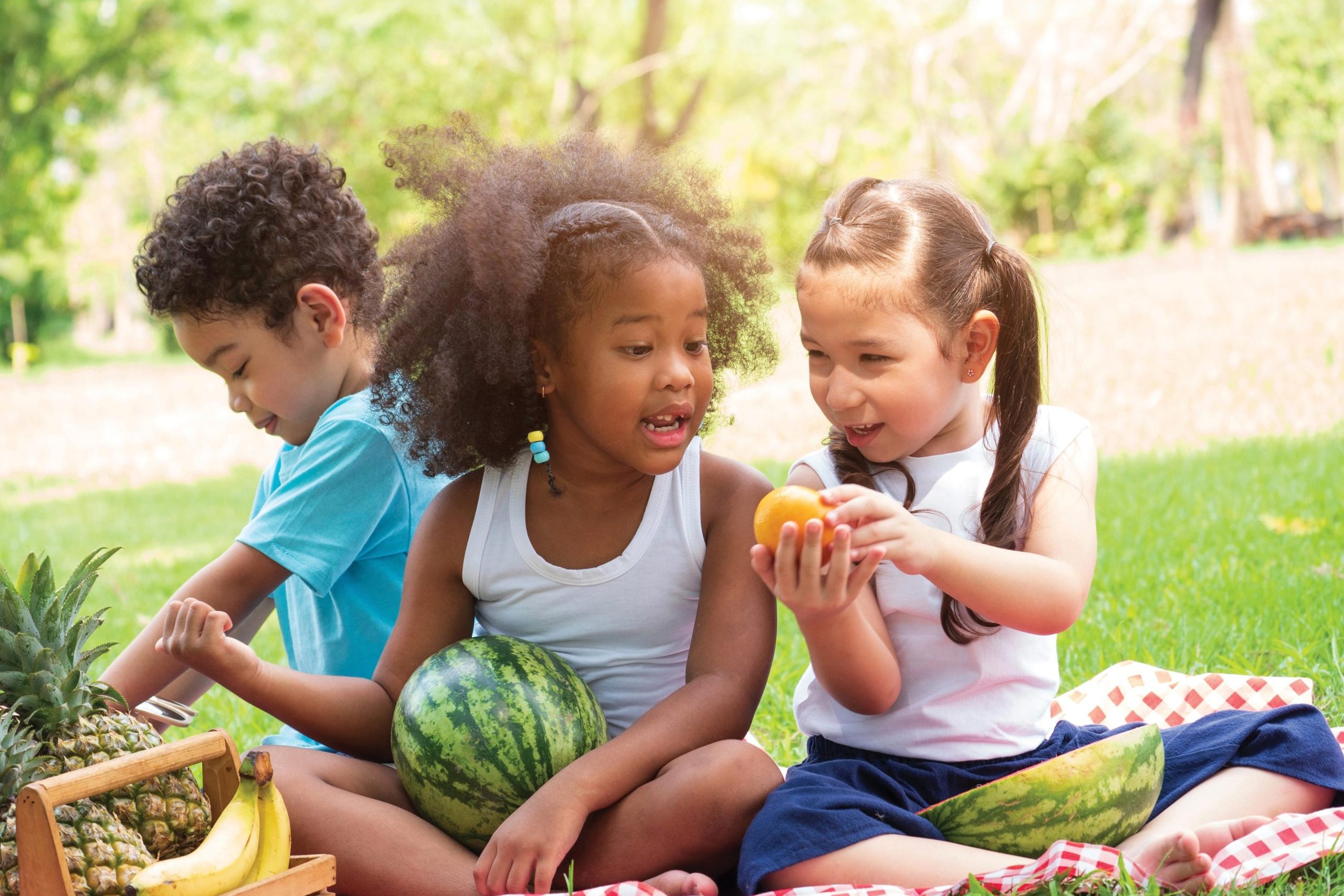
Every parent wants the best for their child – health, happiness and a bright future. But one of the most powerful ways to support a child’s development is not just in what we teach or how we care for them; it is in what we feed them.

Nutrition in childhood does not just affect how a child grows physically; it deeply impacts brain development, immune function, emotional regulation and long-term health outcomes. From concentration in the classroom to resilience during flu season, the food we offer our children plays a central role in their ability to thrive.

THE EARLY BUILDING BLOCKS

During the first few years of life, the brain grows faster than at any other time. Nutrients like omega-3 fatty acids, iron, zinc, B-vitamins and choline help build neural connections and regulate mood and cognition. A diet rich in whole foods – like eggs, fresh vegetables, beans, nuts and fruit – supports these vital functions. Interestingly, however, we do not consider “mood regulation” and “cognition” when we think about a young child, and consequently often miss the important effect of nutrition on their development.

But nutrition does not stop mattering after toddlerhood. School-aged children and teenagers experience major hormonal changes and energy demands. A balanced, nutrient-dense diet can improve focus, stabilise mood, support hormonal health and reduce inflammation – setting them up to be healthy adults with strong habits already!

THE HARM OF SUGAR AND PROCESSED FOODS

Unfortunately, many children today are consuming more ultra-processed foods than ever before. These are foods high in added sugar, refined carbohydrates, seed oils and artificial additives – like sugary drinks, boxed snacks, fast food and sweetened cereals. And do not think pre-prepared foods are automatically healthy… There is a (bad) reason products have such an extended shelf life!

Excess sugar, in particular, is linked to spikes in blood sugar, mood swings, insulin resistance and poor concentration. It also contributes to long-term risks like obesity, metabolic syndrome and early-onset type 2 diabetes. Global data shows that 1 in 10 school-aged children (about 188 million) are now considered obese – largely due to processed food consumption. In Namibia, around 41% of adolescents report poor eating habits, consuming fruits and vegetables fewer than five times per week. At the same time, 22.7% of Namibia’s children under 5 are stunted, showing the dual burden of malnutrition and poor-quality calories. It seems our kids are either undernourished or overfed, and both paths harm longterm wellbeing.

WHAT CAN WE DO?

The good news is that we do not need perfection. We just need intention.

As caregivers, educators and community members, we can take small steps that make a big difference:

  • Lead by example: Children mimic what they see. When adults eat real food and talk positively about healthy meals, children learn that nourishing food is normal and not a punishment.
  • Start simple: Introduce small changes, such as replacing juice with water, adding a boiled egg to breakfast or including one vegetable on the plate at dinner. It is consistency that counts.
  • Involve children in food prep: Let them help to wash veggies, stir sauces or choose fruits. Ownership builds curiosity and willingness to try new foods.
  • Rethink school lunchboxes: A boiled egg, fruit, wholegrain sandwich or nuts and seeds can go a long way in supporting energy and focus.
  • Educate gently: Teach children that food gives them strength, focus, calmness and fun – not just something to “be good” or “lose weight”.

FOOD AS A FOUNDATION

When we feed our children well, we give them more than nutrients. We give them stability, clarity and confidence. We help to build a future generation that is not only strong in body but also in mind, spirit and self-awareness. Let’s plant seeds of wellness, one meal at a time.

This article is for informational purposes only and is not intended to replace professional medical advice. Always consult a qualified health provider before making changes to your health routine.

Living Well is a monthly wellness column exploring functional health, natural rituals and conscious living in Namibia. Follow @cerinabzd on Instagram for tips, workshops and holistic health guidance.

Share:

More Posts

Cameras put bread on the table

Namibian youths are turning photography into a source of income, proving that creativity and determination can build sustainable livelihoods. This inspiring story follows young entrepreneurs

Living Well: The Healer Within

Rediscover the healer within. This wellness column explores how mindset, emotions, nature and spiritual awareness contribute to holistic healing and self-restoration, reminding us that lasting

Sign up for our newsletter